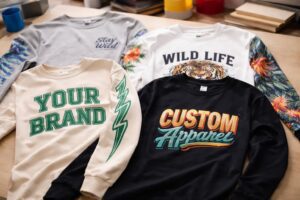
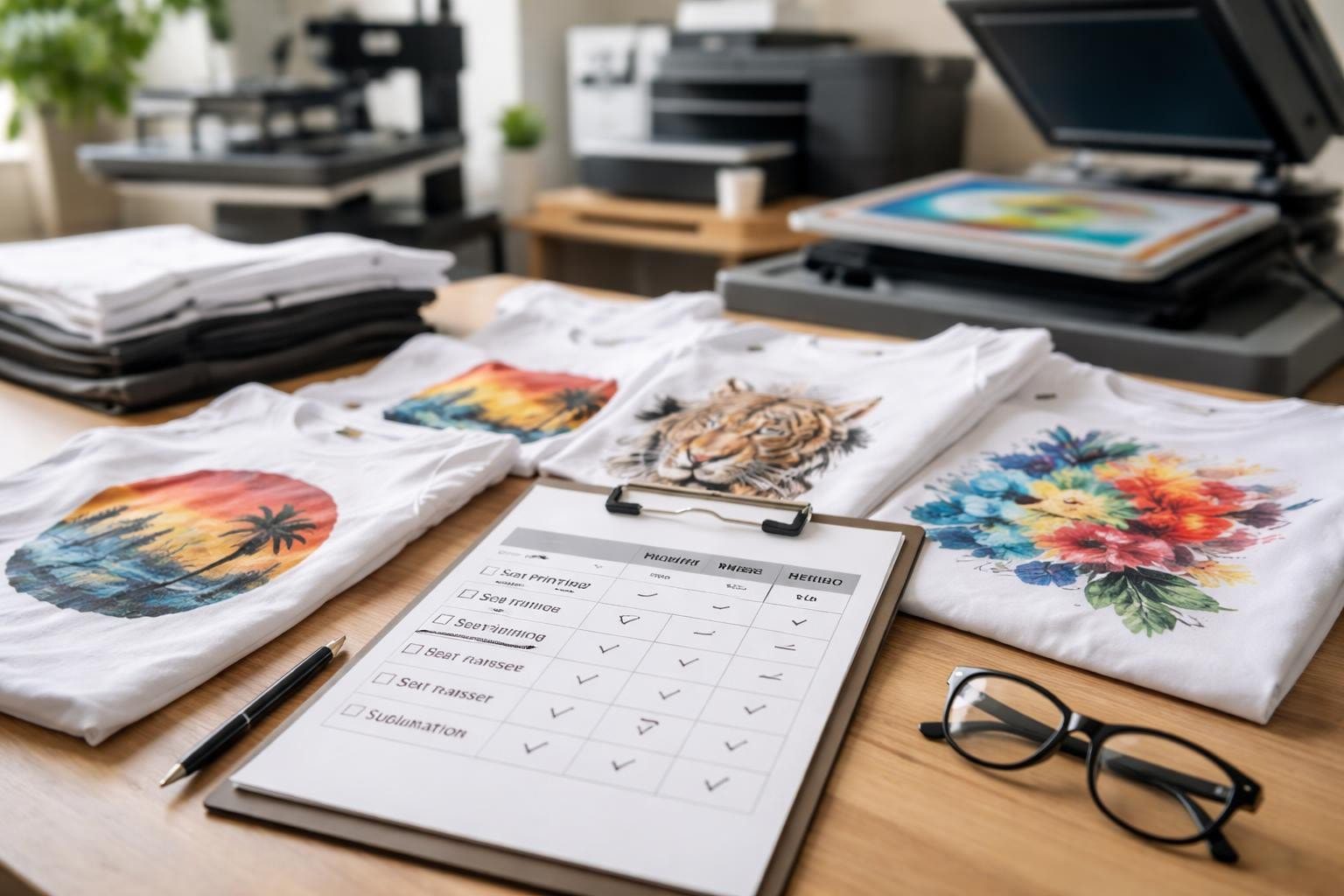
The ability to print out t shirts has evolved dramatically over the past decade, transforming from an exclusive service requiring large minimums to an accessible option for individuals, small businesses, and major corporations alike. Whether you're launching a clothing brand, creating team uniforms, or producing promotional merchandise, understanding the various printing methods and best practices ensures your finished products meet quality standards while staying within budget. With the custom t-shirt printing market projected to reach significant growth in the coming years, now is the perfect time to master the fundamentals of custom apparel production.
Understanding Modern T-Shirt Printing Methods
When you decide to print out t shirts, selecting the appropriate printing technique directly impacts your final product quality, durability, and cost-effectiveness. The industry offers multiple approaches, each with distinct advantages depending on your specific requirements.
Direct-to-Garment (DTG) Printing
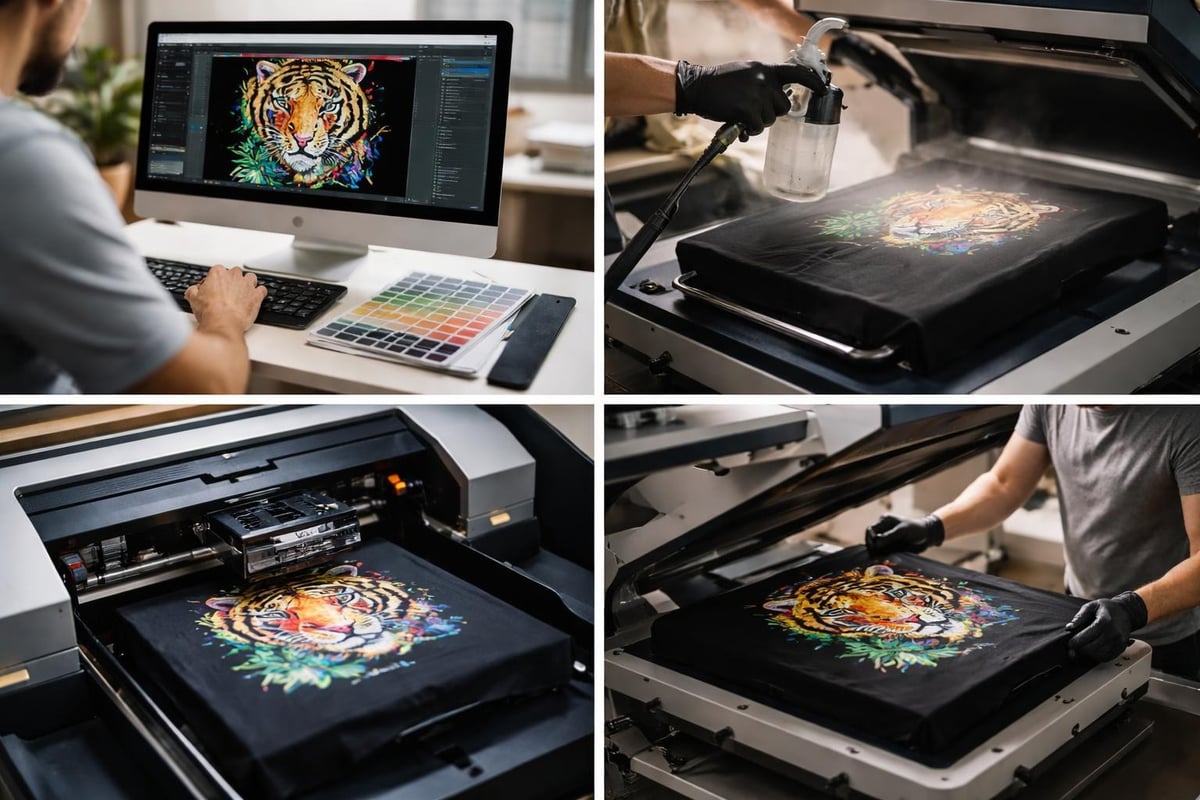
Direct-to-Garment technology represents one of the most versatile solutions available today for those looking to print out t shirts with intricate designs. This method works similarly to a traditional inkjet printer, applying specialized water-based inks directly onto fabric fibers. DTG excels at reproducing photographic images, complex gradients, and designs with unlimited colors.
Key benefits of DTG printing include:
- No minimum order requirements, making it ideal for single-item orders
- Exceptional detail reproduction for complex artwork
- Soft hand feel that doesn't create a heavy layer on the fabric
- Quick turnaround times for small to medium batches
- Environmentally friendly water-based inks
The latest trends in DTG printing technology show continued improvements in speed, color vibrancy, and fabric compatibility. However, DTG works best on cotton or cotton-blend fabrics and may not be cost-effective for very large production runs.
Screen Printing Fundamentals
Screen printing remains the gold standard for bulk orders and designs requiring vibrant, opaque colors. This traditional method uses mesh screens to transfer ink onto fabric, with each color requiring a separate screen. While setup costs are higher, the per-unit price decreases significantly with larger quantities.
When comparing direct-to-garment printing vs screen printing, consider these screen printing advantages:
- Superior durability for designs that withstand frequent washing
- Exceptional color opacity, especially on dark fabrics
- Most economical option for orders exceeding 50-100 pieces
- Works with various ink types including specialty options like metallics and puff inks
- Consistent color matching across large production runs
| Printing Method | Best For | Minimum Quantity | Color Limit | Cost Per Unit (Small Orders) |
|---|---|---|---|---|
| DTG | Complex designs, photos | 1+ | Unlimited | $15-$30 |
| Screen Printing | Simple designs, bulk orders | 24+ | 1-6 colors | $8-$15 |
| Heat Transfer | Quick single items | 1+ | Unlimited | $10-$25 |
| Sublimation | Polyester, all-over prints | 1+ | Unlimited | $12-$28 |
Choosing the Right Fabric for Your Project
The substrate you choose significantly affects how well you can print out t shirts and achieve desired results. Different printing methods perform optimally on specific fabric compositions.
Cotton and Cotton Blends
100% cotton shirts provide the most versatile canvas for nearly all printing techniques. Cotton fibers readily absorb DTG inks, create excellent screen printing results, and offer superior comfort for wearers. Cotton-polyester blends (50/50 or 60/40) offer wrinkle resistance while maintaining good printability.
Recommended cotton fabrics for different methods:
- DTG printing: 100% combed ring-spun cotton (180-220 GSM)
- Screen printing: 100% cotton or high-cotton blends (160-200 GSM)
- Heat transfer: 100% cotton or 50/50 blends (160-180 GSM)
Synthetic Performance Fabrics
Polyester and performance blends require specialized approaches. Sublimation printing works exclusively on polyester, creating vibrant, permanent designs that become part of the fabric itself. This method is perfect for athletic wear, activewear, and all-over print designs.
The texture and weight of your chosen fabric also matter. Heavier fabrics (200+ GSM) provide a premium feel but may require ink adjustments, while lightweight options (140-160 GSM) work well for athletic contexts but may show more transparency.
Design Preparation and File Requirements
Properly preparing your artwork before you print out t shirts prevents costly mistakes and ensures professional results. Digital file specifications vary by printing method but following industry standards minimizes issues.
Resolution and File Formats
For DTG and heat transfer printing, submit high-resolution raster images (300 DPI minimum) in PNG or TIFF format with transparent backgrounds. Vector graphics work best for screen printing, typically provided as AI, EPS, or PDF files with outlined fonts.
Essential design specifications:
- Minimum resolution: 300 DPI at actual print size
- Color mode: RGB for digital methods, Pantone or spot colors for screen printing
- File formats: PNG (transparent), AI, EPS, or PDF
- Maximum print area: 12" x 16" for standard adult t-shirts
- Bleed area: Add 0.25" beyond intended print size when applicable
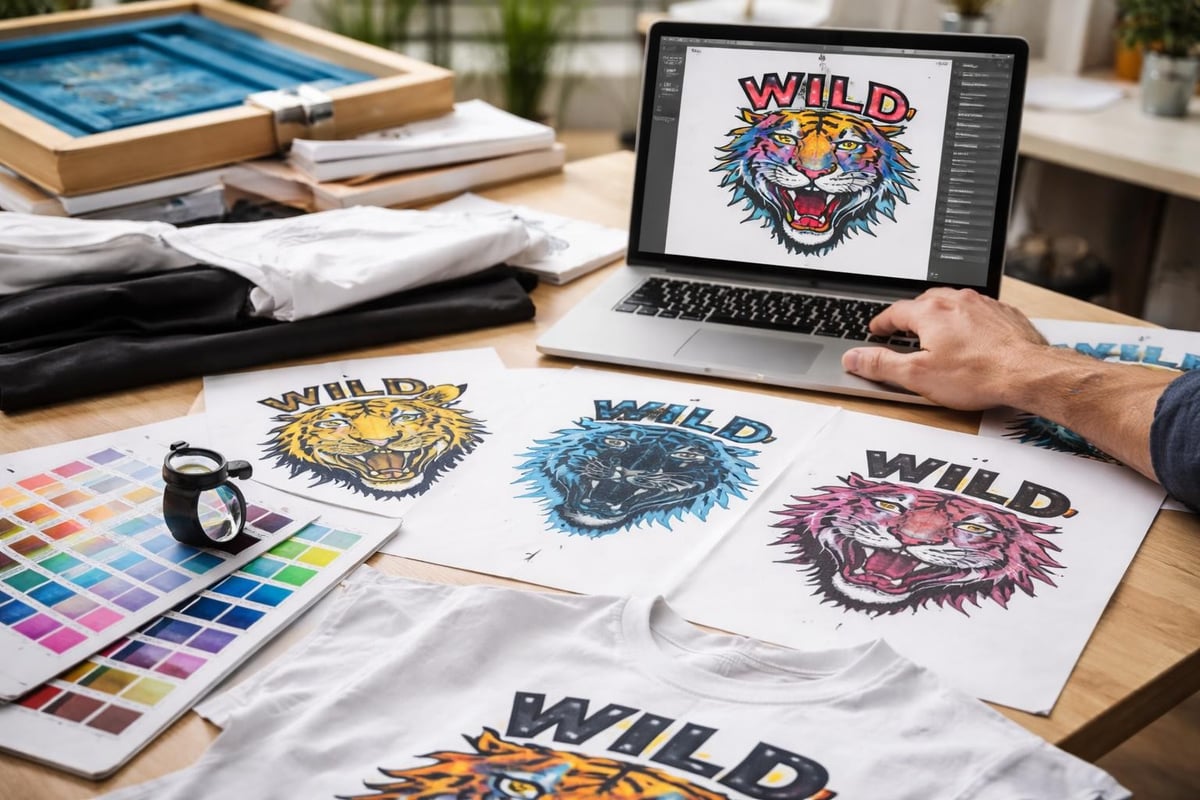
Color accuracy requires special attention. What appears on your screen may differ from printed results. Request physical samples when color matching is critical, especially for corporate branding projects. Understanding shirt branding requirements helps ensure your designs meet professional standards.
Cost Considerations and Pricing Models
Understanding pricing structures helps you budget accurately when planning to print out t shirts for any purpose. Costs typically break down into three main categories: setup fees, per-unit printing charges, and garment costs.
Setup and Screen Fees
Screen printing involves upfront setup costs for creating screens, typically ranging from $15-$45 per color. These one-time fees mean small orders carry higher per-unit costs, while large batches distribute setup expenses across more pieces. DTG printing eliminates setup fees entirely, making it economical for small quantities.
Volume Pricing Tiers
Most printing services structure pricing in tiers based on quantity. A single custom shirt might cost $25-$35 total, while ordering 100 identical pieces could reduce the per-unit cost to $8-$12. According to industry statistics, businesses ordering custom apparel typically see 30-40% cost reductions when moving from quantities of 12 to 50 pieces.
| Quantity | DTG Price Per Shirt | Screen Print Price Per Shirt | Screen Print Setup |
|---|---|---|---|
| 1-5 | $18-$25 | $25-$35 | $45-$75 |
| 12-23 | $15-$20 | $15-$22 | $45-$75 |
| 24-49 | $14-$18 | $10-$14 | $45-$75 |
| 50-99 | $13-$16 | $8-$11 | $45-$75 |
| 100+ | $12-$15 | $6-$9 | $45-$75 |
Quality Control and Durability Testing
Professional results when you print out t shirts require rigorous quality standards throughout production. Implementing checkpoints ensures consistency and customer satisfaction.
Pre-Production Samples
Always request proof prints before committing to large runs. Physical samples reveal how colors translate to fabric, whether registration aligns properly in multi-color designs, and how the print feels on the garment. Digital mockups provide general guidance but cannot replicate actual results.
Wash and Wear Testing
Durability testing involves washing printed samples according to care instructions, then evaluating color retention, cracking, and overall appearance. Quality prints should withstand 50+ wash cycles without significant degradation. Different t-shirt printing techniques offer varying longevity, with screen printing typically providing the longest lifespan.
Testing criteria for professional-grade prints:
- Color fastness after multiple wash cycles
- Minimal to no cracking in printed areas
- No excessive fading or color shift
- Ink adhesion remains intact (no peeling)
- Print maintains soft hand feel without stiffening
Selecting a Printing Partner
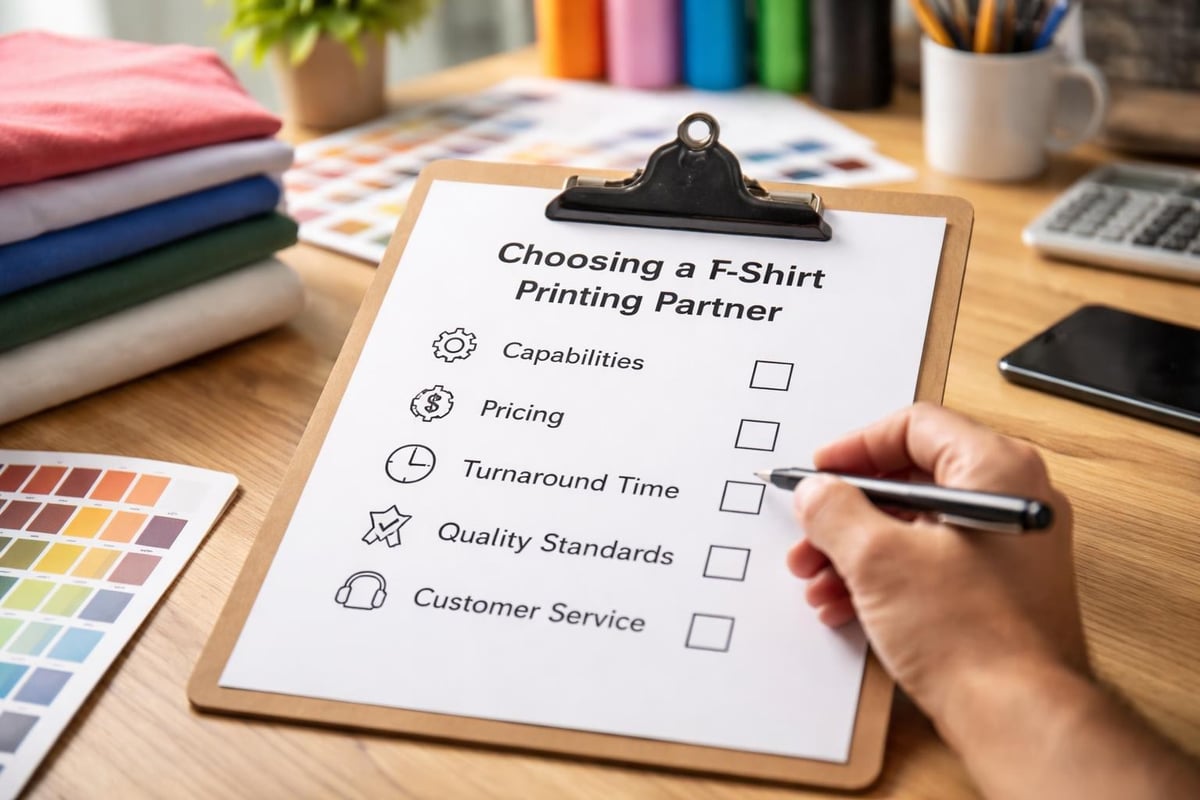
Choosing the right provider to print out t shirts impacts everything from quality to turnaround time. Whether you're working with local shops or online services, several factors deserve consideration.
Evaluating Service Capabilities
Not all printing companies offer every method or handle all project sizes effectively. Research providers specializing in your specific needs. Companies focusing on DTG printing in local markets may offer faster turnaround and personalized service compared to large online platforms.
Key questions for potential printing partners:
- What printing methods do you offer in-house?
- Do you have minimum order requirements?
- What is your typical turnaround time?
- Can you provide references or sample work?
- Do you offer design assistance or file preparation services?
- What quality guarantees or replacement policies exist?
Location and Turnaround Considerations
Local providers enable face-to-face consultations and potentially faster production. Searching for screen printing companies near me helps identify nearby options that can accommodate urgent deadlines or allow you to inspect samples in person.
Special Applications and Custom Solutions
Beyond basic logo placement, advanced techniques expand creative possibilities when you print out t shirts for specialized purposes.
All-Over Printing and Placement Options
All-over printing creates edge-to-edge designs that cover the entire garment rather than limiting artwork to traditional print areas. This technique requires sublimation printing on polyester or specialized DTG equipment. Pocket prints, sleeve designs, and back neck labels offer additional branding opportunities.
Standard placement areas include chest (left or center), full front, full back, sleeves, and pocket areas. Understanding best printing methods for shirts helps you select appropriate techniques for each placement.
Specialty Inks and Effects
Expanding beyond standard plastisol or water-based inks opens creative possibilities:
- Metallic and glitter inks add shimmer and dimension
- Puff inks create raised, three-dimensional effects
- Glow-in-the-dark inks provide unique visual interest
- Discharge printing removes fabric dye for soft, vintage-look designs
- Reflective inks enhance visibility for safety applications
Business Applications and Branding Strategies
Organizations across industries leverage custom printed t-shirts for marketing, team building, and revenue generation. Strategic implementation maximizes return on investment.
Corporate Branding and Employee Uniforms
Custom apparel creates cohesive brand identity while providing practical benefits. Employee uniforms featuring company logos enhance professional appearance and serve as walking advertisements. The growing use of customized t-shirts as branding tools reflects their effectiveness in building brand recognition.
Promotional Merchandise and Events
Trade shows, conferences, and company events benefit from custom printed giveaways. Quality t-shirts generate positive brand associations while providing lasting value to recipients. Exploring unique corporate gifts reveals how custom apparel fits broader promotional strategies.
Effective promotional t-shirt strategies:
- Choose quality blanks that recipients will actually wear
- Design artwork that works as standalone fashion, not just advertising
- Select sizes and styles appropriate for your target demographic
- Include subtle branding that doesn't overpower the design
- Order extras for future needs to maintain consistent branding
Environmental Considerations and Sustainability
As eco-consciousness grows among consumers, sustainable practices when you print out t shirts become increasingly important for brand reputation and environmental responsibility.
Eco-Friendly Printing Methods
Water-based inks contain fewer harmful chemicals than traditional plastisol alternatives and break down more readily in landfills. DTG printing typically uses water-based formulations, making it an environmentally preferable option. Some providers now offer organic cotton blanks and recycled polyester fabrics.
Certifications like OEKO-TEX and GOTS verify that materials and processes meet environmental and safety standards. Asking providers about their sustainability practices demonstrates corporate responsibility and appeals to environmentally conscious customers.
Waste Reduction Strategies
Print-on-demand models eliminate excess inventory waste by producing items only after orders are placed. This approach works particularly well for merchandise sales, allowing businesses to offer diverse options without maintaining large stock levels. Proper inventory planning for bulk orders prevents overproduction while ensuring adequate supply.
Troubleshooting Common Printing Issues
Understanding potential problems helps you address them quickly when they arise during production runs.
Color Matching Challenges
Color discrepancies between digital designs and printed results frustrate many first-time customers. Monitor calibration, RGB versus CMYK color modes, and fabric color all influence final appearance. Request Pantone color matching for critical brand colors and always approve physical samples before full production.
Print Quality Problems
Common issues include inadequate ink coverage, misalignment in multi-color designs, and improper curing leading to washout. Working with experienced providers minimizes these risks. Examining various t-shirt printing techniques helps you understand what quality standards to expect from each method.
Solutions for frequent issues:
- Faded colors: Increase ink opacity or try different printing method
- Cracking prints: Ensure proper curing temperature and duration
- Rough texture: Consider different ink types or printing techniques
- Color bleeding: Use proper underbase for screen printing on dark fabrics
- Misregistration: Improve screen setup or consider single-color designs
Scaling Your T-Shirt Printing Operations
As your needs grow, understanding how to scale efficiently prevents bottlenecks and maintains quality standards when you print out t shirts in larger volumes.
Inventory Management
Balancing stock levels prevents both shortages and excess inventory costs. Popular sizes (Medium, Large, XL) typically account for 70-80% of orders. Tracking sales data helps optimize future orders and reduces waste from unsold inventory.
Workflow Optimization
Streamlining design approval, production scheduling, and quality control accelerates turnaround times. Establishing clear communication channels with your printing partner ensures everyone understands deadlines, specifications, and expectations. Creating templates for recurring orders saves time on file preparation and reduces errors.
The custom printing industry continues evolving rapidly. Staying informed about advancements helps you leverage new opportunities and maintain competitive advantages.
Mastering the process to print out t shirts successfully requires understanding printing methods, design preparation, quality standards, and strategic partner selection. Whether you need a single custom piece or thousands of branded uniforms, choosing the right approach ensures professional results that meet your timeline and budget. Custom 101 Prints offers comprehensive custom printing services throughout New York, specializing in screen printing, DTG, embroidery, and more with no minimum orders and fast turnaround times. Contact us today to discuss your project and discover how our expertise transforms your vision into wearable reality.