T-shirt printing in 2026 is transforming fashion, branding, and personal style at an unprecedented pace. The best printing for shirts now blends innovation, sustainability, and creativity, reshaping how individuals and businesses express themselves.
This article uncovers the top 7 techniques leading the industry, each offering advances in print quality, versatility, and eco-friendly practices. Whether you are launching a fashion line, building your brand, or designing for fun, discover which method aligns best with your vision and goals.
The Evolution of Shirt Printing: 2026 Trends & Innovations
The world of shirt printing is experiencing rapid transformation in 2026. New technologies, shifting market demands, and a focus on sustainability are shaping the best printing for shirts. Businesses and creators must stay informed to choose the right techniques for their goals.
The Shift Toward Sustainability and Eco-Friendly Inks
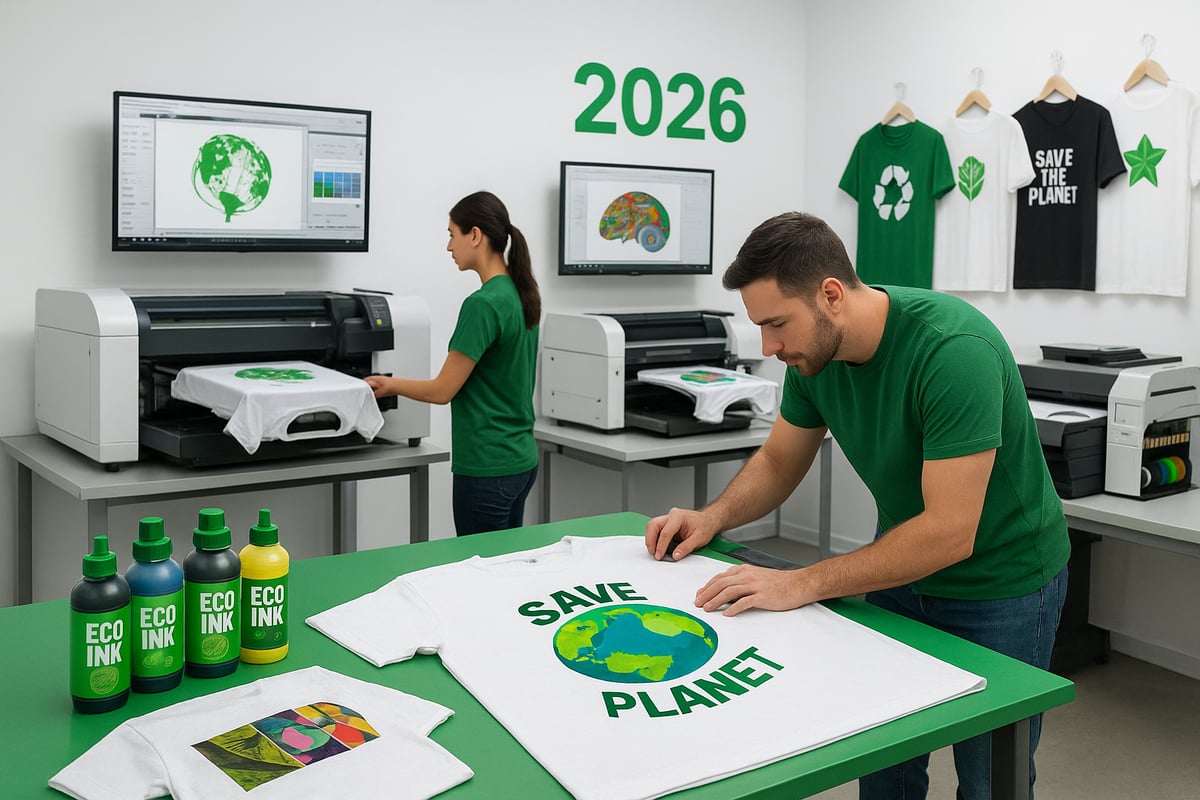
Sustainability is now a core factor in the best printing for shirts. Consumers expect brands to use non-toxic, water-based, or biodegradable inks. This shift not only reduces environmental impact, but also enhances brand reputation and customer loyalty.
Leading print shops are embracing Eco-Friendly T-Shirt Printing Methods to meet these expectations. Water-based inks and improved waste management are becoming standard practices. As regulations tighten, eco-conscious production is no longer optional for any best printing for shirts provider.
Integration of Digital Technologies
Digital transformation is driving the best printing for shirts forward. Automation, AI-powered color matching, and smart print management software are now commonplace. These innovations enable higher efficiency, reduce manual errors, and optimize every print job.
Techniques like direct-to-garment (DTG) and direct-to-film (DTF) are gaining traction due to their flexibility and speed. Print shops can now create complex, full-color designs with minimal setup. This digital wave is making the best printing for shirts more accessible, even for small businesses.
Customization and Personalization at Scale
Personalization has become a defining feature of the best printing for shirts. On-demand production allows customers to create unique designs, from single custom shirts to large personalized orders. E-commerce platforms are leveraging these capabilities to boost engagement and retention.
Brands can now offer mass customization without sacrificing speed or quality. This scalability is helping both startups and established names stand out. For anyone seeking the best printing for shirts, the ability to personalize is a key differentiator.
Quality, Durability, and Print Resolution Improvements
Print quality is reaching new heights within the best printing for shirts sector. Advances in printhead technology and ink chemistry have led to sharper images, richer colors, and smoother gradients. Enhanced durability means prints last longer, even after repeated washing.
Industry data from 2025 to 2026 shows a 20 percent increase in print longevity. Customers can expect their favorite designs to stay vibrant. Durability is now a crucial part of what defines the best printing for shirts.
Market Demands: Fashion, Merch, and Corporate Branding
The best printing for shirts is central to fashion trends, influencer merchandise, and corporate branding. The global custom t-shirt market is projected to surpass 10 billion dollars by 2026, reflecting strong demand across sectors.
Brands are running successful campaigns using advanced printing techniques to create standout apparel. Whether for fashion, events, or uniforms, the best printing for shirts is helping companies connect with audiences and drive growth.
Top 7 Best Printing For Shirts Techniques in 2026
The world of shirt printing has never been more dynamic or accessible. In 2026, creators, brands, and individuals have an impressive array of methods to choose from when searching for the best printing for shirts. Whether you value vibrant colors, high detail, eco-friendly processes, or cost efficiency, understanding the strengths of each technique is key.
Below, we break down the top seven methods shaping the industry this year. Discover which option best fits your vision, budget, and sustainability goals.
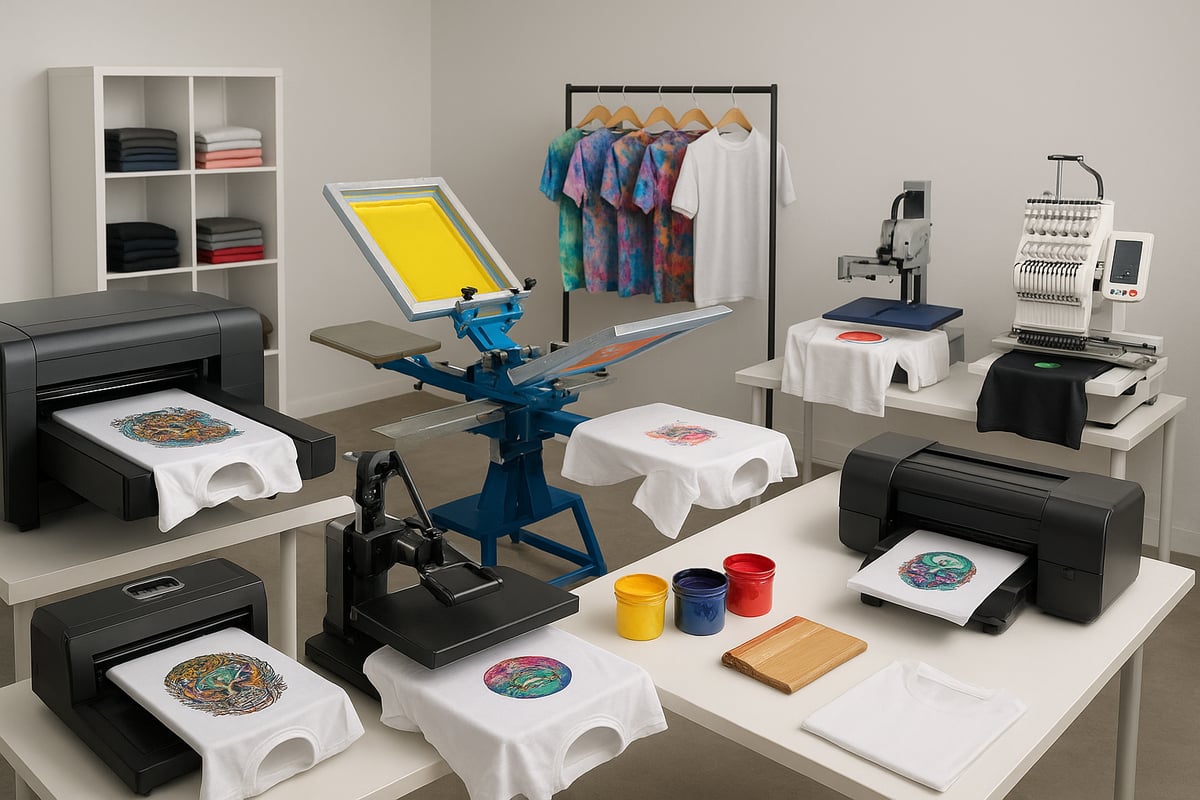
1. Direct-to-Garment (DTG) Printing
Direct-to-Garment (DTG) printing stands at the forefront of innovation, making it one of the best printing for shirts methods in 2026. This process uses advanced inkjet technology to apply high-resolution images directly onto fabric, producing photo-realistic results.
DTG is especially well-suited for intricate, full-color designs and small batch or custom orders. There are no setup fees, and the technology allows for unlimited color options. Eco-friendly water-based inks have become standard, meeting the growing demand for sustainable apparel.
However, DTG does have higher per-unit costs for large runs and works best on 100% cotton garments. The feel of the print is soft, integrating seamlessly with the fabric.
Recent advancements include faster print speeds, longer-lasting inks, and AI-driven design optimization. These improvements mean artists, fashion brands, and print-on-demand stores can now offer rapid turnaround and consistent quality.
E-commerce brands frequently use DTG for quick merch drops, responding to trends in real time. To learn more about the technical side and what sets DTG apart, see this Direct-to-Garment Printing Explained guide.
If you’re seeking the best printing for shirts for high detail and flexibility, DTG remains a top contender in 2026.
2. Screen Printing
Screen printing has a long legacy as one of the best printing for shirts techniques. The process involves pushing ink through mesh screens, with each color requiring a separate screen. This method is renowned for its ability to deliver bold, vibrant designs, especially in bulk.
Screen printing is extremely cost-effective for large orders, making it ideal for schools, corporate uniforms, and event merchandise. The durability of screen-printed designs is impressive, often outlasting the garment itself.
Recent updates in 2026 include automated screen setup, eco-friendly reclaiming processes, and hybrid ink systems that expand the range of printable fabrics. While there are setup costs and minimum order requirements, the per-unit price drops significantly with volume.
The technique is less suitable for complex, highly detailed images due to its reliance on individual color separations. Still, it remains a favorite for simple logos, slogans, and classic graphic tees.
Large-scale music festivals often choose screen printing for their event shirts, ensuring consistent branding and long-lasting quality. For those prioritizing cost and durability in the best printing for shirts, screen printing is a proven winner.
3. Direct-to-Film (DTF) Printing
Direct-to-Film (DTF) printing has rapidly gained traction as one of the best printing for shirts options, especially for those who need versatility across fabric types. The process involves printing a design onto a special film, then using heat to transfer the image onto the shirt.
DTF stands out for its ability to work on a wide range of materials, including cotton, polyester, and blends. Color vibrancy and fine detail are significant advantages, making it suitable for everything from athletic wear to custom fashion pieces.
The feel of DTF prints is slightly less soft compared to DTG, and the process does generate some film waste. However, 2026 innovations have introduced recyclable films and faster, more efficient transfer methods.
Small businesses and sports teams frequently turn to DTF for multi-color, durable uniforms that need to withstand repeated washing. The technique’s flexibility and durability make it a strong candidate for those searching for the best printing for shirts for both quality and broad material compatibility.
If you want to cater to diverse customer needs and offer vibrant, durable prints, DTF is a technique to consider.
4. Sublimation Printing
Sublimation printing is a top choice for those seeking the best printing for shirts with all-over, vibrant designs. This method uses heat to transfer dye directly into polyester fabric fibers, resulting in prints that are permanent and exceptionally vivid.
Sublimation excels with performance wear, promotional shirts, and custom fashion lines, especially when full coverage is desired. The print becomes part of the fabric itself, so there’s no cracking or peeling over time.
The main limitation is that sublimation only works on polyester and light-colored garments, making it less versatile than some alternatives. However, recent trends have expanded substrate options and introduced eco-friendly sublimation inks.
Fitness brands often use sublimation for moisture-wicking tees, taking advantage of the method’s durability and comfort. For those who want the best printing for shirts that won’t fade or deteriorate, sublimation remains unmatched in its niche.
5. Heat Transfer Vinyl (HTV)
Heat Transfer Vinyl (HTV) continues to be a reliable and creative option among the best printing for shirts methods. The process involves cutting colored vinyl into shapes or letters, then applying them to shirts using a heat press.
HTV is celebrated for its durability and the ability to create names, numbers, and special effects like metallic or glitter finishes. It’s particularly popular for team uniforms, personalized gifts, and short runs.
In 2026, technological advancements have led to thinner, stretchier vinyl and a broader color range. This enhances comfort and design possibilities.
HTV isn’t ideal for highly detailed or multi-color designs, and the vinyl can feel heavier on the fabric compared to other methods. Still, for bold graphics and personalization, it’s a strong contender for the best printing for shirts.
Local sports leagues often rely on HTV for player jerseys, benefiting from the method’s resilience and ability to handle customizations efficiently.
6. Embroidery
Embroidery adds a premium touch to the best printing for shirts lineup. This method involves stitching designs directly onto fabric with colored threads, resulting in a textured, long-lasting finish.
Embroidery is perfect for logos, company names, and text, offering an upscale look that stands out. It’s extremely durable, retaining its appearance through countless washes.
The limitations of embroidery include higher costs and less flexibility with color gradients or photo-realistic images. However, 2026 advancements feature high-speed multi-head machines, 3D embroidery effects, and sustainable threads.
Corporate polos, hats, and uniforms often feature embroidered logos, reflecting professionalism and attention to detail. Tech companies, for example, use 3D embroidery for distinctive employee branding.
For those seeking the best printing for shirts with a classic, high-quality finish, embroidery remains a timeless choice.
7. All-Over Printing (AOP)
All-Over Printing (AOP) pushes the boundaries of shirt design, making it one of the best printing for shirts for high-impact visuals. This technique allows for edge-to-edge graphics, often achieved through cut-and-sew processes or sublimation.
AOP enables full-coverage prints that wrap around the entire garment, perfect for fashion brands, streetwear, and statement tees. The results are visually stunning and unique.
Production costs and times are higher due to the complexity of pattern alignment and garment construction. In 2026, automation has improved accuracy and sustainability, reducing waste and production errors.
Indie designers often choose AOP for limited-edition collections that stand out in a crowded market. For those who want the best printing for shirts to create unforgettable, all-over designs, AOP offers unmatched creative freedom.
Technique Comparison Table
| Printing Method | Best For | Durability | Cost per Shirt (2026) | Fabric Compatibility |
|---|---|---|---|---|
| DTG | Detailed, small runs | High | $10-15 | Cotton |
| Screen Printing | Bulk, bold designs | Very High | $5-8 | Most fabrics |
| DTF | Variety, durability | High | $8-12 | Cotton, polyester, blends |
| Sublimation | All-over, polyester | Very High | $9-14 | Polyester |
| HTV | Names, effects, small run | High | $7-11 | Most fabrics |
| Embroidery | Logos, premium look | Very High | $8-12 | Most fabrics |
| All-Over Printing | Full-coverage, fashion | High | $13-18 | Polyester, blends |
This comprehensive guide to the best printing for shirts in 2026 will help you match your creative vision and business needs with the perfect technique. Consider your priorities—whether it’s detail, durability, sustainability, or impact—and select the method that aligns best with your goals.
How to Choose the Right Printing Technique for Your Needs
Selecting the best printing for shirts in 2026 means weighing several factors to find the right match for your project. The rapid advancement of shirt printing methods brings new choices for businesses, creators, and individuals, but understanding these options is crucial for making an informed decision.
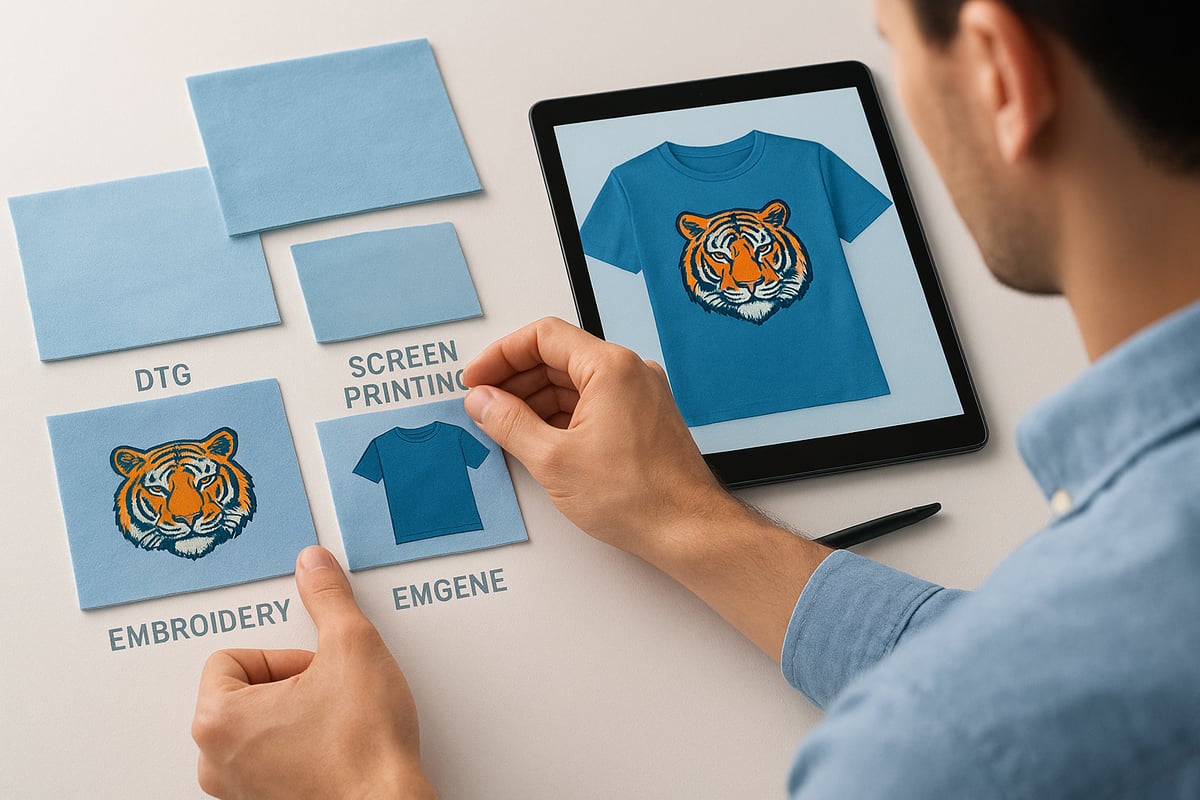
Factors to Consider: Quantity, Budget, and Design Complexity
First, determine the size of your order. Are you printing a single shirt or hundreds for an event? Bulk orders often benefit from screen printing, which reduces cost per shirt as quantity rises. Smaller runs or one-off items may be more cost-effective with direct-to-garment or DTF printing.
Budget is equally important. Some techniques, like embroidery, have higher upfront costs but offer a premium look. Others, such as heat transfer vinyl, are affordable for short runs. Consider your design complexity too. Detailed, full-color images are best suited for digital methods, while simple logos or text can be handled by most techniques.
Fabric and Garment Type Compatibility
Not all printing methods work on every fabric. For example, DTG excels on 100% cotton, but struggles with polyester blends. Sublimation requires light-colored polyester to achieve vibrant, lasting results. DTF and screen printing offer more flexibility across material types, including blends and synthetics.
Choosing the right technique for your fabric prevents issues like fading, cracking, or uncomfortable texture. Always check the compatibility of your chosen method with your garment material before starting production.
Durability, Washability, and Feel
Durability and comfort are major factors in choosing the best printing for shirts. Screen printing and embroidery are known for resilience, often outlasting the garment itself. Digital methods like DTG have improved wash resistance, especially with the latest ink technologies.
Customers also care about how prints feel. While embroidery adds texture and dimension, vinyl or film transfers may feel heavier. Sublimation delivers a soft, seamless finish, making it ideal for activewear and performance tees.
Shirt Printing Method Comparison Table
| Technique | Durability | Print Feel | Washability |
|---|---|---|---|
| DTG | High | Soft | Good |
| Screen | Very High | Smooth | Excellent |
| DTF | High | Slightly firm | Good |
| Sublimation | Excellent | Seamless | Excellent |
| HTV | Good | Heavier | Good |
| Embroidery | Top Tier | Textured | Excellent |
| AOP | Excellent | Seamless | Very Good |
Turnaround Time and Scalability
If you need shirts quickly, consider production speed. DTG and DTF excel at fast, on-demand orders, while screen printing is efficient for large batches after setup. Embroidery and all-over printing may require longer lead times due to complexity.
Scalability matters for businesses planning to grow. Methods that automate well, such as screen printing and DTF, support high-volume orders with consistent quality.
Sustainability and Environmental Impact
Modern customers increasingly value eco-friendly printing. Techniques using water-based or biodegradable inks, like DTG and updated screen printing, reduce environmental impact. Choosing sustainable shirt materials also enhances your brand's reputation.
To learn more about eco-conscious options, explore Sustainable T-Shirt Materials for Printing, which covers fabrics like recycled cotton and organic hemp.
Customization and Personalization Options
Personalization is a key trend in the best printing for shirts market. DTG, DTF, and heat transfer vinyl allow for unique designs, names, or numbers on each shirt. This is perfect for small businesses, sports teams, or brands looking to engage customers with exclusive offerings.
Case studies show that brands leveraging customization see higher customer retention and satisfaction. Consider how much personalization your project requires when selecting a technique.
Shirt Printing Cost Breakdown & Pricing Insights for 2026
Understanding the cost landscape is crucial when evaluating the best printing for shirts. In 2026, advancements in technology and materials have influenced pricing, but key factors like order size, design complexity, and technique choice still determine your final investment.
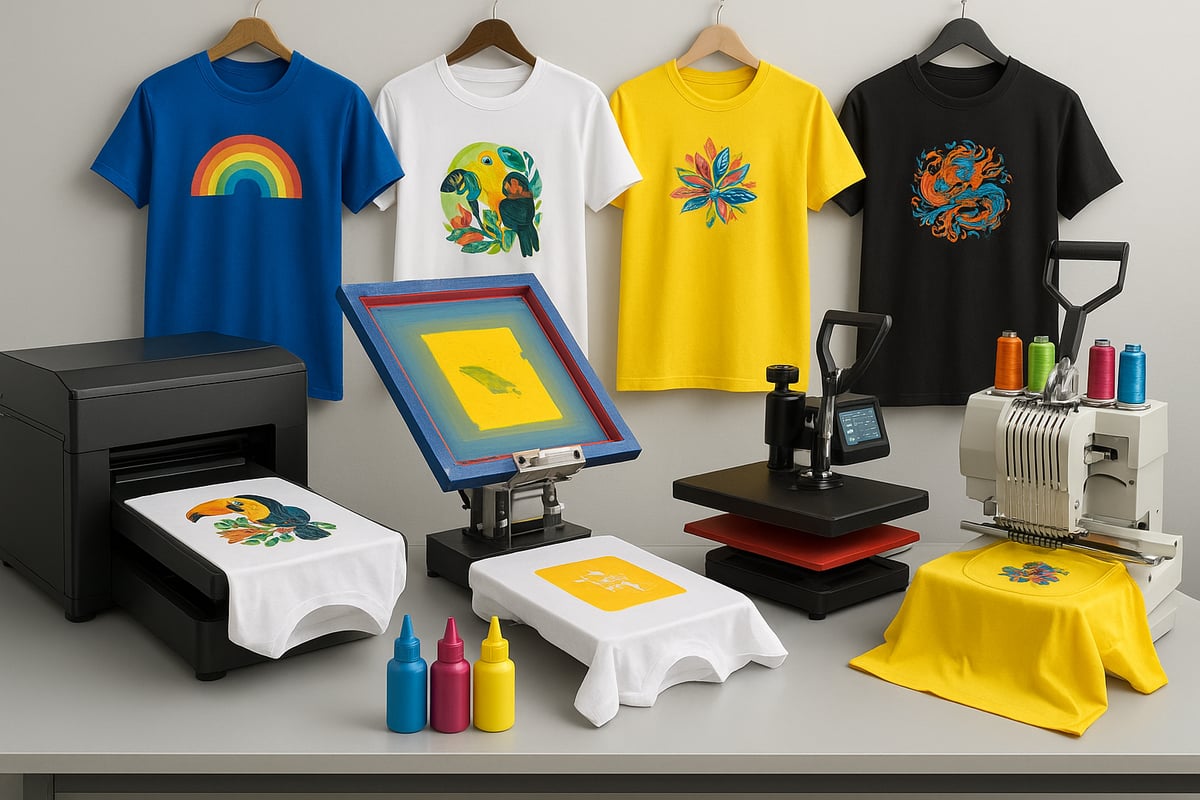
Average Pricing by Technique
The table below summarizes average per-shirt costs for the best printing for shirts techniques in 2026. Prices vary based on order volume, garment type, and customization:
| Technique | Price per Shirt (avg) | Speed | Min. Order |
|---|---|---|---|
| DTG | $10–15 | Fast (small runs) | 1 |
| Screen Printing | $5–8 | Fast (bulk) | 24+ |
| DTF | $8–12 | Moderate | 1 |
| Sublimation | $9–14 | Moderate | 1 |
| HTV | $8–13 | Fast | 1 |
| Embroidery | $8–12 | Slower | 1 |
| AOP | $15–25 | Slowest | 12+ |
For larger orders, Screen Printing Services for Shirts often deliver the most cost-effective solution, especially for simple designs.
Hidden Costs & Order Volume Impact
When selecting the best printing for shirts, be mindful of hidden costs. Setup fees, artwork preparation charges, and rush order premiums can add up quickly. For screen printing or embroidery, setup can represent a significant upfront expense, but is offset at higher volumes.
Order size directly impacts per-unit pricing. Bulk orders lower the cost per shirt, while single or small batch runs favor DTG or DTF, which do not require setup fees. Brands should assess their forecasted demand to optimize production costs.
Maximizing ROI & Mixing Techniques
To get the most value from the best printing for shirts options, mix techniques strategically. Use screen printing for high-volume, simple designs and switch to DTG or DTF for limited editions or intricate graphics. Embroidery works well for premium branding, while HTV is ideal for personalization.
Staying informed about Custom T-Shirt Printing Market Size and Trends can help businesses anticipate shifts in material costs and consumer preferences. Smart brands often optimize their budgets by blending techniques across product lines, ensuring both quality and profitability.