
Creative Marketing Gifts to Boost Brand Awareness and Loyalty
Creative marketing gifts are purposeful, branded items selected to increase visibility, strengthen customer relationships, and drive measurable marketing outcomes. This article explains what creative marketing gifts are, why they matter for brand awareness and customer loyalty, and how to choose, source, and customize items that reliably support marketing goals. Readers will learn the top trends for 2025, the product categories that produce the best ROI, a technical guide to printing and engraving methods, and a practical decision framework for audience and budget alignment. Practical steps and checklists show how to design, proof, and order promotional merchandise for events, employee programs, and client appreciation campaigns. Throughout we use semantic relations—product hyponyms (custom t-shirts, embroidered polo shirts), techniques (screen printing, DTG, laser engraving), and buyer attributes (budget tier, quantity, turnaround)—so you can align product attributes to marketing outcomes and act confidently.
What Are Creative Marketing Gifts and Why Do They Matter?
Creative marketing gifts are branded promotional products chosen for usefulness and memorability that create repeated brand exposure and emotional connection. They work because utility drives repeated impressions, quality conveys brand value, and personalization produces relevance, all of which improve recall and the likelihood of future engagement. For marketing teams, these gifts function as low-cost touchpoints that extend campaigns beyond a single touch and can be measured via redemption rates, event follow-ups, or subsequent purchases. Understanding these mechanisms helps marketers select categories and production methods that align with campaign objectives and audience behaviors.
How Do Marketing Gifts Enhance Brand Awareness and Customer Loyalty?
Marketing gifts enhance brand awareness by turning recipients into walking or desk-based ambassadors, while loyalty increases when gifts reflect recipient needs and perceived value. Utility items like drinkware or tech accessories generate repeated impressions because they are used daily, and emotional responses to personalized items strengthen brand affinity. Research and market observations indicate that practical, well-designed items improve recall and can increase long-term engagement metrics when paired with follow-up communications. Recognizing these effects helps teams design programs that connect immediate gifting with measurable downstream outcomes.
What Types of Businesses and Events Benefit Most from Marketing Gifts?
A wide range of organizations benefit from creative marketing gifts, including B2B firms for trade shows, B2C brands for customer acquisition, non-profits for donor recognition, and internal HR teams for employee appreciation. Trade shows gain the most from high-utility giveaways that drive booth traffic and lead capture, while onboarding and employee-recognition programs benefit from premium, durable items that reinforce culture and retention. Event planners and sports teams use apparel and accessories to create unity and visibility. Matching the audience and event type to product utility and perceived value ensures that gifts serve the intended marketing purpose.
What Are the Top Creative Marketing Gift Trends for 2025?

The top trends for 2025 emphasize sustainability, functional tech, scaled personalization, and hybrid-work essentials that fit modern routines and values. These trends are driven by consumer preference for responsible brands, the ubiquity of devices that need power and protection, and the desire for items that reflect individual identity or workplace needs. Each trend ties directly to marketing outcomes: sustainability signals brand values, tech items increase perceived value and use, personalization increases engagement, and hybrid-work accessories support long-term visibility at home and office. Marketers who align trends with audience behavior capture greater recall and ROI.
How Are Eco-Friendly Promotional Products Shaping Sustainable Branding?
Eco-friendly promotional products—made from recycled plastics, organic textiles, or renewable materials—communicate a brand’s commitment to sustainability and can strengthen purchase intent among environmentally conscious audiences. Choosing certified materials or recyclable packaging reduces lifecycle impact and signals authenticity, but marketers should verify material claims and supplier practices. Practical examples include recycled polyester tote bags, bamboo drinkware, and compostable desk accessories, which balance cost and messaging. Emphasizing transparency in material sourcing and communicating impact metrics amplifies the branding benefit and builds trust with sustainability-minded recipients.
Which Tech Marketing Giveaways Drive Engagement and Utility?
Tech giveaways such as portable power banks, wireless chargers, and branded USB-C cables drive engagement because they solve immediate problems and are used frequently, increasing exposure. High-quality tech items convey premium positioning and encourage retention; however, quality and safety certifications are important to avoid negative experiences. Engraving or subtle printing on metal or plastic surfaces works well for tech items, preserving aesthetics while ensuring brand visibility. Selecting reliable suppliers and focusing on compatibility (e.g., multi-port chargers) maximizes the functional benefit and prolongs brand impressions.
What Types of Custom Corporate Gifts and Branded Promotional Items Are Most Effective?
Effective corporate gifts and promotional items align product function with the recipient’s daily life and the campaign objective, whether that is lead generation, retention, or employee engagement. Categories that consistently perform include apparel, drinkware, tech accessories, office and desk items, and bags, each offering distinct visibility and ROI profiles. Apparel functions as mobile advertising; drinkware sits in daily routines; tech items solve problems; desk items maintain visibility during work hours; and bags offer practical, repeat exposure in transit. A quick reference table below helps match product categories to use cases and expected audience fit.
Different product types align with marketing goals in predictable ways:
| Product Type | Typical Use Case | Audience Fit / ROI / Typical Price Range |
|---|---|---|
| Apparel (t-shirts, polos) | Event giveaways, uniforms | High visibility; strong ROI for grants of brand recall; moderate price range |
| Drinkware (bottles, mugs) | Daily use and hospitality gifts | High utility; long-term impressions; low-to-mid price range |
| Tech accessories (power banks, chargers) | Trade show premiums, client gifts | High perceived value; strong retention; mid-to-high price range |
| Office & desk items (notebooks, organizers) | Employee recognition, client welcome kits | High desk visibility; supports brand during work; low-to-mid price |
| Bags (totes, backpacks) | Events, retail promotions | Broad utility; repeated outdoor exposure; mid price range |
How Can Custom Apparel Like T-Shirts, Hoodies, and Hats Serve as Marketing Gifts?

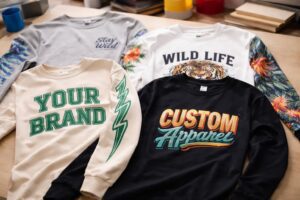
Custom apparel serves as mobile brand reinforcement because garments are visible in public and can align with lifestyle identity, making them powerful long-term advertising tools. Design choices—color, placement, and artwork complexity—affect production method and cost; simple, bold graphics favor screen printing for economies, while small, premium marks suit embroidery on polos and hats. Sizing and perceived quality influence uptake and wearing frequency, so marketers should prioritize comfortable fabrics and accurate sizing to maximize impressions. Considering lifecycle and wash durability ensures the apparel remains a reliable brand vehicle over time.
What Are Popular Drinkware, Bags, and Office Items for Business Gifting?
Drinkware, bags, and office items are popular because they integrate seamlessly into daily routines and workplace environments, creating repeated brand contact without intrusiveness. Stainless steel bottles, ceramic mugs, neoprene laptop sleeves, and branded tote bags each offer distinct imprinting methods—laser engraving, screen printing, or embroidery—based on material compatibility. For events, compact, portable items with easy distribution work best; for client gifts, choose premium finishes that reflect the relationship value. Understanding imprint limitations and material care instructions helps maintain appearance and brand perception over long-term use.
How Do Custom Printing Techniques Impact the Quality and Appeal of Marketing Gifts?
Printing and branding techniques determine the visual fidelity, durability, and cost of promotional items, making technique selection a pivotal part of product planning. The right method balances design complexity, substrate, budget, and desired longevity; for example, screen printing excels for large runs of simple graphics, while DTG supports photorealistic prints on small apparel runs. Laser engraving produces permanent marks on metal and wood, and DTF (Direct to Film) enables complex full-color transfers on varied fabrics. A comparative EAV table below helps match technique to product attributes, informing decisions that preserve appearance and control costs.
Here is a quick comparison of common printing and marking techniques:
| Printing Method | Best For | Durability / Look / Cost / Setup Time |
|---|---|---|
| Screen Printing | High-volume apparel with simple colors | Durable, bold look; low unit cost at scale; higher setup time/cost |
| Embroidery | Polos, hats, premium apparel | Premium texture and durability; mid cost; moderate setup |
| Direct to Garment (DTG) | Small runs, full-color images on cotton | Photorealistic, softer hand; higher unit cost for small runs; quick setup |
| Direct to Film (DTF) | Complex designs on mixed fabrics | Versatile substrate compatibility; good color; moderate cost |
| Laser Engraving | Metal, wood, drinkware | Permanent, premium finish; higher equipment cost; long-lasting mark |
What Are the Benefits of Screen Printing, Embroidery, and Direct to Garment?
Screen printing produces vivid, long-lasting color for large runs and simple designs, which reduces unit cost as quantities scale and supports consistent brand presentation across apparel. Embroidery offers a tactile, premium appearance that conveys quality, especially on polos and hats where durability and perceived value are priorities. Direct to Garment (DTG) enables detailed, full-color imagery for small runs or photographic prints, allowing rapid prototyping and flexible personalization. Each method’s mechanism—ink transfer, stitched thread, or inkjet printing—affects care instructions and long-term appearance, which should guide product selection and campaign expectations.
When Should You Choose Laser Engraving or Direct to Film for Your Promotional Products?
Laser engraving is ideal for hard substrates like metal drinkware, pens, and wooden awards where a permanent, wear-resistant mark supports premium branding and longevity. Direct to Film (DTF) is advantageous for complex, multicolor designs on varied fabrics where direct printing methods may struggle; DTF adheres well and preserves color vibrancy across substrate types. Consider substrate compatibility, desired finish (matte vs. glossy), and expected use when selecting these methods, as cost and setup can vary significantly by material and design complexity. These considerations ensure the final item matches brand expectations and use-case durability.
How Do You Choose the Right Creative Marketing Gift for Your Audience and Budget?
Choosing the right marketing gift starts by defining the target audience and campaign objective, then matching product utility, perceived value, and production method to budget and timeline. A structured checklist—audience, purpose, budget, quantity, and turnaround—ensures decisions remain aligned with measurable goals. Budget tiers influence recommended products and customization scope; for low budgets, prioritize high-utility, low-cost items like notebooks and pens, while higher tiers allow premium apparel, tech items, or fully personalized gifts. The following EAV table maps budget tiers to recommended product and turnaround considerations.
| Budget Tier | Quantity / Customization Options | Recommended Products / Turnaround |
|---|---|---|
| Low | High quantities; limited imprint colors | Pens, notepads, basic drinkware; typical standard turnaround |
| Mid | Moderate quantities; multi-color options | Branded tote bags, embroidered polos, mid-range drinkware; standard to expedited turnaround |
| High | Small to mid quantities; premium finishes | Power banks, laser-engraved metal drinkware, custom hoodies; allow longer production for detailed customization |
What Factors Should Businesses Consider When Selecting Marketing Gifts?
Businesses should prioritize audience relevance, item utility, perceived quality, sustainability preferences, and logistics such as shipping and storage when selecting marketing gifts. Audience relevance determines whether an item will be used and seen; perceived quality influences brand association; sustainability may be a deciding factor for certain customer segments. Logistics—minimum order quantities, lead times, and fulfillment complexity—affect total program cost and delivery reliability. Evaluating these factors together produces optimal selections that balance impact with budget and operational realities.
How Can Personalized Marketing Merchandise Maximize ROI and Brand Impact?
Personalization increases the perceived value of gifts by making items feel bespoke and relevant, which improves retention and can boost response metrics when used in targeted campaigns. Scalable personalization approaches include name or role printing on apparel, segmented artwork variants, and variable-data imprinting for direct mail kit inserts. Measurement strategies—tracking redemption codes, unique URLs, or follow-up surveys—help quantify ROI and inform future iterations. When personalization is aligned with clear audience segmentation, it enhances emotional connection and supports measurable marketing outcomes.
Where Can You Find Unique and Affordable Custom Corporate Gifts with Fast Turnaround?
Sourcing unique, affordable custom gifts requires evaluating suppliers on speed, flexibility, minimums, printing capabilities, and customer support; these attributes determine whether a vendor fits campaign timelines and budgets. Look for suppliers offering multiple production techniques (screen printing, embroidery, DTG, DTF, laser engraving), transparent turnaround options, and flexible order quantities to match campaign variability. Supplier reliability and local fulfillment can reduce shipping time and improve quality control, which matters for tight deadlines or last-minute events. The next subsection gives a factual example of a supplier model that aligns with these needs.
How Does Custom 101 Prints Inc. Deliver Fast, Affordable, and Flexible Marketing Gifts?
Custom 101 Prints Inc., an e-commerce and information hub operating from Bronx, NY and New Rochelle, NY, provides core services including Screen Printing, Custom Embroidery, Direct to Garment (DTG), Direct to Film (DTF), and Laser Engraving. The company advertises a six business day turnaround time with rush order options, wholesale pricing with no minimum order, a state-of-the-art printing facility, and dedicated account managers to support order coordination. These capabilities illustrate how a supplier can meet fast timelines, small-batch personalization, and a range of imprint methods to match many campaign requirements. Considering such supplier features helps buyers convert design intent into timely production.
What Are the Steps to Design and Order Your Custom Marketing Gifts Today?
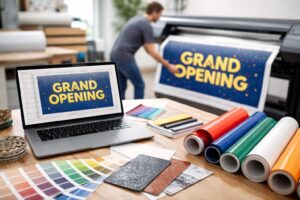
Designing and ordering custom marketing gifts follows a clear process that minimizes errors and accelerates fulfillment when steps are followed in sequence. Start by defining the campaign goal and audience, choose the product category that aligns with that objective, select an appropriate printing or engraving method for the design and substrate, prepare or request artwork files following supplier specs, review proofs carefully, and then approve production with an understanding of standard and rush turnaround options. Below is a concise ordered checklist to follow.
- Define the campaign goal and target audience.
- Choose the product type and preferred imprint method.
- Prepare artwork to supplier specifications and request a proof.
- Review and approve the proof, then select production speed (standard or rush).
- Track production and arrange shipment or local fulfillment logistics.
Following these steps reduces rework and clarifies expectations for delivery and cost, especially when timelines or personalization requirements are tight.
- Design Brief: A clear design brief reduces back-and-forth and speeds proof approval.
- Proof Review: Careful proof review prevents color and placement issues in production.
- Turnaround Awareness: Know the supplier’s standard and rush timelines to plan distribution.