
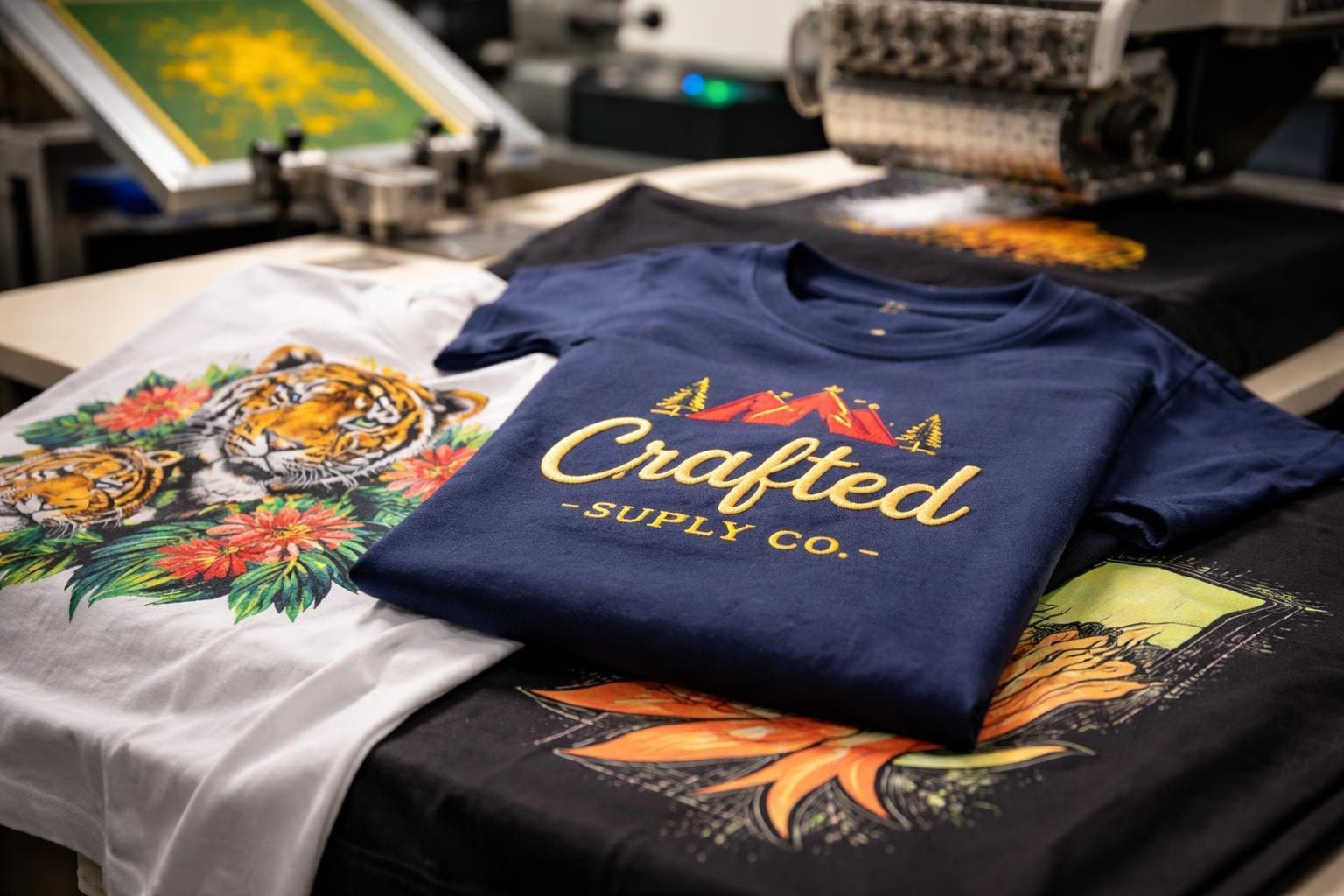
The specialty t shirt market has evolved dramatically over the past few years, transforming from simple printed garments into sophisticated fashion statements and powerful branding tools. Unlike standard off-the-shelf options, specialty t shirts incorporate unique printing methods, premium materials, and creative embellishments that set them apart. Whether you're creating promotional merchandise, building a clothing line, or designing memorable event apparel, understanding the nuances of specialty t shirt production can elevate your projects from ordinary to extraordinary.
Understanding What Makes a Specialty T Shirt Different
A specialty t shirt goes beyond basic screen-printed designs. These garments combine advanced printing techniques, unique materials, and creative embellishments to deliver exceptional results.
Key characteristics that define specialty t shirts include:
- Premium fabric selections like tri-blends, organic cotton, and performance materials
- Multi-technique applications combining screen printing with embroidery or foil
- Limited edition or small-batch production runs
- Complex color matching and Pantone-specific printing
- Specialized finishes such as puff ink, metallic effects, or discharge printing
The distinction matters because the custom T-shirt printing industry is experiencing significant growth, with projected revenues reaching $13.55 billion by 2029. This expansion reflects increasing consumer demand for personalized, high-quality apparel that stands out.
Material Selection for Premium Results
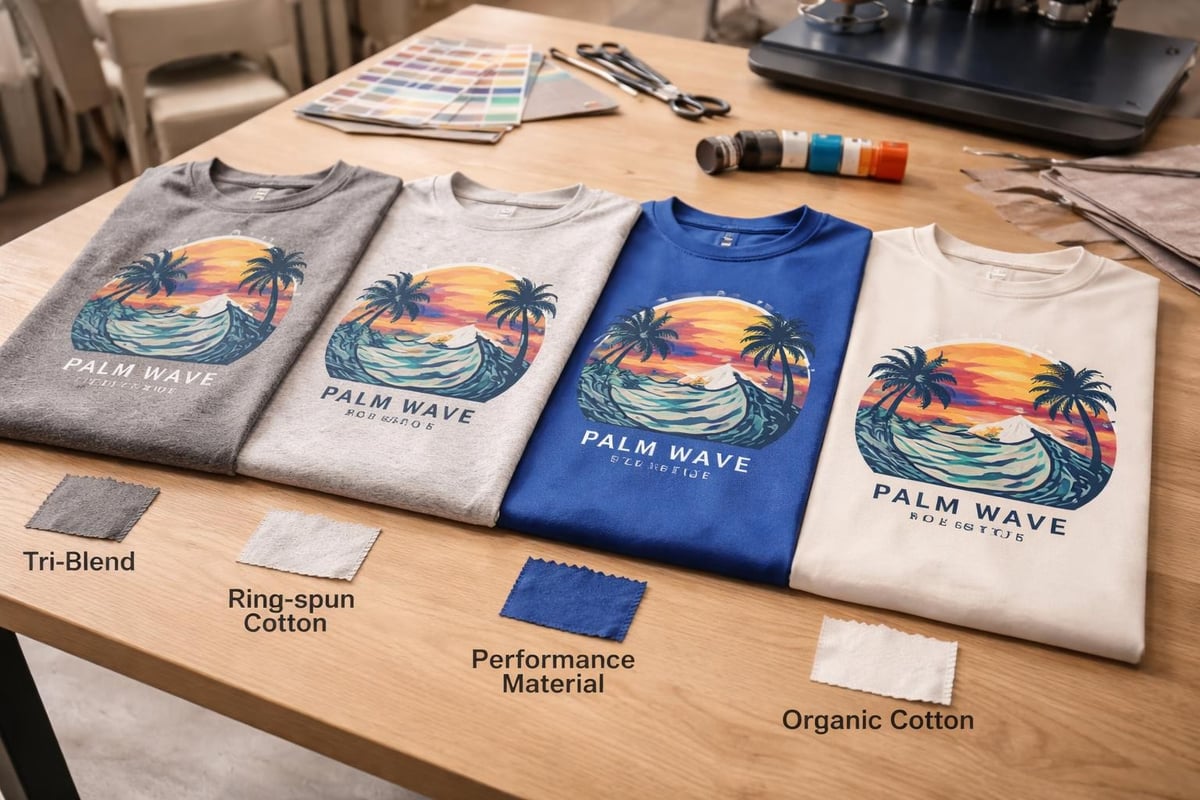
The foundation of any exceptional specialty t shirt starts with fabric selection. Premium materials provide better print surfaces, enhanced durability, and superior comfort.
Tri-blend fabrics combine polyester, cotton, and rayon to create incredibly soft garments with excellent drape. Ring-spun cotton offers a smoother surface ideal for detailed designs. Performance fabrics with moisture-wicking properties work perfectly for athletic or outdoor events.
| Fabric Type | Best For | Print Compatibility | Price Point |
|---|---|---|---|
| Tri-Blend | Retail, fashion lines | DTG, screen printing | Premium |
| Ring-Spun Cotton | Detailed designs | All techniques | Mid-range |
| Performance Poly | Athletic wear | Sublimation, DTG | Mid-to-Premium |
| Organic Cotton | Eco-conscious brands | Water-based inks | Premium |
Advanced Printing Techniques for Specialty T Shirts
The printing method dramatically impacts the final product's appearance, durability, and cost. Understanding when to use each technique ensures optimal results for every project.
Screen Printing for Vibrant Colors
Screen printing remains one of the most popular methods for specialty t shirt production, particularly for larger orders requiring bold, vibrant colors. This traditional technique pushes ink through mesh screens, creating thick, durable prints that withstand countless wash cycles.
For specialty applications, screen printing offers unique possibilities. Specialty inks include:
- Puff ink that creates three-dimensional raised designs
- Discharge ink that removes fabric dye for soft, breathable prints
- Metallic and glitter inks for eye-catching effects
- Glow-in-the-dark formulations for unique nighttime visibility
The process works exceptionally well when producing custom apparel in New York where fast turnarounds and high-volume orders are common. However, screen printing requires separate screens for each color, making it less cost-effective for small quantities with complex designs.
Direct-to-Garment for Photographic Quality
Direct-to-garment (DTG) printing has revolutionized specialty t shirt production by enabling full-color, photographic-quality designs without setup costs. This digital printing method sprays water-based inks directly onto fabric, similar to how desktop printers work on paper.
DTG excels at reproducing detailed artwork, gradients, and photographs that would be impossible or prohibitively expensive with screen printing. The technology works best on 100% cotton or high-cotton-content blends, where inks can properly bond with natural fibers.
When deciding between methods, consider comparing direct-to-garment printing versus screen printing based on your specific project requirements. Small quantities with complex designs favor DTG, while larger orders with simple graphics benefit from screen printing economics.
Embroidery for Dimensional Texture
Embroidery adds a premium, tactile dimension to specialty t shirts that printing alone cannot achieve. This technique uses threaded needles to create raised designs directly into fabric, producing durable, professional-looking results that communicate quality and permanence.
Embroidery works particularly well for:
- Corporate logos and branding
- Athletic team uniforms and spirit wear
- Premium retail apparel lines
- Polo shirts and business casual wear
- Caps and accessories coordinating with apparel
The process requires digitizing artwork into stitch files, which adds initial setup costs. However, custom embroidered apparel delivers unmatched durability and perceived value, making it worthwhile for professional applications and brand elevation.
Specialty T Shirt Embellishment Techniques
Beyond primary printing methods, various embellishment techniques transform ordinary specialty t shirts into truly unique pieces. These advanced applications add texture, dimension, and visual interest.
High-Density and 3D Effects
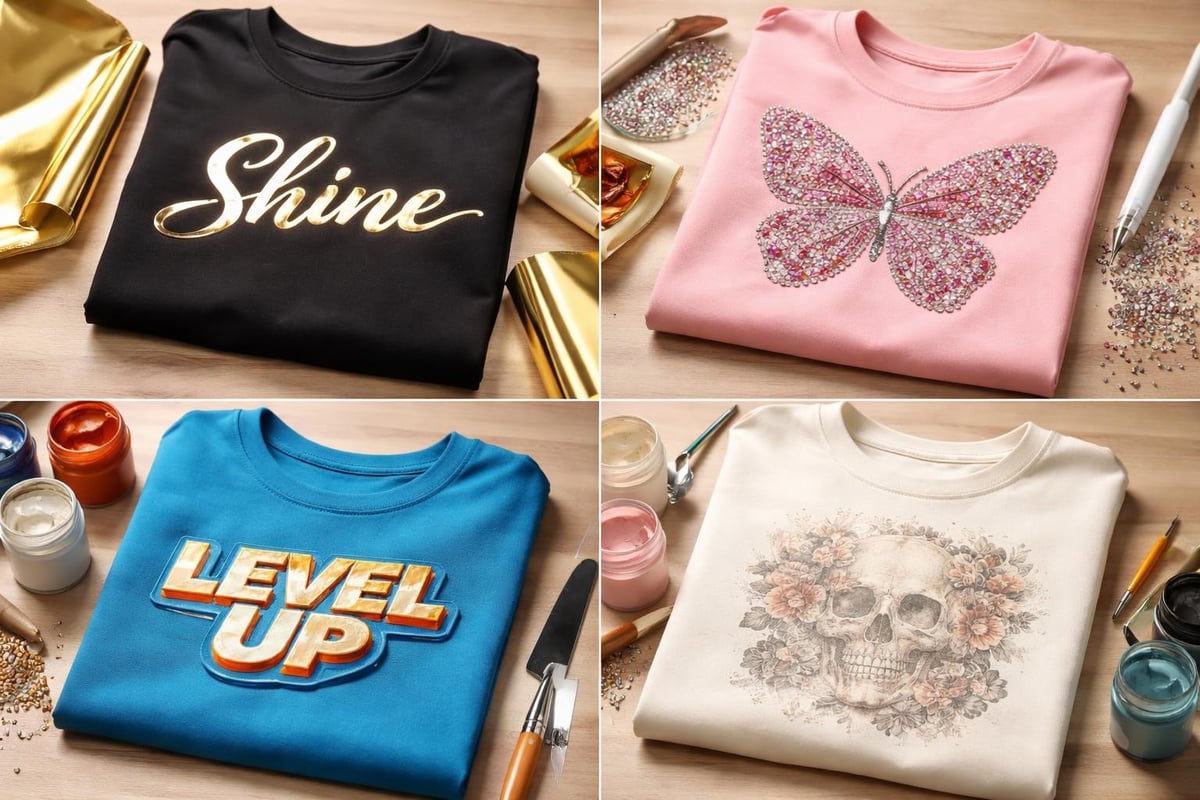
High-density printing creates raised designs that stand above the fabric surface. Multiple ink layers build up to create dimensional effects perfect for logos, text, and bold graphics. This technique combines screen printing's durability with eye-catching tactile appeal.
Three-dimensional puff printing uses special heat-activated inks that expand when cured, creating a soft, raised surface. This nostalgic 1990s technique has resurged in popularity for retro-inspired designs and streetwear applications.
Foil and Metallic Applications
Foil stamping applies reflective metallic finishes to create luxurious, attention-grabbing designs. Heat and pressure transfer thin metallic films onto fabric, producing brilliant gold, silver, holographic, or colored metallic effects impossible with standard inks.
Unique T-shirt embellishment techniques continue evolving with new materials and methods. Metallic inks offer similar shimmer without the dimensional texture of foil, while specialty glitter and holographic inks create sparkle effects suitable for youth apparel and entertainment merchandise.
Combination Techniques for Maximum Impact
The most impressive specialty t shirts often combine multiple techniques strategically. Embroidery paired with screen printing creates visual hierarchy and texture contrast. DTG printing with foil accents adds premium touches to photographic designs. Discharge printing beneath traditional inks produces soft, vintage-style graphics with vibrant color pops.
Current Market Trends in Specialty T Shirts
Understanding market trends helps businesses and designers create specialty t shirts that resonate with contemporary consumers. Several significant shifts are reshaping the industry in 2026.
Sustainability and Eco-Conscious Production
Environmental responsibility has moved from niche concern to mainstream expectation. Consumers increasingly seek specialty t shirts produced with sustainable materials and processes.
Key sustainability trends include:
- Organic and recycled cotton fabrics
- Water-based and eco-friendly inks
- Low-impact dye processes
- Carbon-neutral production and shipping
- Transparent supply chain practices
Current T-shirt industry trends emphasize that brands prioritizing sustainability gain competitive advantages with environmentally conscious consumers, particularly younger demographics driving purchasing decisions.
Personalization and On-Demand Production
Mass customization continues accelerating, with consumers expecting personalized products without premium pricing or long wait times. Technology enabling efficient small-batch and single-item production has democratized specialty t shirt creation.
| Production Model | Minimum Order | Turnaround Time | Cost per Unit | Best For |
|---|---|---|---|---|
| Traditional Bulk | 24-144+ pieces | 7-14 days | Lowest | Events, teams |
| Small-Batch Custom | 6-24 pieces | 3-7 days | Moderate | Retail testing |
| On-Demand Single | 1+ pieces | 24-48 hours | Highest | Personal use |
| Print-on-Demand | No minimum | Variable | Variable | E-commerce |
Businesses offering custom t-shirts with fast delivery meet growing consumer expectations for speed and convenience without sacrificing quality.
Technology Integration and Innovation
Digital printing technologies continue advancing, enabling new specialty t shirt possibilities. Improved DTG printers handle polyester blends more effectively, while hybrid systems combine screen printing efficiency with digital versatility.
Software improvements streamline design processes, with AI-powered tools helping customers visualize designs and automated systems optimizing production workflows. Examining the best printing methods for shirts reveals how technological advancement has expanded options for creating exceptional specialty apparel.
Creating Effective Specialty T Shirt Designs
Technical execution means nothing without compelling designs. Successful specialty t shirts balance artistic vision with production practicalities.
Design Considerations for Different Techniques
Each printing method has specific design requirements and limitations. Screen printing works best with solid colors and clear separations between elements. DTG handles gradients and photographic details but requires designs optimized for fabric printing. Embroidery needs simplified artwork with appropriate stitch counts.
Design optimization tips:
- Keep text readable at actual size (minimum 0.25 inches tall)
- Use appropriate line weights (at least 0.5 points for small details)
- Consider how colors interact with fabric base colors
- Account for garment seams and pocket placements
- Test designs on actual fabric samples before production
Understanding various T-shirt printing techniques helps designers create artwork optimized for specific production methods, ensuring final products match creative visions.
Color Selection and Matching
Color accuracy separates amateur from professional specialty t shirt production. Pantone color matching systems provide standardized references, though actual results vary based on fabric color, type, and printing method.
Dark fabrics require underbase layers when using light-colored inks, affecting final color appearance. Discharge printing creates softer results but works only on certain fabric types. Digital printing produces different color profiles than screen printing, requiring design adjustments.
Placement and Sizing Strategy
Design placement dramatically impacts visual impact and production costs. Traditional chest prints measure 3-4 inches wide for subtle branding or 12-14 inches for bold statements. Full-front designs maximize visual space but increase ink costs. Back prints allow larger graphics while maintaining professional front appearance.
Alternative placements like sleeve prints, pocket designs, or all-over patterns create distinctive specialty t shirts that stand out. However, specialized placements may increase production complexity and costs.
Business Applications for Specialty T Shirts
Specialty t shirts serve diverse business purposes beyond basic promotional merchandise. Strategic application enhances branding, revenue generation, and customer engagement.
Corporate Branding and Team Building
Companies use specialty t shirts to strengthen internal culture and external brand recognition. High-quality embroidered polos project professionalism for client-facing teams. Creative screen-printed designs build team spirit for internal events. Premium specialty t shirts given as gifts or incentives demonstrate employee appreciation.
Retail and Fashion Lines
Independent designers and established brands alike use specialty t shirts as core product offerings. Limited-edition releases with unique printing techniques create exclusivity and demand. Collaborations with artists or influencers generate buzz through distinctive specialty designs.
The custom T-shirt printing market research indicates continued growth through 2032, driven partly by small businesses and entrepreneurs entering the apparel market with specialized, niche-focused products.
Event and Promotional Merchandise
Concerts, festivals, conferences, and sporting events rely on specialty t shirts as revenue generators and lasting souvenirs. Multi-color designs with event-specific graphics create collectible items attendees treasure long after events conclude.
Charity runs and fundraisers use premium specialty t shirts to incentivize participation and sponsorship. The perceived value of high-quality apparel justifies higher ticket prices or donation levels compared to basic promotional items.
Production Considerations and Quality Control
Creating exceptional specialty t shirts requires attention to production details and rigorous quality standards throughout the process.
Pre-Production Planning
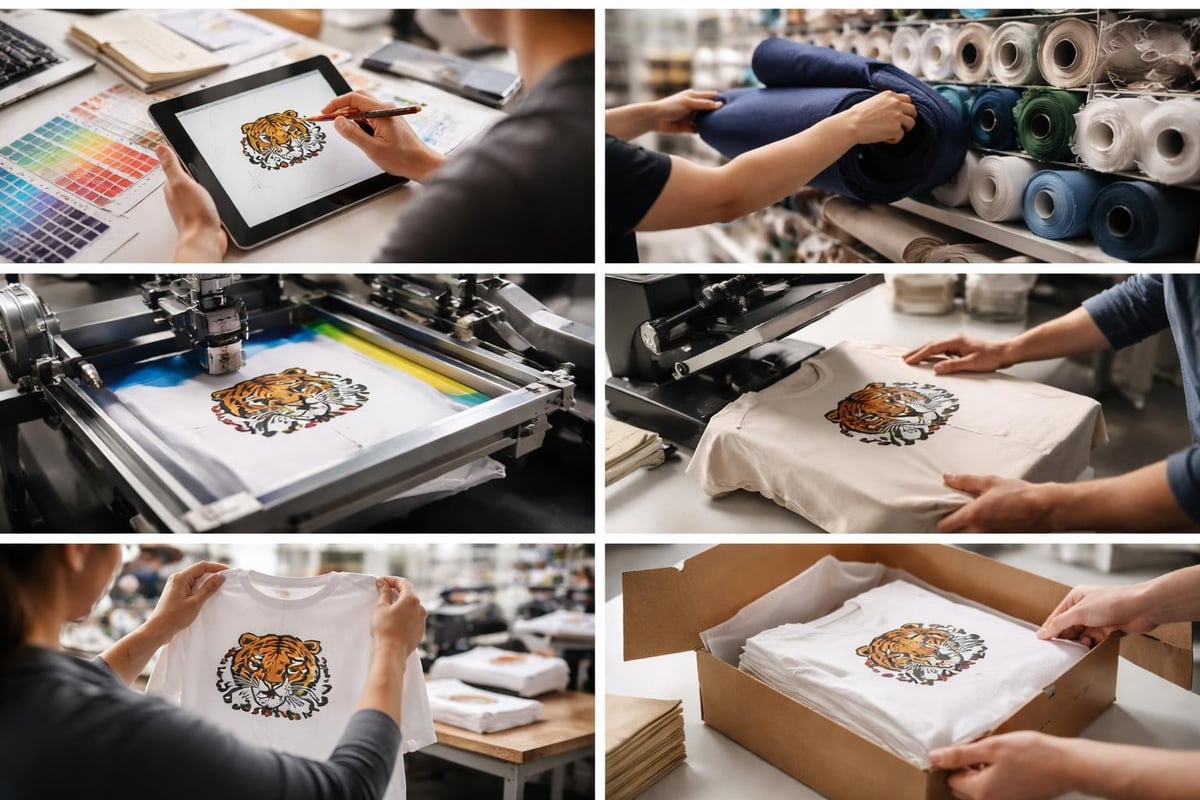
Successful projects begin with thorough planning. Sample production identifies potential issues before committing to full runs. Color proofs ensure client approval of actual printed colors, not just digital mockups. Fabric selection happens early, as material choices impact printing method suitability.
Timeline planning accounts for design finalization, production setup, printing, curing, quality inspection, and shipping. Rush orders require premium pricing to justify disrupting production schedules and potentially incurring overtime costs.
Quality Assurance Standards
Professional specialty t shirt producers implement systematic quality checks at multiple production stages. Pre-press inspection verifies artwork meets specifications. During production, periodic checks ensure consistent color, registration, and print quality. Post-production examination catches defects before shipping.
Critical quality checkpoints include:
- Ink adhesion and cure testing
- Color consistency across entire order
- Print registration and alignment accuracy
- Fabric inspection for defects or damage
- Final garment measurements and sizing verification
Packaging and Presentation
Premium specialty t shirts deserve presentation matching their quality. Folding techniques, tissue paper wrapping, custom hangtags, and branded packaging elevate perceived value. For retail applications, professional packaging transforms specialty t shirts from commodities into desirable products worthy of their premium pricing.
Pricing Strategy for Specialty T Shirts
Setting appropriate prices for specialty t shirts balances production costs, market positioning, and perceived value. Understanding cost components enables profitable pricing while remaining competitive.
Cost Components and Markup Structure
Base costs include blank garments, inks or thread, labor, overhead, and packaging. Setup fees for screen printing or embroidery digitizing must be recovered across order quantities. Specialty techniques like foil stamping or discharge printing add per-garment costs.
Industry-standard markups range from 2x to 5x production costs depending on market segment. Retail fashion brands command higher margins than wholesale promotional distributors. Small-quantity custom orders justify premium pricing due to setup cost allocation across fewer pieces.
Value-Based Pricing Approaches
Rather than cost-plus calculations, value-based pricing considers customer perception and willingness to pay. Limited-edition specialty t shirts with unique designs support premium pricing based on exclusivity. Corporate branding applications justify higher prices through professional appearance and durability.
Tracking specialty T-shirt market trends reveals consumer expectations and competitive pricing benchmarks for various market segments and applications.
Choosing the Right Production Partner
Selecting an appropriate production partner significantly impacts specialty t shirt project success. Different providers offer varying capabilities, minimums, and service levels.
Evaluating Production Capabilities
Assess potential partners based on their technical capabilities and equipment. Some specialize in high-volume screen printing, while others excel at small-batch DTG production. Embroidery capabilities vary in maximum stitch counts and thread color selections.
Request samples of previous work similar to your project requirements. Examine print quality, color vibrancy, and garment finishing. Verify they can source your preferred blank brands and styles.
Service Level Considerations
Beyond technical capabilities, service quality determines project satisfaction. Responsive communication, accurate quoting, realistic timelines, and problem-solving ability separate exceptional partners from mediocre ones.
Look for providers offering design assistance, not just production execution. Companies providing t-shirt graphic printing services with design support help transform concepts into production-ready artwork.
Local Versus Online Production
Local production offers relationship building, easier communication, and potential for in-person consultations. Online providers may offer broader capabilities or lower pricing through economies of scale. Hybrid approaches using local partners for rush projects and online sources for standard orders provide flexibility.
Creating exceptional specialty t shirts requires understanding advanced printing techniques, current market trends, and production best practices that transform ordinary garments into memorable apparel. Whether you're developing corporate branding, launching a retail line, or creating event merchandise, the right combination of materials, methods, and design execution delivers results that stand out. Custom 101 Prints brings decades of expertise in screen printing, embroidery, DTG, and specialty techniques to every project, offering New York businesses fast turnaround times and flexible order quantities without minimums. Ready to create specialty t shirts that exceed expectations? Let's bring your vision to life with professional custom printing services designed for your success.