
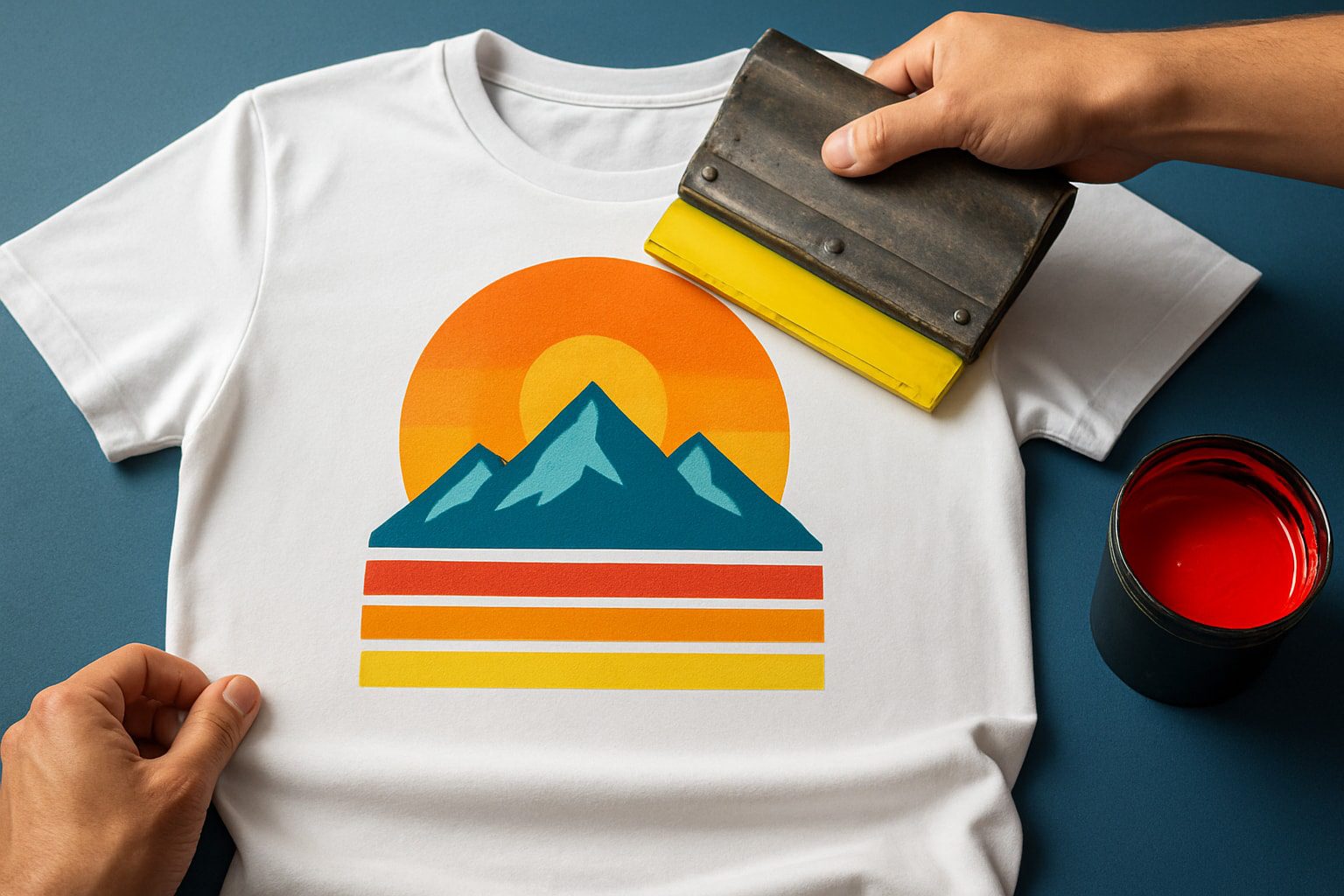
Imagine turning your boldest ideas into wearable statements with t shirt graphic printing. In 2026, creative expression meets advanced technology, making it easier than ever to bring unique designs to life.
This guide explores the most innovative t shirt graphic printing methods, from cutting-edge techniques to the latest design trends. Whether you are a business owner, artist, or design enthusiast, you will gain practical insights for success in the evolving apparel industry.
Discover emerging technologies, step-by-step workflows, eco-friendly solutions, and expert tips to help your vision stand out. Ready to elevate your approach and create high-quality results? Start your journey here.
The Evolution of T-Shirt Graphic Printing: 2026 Trends and Technologies
The world of t shirt graphic printing is experiencing a remarkable transformation as we approach 2026. Innovations in technology, sustainability, and design are shaping the future of custom apparel. Understanding these trends is essential for anyone looking to stay competitive and creative in this evolving industry.
Key Innovations in Printing Methods
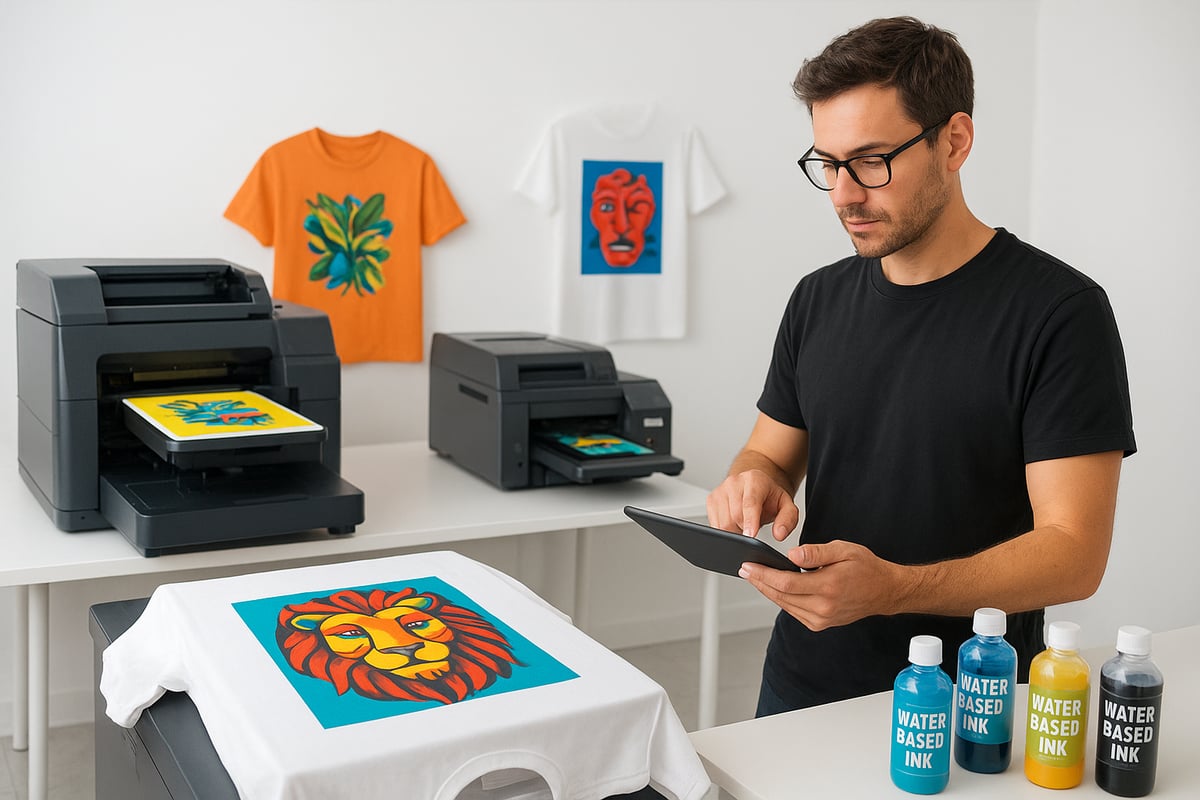
Recent years have seen rapid advancements in t shirt graphic printing methods. Screen printing remains a staple for its durability and vibrant results, but new twists are emerging. Direct-to-Garment (DTG) and Direct-to-Film (DTF) technologies now offer high-resolution prints with minimal setup, ideal for detailed artwork and short runs.
Hybrid solutions are gaining ground, blending the strengths of multiple methods to deliver both speed and quality. AI-driven tools are making color matching and design adjustments more accurate and efficient. Eco-friendly water-based inks, once limited in performance, are now being adopted for high-speed commercial production, meeting both quality and environmental standards.
Impact of Digital Transformation
Digital transformation is revolutionizing t shirt graphic printing at every stage. Cloud-based design platforms and mobile apps enable seamless collaboration between designers, clients, and printers, regardless of location. On-demand printing is becoming the norm, reducing inventory costs and allowing for greater personalization.
According to Technological Advancements in T-Shirt Printing, over 65 percent of custom apparel orders now use digital printing technologies, a testament to the sector’s rapid digital adoption. These tools not only streamline workflows but also open new possibilities for intricate, customized graphics.
Sustainability and Eco-Conscious Practices
Sustainability is a defining trend in t shirt graphic printing for 2026. Biodegradable inks and recyclable materials are increasingly favored by both brands and consumers. Leading companies are investing in energy-efficient equipment that minimizes water and power usage during production.
Digital workflow optimization is enabling some brands to achieve zero-waste production, as every print is made to order and excess materials are recycled. These practices not only reduce environmental impact but also appeal to a growing audience seeking responsible fashion choices.
Market Statistics and Consumer Preferences
The global market for t shirt graphic printing continues to expand, with strong growth projected through 2026. Consumers are driving demand for sustainable products, limited-edition releases, and artist collaborations.
Small-batch, locally produced t-shirt lines are gaining popularity, offering exclusivity and supporting community-based businesses. Shoppers increasingly value ethical production, unique designs, and the story behind each garment, influencing brands to innovate and differentiate.
Challenges and Opportunities
Despite exciting advancements, t shirt graphic printing faces challenges such as supply chain disruptions and material shortages. However, these hurdles are creating opportunities for small businesses and independent artists who can pivot quickly and leverage on-demand models.
Emerging technologies are leveling the playing field, making it easier for new entrants to compete with established brands. By embracing these tools and trends, entrepreneurs and creators can capture market share and bring fresh perspectives to the custom apparel space.
Step-by-Step Guide: From Concept to Printed T-Shirt
Transforming your creative vision into a finished product involves a well-defined process. This step-by-step guide covers every stage of t shirt graphic printing, from the initial spark of an idea to the final packaging of your custom tee. Follow these professional insights to achieve high-quality results and streamline your workflow.
Ideation and Design Creation
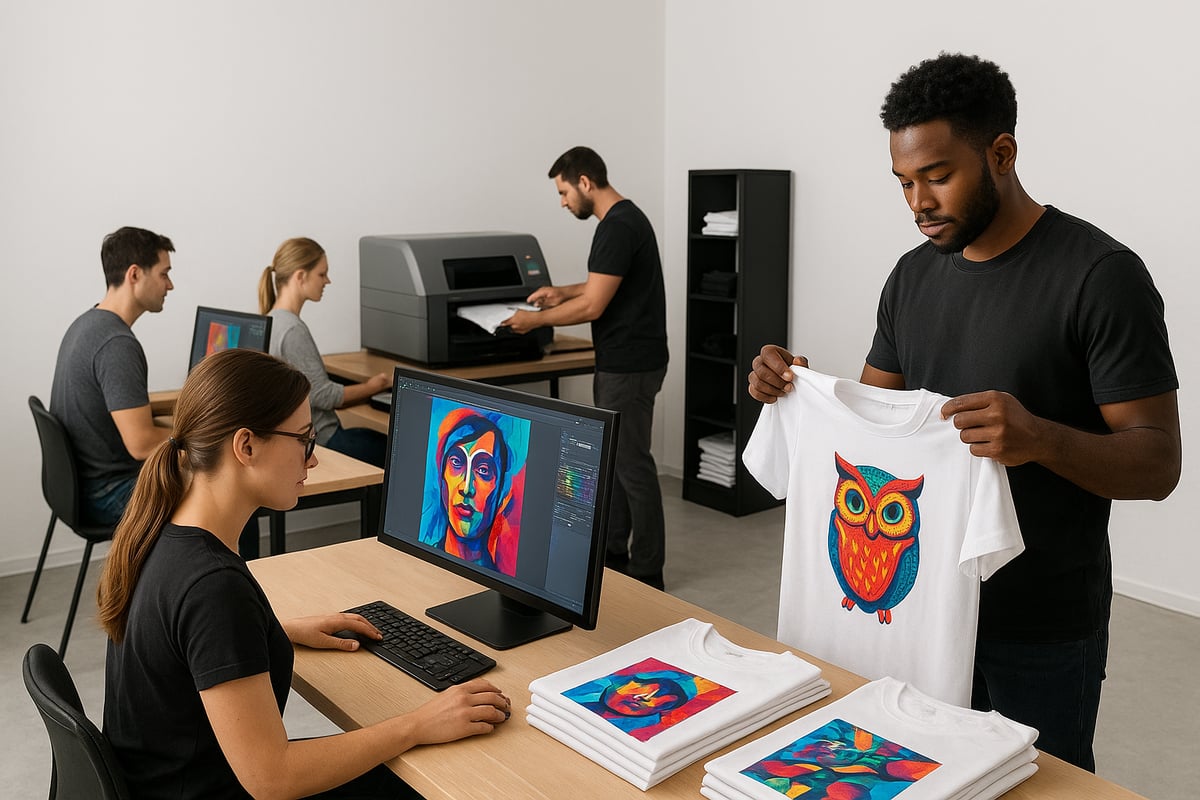
Every successful t shirt graphic printing project starts with a clear concept. Begin by brainstorming ideas that align with your brand identity and resonate with your target audience. Consider current trends, themes, and the intended message or emotion behind your design.
Select the right design software for your workflow. Adobe Illustrator is ideal for vector-based graphics, while Procreate and Canva offer user-friendly options for both beginners and professionals. When creating artwork, always use high-resolution files and set up your color profiles to ensure accurate print results.
To speed up the process and meet tight deadlines, many creators use digital platforms that enable quick mockups and feedback loops. For instance, the Design T-Shirts with Fast Delivery service demonstrates how streamlined workflows can bring your vision to life faster. This approach is essential for those aiming for efficiency in t shirt graphic printing projects.
Choosing the Right Printing Method
Selecting the optimal printing technique is a critical step in t shirt graphic printing. The right method depends on your design, budget, fabric choice, and desired print quality.
Here is a quick comparison of popular printing methods:
| Method | Best For | Pros | Cons |
|---|---|---|---|
| Screen Printing | Bold, simple designs | Durable, vibrant colors | Not ideal for small orders |
| DTG | Complex, photo images | Full color, no setup fees | Works best on cotton fabrics |
| DTF | Versatile applications | High detail, flexible placement | Requires special films |
| Sublimation | All-over prints | Soft feel, vivid colors | Limited to polyester fabrics |
For photo-realistic prints, DTG is a strong choice, while screen printing excels with bold graphics. Always match your method to the project’s unique needs for the best t shirt graphic printing outcome.
Preparing Artwork for Production
Once your design is finalized, prepare the artwork to meet printing specifications. T shirt graphic printing requires files in the correct format, such as AI, PSD, PNG, or TIFF. Ensure all layers are flattened and use transparent backgrounds when appropriate.
If your design includes multiple colors, perform color separation and create an underbase layer for vibrant prints on dark fabrics. Use a mockup generator to visualize the design on different t-shirt styles and colors before sending it to production.
Proofing is crucial at this stage. Share digital proofs with clients or collaborators for approval. Address any feedback to guarantee the artwork is ready for seamless t shirt graphic printing.
Selecting T-Shirt Blanks and Materials
Your choice of t-shirt blank greatly affects the final result of t shirt graphic printing. Consider fabric types such as 100% cotton, cotton-poly blends, performance fabrics, or organic textiles. Each material interacts differently with inks and impacts comfort, durability, and print vibrancy.
Before ordering, assess sizing options, fit (unisex, women’s, youth), and style (crew neck, v-neck, long sleeve). High-quality blanks ensure that printed graphics remain crisp and colors stay true after washing.
For eco-conscious projects, opt for organic or recycled materials. Always request samples to test how your chosen t shirt graphic printing method performs on the selected fabric.
Printing and Quality Control
With artwork and materials ready, proceed to the production phase. Depending on your chosen t shirt graphic printing technique, steps may include screen setup, DTG or DTF printing, or sublimation transfer.
During printing, conduct regular quality checks. Inspect alignment, color accuracy, and ink coverage. Perform wash and stretch tests on sample prints to identify potential issues early.
Common challenges include ghosting, misprints, or color bleed. If problems arise, pause production and troubleshoot immediately to maintain high standards in t shirt graphic printing.
Post-Production Finishing and Packaging
After printing, finalize each garment with essential finishing steps. Cure or heat-press the prints to ensure durability and wash resistance. Add branded tags, labels, or custom packaging as desired.
Choose eco-friendly packaging materials that reflect your brand’s values and protect the product during shipping. Organize orders by size and design, and prepare them for retail display or direct shipment.
Attention to detail at this stage elevates the customer experience and reinforces the quality of your t shirt graphic printing. Double-check every item before dispatch to minimize errors and build long-term client trust.
Creative Inspiration: Design Ideas and Artistic Approaches
Unlocking creative inspiration is at the heart of t shirt graphic printing success. As the industry evolves, artists and brands are pushing boundaries with fresh design ideas and innovative artistic approaches. Exploring new styles, colors, and technologies ensures your prints stand out in 2026.
Popular Graphic Styles for 2026
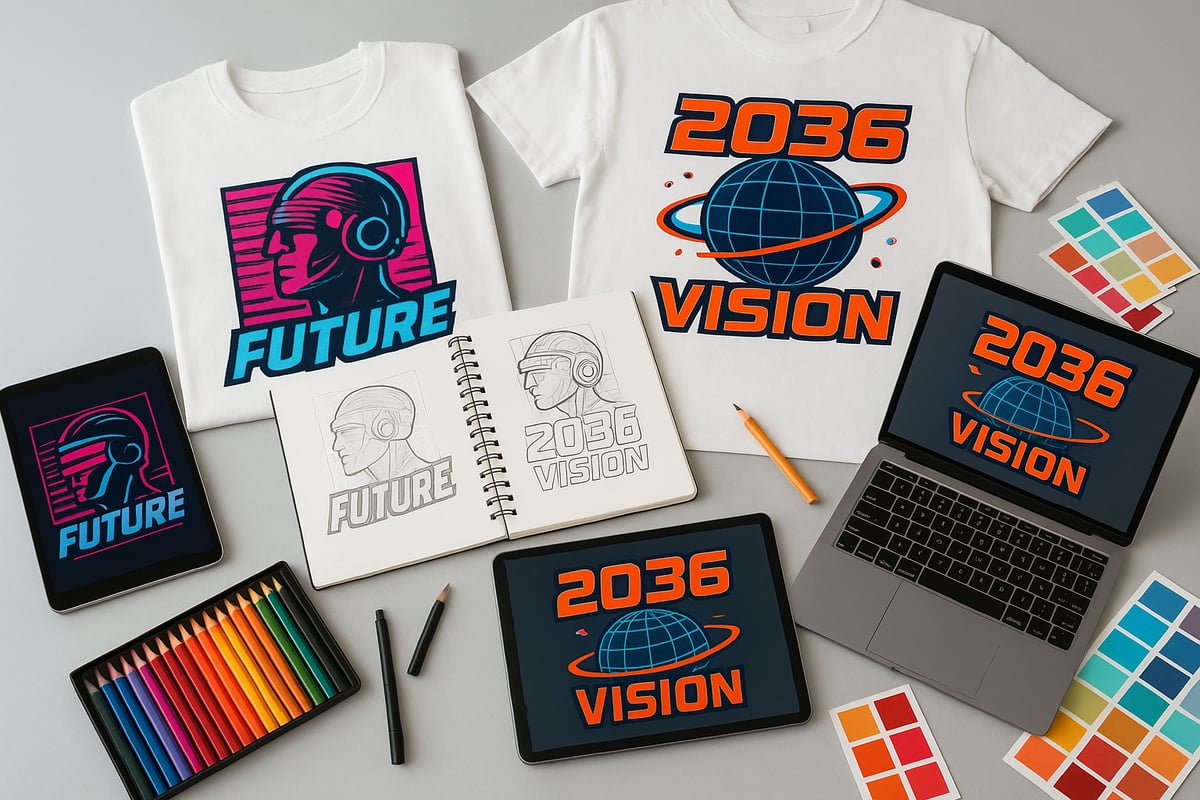
Design trends in t shirt graphic printing for 2026 are all about bold statements and interactive experiences. Expect to see oversized typography, vibrant retro influences, and graphics that merge streetwear with pop culture. Augmented reality (AR)-enabled prints are gaining traction, letting wearers bring their shirts to life through smartphone apps.
Cultural influences are also shaping the scene, as designers draw inspiration from social causes and local communities. Limited-edition artist collaborations are on the rise, offering unique wearable art. For a deeper dive into what’s next, check out the Emerging T-Shirt Design Trends for 2026 for more creative direction.
Color Palettes and Visual Impact
The color palette you choose for t shirt graphic printing can make or break your design’s appeal. Industry forecasts for 2026 highlight energetic hues like digital lavender, neo-mint, and electric blue, balanced by minimalist neutrals. High-contrast combinations remain popular, especially for bold streetwear looks.
A quick comparison of color approaches:
| Style | Example Colors | Impact |
|---|---|---|
| High-Contrast | Black & neon yellow | Eye-catching |
| Minimalist | Soft beige & pale gray | Subtle, modern |
| Retro | Burnt orange & teal | Nostalgic vibe |
Choosing the right palette for t shirt graphic printing ensures your designs resonate with your target audience and stay on trend.
Incorporating Technology in Design
Technology is transforming how artists approach t shirt graphic printing. Interactive graphics with QR codes or NFC chips can connect wearers to digital content or exclusive experiences. AI-generated art is opening new creative frontiers, offering unique patterns and rapid customization.
Brands are increasingly using AR to make t shirt graphic printing interactive. For instance, scanning a shirt with a mobile app can reveal animations or hidden messages. These innovations create memorable experiences and set your apparel apart in a competitive market.
Sourcing Inspiration and Collaborating
Finding inspiration for t shirt graphic printing is easier than ever thanks to online platforms. Sites like Behance, Dribbble, and Instagram showcase a range of styles and techniques from global creators. Collaboration with independent artists or running crowdsourced design contests can infuse fresh perspectives into your collection.
Community-driven projects and limited-edition drops generate excitement, foster brand loyalty, and encourage customer engagement. Involving your audience in the creative process can lead to truly original t shirt graphic printing outcomes.
Avoiding Common Design Pitfalls
Even the best ideas in t shirt graphic printing can stumble without careful execution. Overcrowded layouts and illegible typography are frequent issues that reduce visual impact. Poor color contrast can make prints hard to read, while incorrect placement affects overall appeal.
To ensure originality, always check for copyright conflicts and avoid replicating popular motifs. Maintain a balance between creativity and clarity, and review designs on multiple garment sizes before moving to production. These steps help your t shirt graphic printing projects achieve both uniqueness and professional polish.
Quality, Durability, and Customer Satisfaction
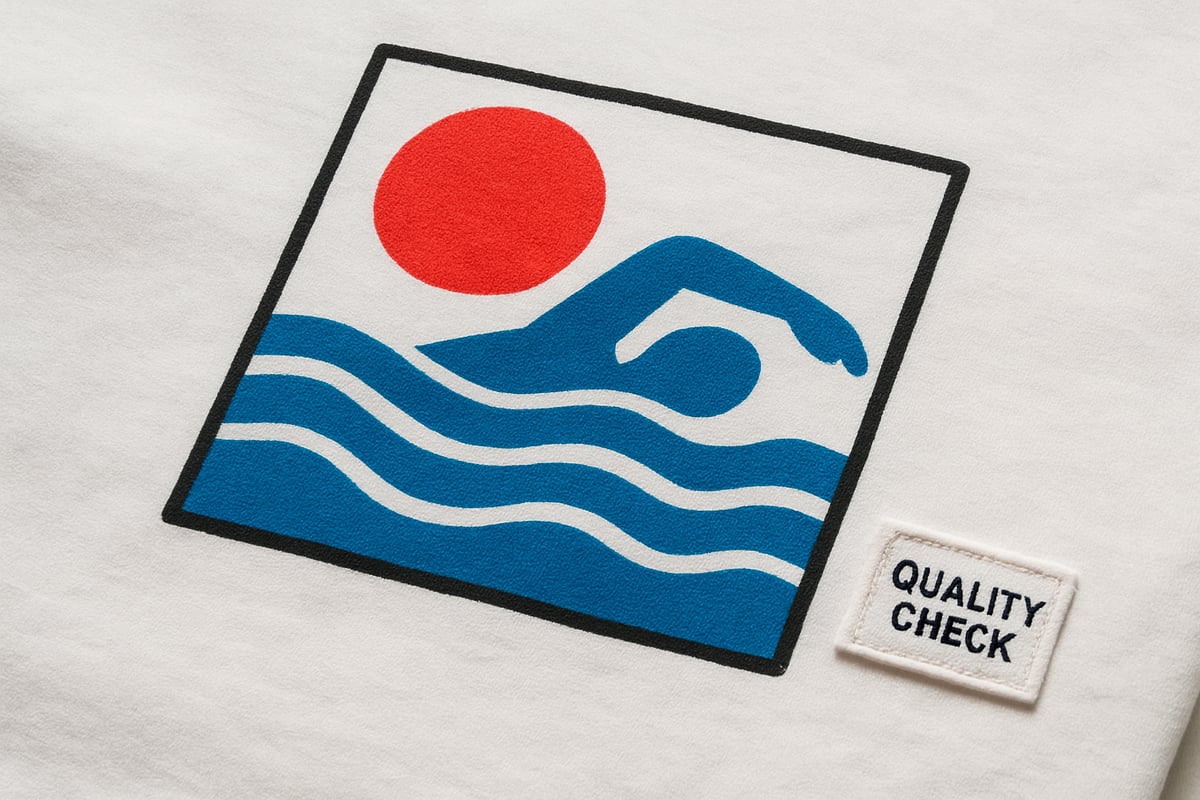
Delivering exceptional quality in t shirt graphic printing is crucial for building trust and repeat business. Every stage, from ink selection to packaging, impacts the print's longevity and the customer's overall satisfaction. Let us explore the key factors shaping quality, durability, and client experience in today's competitive market.
Factors Influencing Print Longevity
The durability of t shirt graphic printing depends on several factors, including ink type, curing process, and fabric quality. Water based inks often yield a softer feel and are eco friendly, while plastisol inks offer superior opacity and wash resistance. Curing temperature and time must be carefully controlled to ensure prints resist fading and cracking.
Choosing between DTG and screen printing can influence how long a design lasts. For a deeper comparison of print longevity and performance, see this DTG vs. Screen Printing Comparison. Always consider fabric shrinkage, as it can stress and distort the graphic over time.
Testing and Quality Assurance
Rigorous testing is essential in t shirt graphic printing to ensure every batch meets expectations. Common tests include repeated wash cycles, stretch tests, and abrasion resistance checks. Quality control at each production stage helps reduce defects, such as misalignments or color inconsistencies.
Implement regular inspections for color accuracy, alignment, and ink adhesion. Keep detailed records to track issues and identify recurring problems. Consistent standards are key to minimizing return rates due to print quality concerns.
Customer Feedback and Iterative Improvement
Listening to customer feedback is vital for refining t shirt graphic printing processes. Collect reviews through online platforms, surveys, or direct communication. Analyze feedback to pinpoint recurring themes, such as print durability or sizing accuracy.
Use this information to adjust production techniques, improve materials, and enhance design selection. Iterative improvements not only solve problems but also foster brand loyalty. Satisfied customers are more likely to recommend your service and become repeat buyers.
Packaging and Presentation
First impressions matter in t shirt graphic printing. Well designed, branded packaging enhances perceived value and creates a memorable unboxing experience. Use eco friendly materials whenever possible to align with consumer preferences.
Options include recycled boxes, compostable mailers, and custom tags. Ensure each shirt is folded neatly and protected from moisture or damage during transit. A thoughtful presentation can set your brand apart and boost customer satisfaction.
Handling Returns and Common Issues
Clear return and exchange policies are critical for custom t shirt graphic printing businesses. Address common concerns like print defects, sizing errors, or order discrepancies promptly and professionally. Provide easy to follow instructions for returns to minimize customer frustration.
Reduce return rates by offering detailed product descriptions, accurate sizing guides, and transparent communication. Proactive support and hassle free solutions help turn potential negatives into positive experiences, strengthening your reputation for reliability.
Sustainability and Ethical Considerations in T-Shirt Printing
Sustainability is now central in t shirt graphic printing, shaping industry standards for materials, production, and brand reputation. Eco-conscious consumers expect transparency and responsibility at every stage. Let’s explore how the industry is embracing sustainable and ethical practices for a cleaner, fairer future.
Eco-Friendly Materials and Inks
T shirt graphic printing is shifting toward greener inputs. Organic cotton, recycled polyester, and innovative fibers like bamboo or hemp are now widely used. These materials reduce environmental impact by using less water and fewer pesticides.
Water-based and biodegradable inks further minimize pollution and health risks. Many brands now choose GOTS-certified textiles to guarantee organic origins and responsible processing. As highlighted in Sustainable Printing Practices in 2025, industry leaders are adopting eco-friendly inks and energy-saving technologies to meet rising sustainability demands.
- Organic cotton: soft, renewable, and pesticide-free
- Recycled polyester: reduces plastic waste
- Water-based inks: safer for workers and the environment
Reducing Waste and Resource Use
Efficient production is essential for sustainable t shirt graphic printing. Print-on-demand models eliminate excess inventory, cutting down both waste and storage needs. Digital printing methods use less water and energy compared to traditional bulk production.
Streamlined processes—such as smart fabric cutting and eco-friendly packaging—further reduce resource consumption. Brands adopting digital workflows also lower their carbon footprint while enabling quick, custom orders.
A recent industry shift shows more businesses moving toward zero-waste operations by optimizing every step, from design to packaging. Choosing the right method can make a measurable difference for both the planet and your bottom line.
Fair Labor and Transparent Supply Chains
Ethical t shirt graphic printing also means fair treatment for workers throughout the supply chain. Transparent sourcing ensures that materials come from suppliers who pay fair wages and provide safe working conditions.
Certifications help consumers identify responsible brands:
| Certification | Focus |
|---|---|
| Fair Trade | Worker welfare |
| OEKO-TEX | Safe textiles |
| GOTS | Organic process |
Some companies publicly share their supply chain details, showing commitment to social responsibility. This level of openness not only builds trust but also sets a higher standard for the entire industry.
Consumer Education and Brand Storytelling
Sustainable t shirt graphic printing is most effective when customers understand the journey behind each product. Brands use storytelling to highlight eco-friendly initiatives and ethical decisions.
Clear communication about materials, processes, and certifications helps shoppers make informed choices. Sharing behind-the-scenes content, impact statistics, or personal stories creates emotional connections and drives loyalty.
Transparency is not just good ethics—it’s a powerful marketing tool. When consumers see authentic sustainability efforts, they’re more likely to trust and support your brand.
Expert Tips for Success in T-Shirt Graphic Printing
Unlocking success in t shirt graphic printing requires more than artistic talent. It demands a keen understanding of workflow, marketing strategies, pricing, and trend analysis. With 2026 just around the corner, industry leaders are refining their processes to stay ahead. Use these expert tips to streamline your operation and produce standout results.
Mastering Design-to-Print Workflow
Efficiency is the foundation of successful t shirt graphic printing. Streamline your workflow by integrating automation tools and cloud-based design platforms. This approach reduces manual errors and speeds up production. For example, using online proofing platforms allows for rapid client approvals and precise feedback.
Incorporating advanced printing methods, such as those discussed in Screen Printing in New York Insights, ensures your processes remain competitive. Consider these workflow essentials:
- Use file management systems for easy design retrieval
- Set up automated color matching and pre-press checks
- Schedule regular equipment maintenance to avoid downtime
By optimizing each stage, your t shirt graphic printing output remains consistent and high quality.
Marketing and Selling Your Printed Tees
Building an online presence is essential for reaching new audiences in the t shirt graphic printing market. Invest in a professional website, engaging social media profiles, and high-quality product photography. Storytelling can set your brand apart, making your designs more memorable.
Influencer marketing is a proven strategy. According to Custom T-Shirt Printing Market Growth Projections, the industry is expected to see significant growth through 2034, driven by digital channels and personalized experiences. Consider these marketing tactics:
- Collaborate with influencers for reach and credibility
- Use customer testimonials and reviews to build trust
- Launch limited-edition drops to drive urgency
Effective marketing ensures your t shirt graphic printing business is visible and in demand.
Pricing Strategies and Profit Margins
Accurate pricing is crucial for profitability in t shirt graphic printing. Begin by calculating all costs, including materials, labor, overhead, and shipping. Set prices that reflect value while remaining competitive in the market.
A simple pricing formula is:
Retail Price = (Cost of Goods + Labor + Overhead) x Desired Profit Margin
Offer discounts or promotions selectively, ensuring they do not erode your margins. Monitor competitor pricing and adjust as needed. Transparent pricing builds customer confidence and supports business growth.
Staying Ahead of Trends
Stay informed on industry developments to keep your t shirt graphic printing business relevant. Follow leading design blogs, social media, and competitor launches for inspiration and insight. Participating in design challenges and attending trade shows can spark creativity and open networking opportunities.
Continuous learning is key. Subscribe to industry reports and join professional groups to exchange knowledge. By anticipating trends and adapting quickly, you maintain an innovative edge in the t shirt graphic printing landscape.