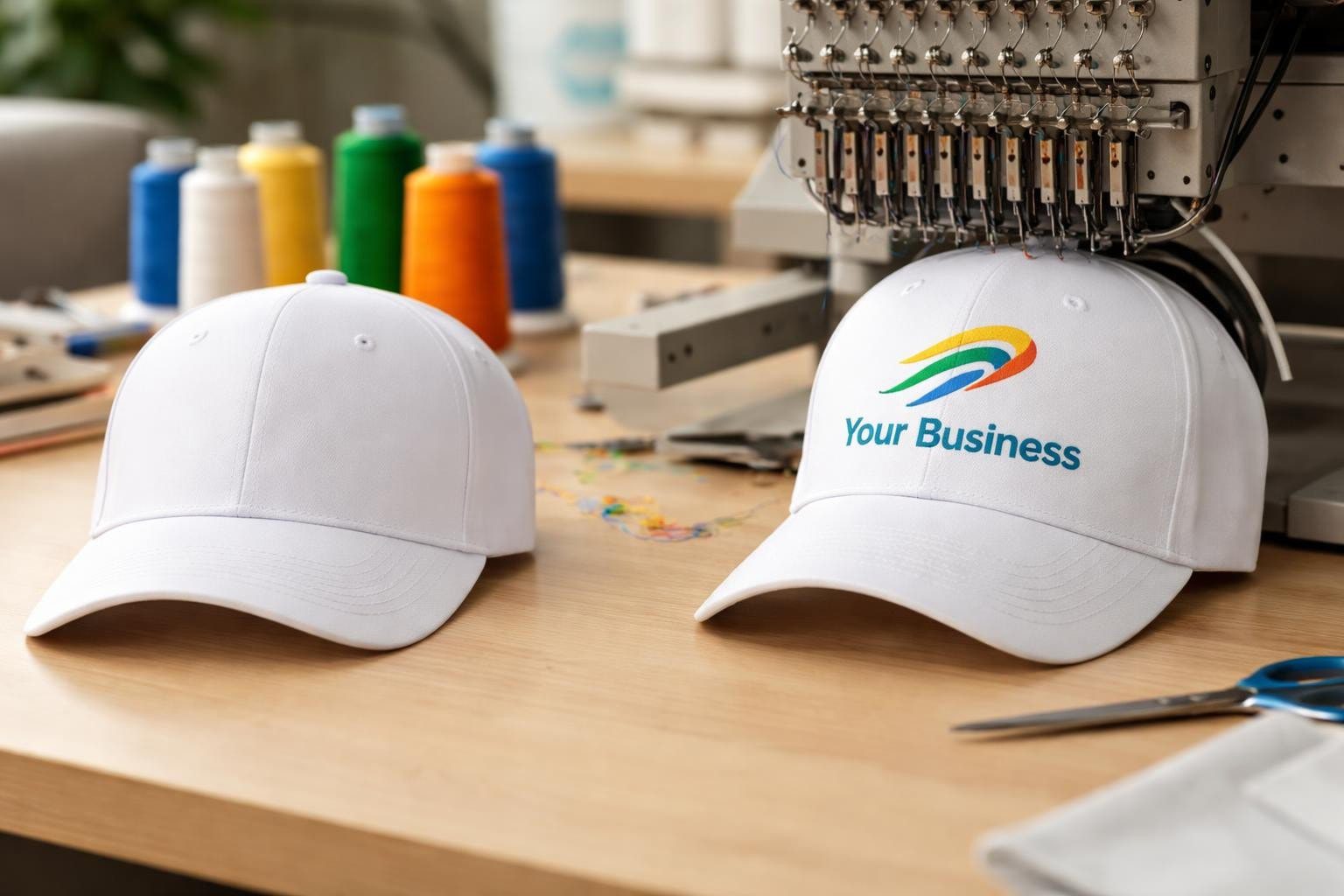
Embroidered hats have become one of the most effective branding tools for businesses, organizations, and individuals seeking durable, professional-looking custom headwear. Unlike printed designs that can fade or crack over time, embroidered hats offer a three-dimensional texture and premium appearance that elevates any logo or design. Whether you're outfitting a corporate team, creating merchandise for your brand, or designing promotional giveaways, understanding the nuances of hat embroidery ensures you make informed decisions that maximize both visual impact and return on investment.
Why Embroidered Hats Remain the Gold Standard
The enduring popularity of embroidered hats stems from their superior quality and longevity compared to other decoration methods. Embroidery creates a tactile, raised design that adds depth and dimension to any logo or text. This technique has proven itself across industries, from construction companies needing durable workwear to tech startups building brand recognition at conferences.
Key advantages of choosing embroidery include:
- Exceptional durability that withstands hundreds of wash cycles
- Professional appearance that elevates brand perception
- Versatility across different hat styles and fabrics
- Resistance to fading, cracking, or peeling
- Premium feel that increases perceived value
The headwear manufacturing process involves careful consideration of materials, construction techniques, and decoration methods. When you select embroidery, you're choosing a method that has stood the test of time while adapting to modern design capabilities.
Understanding Thread Count and Stitch Density
Thread count and stitch density significantly impact the final appearance and durability of embroidered hats. Higher stitch counts create fuller, more detailed designs but require more time and expertise to execute properly. A typical logo might use between 5,000 and 15,000 stitches depending on size and complexity.
Stitch density considerations:
- Light density (3-4 stitches per millimeter): Best for large, simple designs
- Medium density (4-5 stitches per millimeter): Standard for most logos
- Heavy density (5-6 stitches per millimeter): Ideal for text and detailed work
- Extra-heavy density (6+ stitches per millimeter): Reserved for specialty applications
Finding the right balance prevents puckering or distortion while ensuring your design maintains its integrity through regular wear and washing. Professional embroiderers understand how different fabrics respond to various stitch densities and can adjust accordingly.
Choosing the Right Hat Style for Embroidery
Not all hat styles accept embroidery equally well. The structure, fabric composition, and crown shape all influence how effectively your design translates from digital file to finished product. Structured hats with firm front panels provide the most stable surface for intricate embroidery work.
Popular Hat Styles for Custom Embroidery
| Hat Style | Best For | Embroidery Area | Difficulty Level |
|---|---|---|---|
| Structured 6-Panel | Corporate logos, detailed designs | Large front panel | Easy |
| Unstructured Dad Hat | Casual brands, lifestyle companies | Smaller front area | Medium |
| Trucker/Mesh Back | Outdoor brands, casual promotions | Front foam panel | Easy |
| Flat Brim Snapback | Urban brands, retail merchandise | Large flat surface | Easy |
| Beanie/Knit Cap | Winter promotions, outdoor companies | Center front or side | Difficult |
| Bucket Hat | Fashion brands, festival merchandise | Multiple placement options | Medium |
The traditional sombrero demonstrates how cultural headwear has long featured elaborate embroidery as both decoration and storytelling. While modern business applications differ significantly, the principle remains: quality embroidery transforms ordinary headwear into memorable pieces.
Placement Options and Design Considerations
Standard embroidery placement includes the front center panel, side panels, and back of the hat. Each location offers unique branding opportunities and technical considerations. Front center placement provides maximum visibility but requires careful sizing to avoid overwhelming the design or appearing too small.
Side embroidery works beautifully for secondary logos, website URLs, or taglines. Back placement has gained popularity for social media handles and hashtags, especially among younger demographics. Some brands even embrace full customization with embroidery on all available surfaces for premium promotional items.
Design Elements That Translate Well to Embroidery
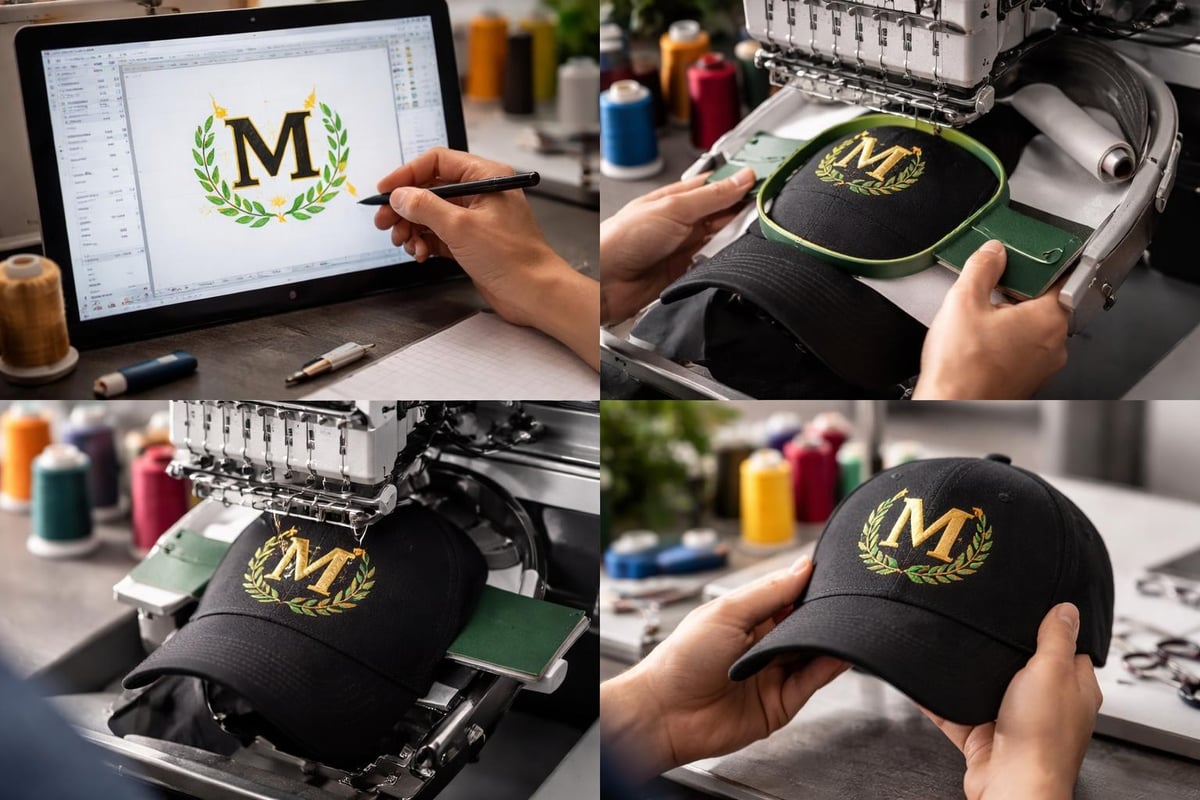
Converting your logo or design concept to embroidery requires understanding the medium's capabilities and limitations. Unlike screen printing or direct-to-garment, embroidery works best with designs that feature clear lines, solid fills, and limited color gradients. The hat embroidery process begins with digitizing, where designers convert artwork into stitch files that embroidery machines can read.
Design elements to emphasize:
- Bold, clean typography with minimum 6-point font sizes
- Simple shapes with defined edges
- Limited color palette (typically 7-12 colors maximum)
- Appropriate negative space between elements
- Scalable designs that work at various sizes
Elements to avoid or modify:
- Extremely thin lines under 1mm thickness
- Complex gradients or photorealistic images
- Very small text under 0.25 inches in height
- Overly intricate details that become muddy when stitched
- Excessive color changes that increase production time
Color Selection and Thread Matching
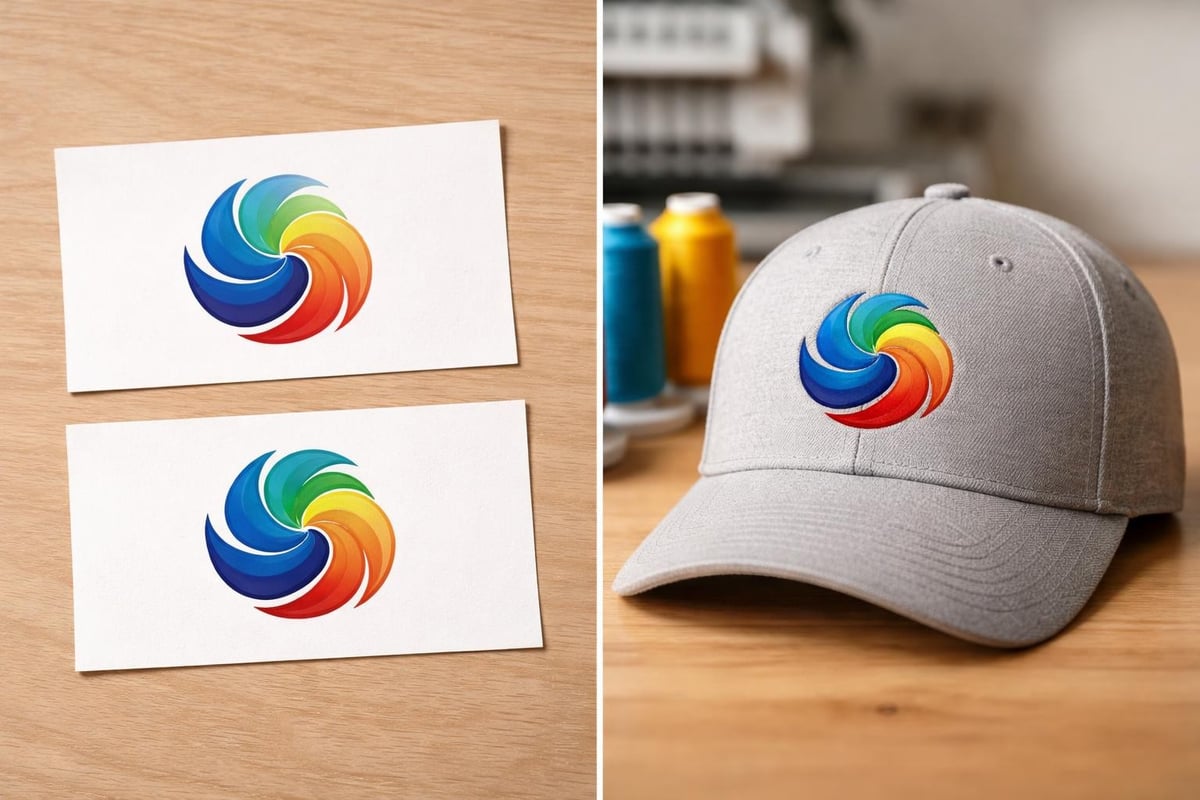
Thread color selection requires more nuance than simply matching Pantone colors. Embroidery thread has unique properties including sheen, texture, and how it catches light. Polyester thread, the industry standard, offers excellent colorfastness and durability while maintaining vibrant appearance through countless washes.
Most embroidery operations maintain libraries of hundreds of thread colors, but exact matches to specific brand colors may require custom dye lots for large orders. Working with experienced professionals at Custom 101 Prints ensures your brand colors translate accurately to thread selections while accounting for how stitched designs appear versus flat printed colors.
Material Considerations for Long-Lasting Results
The hat fabric itself plays a crucial role in embroidery quality and longevity. Different materials accept embroidery differently, with some providing excellent stability while others require additional backing or preparation. Cotton twill, polyester blends, and structured canvas all serve as reliable bases for quality embroidery work.
Fabric Types and Their Embroidery Properties
Cotton and cotton blends offer natural breathability and comfortable wear while providing a stable surface for embroidery. They require appropriate stabilizer backing to prevent puckering but generally produce excellent results with proper technique.
Polyester fabrics deliver superior moisture-wicking properties and color retention. Their synthetic nature provides excellent stability for embroidery while resisting shrinkage and fading. Many performance-oriented brands prefer polyester for both functional and aesthetic reasons.
Mesh materials present unique challenges due to their open weave structure. Embroidering on mesh requires expertise to prevent thread show-through and maintain design integrity. Trucker hats typically feature foam front panels that accept embroidery well, with mesh only on the back portions.
The relationship between fabric weight and embroidery density determines final product quality. Lightweight fabrics need lighter stitch densities to prevent puckering, while heavy canvas can support denser stitching for more detailed designs. Understanding these relationships separates amateur work from professional results.
Business Applications and Branding Strategies
Embroidered hats serve multiple business functions beyond simple brand visibility. They function as employee uniforms, customer appreciation gifts, promotional merchandise, and retail products. Each application requires different approaches to design, quantity, and quality standards.
Corporate Identity and Team Unity
Companies across industries use embroidered hats to build cohesive team identity. When employees wear matching branded headwear, they become walking advertisements while fostering internal team spirit. Construction companies, landscaping businesses, and service providers particularly benefit from this dual-purpose branding approach.
Professional embroidery elevates corporate identity beyond casual printed alternatives. The dimensional quality and premium appearance signal attention to detail and commitment to quality, values that extend to how customers perceive the entire organization. This subtle psychological impact shouldn't be underestimated when building brand equity.
Promotional Products and Marketing Campaigns
| Application | Recommended Style | Typical Quantity | Best Design Approach |
|---|---|---|---|
| Trade Show Giveaways | Unstructured caps | 500-1,000+ | Simple logo, single color |
| Employee Onboarding | Structured 6-panel | 25-100 | Full logo, multiple colors |
| Customer Appreciation | Premium snapback | 100-500 | Full branding, quality focus |
| Retail Merchandise | Fashion-forward styles | Varies widely | Trendy designs, bold colors |
| Event Sponsorship | Sport-specific styles | 200-1,000 | Event branding plus logo |
Custom logo printing trends continue evolving, but embroidered hats remain constant favorites due to their versatility and perceived value. Recipients actually wear quality embroidered hats, unlike many promotional items that end up discarded or forgotten.

Quality Factors That Separate Premium from Standard
Not all embroidered hats deliver the same quality level. Several factors distinguish premium work from budget alternatives, and understanding these differences helps you make informed purchasing decisions. The quality of both the base hat and the embroidery work itself determine long-term satisfaction and brand representation.
Base Hat Quality Indicators
Construction quality starts with proper stitching along seams, consistent panel alignment, and reinforced stress points. Premium hats feature double-stitched seams, quality buckram in structured styles, and properly finished edges. These details ensure the hat maintains its shape through years of regular wear.
Hardware and closures reveal quality levels immediately. Metal eyelets, adjustable leather straps, and quality plastic snapbacks indicate attention to detail. Cheap plastic closures that break after minimal use or metal pieces that rust quickly undermine even excellent embroidery work.
Fabric quality manifests in colorfastness, hand feel, and durability. Premium fabrics resist fading, maintain shape after washing, and feel substantial without being heavy. Testing involves checking fabric density, examining weave consistency, and assessing overall construction integrity.
Embroidery Execution Standards
Professional embroidery exhibits tight, consistent stitching with no thread breaks, proper tension throughout the design, and clean starts and stops. The back of the embroidery should show organized thread paths with trimmed jump stitches rather than tangled messes. Quality operators take pride in both the visible design and the hidden technical execution.
Registration accuracy ensures multi-color designs align perfectly. Even slight misalignment creates unprofessional appearances that damage brand perception. Premium embroidery maintains perfect registration across all colors and elements.
Edge definition separates amateur from professional work. Clean edges with properly executed underlay stitching prevent fraying and maintain design integrity through hundreds of washes. Ragged edges or loose threads indicate rushed work or inadequate technical expertise.
Customization Options Beyond Basic Logo Embroidery
Modern embroidery technology enables customization levels that were impossible just a decade ago. While basic logo placement remains most common, advanced techniques create unique products that stand out in crowded markets. These specialized approaches command premium pricing while delivering exceptional brand differentiation.
Advanced Embroidery Techniques
3D puff embroidery creates raised designs by stitching over foam underlays. This technique produces dramatic visual impact perfect for bold logos and text. The raised effect catches light differently than flat embroidery, adding another dimension to brand presentation. Sports teams and streetwear brands frequently leverage this technique for maximum impact.
Appliqué embroidery combines fabric pieces with stitching to create textured, multi-dimensional designs. This approach reduces stitch counts for large filled areas while adding visual interest through material contrast. The technique proves especially effective for designs requiring large solid areas that would otherwise require excessive stitch density.
Metallic and specialty threads offer shimmer and visual interest beyond standard polyester thread options. Gold, silver, and other metallic threads catch light beautifully but require expert handling due to their delicate nature. Similarly, specialty threads like glow-in-the-dark or reflective options create unique effects for specific applications.
Embroidered patches represent another customization avenue, allowing removable or interchangeable branding on the same base hat. This approach works well for organizations wanting flexibility or collector-focused merchandise strategies.
Personalization and Individual Customization
Individual name embroidery transforms standard team hats into personalized items that recipients treasure. While adding individual names increases production complexity and cost, the personal connection created often justifies the investment. Employee appreciation programs and special team recognition benefit tremendously from this personal touch.
Number embroidery serves sports teams, league sponsors, and competitive organizations. Combining team logos with individual player numbers creates professional-looking gear that builds team identity while honoring individual contributions. The technical requirements differ from text embroidery due to number formatting and placement considerations.
Ordering Considerations and Minimum Quantities
Understanding the economics of custom embroidery helps set realistic expectations and budget appropriately. While Custom 101 Prints offers no minimum order requirements, embroidery costs generally decrease on a per-unit basis as quantities increase due to setup costs being distributed across more units.
Cost Factors in Custom Embroidery
- Design digitization: One-time fee for converting artwork to embroidery files ($25-$75 typically)
- Setup and programming: Machine setup time for each production run
- Stitch count: Higher stitch counts require more thread and machine time
- Color changes: Each additional color adds complexity and cost
- Hat base cost: Quality blank hats range from budget to premium pricing
- Special techniques: 3D puff, appliqué, or specialty threads cost more
Typical pricing tiers:
- Small orders (1-24 units): Higher per-unit cost, minimal commitment
- Medium orders (25-99 units): Moderate per-unit pricing, good for teams
- Large orders (100-499 units): Lower per-unit cost, ideal for events
- Bulk orders (500+ units): Best per-unit pricing, wholesale opportunities
The manufacturing process for custom embroidered caps varies between providers, but understanding typical workflows helps set realistic timeline expectations. Quality work requires adequate production time, though rush services often exist for premium fees.
Quality Control and Approval Processes
Professional custom printing operations implement rigorous quality control measures throughout production. These processes protect both the producer's reputation and the customer's brand integrity. Understanding typical quality checkpoints helps you evaluate potential providers and set appropriate expectations.
Production Approval Stages
Digital proof approval allows you to review how your design will be digitized before any embroidery begins. This critical step catches sizing issues, color mismatches, or design elements that won't translate well to stitching. Never skip this approval stage, regardless of timeline pressures.
Strike-off or sample production involves creating one or several sample hats for physical approval before running full production. For large orders or critical branding applications, this additional step prevents costly mistakes and ensures complete satisfaction with the final product.
In-process inspection monitors production quality as the order progresses. Quality operators check tension, thread breaks, registration accuracy, and overall appearance throughout production runs. This ongoing vigilance maintains consistency across all units rather than discovering issues only after completion.
Final inspection before shipping ensures every hat meets established quality standards. This includes checking embroidery quality, hat construction, proper placement, and overall appearance. Reputable providers reject substandard units rather than shipping questionable quality hoping customers won't notice.
Care and Maintenance for Longevity
Proper care extends the life of embroidered hats significantly while maintaining their professional appearance. Educating recipients on appropriate maintenance practices protects your brand investment and ensures your logo continues representing your organization well through years of wear.
Washing and Cleaning Best Practices
Hand washing provides the gentlest cleaning method for embroidered hats. Using cool water and mild detergent, gently clean soiled areas without aggressive scrubbing that could damage stitching or distort the hat shape. Air drying maintains structure better than machine drying.
Machine washing can work for durable embroidered hats when using proper techniques. Place hats in protective mesh bags, use gentle cycles with cold water, and always air dry. Never use hot water or high heat, as these can damage both the fabric and embroidery threads.
Spot cleaning addresses minor soiling without full washing. A damp cloth with mild soap removes most common stains while minimizing stress on the embroidery and hat structure. This approach proves ideal for maintaining hats between deep cleanings.
Storage considerations prevent deformation and damage during non-use periods. Store hats in cool, dry locations away from direct sunlight. Maintain shape by stuffing crowns with acid-free tissue paper or using proper hat forms. Avoid crushing or compressing hats under heavy items.
Industry Applications Across Sectors
Different industries leverage embroidered hats in unique ways that align with their specific needs and customer expectations. Understanding these sector-specific applications reveals the versatility and broad appeal of quality custom headwear.
Hospitality and Food Service
Restaurants, hotels, and catering companies use embroidered hats as part of staff uniforms that project professionalism while maintaining practicality. Kitchen staff, servers, and front-of-house personnel all benefit from branded headwear that's both functional and presentable. The durability of embroidery withstands demanding commercial laundry requirements that would destroy printed alternatives.
Construction and Trades
Hard hat liners and baseball caps with embroidered company logos serve practical functions while building brand visibility. Construction sites become mobile advertisements when crews wear matching branded headwear. The durability requirements in these demanding environments make embroidery the only practical decoration method.
Technology and Startups
Tech companies embrace embroidered hats as both employee perks and conference giveaways. The casual nature of tech culture aligns perfectly with quality branded caps, while the premium embroidery signals the company's commitment to quality and attention to detail. Many successful startups build cult followings partly through distinctive branded merchandise.
Retail and Fashion
Fashion-forward brands create embroidered hats as retail products themselves, not just promotional items. These designs often feature minimalist logos, artistic interpretations of brand elements, or collaborations with artists. The embroidery adds premium positioning that justifies higher retail pricing compared to printed alternatives.
Exploring unique corporate gifts reveals how embroidered hats fit within broader promotional strategies, often anchoring gift packages or serving as the centerpiece of appreciation programs.
Environmental Considerations and Sustainability
Growing environmental consciousness influences purchasing decisions across all product categories, including promotional merchandise. Understanding the sustainability aspects of embroidered hats helps align purchasing with corporate values while appealing to environmentally aware customers and employees.
Sustainable Material Options
Organic cotton hats provide eco-friendly alternatives to conventional cotton, using farming practices that avoid synthetic pesticides and fertilizers. While slightly more expensive, organic options appeal to environmentally conscious organizations and align with sustainability initiatives.
Recycled polyester creates performance fabrics from post-consumer plastic bottles and other recycled sources. These materials deliver the same moisture-wicking and durability benefits as virgin polyester while reducing environmental impact. Many manufacturers now offer recycled content options across their product lines.
Hemp blends combine durability with sustainability, as hemp requires minimal water and no pesticides to grow. While less common in mainstream headwear, hemp-blend options exist for organizations prioritizing environmental credentials alongside functionality.
Production and Longevity Factors
The environmental impact of any product extends beyond material sourcing to include production processes, transportation, and product lifespan. Embroidered hats score favorably on longevity, as quality embroidery outlasts printed alternatives by years. This extended useful life reduces the need for frequent replacement, ultimately decreasing environmental impact despite potentially higher initial resource investment.
Local production reduces transportation emissions while supporting regional economies. Working with screen printing companies and embroidery providers in your area minimizes the carbon footprint associated with shipping while often enabling faster turnaround times and easier communication.
Technology Integration and Future Trends
The embroidery industry continues evolving through technological advancement and changing consumer preferences. Understanding emerging trends helps businesses stay ahead while making informed decisions about custom headwear investments.
Digital Integration and Smart Features
Some manufacturers now offer NFC chips or QR codes embedded in hat tags, enabling digital interaction with physical products. Scanning these codes might reveal product authentication information, unlock exclusive content, or connect wearers with brand communities. While still emerging, these technologies represent potential future directions for promotional merchandise.
Augmented reality applications could enable virtual try-on experiences or interactive brand storytelling triggered by viewing embroidered designs through smartphone cameras. As AR technology becomes more mainstream, expect innovative applications that blend physical embroidered products with digital experiences.
Design and Style Evolution
Fashion trends influence even practical promotional items like embroidered hats. Current movements toward vintage aesthetics, oversized fits, and unconventional placement create opportunities for brands willing to experiment beyond traditional approaches. Staying aware of style trends ensures your branded headwear resonates with target audiences rather than appearing dated.
Customization expectations continue increasing as consumers grow accustomed to personalized products across categories. The ability to offer individual personalization at reasonable costs and timelines will increasingly differentiate providers and create competitive advantages.
Modern laser engraving services complement embroidery capabilities, enabling mixed-media approaches that combine traditional embroidery with contemporary engraving techniques for truly unique results.
Embroidered hats represent a powerful intersection of tradition and innovation, delivering timeless branding impact through proven techniques enhanced by modern technology. Whether you need a single custom piece or thousands of promotional items, understanding quality factors, design considerations, and application strategies ensures successful outcomes that enhance your brand presence. Custom 101 Prints brings decades of embroidery expertise to every project, offering personalized service, no minimum orders, and fast turnaround times that meet your specific needs. Ready to create embroidered hats that perfectly represent your brand? Visit Custom 101 Prints today to start your custom embroidery project with New York's trusted printing experts.