Creating custom shirts doesn't have to drain your budget. Whether you're launching a startup, organizing a team event, or building a personal brand, knowing how to create a shirt cheap while maintaining quality can make all the difference. The custom printing industry has evolved dramatically, offering multiple methods and strategies that balance affordability with professional results. Understanding which techniques, materials, and ordering approaches work best for your specific needs will help you maximize value without compromising on the finished product.
Understanding Budget-Friendly Printing Methods
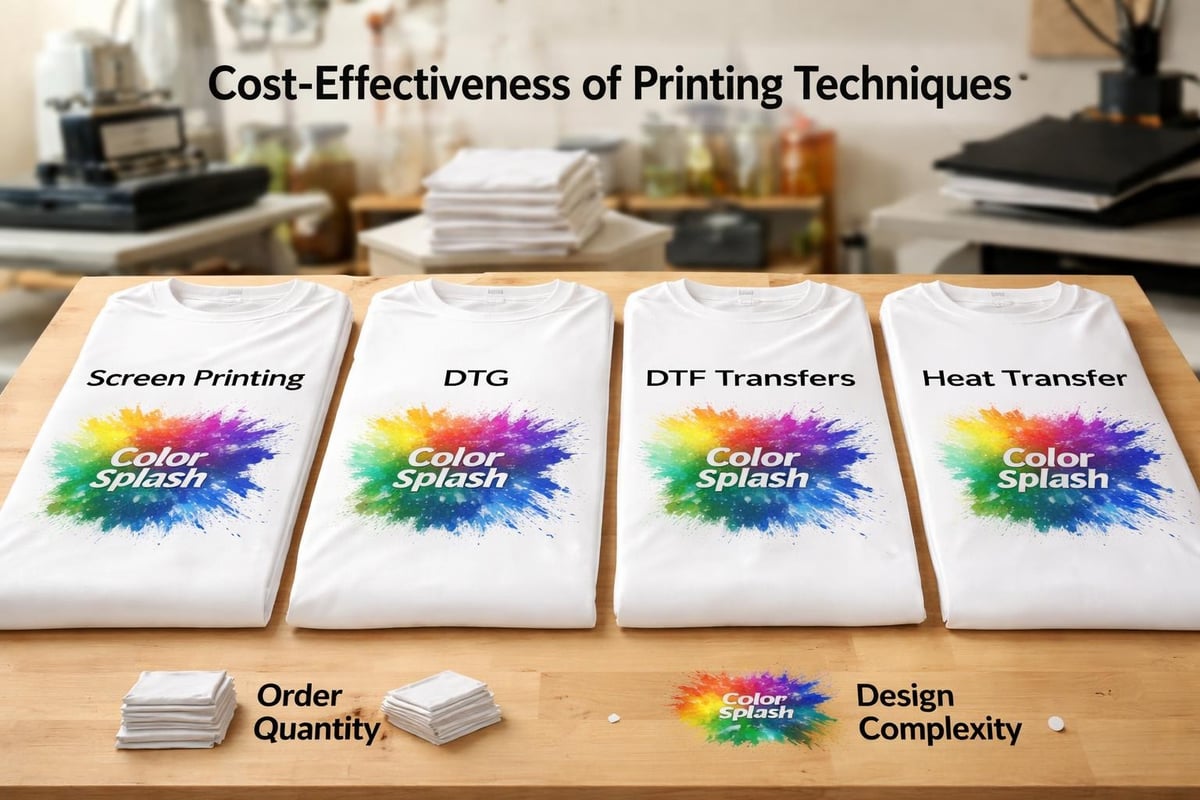
The printing method you select directly impacts your per-shirt cost. Different techniques suit different order sizes, design complexities, and budget constraints.
Screen Printing for Volume Orders
Screen printing remains one of the most economical options when you need multiple shirts with the same design. This traditional method creates screens for each color in your design, making setup costs higher initially but dramatically reducing per-unit costs as quantity increases.
Key advantages of screen printing include:
- Durability that outlasts most other methods
- Vibrant colors that resist fading
- Cost efficiency for orders of 50+ shirts
- Compatibility with various fabric types
The breakeven point typically occurs around 24-48 shirts, depending on design complexity. If you're ordering fewer items, exploring alternative printing methods might prove more economical.
Direct-to-Garment Printing for Small Batches
Direct-to-garment (DTG) technology has revolutionized how businesses create a shirt cheap in small quantities. This digital printing method works like an inkjet printer, applying designs directly onto fabric without setup fees or minimum orders.
DTG proves ideal when you need just a few shirts or want to test designs before committing to larger runs. The technology handles complex, multi-color designs without additional charges per color, making it perfect for detailed artwork or photographic images. According to experts in affordable custom t-shirt printing, DTG offers exceptional quality for orders under 25 units.
DTF Transfers as a Versatile Alternative
Direct-to-film (DTF) transfers have emerged as a game-changer for budget-conscious creators. This method prints designs onto special film, then transfers them to garments using heat and pressure. DTF transfer printing services offer flexibility across fabric types, including polyester, cotton blends, and even leather.
The process eliminates many traditional barriers to affordable custom printing. You can order transfers in any quantity, store them indefinitely, and apply them as needed. This approach particularly benefits businesses testing new designs or managing inventory efficiently.
Smart Design Strategies That Reduce Costs
Your design choices significantly impact production expenses. Strategic planning helps you create a shirt cheap without sacrificing visual impact.
Simplify Your Artwork
Complex designs with multiple colors, gradients, and fine details increase costs across all printing methods. Screen printing charges per color, while DTG and DTF use more ink for intricate patterns.
Cost-saving design principles:
- Limit your color palette to 1-3 colors
- Use solid fills instead of gradients
- Avoid extremely small text or thin lines
- Choose vector graphics over raster images
- Embrace negative space creatively
Research on how to design a shirt on a budget emphasizes that simpler designs often create stronger visual statements while reducing production costs by 30-50%.
Strategic Placement Decisions
Print location affects pricing more than many realize. Single-location prints (front chest or full front) cost significantly less than designs requiring front and back printing or sleeve additions.
| Print Location | Relative Cost | Best Use Case |
|---|---|---|
| Single chest logo | Lowest | Professional/corporate wear |
| Full front design | Low-Medium | Event shirts, casual wear |
| Front + back | Medium-High | Comprehensive branding |
| All-over print | Highest | Premium merchandise |
Consider whether your message really needs multiple print locations. Often, a well-executed single placement creates more impact than scattered elements across the garment.
File Preparation Matters
Submitting print-ready artwork saves money on design fees and revision charges. Most printing services charge for file cleanup, color separation, or converting low-resolution images.
Essential file requirements:
- Vector formats (AI, EPS, PDF) for logos and text
- Minimum 300 DPI for raster images
- CMYK color mode rather than RGB
- Properly outlined fonts
- Correct sizing for intended print area
Professional printers like those offering screen printing in New York can guide you through file specifications during consultation.
Choosing the Right Garment Base
The blank shirt you select represents a substantial portion of your total cost. Understanding garment tiers helps you create a shirt cheap while meeting quality expectations.
Understanding Fabric Grades
Blank t-shirts range from economy to premium, with significant price variations:
Economy tier ($2-4 per shirt): Thinner fabric, basic construction, limited color options. Suitable for single-use events, giveaways, or situations where longevity isn't critical.
Mid-range tier ($4-8 per shirt): Better durability, softer hand feel, wider style variety. Ideal for team uniforms, merchandise sales, or recurring events where shirts receive moderate wear.
Premium tier ($8-15+ per shirt): Superior fabrics like ringspun cotton, retail-quality construction, extensive sizing. Best for branded merchandise, gifts, or situations demanding maximum comfort and longevity.
For most applications, mid-range garments offer the best balance. They feel quality without premium pricing, helping you create a shirt cheap while maintaining recipient satisfaction.
Fabric Composition Considerations
Cotton, polyester, and blends each carry different price points and printing characteristics:
| Fabric Type | Cost Level | Print Quality | Best Applications |
|---|---|---|---|
| 100% Cotton | Medium | Excellent (DTG, Screen) | Casual wear, comfort priority |
| 100% Polyester | Low-Medium | Best (Sublimation) | Athletic wear, performance needs |
| Cotton/Poly Blend | Low | Good (all methods) | Budget-conscious, versatility |
| Tri-Blend | Medium-High | Excellent (DTG) | Premium feel, retail sales |
Guidance from experts in inexpensive custom t-shirts suggests that 50/50 cotton-polyester blends often provide the best value proposition for those seeking to create a shirt cheap without obvious quality compromises.
Bulk Ordering and Timing Strategies
Order quantity and timing dramatically influence per-unit pricing. Strategic planning maximizes savings.
Volume Discount Structures
Nearly every printing service offers tiered pricing based on quantity. Understanding these thresholds helps you optimize order sizes.
Typical discount tiers:
- 1-11 shirts: Full retail pricing
- 12-23 shirts: 10-15% discount
- 24-49 shirts: 20-25% discount
- 50-99 shirts: 30-35% discount
- 100+ shirts: 40%+ discount
Even if you don't need 50 shirts immediately, ordering larger quantities for inventory often costs less than placing multiple small orders. Services with no minimum order requirements provide flexibility while still offering volume incentives.
Group Order Coordination
Combining orders with friends, colleagues, or community members unlocks volume pricing while distributing costs. This approach works particularly well for:
- School or club events
- Family reunions
- Neighborhood initiatives
- Startup teams pooling resources
According to research on smart tips for ordering custom t-shirts, coordinated group orders can reduce individual costs by 40-60% compared to solo purchases.
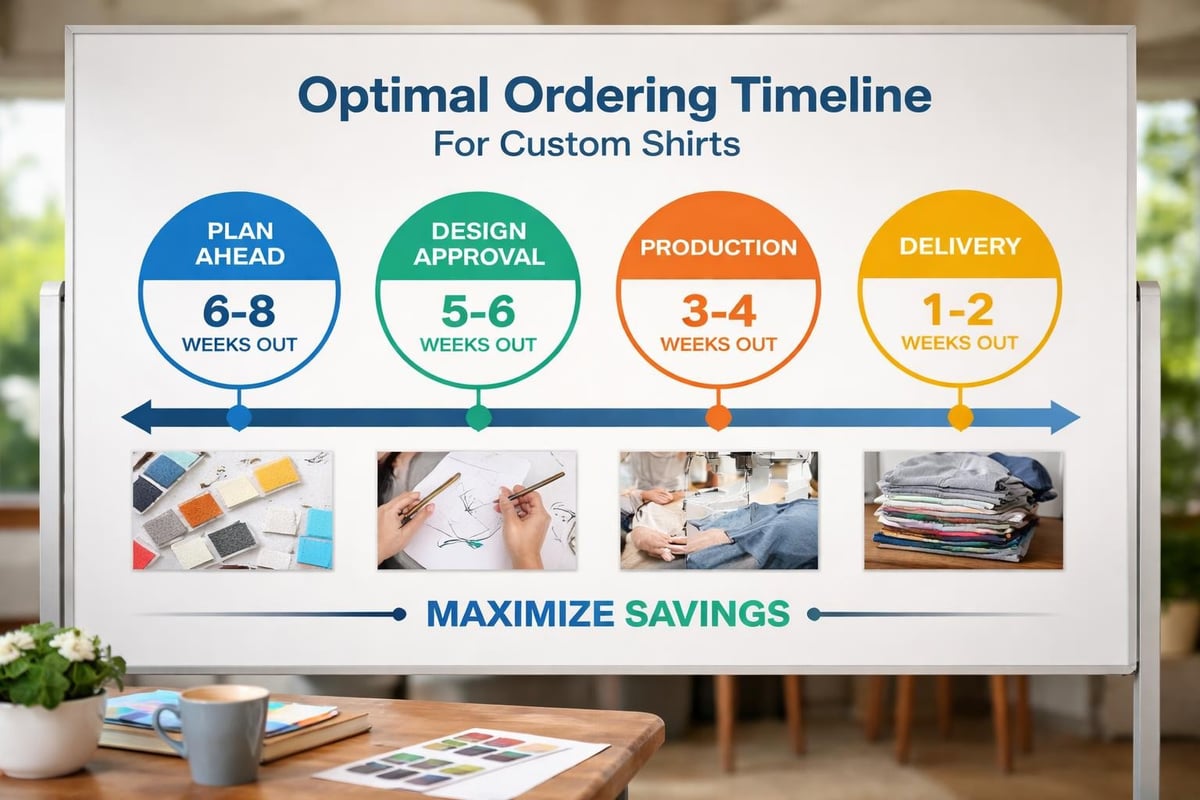
Planning for Lead Times
Rush orders carry premium charges, sometimes doubling production costs. Planning ahead eliminates these fees.
Standard production times typically run 7-14 business days, while rush services compress this to 2-5 days at significant expense. If you need shirts for a specific event, ordering 3-4 weeks in advance ensures standard pricing while accommodating potential delays. Providers offering custom t-shirt fast delivery may provide expedited options when timing matters, but advance planning remains the most economical approach.
Online Tools and Resources for DIY Design
Free design resources and templates help you create a shirt cheap by eliminating professional design fees.
Leveraging Free Design Software
Several powerful tools enable professional-looking designs without subscription costs:
Canva offers thousands of free t-shirt templates with drag-and-drop simplicity. While premium elements require payment, abundant free options exist for basic designs.
GIMP provides professional-grade image editing capabilities as a free Photoshop alternative, though it requires more learning investment.
Inkscape delivers vector graphic creation without Adobe Illustrator's price tag, perfect for logos and text-based designs.
These platforms help you avoid $50-200 design fees common when hiring professionals.
Template Libraries and Font Resources
Starting from templates accelerates design while ensuring print-ready specifications. Many printing services provide free templates sized correctly for their equipment and garment types.
Free font resources include:
- Google Fonts (over 1,000 font families)
- DaFont (specialty and decorative options)
- Font Squirrel (100% free for commercial use)
- FontSpace (categorized by style)
Advice from experts on creating custom t-shirts emphasizes that combining free templates with strategic font choices creates distinctive designs without custom illustration expenses.
Stock Graphics and Clip Art
Royalty-free graphics reduce or eliminate illustration costs. Resources like Pixabay, Unsplash, and Freepik offer millions of images suitable for t-shirt designs.
When using stock graphics, verify licensing allows commercial printing, especially if you're selling finished shirts rather than using them personally. Most free resources permit commercial use but may require attribution or prohibit resale.
Maximizing Value with Smart Vendor Selection
Choosing the right printing partner affects both cost and quality when you create a shirt cheap.
Comparing Local vs. Online Providers
Local printers offer hands-on consultations, sample viewing, and relationship building, while online services typically provide lower base prices due to reduced overhead.
Local printer advantages:
- Physical samples before ordering
- Face-to-face design guidance
- Supporting community businesses
- Potential for faster pickup
Online provider advantages:
- Broader pricing competition
- 24/7 ordering convenience
- Extensive template libraries
- Often lower per-unit costs
Services like those found when searching for screen printing companies near me combine local expertise with competitive pricing structures.
Evaluating No-Minimum Policies
Traditional screen printing required minimum orders of 24-144 pieces, but modern technologies enable profitable single-shirt production. Providers with no-minimum policies offer crucial advantages:
- Test designs before bulk investment
- Order exact quantities needed
- Avoid excess inventory costs
- Accommodate last-minute additions
When comparing vendors, verify whether "no minimum" means truly one shirt or actually requires 6-12 units. Transparent providers clearly state exact minimums without hidden requirements.
Understanding All-Inclusive Pricing
Some vendors advertise low per-shirt prices but add numerous fees during checkout. Watch for charges related to:
- Setup or screen fees
- Design services or file preparation
- Multiple print locations
- Rush processing
- Shipping and handling
Request complete quotes including all fees before committing. Reputable services offering t-shirt graphic printing provide transparent, itemized pricing upfront.
Cost-Effective Specialty Techniques
Beyond standard printing, certain specialty approaches help you create a shirt cheap while adding distinctive elements.
Embroidery for Longevity
While embroidery typically costs more per item initially, its exceptional durability makes it economical for items receiving heavy use or frequent washing. A $15 embroidered shirt lasting five years costs less per wear than a $5 printed shirt needing replacement annually.
Custom embroidered apparel works particularly well for logos, text, and simple designs where thread counts remain manageable.
Vinyl Cutting for Small Quantities
Heat-transfer vinyl (HTV) offers another budget-friendly option for simple designs in small quantities. This method cuts designs from colored vinyl sheets, then heat-presses them onto garments.
Vinyl advantages:
- No setup fees
- Economical for 1-10 shirts
- Immediate turnaround
- Durable with proper care
Vinyl limitations:
- Best for simple, solid-color designs
- Less cost-effective than screen printing at higher volumes
- Limited fine detail capability
Strategic Color Management
Some printing methods charge per color while others don't. Matching your design to the right method maximizes savings:
For single-color designs, screen printing offers unbeatable durability and cost at any volume. For full-color photographs or complex artwork, DTG or sublimation eliminate per-color charges. Understanding these relationships, as detailed in guides on affordable custom t-shirt printing methods, helps you create a shirt cheap regardless of design complexity.
Money-Saving Tips for Ongoing Shirt Projects
Recurring shirt needs benefit from systematic approaches that compound savings over time.
Building Design Libraries
Creating 3-5 versatile designs you can reuse across different contexts eliminates repeated design costs. A well-designed logo, for instance, works on staff uniforms, event shirts, and promotional giveaways.
Insights from money-saving screen printing strategies demonstrate that design reuse can reduce annual custom apparel costs by 30-40% for organizations with regular printing needs.
Standardizing Garment Choices
Selecting 2-3 preferred shirt styles and stocking various sizes streamlines ordering and often qualifies you for bulk discounts even on smaller runs. This approach also ensures consistency across your team, event, or brand.
Establishing Vendor Relationships
Regular customers often receive preferential pricing, priority scheduling, and waived fees. Building ongoing relationships with quality providers creates mutual benefits-they gain reliable business while you secure better terms.
When you find a provider delivering quality results at fair prices, loyalty often proves more economical than constantly shopping for the lowest quote. Providers like those offering get a tee shirt printed services frequently reward repeat customers with exclusive discounts or expedited processing.
Balancing Quality and Affordability
The cheapest option isn't always the most economical. Understanding where to invest and where to economize ensures satisfaction with your finished product.
Non-Negotiable Quality Standards
Certain elements deserve investment regardless of budget constraints:
Proper sizing and fit: Ill-fitting shirts go unworn, wasting your entire investment. Order sample sizes before bulk purchasing.
Color accuracy: Significant deviations from expected colors damage brand perception. Request digital proofs and samples when color precision matters.
Print durability: Designs fading or cracking after one wash create negative impressions. Choose appropriate methods for expected garment use.
Acceptable Economy Measures
Other areas allow cost reduction without significant quality impact:
Basic garment styles: Simple crew necks cost less than fashion-forward cuts but serve most purposes adequately.
Standard color options: Popular colors like white, black, and navy cost less than trendy or specialty hues.
Simplified packaging: Unless gifting or reselling, basic polybag packaging instead of premium presentation saves substantially.
Resources on creating unique looks on a budget emphasize that strategic economies in less-visible areas preserve funds for elements that truly impact perceived value.
Sample Testing Before Bulk Orders
Ordering 1-2 sample shirts before committing to larger quantities prevents costly mistakes. Samples let you verify:
- Actual garment quality and fit
- Print color accuracy
- Design sizing and placement
- Overall aesthetic impact
Most quality providers encourage sampling, understanding it builds confidence and reduces returns. The $20-40 invested in samples often prevents hundreds in unusable inventory.
Seasonal and Promotional Opportunities
Strategic timing unlocks additional savings when you create a shirt cheap.
Off-Season Ordering
Custom apparel demand peaks around back-to-school (August-September), holidays (November-December), and summer events (May-July). Ordering during slower periods (January-March, October-November) often yields:
- Faster turnaround times
- More attentive service
- Potential discount offers
- Greater design flexibility
Flash Sales and Promotional Events
Many online and local printers run periodic promotions offering 15-30% discounts. Following providers on social media or subscribing to newsletters ensures you catch these opportunities.
Industry Trade Shows and Expos
Printing industry events often feature show-only pricing on equipment, blanks, and services. While primarily targeting businesses, many exhibitors extend special offers to attendees regardless of order size.
Finding Budget-Friendly Shirt Sources Online
Digital marketplaces have transformed access to affordable custom printing, though quality varies significantly.
Evaluating Online Providers
When researching cheap custom t-shirts online, assess providers based on:
Customer reviews: Look for consistent feedback about quality, accuracy, and service rather than focusing on isolated extremes.
Sample galleries: Viewing actual completed orders reveals production quality more accurately than marketing materials.
Response times: Contact customer service with questions. Prompt, helpful responses indicate reliable operations.
Return policies: Understand terms for defective items, incorrect orders, or dissatisfaction.
Understanding Shipping Considerations
Advertised prices often exclude shipping, which can add $5-30 depending on quantity, speed, and distance. Factor complete delivered costs when comparing options.
Consolidating orders, choosing slower shipping, and watching for free shipping thresholds all reduce transportation expenses. Some providers offer local pickup options eliminating shipping entirely for nearby customers.
Creating custom shirts affordably requires balancing multiple factors-printing method, design complexity, garment selection, and strategic ordering-but the effort delivers significant savings without quality compromises. By understanding which techniques suit your specific needs and applying smart design and ordering strategies, you can consistently create a shirt cheap while achieving professional results. Whether you need a single custom piece or ongoing apparel production, Custom 101 Prints offers the expertise, technology, and flexible options to bring your vision to life at prices that respect your budget, with convenient New York locations and no minimum order requirements.