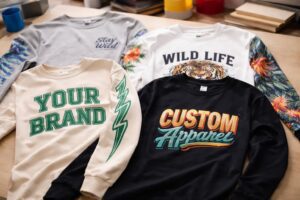
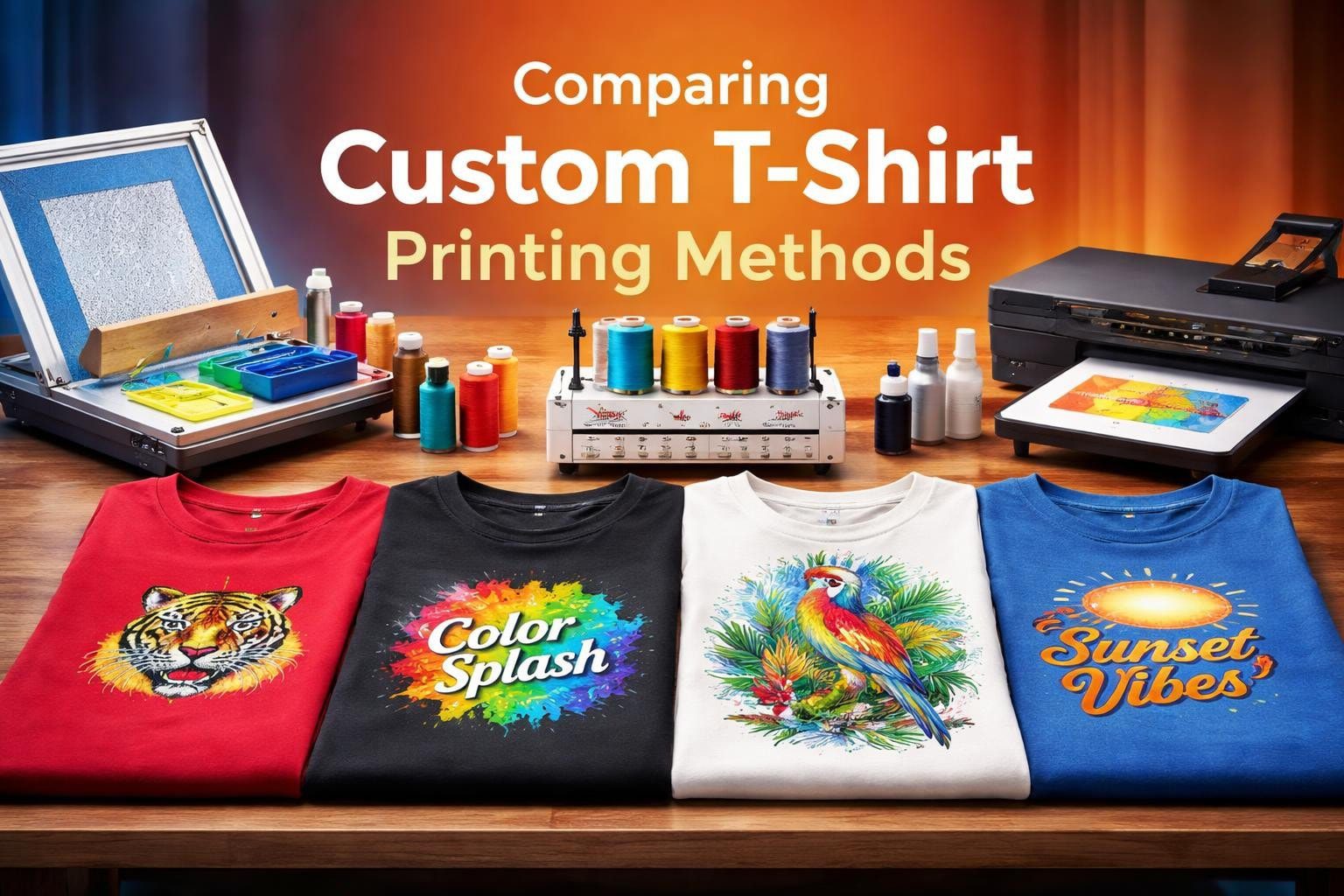
Custom printed shirts have evolved from simple promotional items to sophisticated branding tools and personal expression mediums. Whether you're launching a startup, organizing a corporate event, creating merchandise for your band, or simply want unique apparel, understanding what makes the best custom print shirts in 2026 requires knowledge of printing techniques, fabric quality, design considerations, and supplier capabilities. This comprehensive guide explores everything you need to know to make informed decisions about custom printed apparel.
Understanding Custom Shirt Printing Methods
The foundation of any quality custom shirt begins with selecting the right printing technique. Each method offers distinct advantages depending on your design complexity, order volume, and budget constraints.
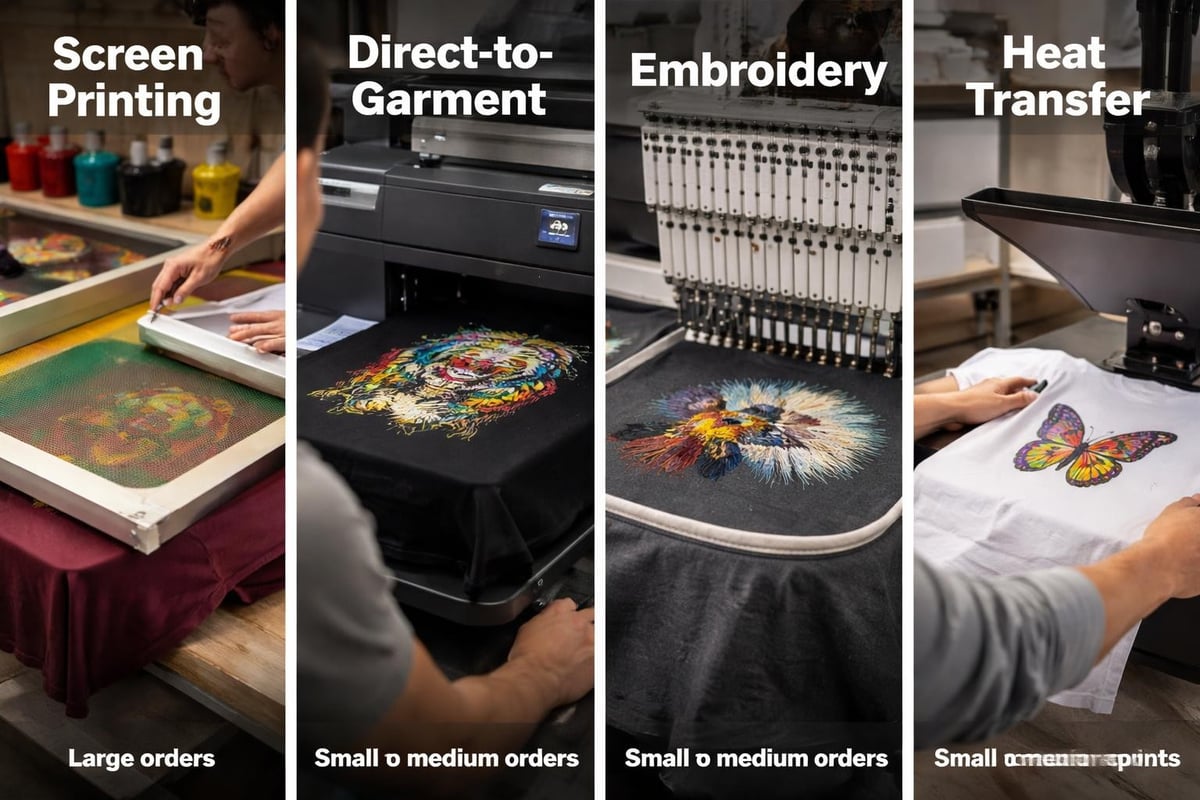
Screen Printing for Bulk Orders
Screen printing remains the gold standard for large-volume orders requiring vibrant, durable prints. This technique involves creating screens for each color in your design and applying ink through these screens onto fabric. The secrets behind New York’s best screen printing services reveal why this method continues to dominate the custom apparel industry.
Key advantages of screen printing:
- Exceptional durability that withstands hundreds of washes
- Vibrant colors that maintain intensity over time
- Cost-effective for orders exceeding 24 pieces
- Versatile ink options including metallic and specialty finishes
- Superior opacity on dark fabrics
The setup costs for screen printing make it less economical for small batches, but the per-unit price decreases significantly as quantity increases. Professional providers can handle complex multi-color designs with precise registration and consistent quality across large production runs.
Direct-to-Garment Printing Versatility
Direct-to-garment (DTG) technology has revolutionized small-batch custom printing by eliminating minimum order requirements. This digital printing method applies water-based inks directly onto fabric using specialized printers. Printify details various custom t-shirt printing techniques including DTG's unique capabilities for photo-realistic designs.
| Printing Method | Best For | Minimum Order | Detail Level | Cost Per Unit |
|---|---|---|---|---|
| Screen Printing | 24+ shirts | Usually 12-24 | Moderate | Low (bulk) |
| DTG Printing | 1-50 shirts | 1 piece | Very High | Moderate |
| Embroidery | Professional wear | 1 piece | High | High |
| Heat Transfer | Small batches | 1 piece | Moderate | Moderate |
DTG excels at reproducing photographs, gradients, and designs with unlimited colors. The soft feel of DTG prints integrates seamlessly with fabric texture, though durability may not match screen printing for high-wear applications.
Quality Factors That Define the Best Custom Print Shirts
Identifying the best custom print shirts requires evaluating multiple quality dimensions beyond printing technique alone. Material selection, construction methods, and finishing details collectively determine long-term satisfaction.
Fabric Quality and Weight
Base garment quality dramatically impacts both comfort and print longevity. Premium custom shirts typically use 100% ring-spun cotton or cotton-polyester blends ranging from 4.5 to 6.0 ounces per square yard.
Ring-spun cotton undergoes additional processing that removes impurities and creates softer, more durable fabric than standard carded cotton. The tighter weave provides better print adhesion and resists pilling after repeated washing.
Cotton-polyester blends offer dimensional stability and wrinkle resistance while maintaining breathability. A 50/50 blend combines cotton's comfort with polyester's durability, making these shirts ideal for custom embroidered apparel that requires structure.
Tri-blend fabrics incorporating cotton, polyester, and rayon create exceptionally soft drape and vintage aesthetics that consumers increasingly prefer for premium custom designs.
Construction and Fit Considerations
Professional-grade custom shirts feature reinforced shoulder seams, double-needle stitching at hems, and taped neck seams that prevent stretching. These construction details distinguish quality garments from budget alternatives that deteriorate quickly.
Fit variations accommodate different body types and style preferences. Standard options include:
- Classic fit with generous sizing throughout
- Fitted/slim cut with tapered waist and sleeves
- Athletic fit accommodating broader shoulders
- Unisex sizing balancing men's and women's proportions
- True women's cuts with princess seams and shaped waists
Leading suppliers like Jiffy offering premium quality custom shirts provide extensive sizing charts and fit guides to ensure customer satisfaction.
Design Elements That Maximize Impact
The best custom print shirts balance aesthetic appeal with technical feasibility. Understanding design principles specific to garment printing helps creators avoid common pitfalls while maximizing visual impact.
Color Theory and Placement Strategy
Strategic color selection enhances brand recognition and wearer appeal. Limited color palettes often create more sophisticated results than designs attempting to reproduce every shade in a photograph.
Print placement conventions:
- Standard chest placement: 4-5 inches below collar seam
- Full-front designs: 3-4 inches below collar, extending to sides
- Sleeve prints: Centered 3-4 inches below shoulder seam
- Back designs: 2-3 inches below collar for maximum visibility
T-shirt graphic printing professionals recommend leaving adequate margin space to accommodate different shirt sizes without design distortion during scaling.
Resolution and File Preparation
Vector graphics ensure crisp reproduction at any size, making programs like Adobe Illustrator ideal for logo designs and text-heavy layouts. Raster images require minimum 300 DPI resolution at actual print size to avoid pixelation.
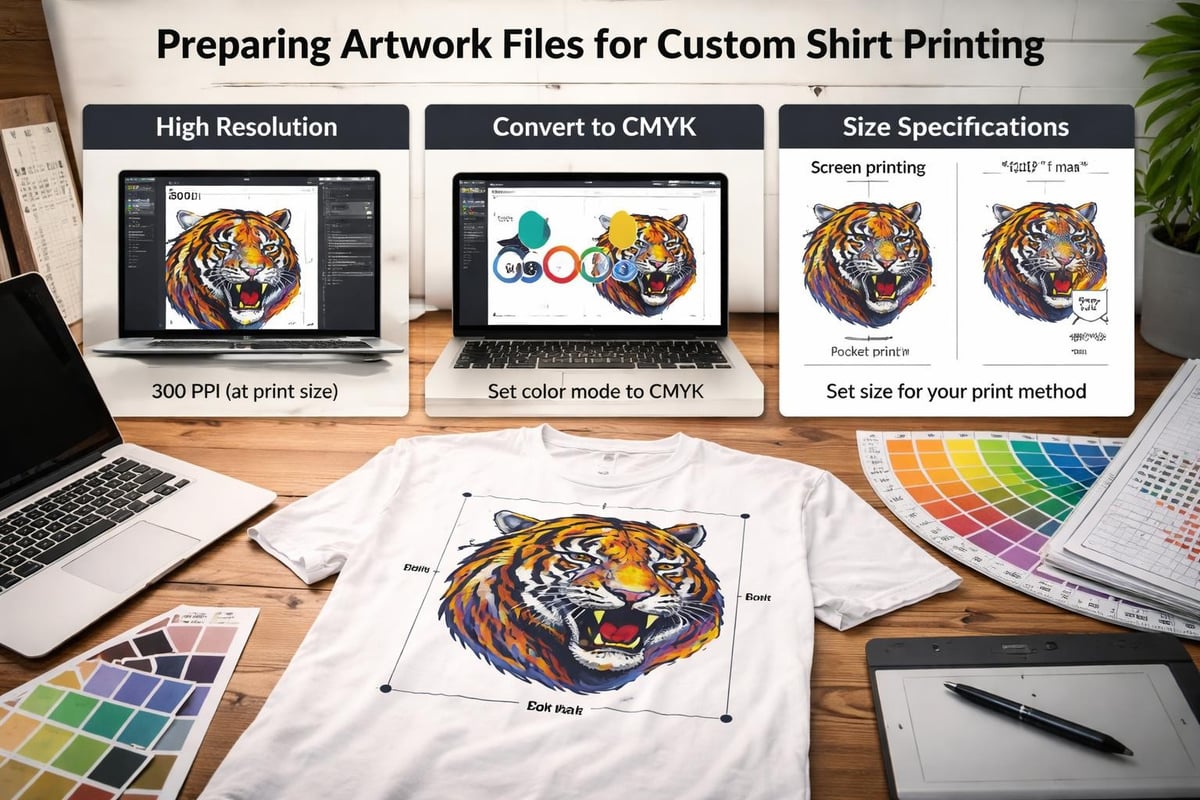
Professional printers typically request files in specific formats:
- Vector: AI, EPS, PDF, or SVG files
- Raster: High-resolution PNG or TIFF with transparent backgrounds
- Pantone color codes for precise color matching
- Separated layers for multi-color screen printing
Choosing the Right Provider for Your Needs
Supplier selection significantly impacts the final quality, turnaround time, and overall experience of ordering the best custom print shirts. Different providers specialize in particular niches and order types.
Local Versus Online Print Shops
Local custom printing services offer personalized consultation, faster communication, and the ability to inspect samples before committing to large orders. Screen printing companies near me provide hands-on collaboration throughout the design and production process.
Online marketplaces like Threadless and Redbubble democratize custom shirt creation through print-on-demand models, though these platforms typically offer less control over production variables and quality standards.
Evaluating potential suppliers:
- Review portfolio samples showing print quality and color accuracy
- Verify production capacity for your timeline requirements
- Confirm available printing methods match your design needs
- Compare pricing transparency including setup fees and rush charges
- Assess customer service responsiveness and technical knowledge
Minimum Orders and Turnaround Times
Many traditional print shops impose minimum order quantities ranging from 12 to 24 pieces per design. This requirement stems from setup costs associated with screen creation and press configuration. However, the landscape has shifted as custom printed shirts fast services eliminate minimums through DTG technology.
Production timelines vary based on printing method, order complexity, and seasonal demand:
| Service Type | Standard Turnaround | Rush Available | Typical Minimum |
|---|---|---|---|
| Screen Printing | 7-10 business days | 3-5 days | 12-24 pieces |
| DTG Printing | 3-5 business days | 1-2 days | No minimum |
| Embroidery | 5-7 business days | 2-3 days | 6-12 pieces |
| Heat Transfer | 2-4 business days | Same day | No minimum |
Providers offering custom t-shirt fast delivery balance production efficiency with quality control to meet tight deadlines without compromising results.
Popular Applications for Custom Printed Shirts
Understanding common use cases helps determine appropriate quality levels and printing methods for specific objectives. The best custom print shirts serve diverse purposes across commercial and personal contexts.
Business and Corporate Applications
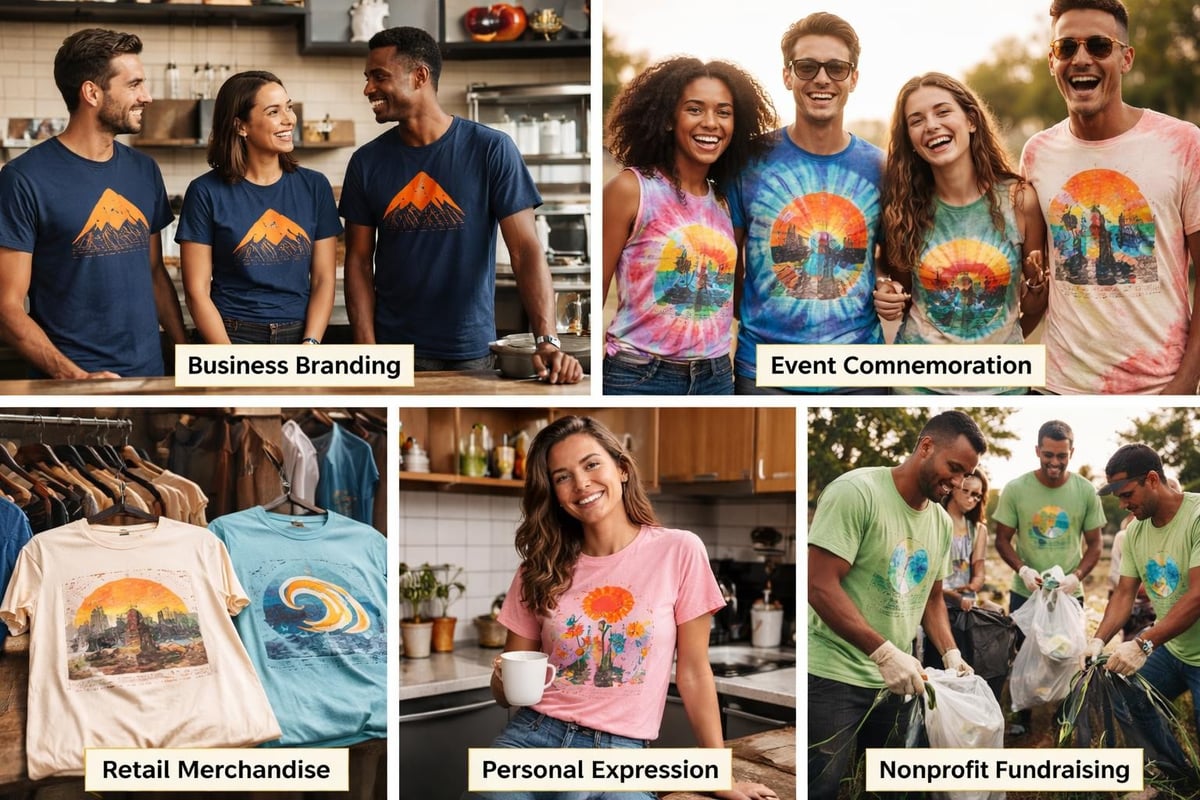
Companies leverage custom apparel for brand visibility, team cohesion, and customer engagement. Professional services require higher quality standards than casual promotional items.
Corporate custom shirt applications:
- Employee uniforms establishing consistent brand presence
- Trade show giveaways generating qualified leads
- Client gifts strengthening business relationships
- Team-building event apparel fostering unity
- Retail merchandise creating additional revenue streams
Underground Printing exemplifies how custom apparel companies serve corporate clients alongside educational institutions and organizations. Professional applications often justify premium materials and techniques like custom embroidery that elevates brand perception.
Events and Special Occasions
Custom shirts commemorate milestones and create lasting memories for participants. Event organizers prioritize design creativity and cost efficiency when ordering for large groups.
Popular event types include family reunions, bachelor/bachelorette parties, charity fundraisers, sports tournaments, and music festivals. These applications typically favor screen printing for orders exceeding 24 pieces or DTG for smaller, more personalized batches.
Retail and Merchandise Sales
Independent artists, content creators, and small businesses generate revenue through custom merchandise. Quality becomes paramount when customers purchase shirts as products rather than receiving them as promotional items.
Good Ink specializing in custom t-shirts demonstrates how professional design and printing services support creators entering the merchandise market. Successful retail applications typically utilize premium blank garments, sophisticated designs, and printing methods producing professional results that justify retail pricing.
Sustainability and Ethical Considerations
Conscious consumers increasingly evaluate custom apparel through environmental and social responsibility lenses. The best custom print shirts in 2026 reflect growing awareness of sustainable practices throughout the supply chain.
Eco-Friendly Materials and Processes
Organic cotton cultivation eliminates pesticides and reduces water consumption compared to conventional farming. GOTS (Global Organic Textile Standard) certification verifies organic status and ethical production practices.
Sustainable printing options:
- Water-based inks containing no harmful chemicals
- Low-impact dyes requiring less water during application
- Recycled polyester from post-consumer plastic bottles
- Biodegradable packaging replacing plastic polybags
- Carbon-neutral shipping offsetting delivery emissions
Water-based inks used in DTG printing and some screen printing applications contain significantly fewer volatile organic compounds (VOCs) than traditional plastisol inks, reducing environmental impact without sacrificing print quality.
Ethical Manufacturing Standards
Supply chain transparency allows consumers to verify that their custom shirts support fair labor practices. Certifications including Fair Trade, WRAP (Worldwide Responsible Accredited Production), and SA8000 indicate commitment to ethical manufacturing.
Domestic production offers greater oversight of working conditions and reduces shipping-related carbon emissions. Proper Cloth exemplifies American manufacturing maintaining high quality standards while supporting local employment.
Pricing Considerations and Budget Planning
Custom shirt costs vary dramatically based on multiple factors. Understanding pricing structures helps buyers maximize value while maintaining quality standards appropriate for their application.
Cost Components Breakdown
Total project costs typically include base garment price, printing charges, setup fees, design services, and shipping. Transparent suppliers itemize these elements rather than presenting all-inclusive quotes that obscure actual costs.
- Blank garment costs ranging from $2 to $15 per shirt depending on brand and quality
- Printing charges varying by technique, colors, and design complexity
- Setup fees covering screen creation or digital file preparation
- Design services when professional assistance is needed
- Shipping costs based on order size, weight, and delivery speed
Kustom Imprints providing customizable t-shirts showcases diverse options across price points, demonstrating how garment selection impacts total investment.
Volume Discounts and Pricing Tiers
Economies of scale significantly reduce per-unit costs as quantities increase. Most suppliers implement tiered pricing structures rewarding larger commitments.
| Quantity Range | Screen Print Per Unit | DTG Per Unit | Savings Versus Minimum |
|---|---|---|---|
| 1-11 shirts | N/A | $18-25 | Baseline |
| 12-23 shirts | $12-18 | $15-22 | 15-20% |
| 24-49 shirts | $8-14 | $12-18 | 30-40% |
| 50-99 shirts | $6-10 | $10-15 | 45-55% |
| 100+ shirts | $4-8 | $8-12 | 55-65% |
These ranges represent typical market rates as of 2026, though actual pricing varies by provider, location, and specific requirements. Get a tee shirt printed services often provide instant quotes through online calculators that factor in all variables.
Maximizing Longevity and Care
Even the best custom print shirts require proper care to maintain appearance and durability. Educating recipients about garment care extends product lifespan and preserves brand impressions.
Washing and Drying Guidelines
Best practices for custom shirt care:
- Turn garments inside-out before washing
- Use cold water to prevent ink fading and fabric shrinkage
- Select gentle cycle settings reducing mechanical stress
- Avoid chlorine bleach that deteriorates prints and fabric
- Air dry or use low heat tumble drying
Screen-printed shirts tolerate higher heat than DTG-printed garments. Plastisol inks cure at high temperatures, making them relatively heat-resistant once properly cured. Water-based inks used in DTG require gentler care to prevent premature fading.
Storage and Handling Recommendations
Proper storage prevents unwanted creasing and maintains shirt shape. Folding custom shirts with tissue paper between layers prevents ink transfer when designs contain heavy ink deposits.
Long-term storage should avoid direct sunlight exposure that causes gradual color fading even without washing. Climate-controlled environments prevent moisture damage and mildew growth that compromise both fabric and prints.
Professional retailers often include care tags with custom merchandise, ensuring customers understand proper maintenance procedures. T-Shirt Labs offering local customization exemplifies customer service extending beyond the sale through comprehensive care instructions.
Emerging Trends Shaping Custom Apparel
The custom printing industry continues evolving through technological advances and shifting consumer preferences. Staying informed about emerging trends helps buyers make future-proof decisions when selecting the best custom print shirts.
Personalization and On-Demand Production
Mass customization technologies enable individual personalization within bulk orders. Variable data printing allows each shirt in a production run to feature unique names, numbers, or design elements without additional setup costs.
On-demand manufacturing reduces inventory risk for businesses selling custom merchandise. Print-on-demand integration with e-commerce platforms automates order fulfillment, eliminating upfront inventory investment and storage costs.
Augmented Reality Design Tools
AR applications allow customers to visualize designs on virtual models or through smartphone cameras before committing to production. This technology reduces return rates and increases satisfaction by setting accurate expectations about final appearance.
Interactive design tools democratize the creation process, enabling non-designers to develop professional results through intuitive interfaces. Design t-shirts fast delivery combines user-friendly design platforms with rapid production capabilities.
Selecting the best custom print shirts requires balancing quality, cost, and functionality for your specific application. Whether you need promotional apparel, retail merchandise, or event commemorations, understanding printing methods, material options, and supplier capabilities ensures optimal results. Custom 101 Prints delivers exceptional custom printing services throughout New York with no minimum orders, fast turnaround times, and expertise across screen printing, embroidery, DTG, and laser engraving to bring your vision to life with professional quality and personalized service.