Custom hat embroidery has evolved into one of the most effective methods for creating professional, durable branded apparel that stands the test of time. Whether you're looking to outfit your team, promote your business, or create memorable promotional items, embroidered hats offer unmatched quality and visual impact compared to other decoration methods. The combination of traditional craftsmanship and modern technology has transformed how businesses approach custom headwear, making it accessible for organizations of all sizes while maintaining the premium feel that embroidery provides.
Understanding Custom Hat Embroidery Basics
The foundation of successful custom hat embroidery starts with understanding the process itself. Unlike screen printing or heat transfers, embroidery creates a three-dimensional design by stitching thread directly into the fabric. This method produces remarkable durability, with designs that can withstand hundreds of wash cycles without fading or cracking.
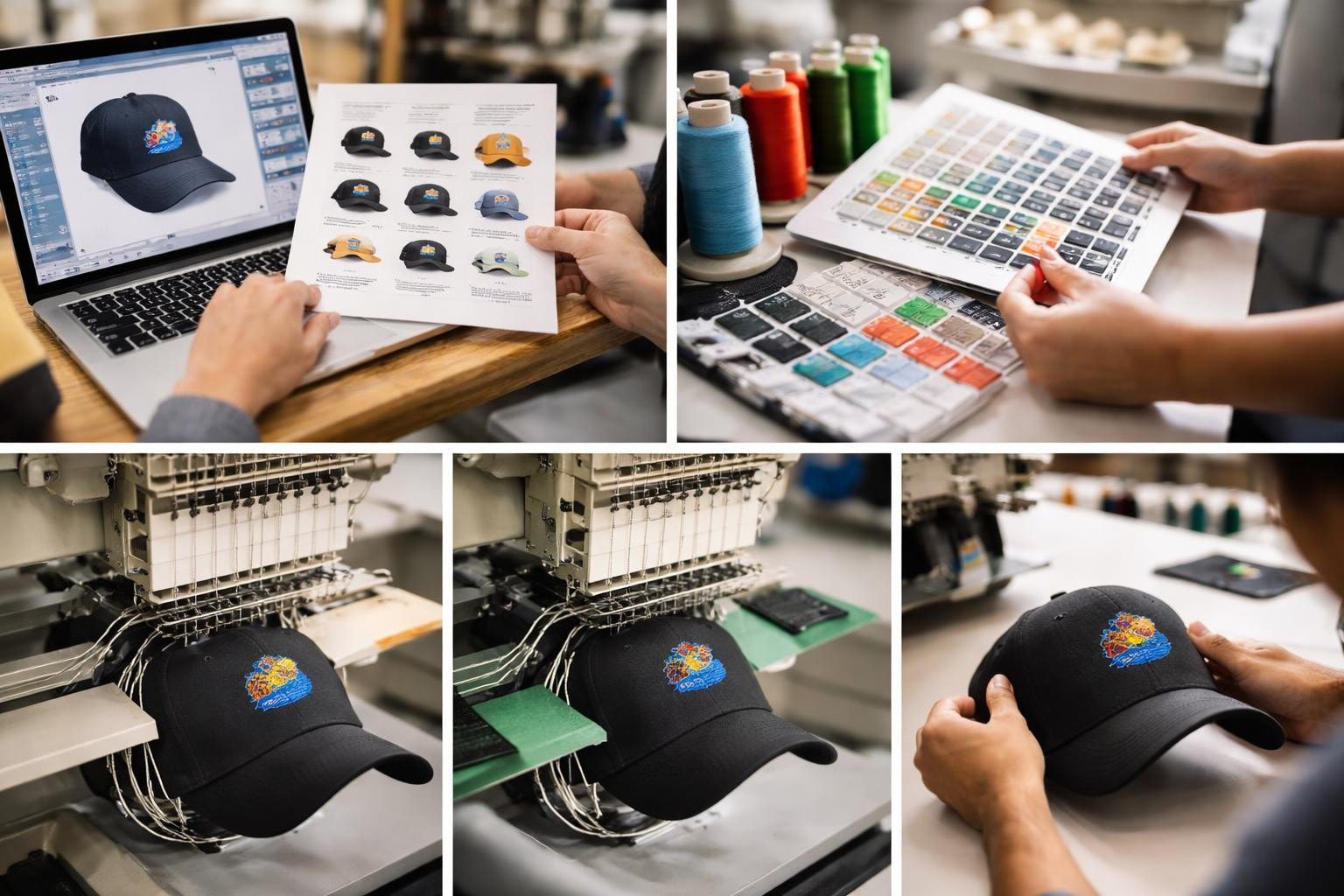
The embroidery process involves several critical steps:
- Design digitization converting artwork into stitch patterns
- Thread selection matching brand colors precisely
- Hooping the hat to stabilize fabric during stitching
- Machine embroidery following programmed patterns
- Quality inspection ensuring stitch consistency
Thread count and density play crucial roles in how your final design appears. Higher stitch counts create fuller coverage but can add weight and stiffness to certain hat materials. Professional embroiderers balance these factors to achieve optimal results based on your specific hat style and design complexity.
Choosing the Right Hat Material
Not all hats accept embroidery equally. Cotton twill caps provide the most stable surface for detailed designs, while mesh trucker hats require special considerations for the back panels. Structured hats with buckram support hold embroidery better than unstructured styles, though modern techniques have expanded possibilities across all hat types.
When selecting materials for custom embroidered apparel services, consider both the base hat quality and how different fabrics interact with thread. Performance fabrics designed for athletic wear may require adjustments to standard embroidery techniques to prevent puckering or distortion.
Design Considerations for Maximum Impact
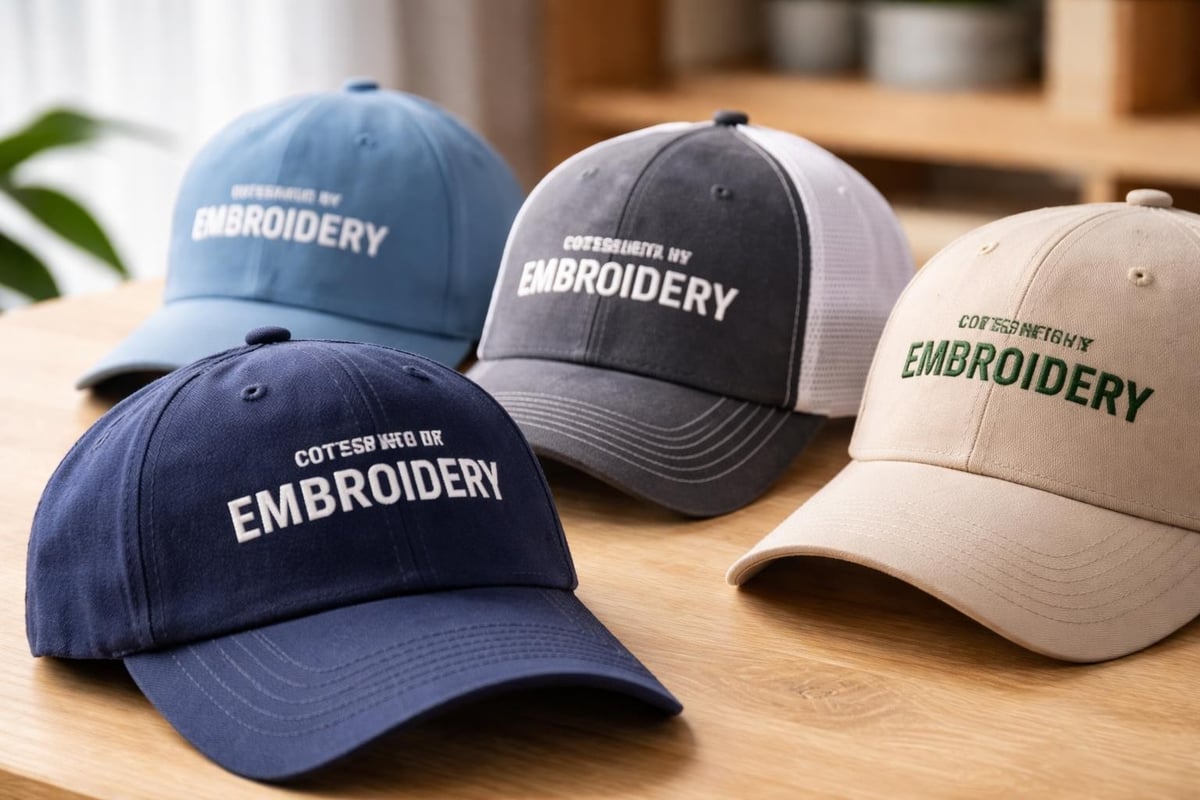
Creating effective embroidered designs requires understanding the limitations and strengths of the medium. Unlike digital printing, custom hat embroidery works best with bold, simplified designs that translate well into stitches. Fine lines thinner than certain widths may not reproduce accurately, and extremely small text can become illegible once embroidered.
Optimal design elements include:
- Logo dimensions between 2 to 4 inches wide
- Text at minimum 0.25 inches tall
- Limited color palettes (typically 2-4 colors)
- Clear spacing between design elements
- Stroke widths of at least 0.5mm for detail preservation
The placement of your design dramatically affects the final appearance. Front panel embroidery remains the most popular choice, but side panel, back, and even undervisor embroidery have gained traction according to current hat embroidery trends. Each position offers unique branding opportunities and visual interest.
Color Selection and Thread Quality
Thread quality directly impacts longevity and appearance. Premium polyester threads resist fading from sunlight and repeated washing far better than budget alternatives. When reviewing embroidery thread colors, remember that thread appears slightly different than flat printed colors due to how light reflects off the fibers.
Most professional embroidery operations stock thousands of thread colors, enabling precise brand matching. However, limiting your design to fewer colors not only reduces costs but often creates cleaner, more professional results. Consider how colors interact when stitched adjacent to each other, as thread colors can optically blend when viewed from a distance.
Popular Embroidery Techniques for Hats
The custom hat embroidery industry offers several specialized techniques, each producing distinct visual effects. Understanding these options helps you select the approach that best represents your brand while fitting within budget constraints.
| Technique | Best For | Visual Effect | Durability |
|---|---|---|---|
| Flat Embroidery | Detailed logos, text | Classic, professional | Excellent |
| 3D Puff | Bold designs, sports teams | Raised, dimensional | Very Good |
| Appliqué | Large areas, texture contrast | Layered, premium | Good |
| Tonal Embroidery | Subtle branding, luxury items | Sophisticated, understated | Excellent |
Flat embroidery remains the standard for most applications, delivering clean results suitable for corporate branding and retail products. The technique works exceptionally well for intricate details and maintains consistent quality across production runs.
Three-Dimensional Puff Embroidery
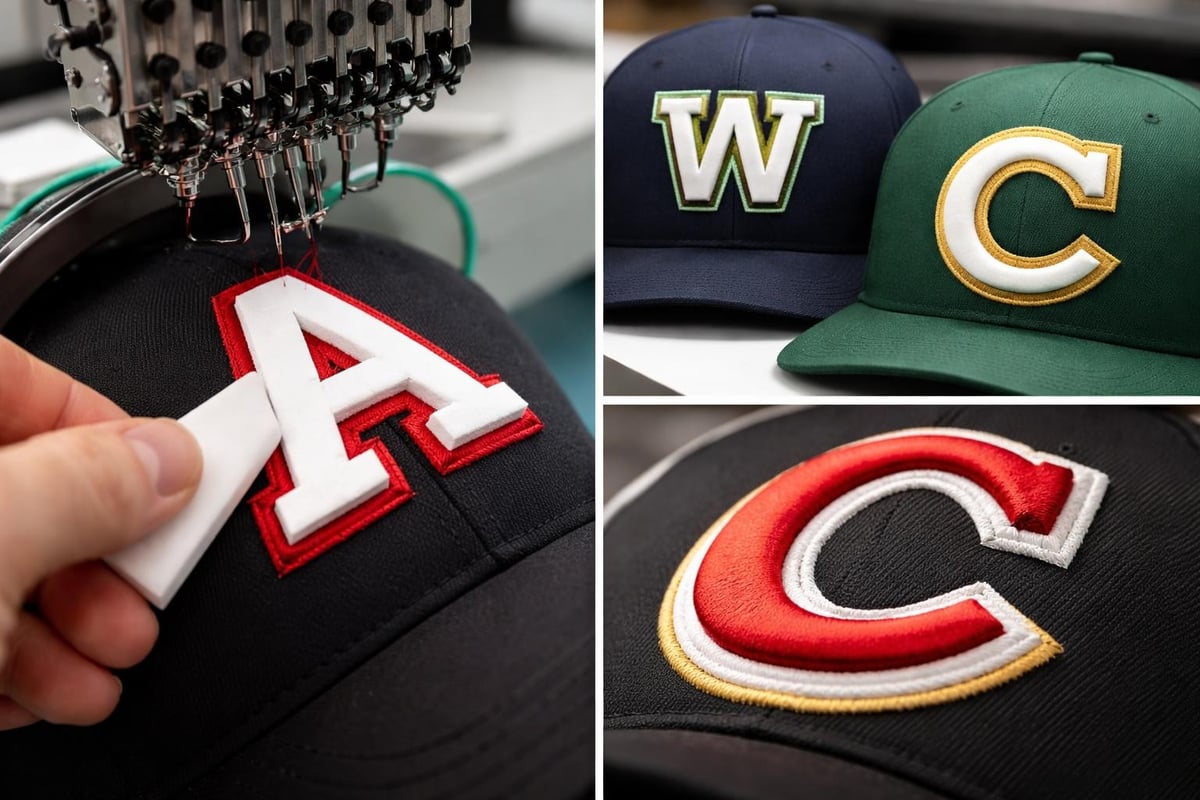
3D puff embroidery has experienced renewed popularity, particularly for athletic and streetwear-inspired designs. This technique places foam underneath stitches, creating a raised effect that adds depth and visual interest. The art of custom hat embroidery demonstrates how puff embroidery creates statement pieces that command attention.
The foam comes in various thicknesses, allowing embroiderers to control the height of the raised design. While dramatic, puff embroidery requires careful design consideration because extremely intricate details may not translate well. Bold letters, simple logos, and geometric patterns yield the best results with this technique.
Trends Shaping Custom Hat Embroidery in 2026
The custom hat embroidery landscape continues evolving with fresh approaches to traditional techniques. Understanding current trends helps businesses create relevant, appealing products that resonate with target audiences. According to innovative design elements emerging this year, mixed-media approaches combining embroidery with leather patches and woven labels are gaining significant traction.
Key trends for 2026 include:
- Sustainable thread materials made from recycled polyester
- Oversized embroidery covering larger portions of hat panels
- Minimalist single-color designs emphasizing craftsmanship
- Multi-location embroidery incorporating side and back placements
- Vintage-inspired chain stitch embroidery for retro aesthetics
Minimalism continues influencing design choices, with many brands opting for small, subtle embroidery placements rather than bold front-panel statements. This approach appeals to consumers seeking understated branding that integrates seamlessly with their personal style while still communicating brand identity.
Sustainable and Eco-Friendly Practices
Environmental consciousness has permeated the embroidery industry, driving demand for sustainable materials and processes. Recycled polyester threads now match the quality and color range of traditional options while reducing environmental impact. Similarly, organic cotton hats provide eco-friendly canvases for embroidery work.
Businesses emphasizing sustainability in their branding find custom hat embroidery particularly effective because the technique produces minimal waste compared to other decoration methods. Thread scraps represent the primary waste product, and many operations now recycle even these materials. This alignment with environmental values resonates strongly with conscious consumers.
Quality Control and Production Considerations
Maintaining consistent quality across production runs requires rigorous standards and experienced operators. Professional embroidery services implement multiple checkpoint systems ensuring each hat meets specifications before leaving the facility.
The digitization process deserves particular attention because poorly programmed designs cause the majority of embroidery defects. Expert digitizers account for fabric stretch, stitch direction, and underlay requirements that prevent puckering and thread breaks. This expertise separates amateur operations from professional services capable of handling complex corporate orders.
Production Timelines and Minimums
Understanding production requirements helps set realistic expectations for custom hat embroidery projects. Most professional operations require several days for first-time orders to complete digitization, sample approval, and full production runs. However, providers like Custom 101 Prints offering no minimum order requirements have made custom embroidery accessible for small businesses and individual customers.
Rush services accommodate urgent needs, though expedited production typically carries premium pricing. Planning ahead allows businesses to take advantage of standard turnaround times and avoid rush fees while ensuring inventory arrives when needed for events, product launches, or seasonal promotions.
Pricing Factors and Budget Management
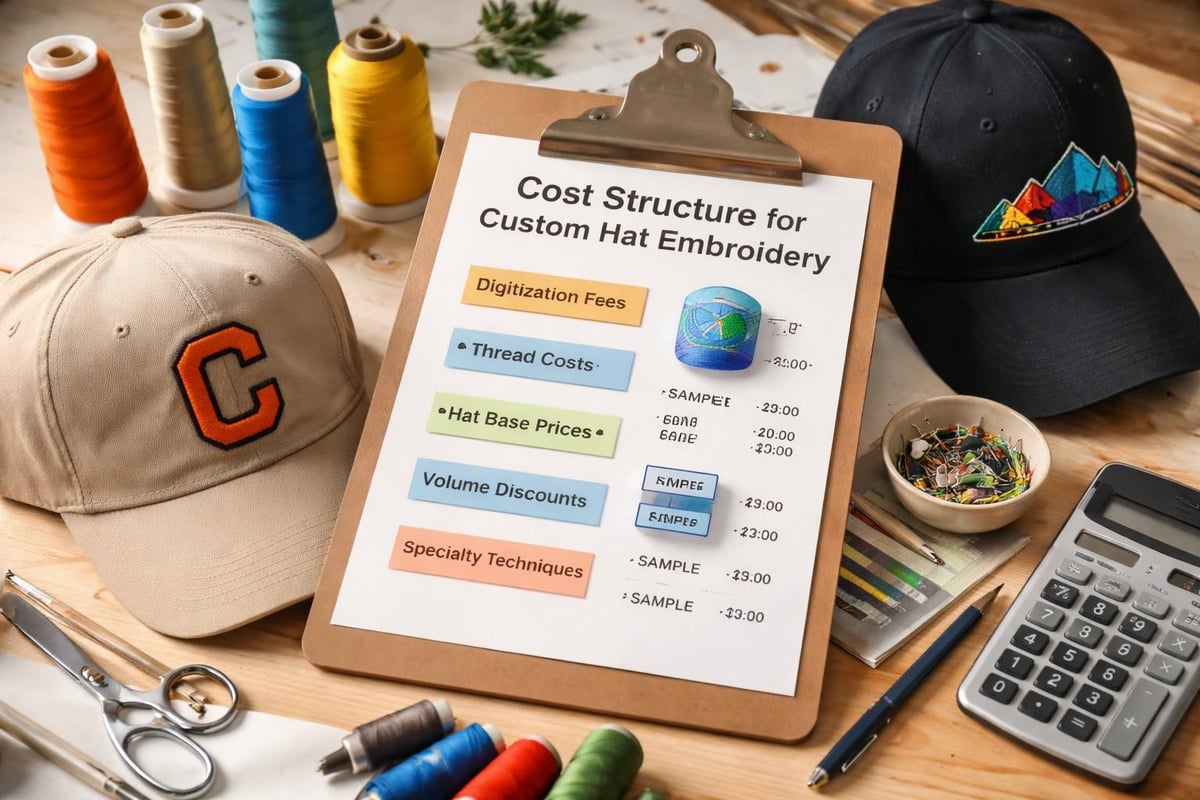
Custom hat embroidery pricing incorporates several variables beyond the base hat cost. Understanding these factors enables accurate budgeting and helps identify opportunities for cost optimization without sacrificing quality.
Primary cost components include:
- Base hat wholesale price
- One-time digitization or setup fees
- Per-stitch embroidery charges
- Thread color changes (additional colors add cost)
- Special techniques like 3D puff or appliqué
- Quantity discounts on larger orders
Digitization fees typically apply only to new designs, making reorders of previously embroidered items more economical. This cost structure rewards long-term relationships with embroidery providers and benefits businesses ordering the same design across multiple production runs.
Volume significantly impacts per-unit pricing. While some providers maintain minimum order requirements, the trend toward flexible production has opened custom hat embroidery to businesses of all sizes. Comparing providers based on your specific order quantity ensures optimal value.
Applications Across Industries
Custom hat embroidery serves diverse business needs, from corporate branding to retail merchandise. Understanding industry-specific applications helps identify opportunities for leveraging embroidered headwear within your organization.
Corporate clients frequently order embroidered hats for employee uniforms, creating cohesive team appearances that reinforce brand identity. The professional appearance of embroidery elevates perceived value compared to printed alternatives, making it ideal for customer-facing staff. These items also function as unique corporate gifts that recipients actually use.
Retail and E-Commerce Opportunities
The rising trend of custom embroidered hats in retail markets reflects consumer appreciation for quality craftsmanship. Boutique brands and established retailers alike have discovered strong margins on embroidered headwear, particularly when designs align with current fashion trends.
E-commerce platforms enable businesses to offer personalization options, allowing customers to add names, numbers, or custom text to stock designs. This approach combines the efficiency of standardized production with the appeal of personalized products, creating compelling value propositions that drive sales.
Design Tips for Professional Results
Creating embroidery-ready artwork requires different considerations than designs intended for screen printing or digital methods. Following professional guidelines from the start prevents costly revisions and ensures optimal results.
When preparing artwork, convert all text to outlines and ensure stroke widths meet minimum requirements. Avoid extremely detailed gradients or photographic elements that don't translate well to stitches. Instead, focus on bold shapes with clear definition between colors. Resources explaining how to make custom hats emphasize simplicity as the key to successful embroidery.
Professional design checklist:
- Artwork provided in vector format (AI, EPS, or PDF)
- Minimum text height of 0.25 inches
- Stroke widths of at least 0.5mm
- Limited color palette (2-4 colors ideal)
- Clear indication of desired placement location
- Pantone or thread color specifications
Test samples provide invaluable insight before committing to full production runs. Requesting a sample allows you to evaluate stitch quality, color accuracy, and overall appearance on the actual hat style. This step prevents surprises and ensures satisfaction with the final product.
Combining Embroidery with Other Decoration Methods
Mixed-media approaches combining custom hat embroidery with complementary decoration techniques create unique, eye-catching products. Strategic use of multiple methods maximizes visual impact while managing costs effectively.
Pairing embroidery with leather patches offers textural contrast and premium aesthetics. The embroidered portion delivers the three-dimensional quality that elevates perceived value, while leather patches accommodate larger design elements at lower per-unit costs. This combination appears frequently in custom hat trends for 2026.
Some designs benefit from combining embroidery on front panels with printed elements on side or back panels. This approach works particularly well when front embroidery features a primary logo while secondary information like websites or taglines appears printed elsewhere on the hat.
Maintenance and Care for Embroidered Hats
Proper care extends the life of embroidered hats, ensuring designs remain vibrant and intact through years of use. Educating customers about maintenance practices protects your brand reputation and enhances customer satisfaction.
Machine washing embroidered hats requires gentle cycles and cool water to prevent thread damage. Placing hats in protective mesh bags prevents catching and pulling during the wash cycle. Air drying maintains hat shape better than machine drying, which can cause shrinkage and distortion of embroidered areas.
Spot cleaning provides the gentlest option for removing minor stains without subjecting the entire hat to washing. A soft brush and mild detergent typically handle most situations effectively. For valuable or delicate embroidered items, professional cleaning services specializing in decorated apparel offer the safest option.
Working with Professional Embroidery Services
Selecting the right embroidery partner significantly impacts project success. Professional services bring expertise, equipment, and quality control systems that ensure consistent results across orders of any size.
When evaluating providers, consider their digitization capabilities, thread color selection, production capacity, and turnaround times. Services offering in-house digitization typically deliver better results than those outsourcing this critical step. Access to extensive thread color libraries enables precise brand matching that maintains consistency across all marketing materials.
Communication proves essential throughout the embroidery process. Clear specifications regarding placement, sizing, and thread colors prevent misunderstandings. Providing reference images showing desired results helps embroiderers understand your vision and deliver accordingly. Don't hesitate to ask questions through available FAQ resources or direct contact with production teams.
Custom hat embroidery represents an investment in quality, durability, and professional brand presentation that pays dividends through enhanced visibility and customer perception. By understanding techniques, trends, and design principles, businesses can create impactful embroidered headwear that resonates with target audiences while standing the test of time. Whether you need corporate uniforms, promotional giveaways, or retail merchandise, Custom 101 Prints delivers professional embroidery services with no minimum orders and fast turnaround times throughout New York, helping you bring your vision to life with exceptional craftsmanship.