
Wholesale silk screen printing is experiencing explosive growth, opening lucrative opportunities for businesses, organizations, and entrepreneurs eager to scale in 2026. In a rapidly evolving industry, understanding the wholesale silk screen printing process is essential for staying ahead of the competition.
This expert guide demystifies every step, from foundational knowledge to advanced strategies. You will discover best practices, innovative technologies, and actionable insights to help your venture thrive.
As you read, you will build awareness of industry shifts, spark interest in key benefits, create desire for proven strategies, and be inspired to take action with the comprehensive knowledge provided. Get ready to explore the basics, step-by-step processes, quality control, pricing tactics, and future trends shaping wholesale silk screen printing.
Understanding Wholesale Silk Screen Printing
Wholesale silk screen printing has become a cornerstone of custom apparel and product decoration, offering unmatched versatility for businesses, organizations, and entrepreneurs. This method stands out for its ability to produce vibrant, durable prints on a variety of surfaces. Understanding what sets wholesale silk screen printing apart and how it works at scale is essential for anyone looking to thrive in this dynamic industry.
What Is Silk Screen Printing?
Silk screen printing is a time-tested process that uses mesh screens, ink, and pressure to transfer designs onto substrates like fabric or plastic. The core principle involves pushing ink through a stenciled screen to create crisp, vibrant images. Unlike direct-to-garment (DTG) or sublimation printing, silk screen printing excels at producing bold colors and sharp details, even in high-volume runs.
| Printing Method | Best For | Durability | Cost per Unit | Color Vibrancy |
|---|---|---|---|---|
| Silk Screen | Bulk orders, simple colors | High | Low (bulk) | Excellent |
| DTG | Small runs, complex images | Moderate | Higher | Good |
| Sublimation | Polyester, all-over prints | High | Moderate | Good |
Key components include screens (often polyester mesh), specialized inks, and substrates like cotton t-shirts, tote bags, or signage. A classic example is printing branded t-shirts for a corporate event, where consistency and quality are crucial. To explore a direct comparison, see Comparing DTG and screen printing.
The Wholesale Model Explained
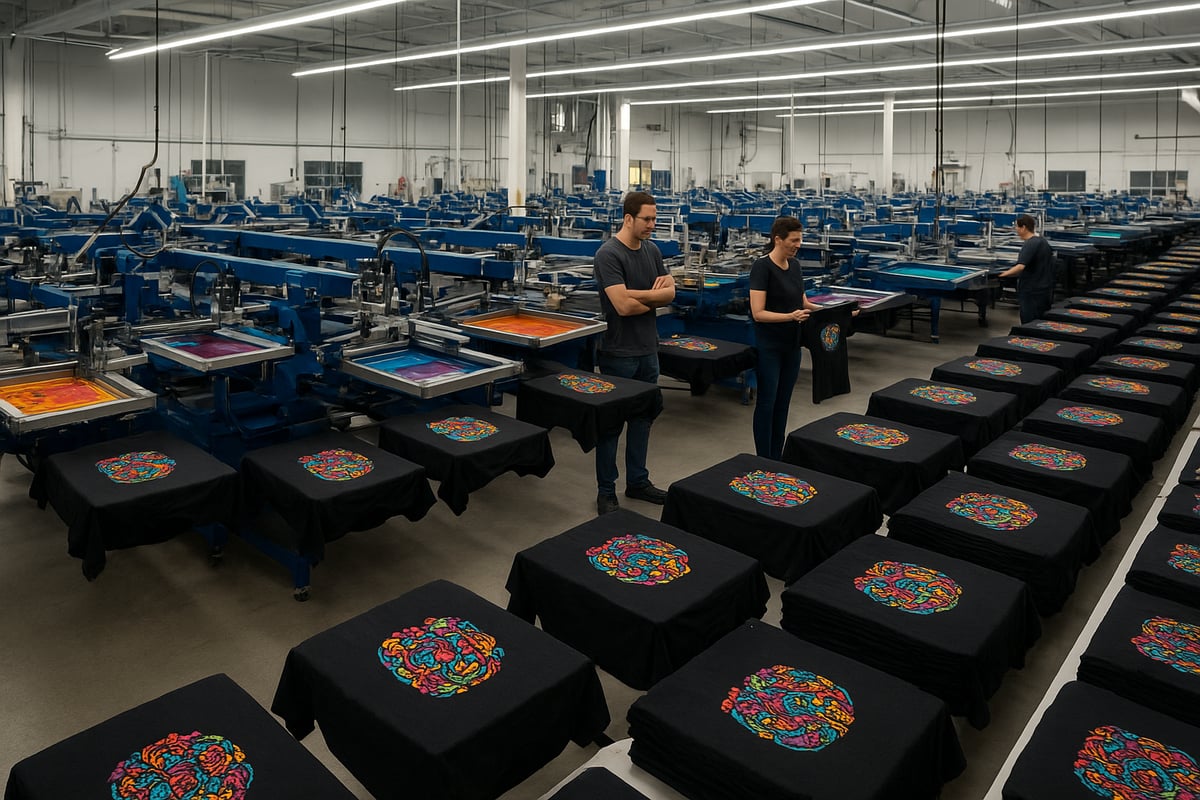
In the context of wholesale silk screen printing, "wholesale" refers to producing large quantities of custom-printed products, typically for resale or organizational use. Standard wholesale orders often start at 50 to 100 units, scaling up to thousands for major campaigns.
The primary benefits of wholesale silk screen printing include:
- Lower cost per unit as order size increases
- Consistent quality across large batches
- Efficient production timelines
Target customers for wholesale silk screen printing include:
- Promotional product resellers
- Clothing brands and designers
- Schools and universities
- Nonprofits and corporate organizations
According to Grand View Research, the global custom t-shirt printing market is projected to reach $10 billion by 2026, highlighting the immense opportunity for those leveraging wholesale silk screen printing models.
Advantages and Challenges
Wholesale silk screen printing offers several advantages:
- Lower unit costs: Bulk production reduces expenses per item.
- Efficient workflows: Automated presses speed up large orders.
- Higher profit margins: Resellers and brands can scale profitably.
However, there are challenges:
- Upfront investment: Equipment and inventory costs can be significant.
- Inventory management: Storing and tracking large batches requires precision.
- Quality control: Maintaining consistency across thousands of pieces is demanding.
Common pitfalls in wholesale silk screen printing include inaccurate order forecasting, delayed approvals, and inconsistent print quality. Avoid these by implementing clear communication channels, robust quality checks, and reliable supply chain partners.
Key Industry Players and Supply Chain
The wholesale silk screen printing ecosystem includes manufacturers (who supply blanks and materials), distributors, and specialized print shops. Contract printers play a crucial role, handling large-scale orders for brands or resellers who lack in-house production.
Fulfillment services have also become vital, offering packing, tagging, and direct shipping to end customers or retail partners. For example, a national brand might outsource a 5,000-shirt campaign to a contract printer, who handles everything from printing to distribution.
Understanding your position within the wholesale silk screen printing supply chain enables you to leverage partnerships and streamline operations, ensuring your business remains competitive as the industry evolves.
Step-by-Step Process of Wholesale Silk Screen Printing
Navigating the world of wholesale silk screen printing requires a well-structured, repeatable process designed for volume, speed, and accuracy. Each stage, from design to delivery, plays a crucial role in ensuring high-quality results at scale. Below, we break down the essential steps and highlight best practices to help you streamline operations and maximize profitability.
Step 1: Design Preparation
The journey of wholesale silk screen printing begins with meticulous design preparation. High-resolution, print-ready artwork is essential for sharp, vibrant prints. Files should be submitted in vector formats like AI or EPS, ensuring scalability without loss of quality.
Color separations are critical, especially for multi-color jobs. Each color in the design must have its own layer, allowing precise setup in later stages. Communicating clearly with your printing partner streamlines the approval process and reduces revision delays.
For example, a corporate event T-shirt order often requires brand color matching and logo placement. Providing detailed mockups and color references helps ensure your wholesale silk screen printing project starts on the right foot.
Step 2: Screen Creation and Setup
Once the design is finalized, the next step is creating and preparing screens. Each color in the artwork requires a separate screen, coated with light-sensitive emulsion. The design is transferred onto the mesh by exposing it to UV light through a film positive.
Accurate registration is vital, especially for multi-color prints. Proper alignment ensures that each layer of ink sits perfectly atop the previous one. For wholesale silk screen printing, automated presses often use micro-registration systems to speed up this process.
An example is the 4-color process used for detailed graphics, where cyan, magenta, yellow, and black screens are meticulously aligned to produce full-color images. Efficient screen setup reduces downtime and increases throughput.
Step 3: Ink Selection and Mixing
Choosing the right ink is a pivotal part of wholesale silk screen printing. Options include plastisol, water-based, and discharge inks, each offering unique characteristics. Plastisol is preferred for its durability and vibrancy, while water-based inks deliver a softer hand feel and eco-friendliness.
Color matching is another essential step for brand consistency. Mixing custom shades requires precision and experience, especially when fulfilling bulk orders for established brands. For an in-depth look at available choices, explore the screen printing ink color options.
Environmental considerations are increasingly important. Many printers now opt for eco-friendly inks to meet client demands and regulatory requirements, ensuring wholesale silk screen printing remains sustainable and compliant.
Step 4: Printing Execution
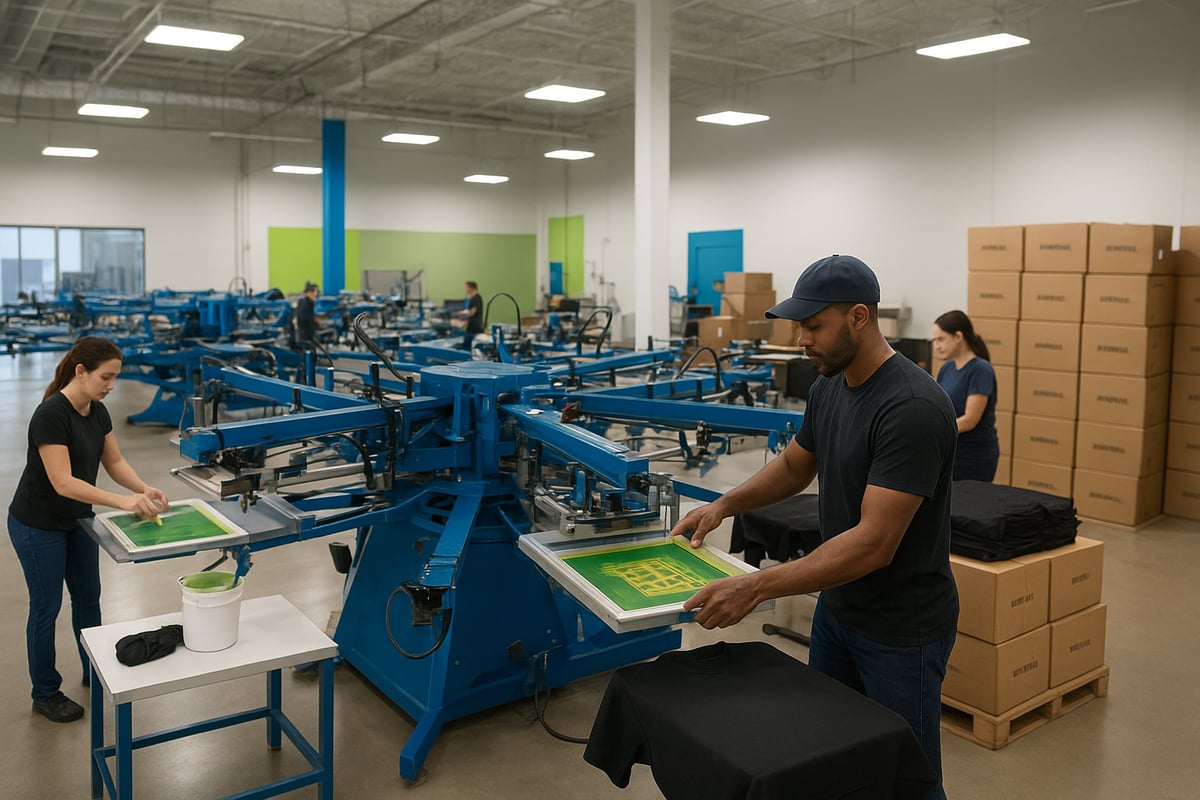
With screens and inks ready, printing begins. Wholesale silk screen printing operations often utilize automatic presses for efficiency and consistency. These machines can handle up to 1,000 prints per hour, making them ideal for large-scale runs.
Manual presses may be used for specialty or short-run jobs, but automation is preferred for volume. Maintaining steady production speeds and monitoring for defects ensures deadlines are met without sacrificing quality.
A well-optimized workflow allows printers to switch between jobs quickly, maximizing output and minimizing downtime. This attention to process is what sets leading wholesale silk screen printing providers apart.
Step 5: Curing and Finishing
After printing, garments require curing to set the ink. Proper curing is crucial for durability and wash resistance. Conveyor dryers are commonly used in wholesale silk screen printing, ensuring even heat distribution and efficient processing.
Quality checks are performed at this stage, focusing on print alignment, color accuracy, and ink adhesion. Wash tests may be conducted for high-volume orders to guarantee longevity.
Finishing touches, such as folding, bagging, and tagging, add value and prepare products for retail or event distribution. These services can be a differentiator in the competitive wholesale silk screen printing market.
Step 6: Packing and Shipping
Packing and shipping are the final steps in the wholesale silk screen printing process. Bulk packaging methods are selected based on the order size and product type, with care taken to prevent damage during transit.
Logistics planning is essential. Many printers offer freight, drop-shipping, or direct-to-store delivery options. For example, shipping custom apparel directly to retail partners or event venues streamlines distribution and saves clients valuable time.
Efficient packing and reliable shipping ensure clients receive their wholesale silk screen printing orders on schedule, ready for immediate use or sale.
Common Bottlenecks and Solutions
Despite careful planning, bottlenecks can arise in wholesale silk screen printing. Delays in artwork approval, extended screen setup times, and supply chain disruptions are common challenges.
To overcome these, implement strategies such as:
- Establishing clear design submission guidelines
- Investing in automated screen setup equipment
- Building strong relationships with material suppliers
- Utilizing workflow management software
Proactive communication and continuous process improvement are key to minimizing errors and keeping wholesale silk screen printing operations running smoothly.
Essential Equipment, Materials, and Technology for 2026
The landscape of wholesale silk screen printing is rapidly evolving as we approach 2026. Staying ahead requires a keen understanding of new technology, materials, and eco-friendly practices. Businesses that invest in the right tools and strategies can unlock faster production, better quality, and greater profitability.
Latest Equipment Innovations
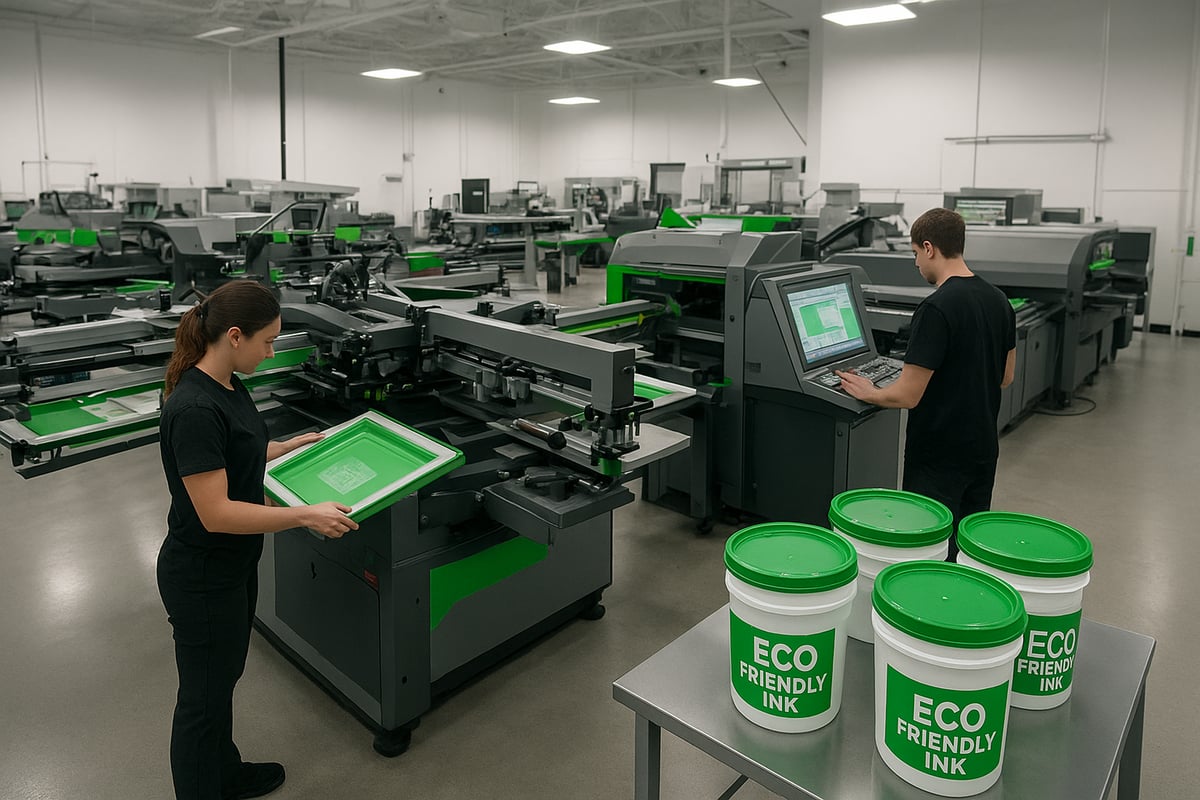
In 2026, automatic screen printing presses have set new standards in speed and reliability. These machines now boast features like rapid job changeovers, digital touchscreens, and integrated sensors that minimize setup times by up to 30 percent. For wholesale silk screen printing, this means faster turnaround and lower labor costs.
Digital hybrid systems are also gaining ground. These combine the best of traditional and digital printing, offering flexibility for both large and short runs. For example, new hybrid models seamlessly switch between screen and digital modes, allowing for on-the-fly customization and complex color gradients.
Production metrics have improved significantly. Some presses now achieve outputs of over 1,000 prints per hour, making it possible to fulfill bulk orders quickly without sacrificing quality. Investing in such technology ensures your wholesale silk screen printing operation remains competitive.
Screen and Ink Technology
Advancements in screen and ink technology are transforming the wholesale silk screen printing process. High-tension mesh screens deliver sharper, more detailed graphics, which is crucial for intricate designs and brand consistency.
Eco-friendly inks are in high demand. Water-based, discharge, and specialty options such as metallic or puff inks are increasingly popular. These inks not only meet rising environmental standards but also offer a wider range of effects for clients seeking unique finishes.
Compliance with safety and environmental regulations is a top priority. Inks used in wholesale silk screen printing must adhere to global standards to ensure products are safe for consumers and the environment. This focus on sustainable ink technology helps businesses build trust and credibility.
Substrates and Product Options
The range of substrates available in wholesale silk screen printing continues to expand. While cotton and cotton-blend apparel remain staples, there is growing demand for performance fabrics, recycled materials, and specialty eco-friendly garments.
Beyond apparel, print shops now handle bags, hats, and even unconventional substrates like bamboo or recycled polyester. This versatility allows businesses to serve a wider market and offer comprehensive solutions to clients.
Niche markets, such as athleisure or branded merchandise for influencers, often require specialty substrates. Meeting these needs positions a wholesale silk screen printing operation as a go-to source for innovative, high-quality products.
Workflow Automation and Software
Automation is a game changer for wholesale silk screen printing. Print management platforms now integrate directly with e-commerce systems, streamlining order entry, inventory tracking, and scheduling. This reduces human error and increases order accuracy.
RIP (Raster Image Processor) software enables precise color management and faster file processing. Automated workflow tools track jobs from design approval to shipment, ensuring every order is handled efficiently. For a comprehensive look at how these innovations support the wholesale process, see this Screen printing services overview.
Inventory and order management systems also optimize supply chain logistics, helping print shops reduce lead times. By embracing workflow automation, businesses can scale operations and handle higher order volumes with ease.
Sustainability and Eco-Friendly Practices
Sustainability is now central to wholesale silk screen printing. The adoption of water-based and biodegradable inks is on the rise, reducing the environmental impact of each print run. Automated reclaim systems help minimize waste by efficiently cleaning and reusing screens.
Print buyers are increasingly prioritizing eco-friendly options. According to a PrintWeek survey, 65 percent prefer sustainable printing solutions. Wholesale silk screen printing businesses that invest in green practices gain a competitive edge and appeal to environmentally conscious clients.
Regulatory trends are also shaping the industry, with stricter guidelines on waste management and chemical use. Staying compliant while adopting sustainable technologies ensures long-term success and a positive brand reputation.
Quality Control and Consistency in Bulk Orders
Ensuring quality control and consistency in bulk orders is essential for the success of any wholesale silk screen printing operation. High-volume production magnifies errors, so robust systems must be in place at every stage. With the right approach, you can deliver uniform, reliable products that keep clients satisfied and your reputation strong.
Pre-Production Proofing
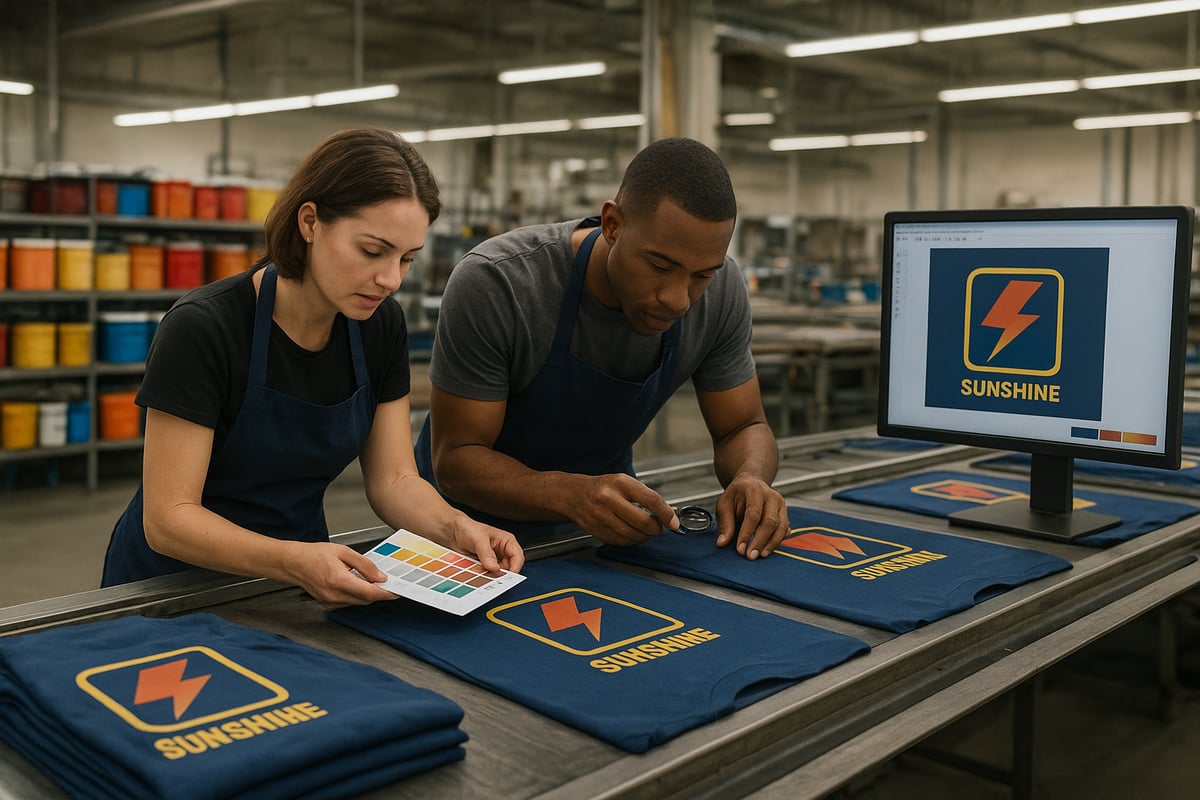
The first step in quality control for wholesale silk screen printing is pre-production proofing. Before any bulk run, printers and clients must agree on samples and test prints. This process ensures that artwork matches expectations in color, size, and placement.
Both digital and physical proofing methods are used. Digital proofs offer a quick way to confirm design layouts, while physical test prints reveal how inks interact with chosen substrates. For large orders, sample approval helps avoid costly reprints.
- Digital proof: On-screen design confirmation.
- Physical proof: Actual print on the intended garment.
- Approval process: Client signs off before production starts.
Thorough proofing at this stage sets the foundation for consistency throughout the wholesale silk screen printing process.
On-Press Quality Checks
Once production begins, continuous on-press quality checks are vital. Operators monitor registration to ensure all colors align correctly, and they check ink density for uniform coverage. Modern presses often include real-time defect detection systems, which alert technicians to issues instantly.
To maintain color consistency in wholesale silk screen printing, operators use color swatches and spectrophotometers. Regular checks prevent misprints and reduce waste.
- Registration checks: Keep designs sharp and in place.
- Ink density monitoring: Prevents faded or over-saturated prints.
- Automated systems: Catch errors before they multiply.
Staying vigilant during this stage keeps production on track and upholds client standards.
Post-Production Inspection
After printing, post-production inspection provides another layer of quality assurance in wholesale silk screen printing. This step involves spot checks, batch sampling, and sometimes a full review of the entire order.
Common quality issues include misprints, ghosting, and ink bleed. A simple table can help teams track problems and their frequency:
| Issue | Description | Solution |
|---|---|---|
| Misprint | Off-center or blurry print | Adjust screens |
| Ghosting | Faint double image | Improve registration |
| Ink Bleed | Colors spreading | Use proper mesh |
Batch sampling allows detection of issues before shipping, ensuring only top-quality products reach customers.
Managing Returns and Reprints
Even with strict controls, occasional defects may occur in wholesale silk screen printing. Having clear policies for returns and reprints is crucial. Addressing customer complaints quickly helps preserve business relationships and reputation.
Key elements of an effective returns process include:
- Clear documentation: Photograph and log defects.
- Fast response: Process claims promptly.
- Efficient rework: Prioritize urgent reprints.
A streamlined approach reduces downtime and keeps clients satisfied, turning challenges into opportunities for trust-building.
Case Study: High-Volume Order Quality Management
Consider a national brand placing a 10,000-piece order through a wholesale silk screen printing partner. The print shop starts with detailed sample approval, then implements hourly on-press checks and batch inspections after every 500 units.
To stay competitive and consistent, the shop adopts automated monitoring and tracks results in real time. As industry trends evolve, many print shops are leveraging advanced quality control measures, as highlighted in 2026 Will Reshape How Print Shops Compete. These steps ensure that every item meets the client’s specifications and that any issues are resolved before shipping.
A systematic approach to quality management builds long-term partnerships and positions your wholesale silk screen printing business for future growth.
Pricing Strategies and Profitability in Wholesale Silk Screen Printing
Setting the right pricing strategy is crucial for profitability in wholesale silk screen printing. With high-volume orders, small shifts in cost or margin can significantly impact your bottom line. Understanding the core components of pricing, market benchmarks, and effective negotiation tactics will help your business stay competitive and profitable as the industry evolves.
Cost Components and Pricing Models
To achieve sustainable profitability, break down all costs involved in wholesale silk screen printing. These typically include materials, labor, setup, overhead, and shipping. Here is a simple table for reference:
| Cost Component | Typical Percentage of Total Cost |
|---|---|
| Materials | 30% |
| Labor | 25% |
| Setup | 15% |
| Overhead | 20% |
| Shipping | 10% |
Adopting tiered pricing models rewards larger orders with volume discounts, encouraging clients to scale up. For example, printing 500 shirts may cost $4 per unit, while a 5,000-shirt run could drop to $2.50 per unit. Staying aware of market growth and pricing trends, as highlighted in the Custom T-shirt Printing Market Growth & Trends report, can help inform your strategy.
Calculating Margins and ROI
Profitability in wholesale silk screen printing hinges on precise margin calculations. Set wholesale rates that cover all direct and indirect expenses, then add a margin that sustains your business. Remember to factor in hidden costs such as:
- Rush order surcharges
- Reprints for quality issues
- Spoilage and waste
- Administrative time
Regularly review your ROI per order to ensure long-term growth. Use margin calculators or simple formulas to track profitability by client and job type.
Competitive Analysis
Benchmark your wholesale silk screen printing prices against leading industry players. Analyze competitors’ offerings, turnaround times, and service packages. Adjust your rates based on market trends, client expectations, and perceived value. Staying agile allows you to respond to shifts in demand or supply costs, keeping your business resilient.
Value-Added Services
Increase your average order value by offering value-added services alongside wholesale silk screen printing. These can include:
- Specialty finishing (folding, bagging, tagging)
- Custom packaging or fulfillment
- Design and branding consultations
Premium options not only boost profits but also differentiate your business in a crowded market.
Negotiation and Contract Best Practices
Successful negotiation in wholesale silk screen printing starts with clear, transparent communication. Structure deals with resellers and large clients using well-defined minimum order quantities, payment schedules, and quality guarantees. Protect your margins by outlining terms for rush jobs, reprints, and cancellations in every contract. These practices foster long-term partnerships and financial stability.
Future Trends and Opportunities in Wholesale Silk Screen Printing
The pace of change in wholesale silk screen printing is accelerating, driven by innovation, consumer demand, and global market shifts. As we look to 2026, key trends are reshaping how businesses approach bulk production, customization, and sustainability.
Digital Integration and Hybrid Printing
Digital technology is merging with traditional processes, creating hybrid presses that combine the vibrancy of silk screen with the flexibility of digital printing. This hybrid approach enables on-demand customization at wholesale scale, meeting both short and long run requirements efficiently. According to Screen and Digital Printing Market Analysis, the market value of screen and digital printing continues to climb, reflecting a broader adoption of these solutions. Wholesale silk screen printing providers leveraging hybrid systems are able to offer unmatched versatility and faster turnaround.
Automation and AI in Production
Automation is revolutionizing wholesale silk screen printing. Advanced presses now feature predictive maintenance and workflow optimization powered by artificial intelligence. Real-time quality control systems help catch errors before they escalate, while automated order and inventory management reduce manual input. Industry surveys reveal that 40 percent of print shops plan to invest in automation by 2026, signaling a major shift in production strategy. By embracing these technologies, wholesale silk screen printing operations can minimize downtime and maintain consistent quality.
Sustainability and Regulatory Trends
Sustainability has become a top priority in wholesale silk screen printing. Print buyers increasingly demand eco-friendly materials, water-based inks, and reduced waste. Automated reclaim systems are helping shops lower their environmental footprint, while regulatory changes are expected to impact ink composition and waste handling requirements. Companies that prioritize green practices not only gain a competitive edge but also ensure compliance with evolving industry standards. This focus on sustainability will define the reputation of wholesale silk screen printing providers in the coming years.
E-Commerce and Fulfillment Evolution
E-commerce is transforming how wholesale silk screen printing businesses connect with clients. Print shops now integrate directly with online stores and marketplaces, enabling seamless order processing and real-time inventory updates. Dropshipping and print-on-demand models are becoming standard, giving wholesale clients the ability to offer customized products without holding inventory. This streamlined fulfillment approach allows brands to scale rapidly and respond to market trends with agility.
Globalization and Supply Chain Shifts
The global supply chain for wholesale silk screen printing is evolving in response to recent disruptions. Sourcing challenges have prompted many companies to explore nearshoring and domestic production for faster turnaround times and greater reliability. This shift brings opportunities for regional print shops to capture larger wholesale contracts, while also emphasizing the importance of resilient logistics networks. With these changes, wholesale silk screen printing providers are better positioned to serve diverse markets and adapt to global uncertainties.
New Market Opportunities
Emerging markets offer fresh revenue streams for wholesale silk screen printing. Growth areas include:
- Athleisure and performance wear
- Custom sportswear and uniforms
- Branded merchandise for influencers and events
For example, the custom T-shirt sector alone is projected to experience significant gains, as highlighted in the Custom T-shirt Printing Market Size & Forecast report. By targeting these niches, print shops can diversify their client base and capitalize on evolving consumer preferences.