First impressions can open doors or close them instantly, especially in 2026’s fast-paced business world. As competition intensifies, professionals are searching for creative ways to leave a mark that lasts beyond a handshake.
This definitive guide to shaped business cards reveals how innovative designs can set you apart and make your brand unforgettable.
You will discover the history and evolution of business cards, the unique benefits of shaped business cards, the latest trends in shapes and materials, effective design strategies, an overview of the ordering process, and what to expect in 2026.
Ready to capture attention, spark interest, and inspire action? Explore how shaped business cards can transform your networking game.
The Evolution of Business Cards: Why Shape Matters in 2026
Business cards have been a networking staple for centuries, symbolizing professionalism and establishing first impressions. Traditionally, business cards were simple rectangles, serving as a portable introduction and a tactile reminder of a meeting or handshake.
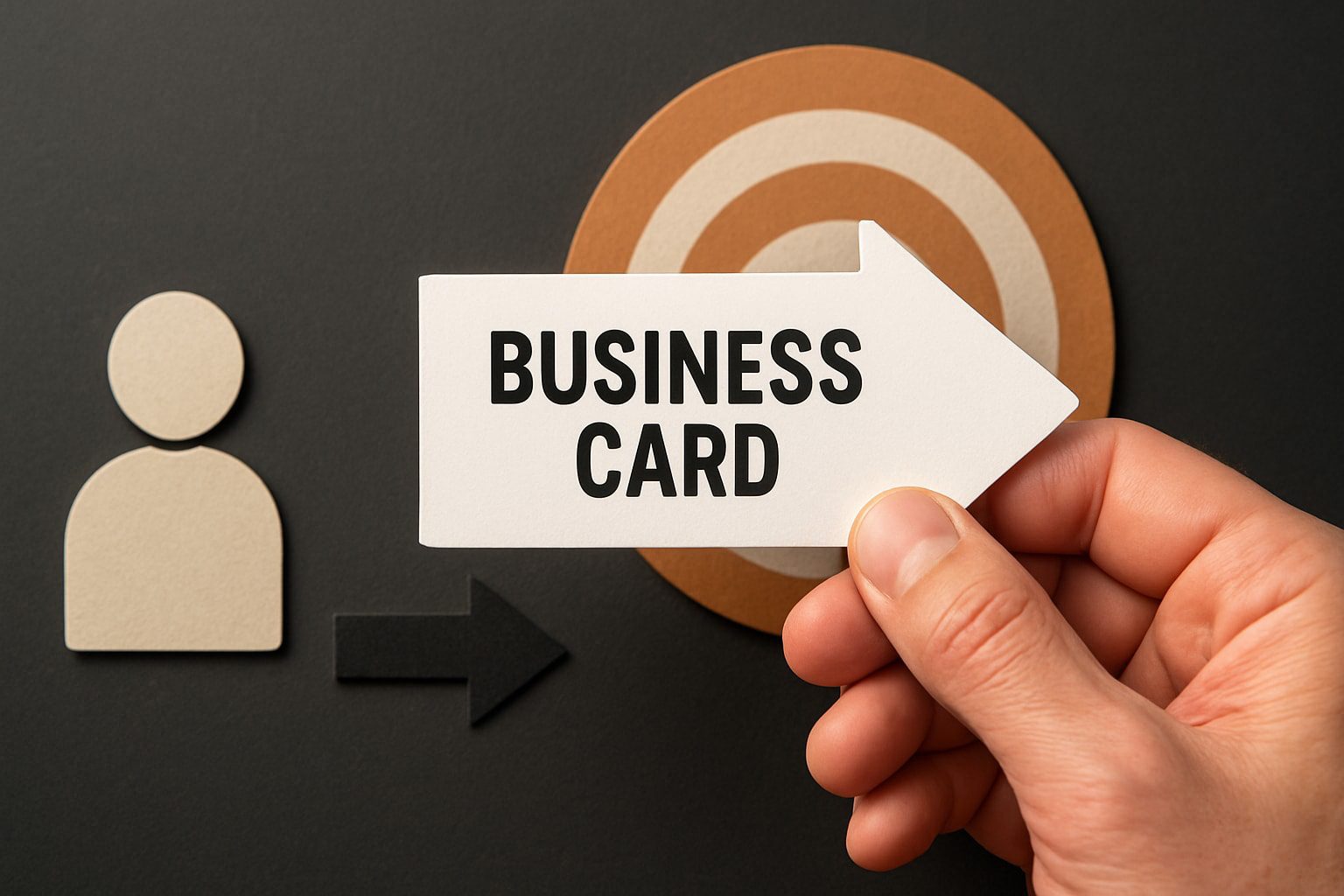
As markets grew more competitive, the limitations of standard cards became clear. Everyone had the same shape, making it difficult to stand out. The rise of shaped business cards reflects a shift toward innovation. Companies now use creative die-cuts and custom outlines to break from the ordinary, capturing attention in crowded networking spaces.
Why does shape matter so much? Consumer psychology offers the answer. People remember what feels different. Cards that are visually and tactilely unique trigger stronger recall. According to a recent industry survey, custom-shaped business cards are 42% more likely to be kept than standard ones. This data reveals the power of design in making a lasting impression.
The digital era brought predictions that physical cards would vanish, replaced by virtual connections. Yet, shaped business cards prove the opposite. Tangible cards foster genuine connections, providing a sensory experience that digital exchanges lack. Holding a uniquely shaped card creates a physical link to a brand, making it harder to forget.
Notable brands and industries have embraced shaped business cards to distinguish themselves. Creative agencies use abstract shapes to reflect their artistic edge. Real estate agents often opt for house-shaped cards, while tech startups may choose circuit-inspired outlines. These choices are more than aesthetic—they tell a story about the brand’s values and expertise.
Shape also plays a crucial role in brand storytelling and identity. A well-chosen shape can reinforce a company’s mission, evoke emotion, or spark curiosity. For example, eco-conscious brands might select leaf-shaped cards to symbolize sustainability, while luxury brands may choose sleek metallic finishes paired with bold geometric shapes.
As 2026 approaches, new trends are shaping the future of business card design. Minimalism meets innovation, with simple yet bold outlines dominating the scene. Brands are investing in shapes that align with their industry and audience, leveraging materials and finishes to enhance memorability.
For those seeking inspiration or a deeper dive into the latest creative directions, resources like Business Card Design Trends 2026 offer valuable insight into the most popular shapes, materials, and concepts defining the landscape.
In summary, shaped business cards are not just a fleeting trend. They are a strategic tool for lasting impact, blending tradition with modern creativity. As competition intensifies, the shape of your card may be the edge that sets your brand apart.
Popular Shaped Business Card Styles and Materials
In a crowded marketplace, the style and substance of your shaped business cards can define the first impression you make. Selecting the right shape, material, and finish ensures your card is not only memorable but also practical and on brand.
Most In-Demand Shapes
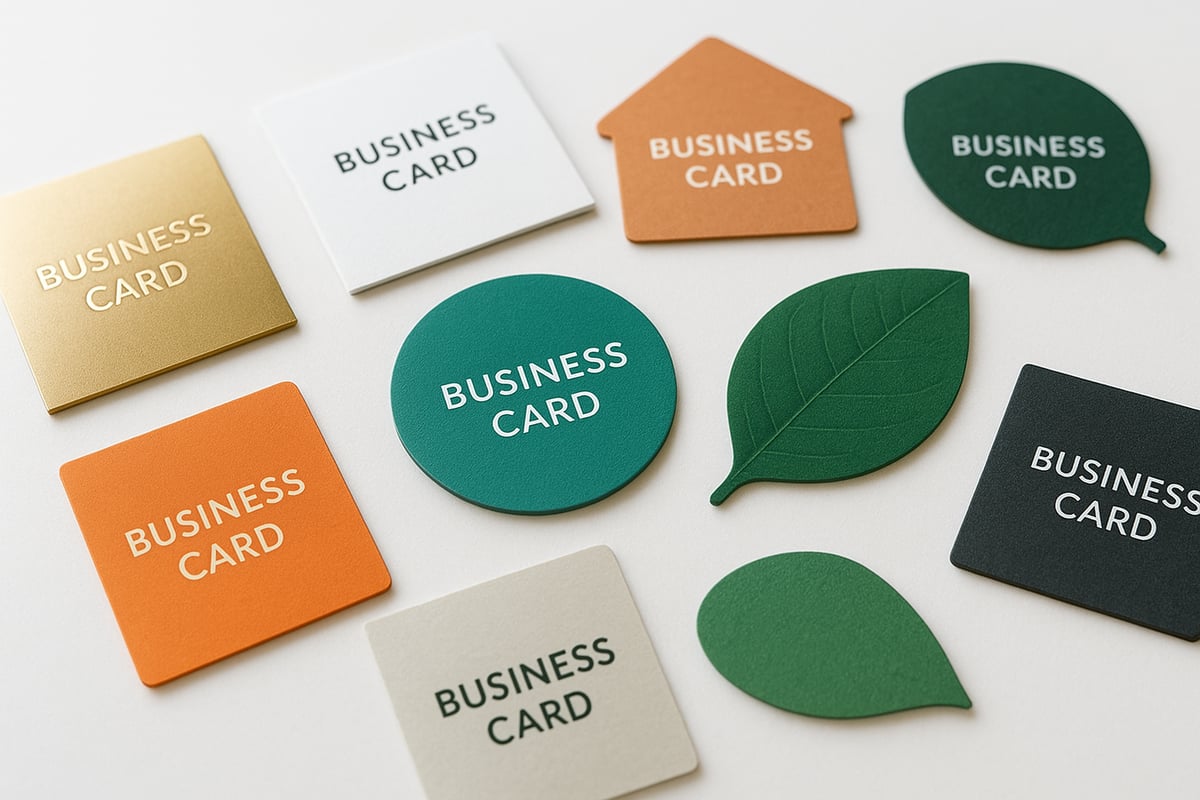
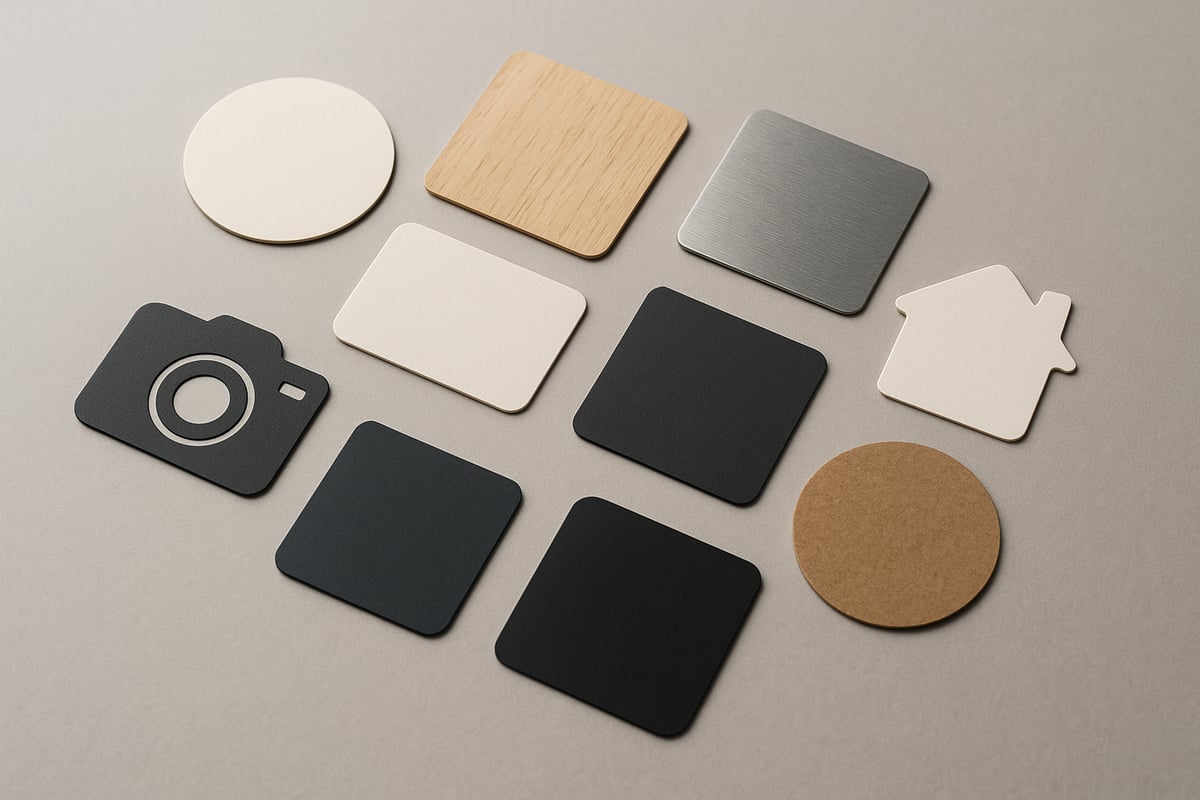
Shaped business cards have moved well beyond the classic rectangle. In 2026, the most popular shapes include circles, ovals, squares, and cards with rounded corners. Custom die-cut cards, such as leaves, hearts, or even industry-specific icons, are also in high demand.
Industry professionals are getting creative. Photographers opt for camera-shaped cards, while realtors prefer house silhouettes. Designers and artists often select abstract or geometric forms that reflect their unique style. Minimalist shapes like squares and circles remain popular for their modern appeal, while bold specialty shapes stand out at networking events.
Competitor galleries show a surge in requests for custom shapes, especially in creative and hospitality sectors. According to recent product listing data, customers increasingly prefer variety, with shaped business cards making up a growing share of premium orders.
- Pros: Unforgettable, visually distinctive, ideal for storytelling.
- Cons: Some shapes may have limited practicality or fit.
For precise and intricate shapes, businesses now leverage advanced technology like laser cutting services for cards. This process enables crisp edges and detailed designs, expanding the possibilities for shaped business cards.
Minimalist or bold? The choice depends on your brand’s voice. Minimal shapes are sleek and versatile. Bold, custom shapes can make an instant statement and boost recall.
Material Choices and Finishes
The material of your shaped business cards says as much about your brand as the design itself. Traditional paper and cardstock remain staples for their print quality and cost-effectiveness. Plastic cards are valued for their durability and modern feel. Metal and wood are emerging as premium options, especially for brands that want to convey strength or sustainability.
| Material | Durability | Tactile Feel | Eco-Friendly | Print Quality | Cost |
|---|---|---|---|---|---|
| Cardstock | Moderate | Smooth | Varies | Excellent | Affordable |
| Plastic | High | Sleek | Low | Good | Moderate |
| Metal | Very High | Cool/Heavy | Medium | Sharp | Premium |
| Wood | High | Natural | High | Unique | Premium |
Popular finishes include matte, gloss, suede, silk, foil, spot UV, and embossed or debossed textures. These finishes add tactile dimension and elevate the perceived value of shaped business cards.
- Matte: Modern, non-reflective, easy to write on.
- Gloss: Vivid colors, smooth touch, fingerprint-prone.
- Foil/Embossed: Luxurious, eye-catching, best for logos.
For sustainability-focused brands, wood and recycled cardstock reinforce eco-friendly values. Data from competitor content shows a marked rise in demand for specialty materials and finishes in 2026, with customers willing to invest more for cards that feel unique.
Cost, durability, and print quality all influence material choice. While metal and wood cost more, they leave a memorable impression and often result in higher retention.
Sizing, Thickness, and Portability
The dimensions of shaped business cards are as crucial as their design. Standard sizing ensures cards fit neatly in wallets and cardholders. However, custom sizing can create a dramatic impact when balanced with practicality.
Thickness ranges from standard (about 14pt) to ultra-thick (32pt+). Thicker cards feel more substantial and premium, but ultra-thick options may not suit every wallet or holder.
- Standard size: 3.5 x 2 inches (fits most holders)
- Square cards: 2.5 x 2.5 inches (trendy, compact)
- Slim cards: 1.5 x 3.5 inches (modern, portable)
For unconventional shapes, designers often recommend keeping at least one dimension within standard limits. This ensures shaped business cards remain portable and practical.
Industry standards in 2026 emphasize a balance between creativity and usability. Even the most unique shapes should be easy to distribute, store, and retrieve.
Solutions like rounded corners or slim profiles help shaped business cards stand out without sacrificing convenience. Prioritizing both design and function guarantees your cards make a lasting impression wherever they go.
The Branding Power of Shaped Business Cards
First impressions matter, and in 2026, your business card is often your brand's handshake. Shaped business cards are more than just a design trend—they are a strategic tool for making your brand unforgettable. Let’s explore how these uniquely crafted cards can elevate your brand identity, appeal to your target audience, and help you avoid common pitfalls.
How Unique Shapes Enhance Brand Recognition
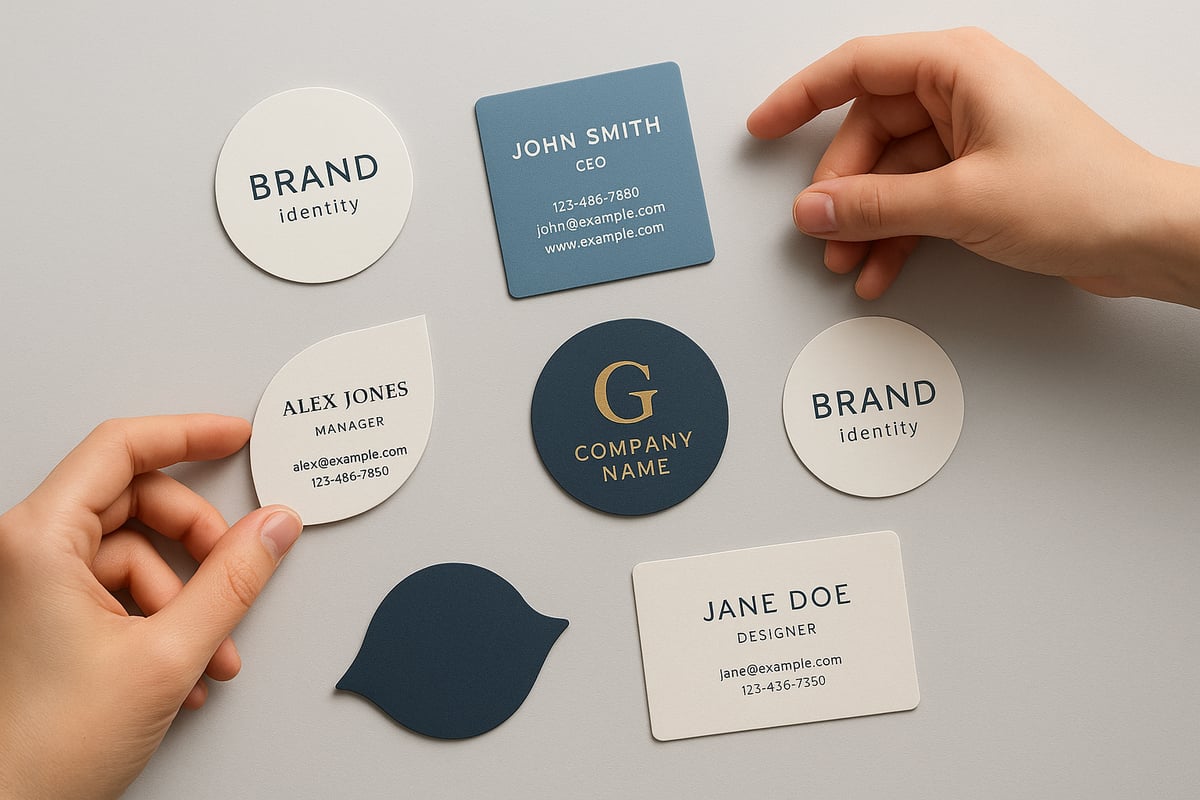
The human brain is wired to remember what stands out. Shaped business cards act as visual anchors, making your brand more memorable than standard rectangles. Psychologically, tactile and visual uniqueness triggers curiosity and cements your business in someone’s memory.
Recent studies show that shaped business cards boast a 42% higher retention rate compared to traditional cards. This translates to more callbacks, referrals, and lasting client relationships. For example, a tech startup using circuit board-shaped cards saw a notable uptick in networking engagement, while a boutique bakery’s cupcake-shaped card became a talking point at every event.
Color, texture, and shape work together to form a cohesive brand story. A bold, geometric card can signal innovation, while a soft, rounded card may evoke approachability. Choosing between subtle and bold shapes should align with your brand’s voice—subtle shapes suit conservative industries, while dramatic forms work for creative fields.
For a deeper dive into how design trends are shaping the future of business cards, check out Design Trends for Business Cards in 2026.
Shaped Cards for Different Industries
Not every industry benefits equally from shaped business cards, but the right shape can instantly communicate expertise. Creative professionals, such as photographers, often use camera-shaped cards, while realtors may opt for house silhouettes. Hospitality brands find success with cards shaped like chef hats or wine bottles, reinforcing their specialty at a glance.
Here’s a quick look at industry applications:
| Industry | Popular Shapes | Branding Impact |
|---|---|---|
| Real Estate | House, key | Instantly recognizable, trusted |
| Photography | Camera, lens | Creative, memorable |
| Hospitality | Chef hat, wine bottle | Expertise, specialty |
| Tech | Circuit board, chip | Innovation, modernity |
| Fitness/Wellness | Dumbbell, leaf | Health focus, sustainability |
Cross-industry inspiration is also on the rise. Some financial advisors use shield-shaped cards to symbolize security, while eco-friendly brands choose leaf or wood textures for authenticity. No matter the field, shaped business cards offer a canvas for expressing your unique value proposition.
Common Mistakes and How to Avoid Them
Even the most innovative shaped business cards can fall short if key details are overlooked. Common pitfalls include:
- Overcomplicating designs that hinder readability
- Selecting shapes that do not fit standard wallets or holders
- Using materials or finishes that lack durability
- Straying from consistent brand messaging for novelty’s sake
According to competitor FAQs, the most returned or discarded cards are those that are difficult to store or read. To maximize impact, prioritize practicality, legibility, and brand alignment in every design decision.
Designing Your Shaped Business Card: Step-by-Step Guide
Unlock the full potential of shaped business cards by following a proven, strategic approach to design. Each step in this guide ensures your card is not just memorable, but also perfectly aligned with your brand and business goals.
Step 1: Define Your Brand and Objectives
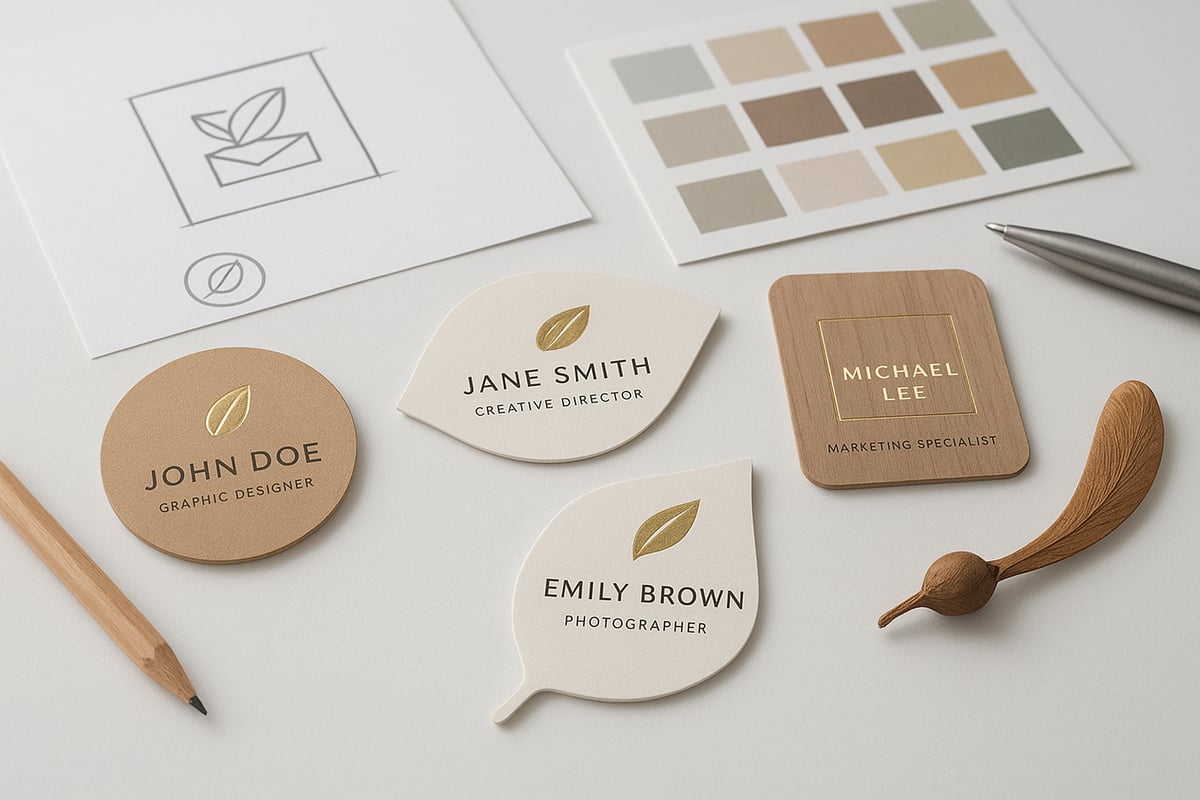
Begin by clarifying your brand’s unique personality. Are you bold and innovative, or classic and trustworthy? Identify your core values and select a color palette that embodies them.
Next, pinpoint your objectives. Is your goal to spark conversation at networking events, drive appointments, or share promotions? These choices influence the design of your shaped business cards.
For example, a tech startup might choose a vibrant palette and playful shape to attract attention, while a law firm may opt for subtle curves and muted tones for a sophisticated impression. According to industry data, cards that reflect a brand’s identity are more likely to generate lasting connections.
Keep your target audience in mind. What resonates with them visually and emotionally? By aligning your design with your business goals, you set the stage for impactful shaped business cards.
Step 2: Select the Right Shape and Material
Now, select a card shape that communicates your message. Circles, rounded squares, or custom silhouettes can reinforce your brand story. Tailor the shape to your industry. For example, a baker might use a cupcake-shaped card, while a photographer favors a camera outline.
Material is just as important. Choose between premium cardstock, plastic, metal, or sustainable wood. Each offers unique tactile and visual effects. For eco-conscious brands, recycled paper or bamboo speaks volumes.
| Shape | Material | Best For |
|---|---|---|
| Circle | Cardstock | Creative Agencies |
| Rounded Square | Plastic | Tech Companies |
| Leaf | Wood | Eco-Friendly Brands |
| Custom Die-Cut | Metal | Luxury Services |
Consider practicality. Will your shaped business cards fit in a wallet? Durability and print quality matter. By matching shape and material to your brand, you ensure your cards are both eye-catching and functional.
Step 3: Craft Your Design and Layout
Design clarity is crucial. Place your logo where it stands out, and ensure your contact details are easy to read. Use negative space wisely to avoid clutter, especially with shaped business cards that have unconventional outlines.
Font selection should prioritize readability. Choose typefaces that complement your brand’s style but remain legible at smaller sizes. Incorporate brand colors strategically to create visual hierarchy and guide the viewer’s eye.
Successful shaped business cards often feature a clear call-to-action, such as a QR code or appointment link. Minimalistic layouts can help your shape shine, while bold graphics add energy. Studies show that clean, well-organized designs drive up engagement and recall rates.
Remember, shaped business cards are both visual and tactile. Use texture and color synergy to create a memorable experience. Balance creative flair with the need for clarity, ensuring your message is never lost.
Step 4: Add Finishing Touches
Elevate your shaped business cards with premium finishes. Options include foil stamping, embossing, spot UV, or silk lamination. Each adds a unique tactile and visual element, enhancing perceived quality.
Consider how finishes align with your brand. For example, metallic foil suits luxury markets, while matte or suede finishes feel modern and understated. Embossed logos can create a sense of depth and prestige.
Here’s a quick comparison of popular finishes:
| Finish | Effect | Ideal For |
|---|---|---|
| Gloss | Vibrant, Reflective | Bold Brands |
| Matte | Smooth, Subtle | Minimalist Designs |
| Foil | Metallic Accents | Luxury Services |
| Embossed | Raised Texture | Professional Firms |
Select finishes that reinforce your message. Sensory appeal can set your shaped business cards apart, making them more likely to be kept and remembered.
Step 5: Proof, Print, and Review
Before sending your shaped business cards to print, request both digital and physical proofs. Carefully check every detail, from spelling to alignment, to avoid costly mistakes.
Collaborate closely with your designer and printer. Ask for recommendations on material, finish, and shape based on your design. Reviewing samples ensures your vision translates perfectly to the final product.
When selecting a printing partner, prioritize quality, customization options, and responsive support. Explore services like the Custom Printing Services Overview to understand the full range of capabilities available for shaped business cards.
A thorough review process safeguards brand consistency and ensures your shaped business cards leave a strong impression. Data shows that orders with proofing steps see higher satisfaction and retention rates, making this step essential for success.
Ordering, Customization, and Cost Factors in 2026
Selecting the right approach to ordering shaped business cards is crucial for making a memorable impact in 2026. With more options than ever before, businesses must weigh factors like print quality, customization, cost, and sustainability to maximize their investment. Let’s explore how to navigate the process with confidence.
How to Choose the Right Printing Partner
When ordering shaped business cards, the choice of printing partner can define the overall success of your branding project. Start by evaluating the printer’s portfolio to ensure they have experience with a variety of unique shapes and materials. Look for print providers that offer comprehensive customization and a wide range of finishes.
Key criteria for selection include:
- Print quality: Inspect samples to assess color fidelity, sharpness, and finish options.
- Customization range: Confirm the provider can handle specialty shapes and materials that align with your vision for shaped business cards.
- Turnaround time: Ask about production and shipping timelines, especially if you have upcoming events or launches.
- Customer service: Choose a partner with responsive support and clear communication.
Top-rated providers often stand out by offering digital proofs, sample packs, and dedicated account managers. According to Top Business Card Trends for 2026, businesses that work with specialized card printers report higher satisfaction and retention rates. Reliable partners help ensure your shaped business cards are memorable, durable, and truly unique.
Customization Options and Add-Ons
Customization is at the core of shaped business cards in 2026. Personalization features now extend beyond traditional print by incorporating variable data, QR codes, and even NFC chips for digital connectivity. You can also select from a range of add-ons, such as branded card holders, sleeves, or premium packaging, to further enhance the presentation.
Popular customization options include:
| Customization Feature | Benefit |
|---|---|
| Variable data printing | Personalized for each recipient |
| QR codes/NFC chips | Easy digital engagement |
| Specialty finishes | Adds texture and visual pop |
| Custom packaging | Elevated brand experience |
To see how brands are leveraging these trends, explore resources like [Personalized Promotions Printing], which outlines strategies for maximizing brand impact. Choosing the right combination of features makes shaped business cards more interactive and memorable for every recipient.
Pricing, Minimums, and Turnaround Times
Pricing for shaped business cards varies based on complexity, materials, and finishes. Expect higher costs for intricate die-cut shapes, specialty stocks, or unique finishes like foil or embossing. Most printers set minimum order quantities, with bulk discounts available for larger runs.
A typical price range for standard shaped business cards in 2026 is $60–$150 per 100 cards, depending on material and customization. Fast turnaround options are available for urgent orders, though standard production times are usually 7–10 days. Comparing quotes from multiple printers helps ensure you find the best value for your desired features.
Eco-Friendly and Sustainable Choices
Sustainability is a growing priority for businesses ordering shaped business cards. Many printers now offer recycled paper, biodegradable plastics, and water-based inks to reduce environmental impact. Brands leading in this space often highlight their green practices as a selling point.
When choosing materials, look for certifications like FSC or options for post-consumer recycled content. Eco-friendly finishes and packaging further enhance your brand’s reputation for responsibility. Data from industry reports shows a steady increase in demand for sustainable shaped business cards, reflecting shifting consumer values in 2026.
Future Trends: What’s Next for Shaped Business Cards?
As we look ahead, the future of shaped business cards is defined by innovation, personalization, and a renewed focus on sustainability. With networking evolving rapidly, these cards are becoming more than just contact tools—they are immersive brand experiences. Let’s explore the key trends that will shape the next era of business card design.
Cutting-Edge Design Innovations
In 2026, shaped business cards are embracing technology like never before. Augmented reality (AR) integrations let recipients scan cards with their phones to reveal interactive content, animated logos, or video intros. Early adopters in creative industries are already seeing higher engagement rates with these features.
Smart cards are on the rise, too. Many shaped business cards now include embedded NFC chips or dynamic QR codes, making it easy to share portfolios, social profiles, or booking links instantly. 3D printing is unlocking new possibilities, allowing for intricate, customized shapes and textures that were previously impossible with traditional methods.
Material innovation is another major driver. Expect to see unconventional substrates like bamboo, transparent plastics, or even metals, each reinforcing a brand’s unique identity. Industry reports predict widespread adoption of these high-tech cards, as they blend physical presence with digital capability. For a deeper dive into the latest advances, check out the Latest Articles on Print Design for up-to-date insights.
Personalization and Hyper-Targeting
Personalization is at the heart of shaped business cards trends in 2026. Brands are leveraging data analytics to create micro-targeted designs that resonate with specific audiences. Imagine a tech startup using circuit board-shaped cards for developer outreach, or a luxury spa offering leaf-shaped cards with custom scents for VIP clients.
Variable data printing lets businesses tailor content, colors, and even finishes for different customer segments. This hyper-targeting strategy increases lead conversion, as recipients feel the card was made just for them. Industry-specific personalization—such as chef’s hat cards for culinary professionals or camera-shaped cards for photographers—is becoming standard practice.
According to 8 Business Card Trends 2026, personalized shaped business cards are among the most effective tools for memorable networking. The ability to combine unique shapes with targeted messaging sets your brand apart in a crowded marketplace.
Sustainability and Ethical Production
Sustainability is taking center stage as brands and consumers demand more eco-friendly shaped business cards. Biodegradable materials, responsibly sourced paper, and soy-based inks are replacing traditional options. Some companies are experimenting with seed-infused cards that recipients can plant, aligning their business with environmental values.
Ethical production practices are also gaining traction. Printers are adopting fair labor standards and reducing waste by optimizing production processes. The growth in green printing reflects a broader trend: people want their shaped business cards to reflect both their brand and their commitment to the planet.
Leading brands are setting new benchmarks in this space, proving that sustainable choices do not mean sacrificing quality or creativity. As demand rises, expect to see more innovation in materials and ethical sourcing.
Shaped Business Cards in a Digital World
Despite the rise of digital networking, shaped business cards maintain their importance as tangible brand touchpoints. Hybrid approaches are emerging, where digital business cards mimic the unique shapes of their physical counterparts, ensuring consistency across channels.
Physical cards offer a tactile experience that digital alternatives cannot match. Many professionals now use both formats, leveraging the memorability of shaped business cards alongside the convenience of digital sharing. Data shows that physical cards are still preferred for high-value connections, underlining their enduring role in professional relationships.
As technology and creativity continue to converge, shaped business cards will remain a vital part of the networking toolkit, balancing innovation with the irreplaceable value of a personal touch.