

In today's digital-first world, print marketing still holds remarkable power, especially when it comes to rack cards designed to capture attention in high-traffic spots. Businesses in every industry rely on these compact, eye-catching pieces to stand out and connect with customers in a tangible way.
This comprehensive guide gives you everything you need to know about designing and printing creative rack cards for 2026. You will learn the essentials, from understanding rack card basics to mastering design strategies, choosing print options, implementing distribution methods, and applying expert tips for measurable results.
Ready to unlock the full potential of modern print marketing? Dive in and discover how rack cards can elevate your message, drive engagement, and deliver real-world impact for your business.
Understanding Rack Cards: Purpose, Benefits & Uses
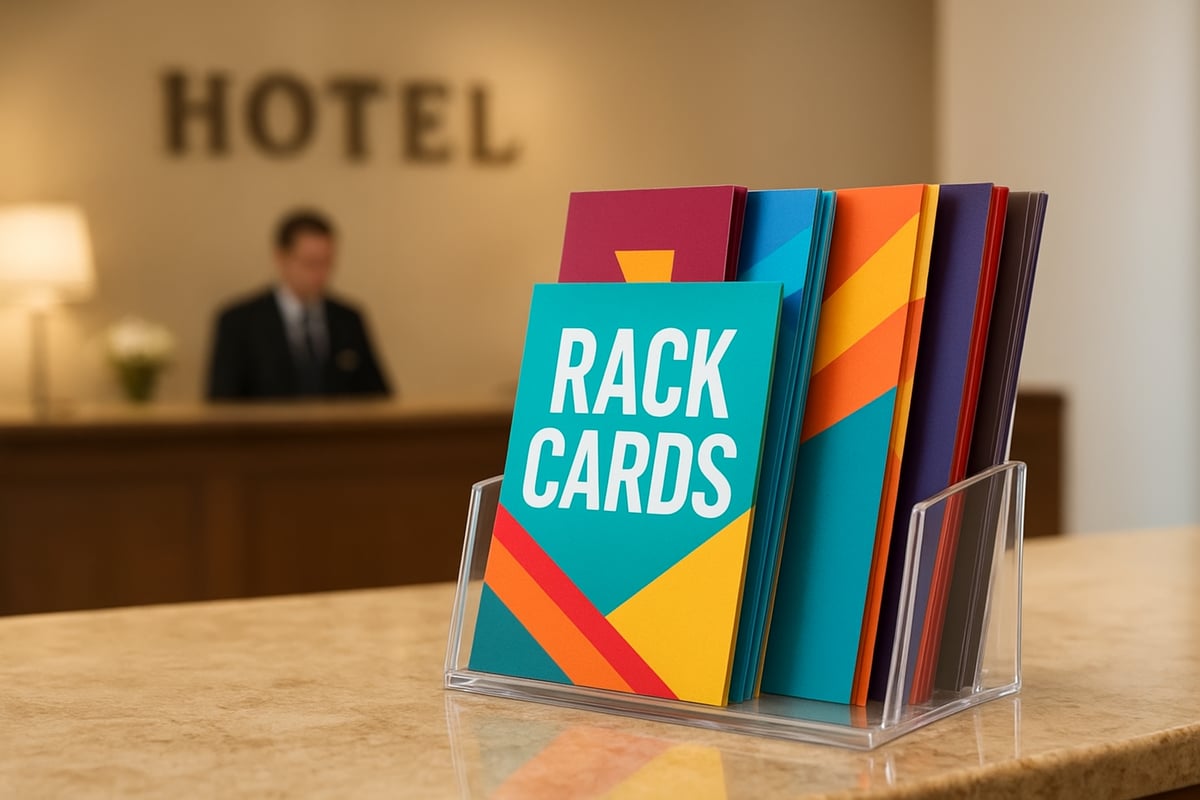
Rack cards are a compact, vertical print marketing tool, typically measuring 4" x 9" or 3.5" x 8.5". They are printed on sturdy cardstock with finishes like gloss or matte, making them durable for high-traffic locations. Key features include their slim profile, high-visibility design, and ability to fit standard display racks. You will often find rack cards in hotel lobbies, visitor centers, and busy reception areas, where they stand upright for maximum attention. Unlike brochures or flyers, rack cards focus on a single, clear message, making them highly effective for targeted promotion. For more details on standard dimensions and practical sizing advice, refer to the Standard rack card sizes guide.
Why Rack Cards Remain Effective in 2026
Despite advances in digital marketing, rack cards continue to deliver strong results in 2026. Print marketing maintains high consumer trust, with recent statistics showing that 82% of people trust printed ads. The tangible nature of rack cards enhances brand recall and leaves a lasting impression. For local businesses, events, and tourism, rack cards are cost-effective and adaptable to many industries, including healthcare, retail, and real estate. Environmental concerns have also driven innovations, with recycled paper stocks and eco-friendly inks now widely available, making rack cards a sustainable marketing choice.
Common Business Uses & Success Stories
Businesses across sectors rely on rack cards for a variety of purposes. Hotels use them to highlight local attractions, while dental offices promote new services or appointment reminders. Restaurants display menu specials, and event organizers use rack cards for ticketing and information. Many businesses report increased walk-in traffic and higher inquiry rates after deploying rack cards. Integration of QR codes or social media handles bridges print and digital, allowing for seamless engagement and measurable ROI. Case studies from competitors show that properly placed rack cards can significantly boost response rates and customer interaction.
Key Benefits Over Other Print Formats
Rack cards offer several advantages compared to other print materials. Their focused messaging and prominent call-to-action ensure clarity and drive quick decisions. Visual branding stands out thanks to the ample space for graphics and logos. Rack cards are easy to distribute, replenish, and fit perfectly into standard display racks for consistent exposure. In targeted locations, they often achieve higher conversion rates than flyers or postcards. For marketers seeking high-impact, easy-to-manage print solutions, rack cards remain an essential part of the promotional toolkit.
Creative Rack Card Design Strategies for 2026
Designing high-impact rack cards in 2026 means blending proven principles with modern trends and technology. To ensure your rack cards stand out and drive results, follow these creative strategies tailored for today’s print marketing landscape.
Essential Design Principles
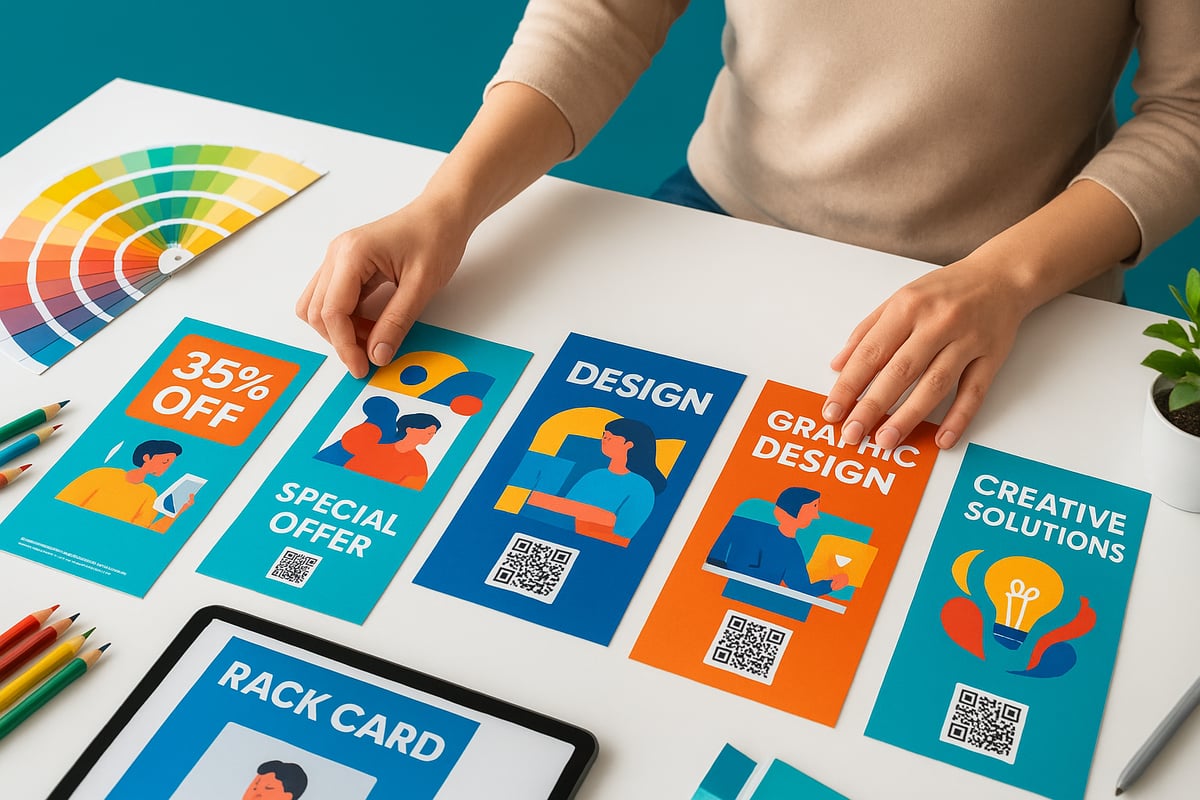
Effective rack cards begin with a strong visual hierarchy. Start with an attention-grabbing headline at the top, followed by striking imagery and clear contact information. Always prioritize your call-to-action so readers know exactly what step to take next.
Balance text and visuals to avoid overwhelming the reader. Use your brand colors, consistent fonts, and a prominent logo for instant recognition. Incorporate white space to make content easy to scan. Choose accessible fonts and high-contrast color combinations to ensure your rack cards are readable for everyone.
Visual Trends & Innovations for 2026
In 2026, rack cards are embracing bolder color palettes and creative gradients. Custom illustrations and unique iconography help brands stand out from generic stock photos. Minimalist layouts with large, high-quality images draw the eye and make messages memorable.
Augmented reality features and interactive QR codes are becoming more common, letting users access digital experiences from print. Industry data shows that these innovations are now among the most popular design choices for rack cards, giving businesses an edge in crowded markets.
Crafting Compelling Messaging & Calls-to-Action
The best rack cards use concise, benefit-focused language that speaks directly to the reader’s needs. Lead with an emotional trigger or value proposition, then guide readers with a prominent call-to-action, such as “Book Now” or “Visit Us Today.” Effective headlines are brief yet impactful, often highlighting a special offer or unique selling point.
For more ideas on engaging copy and high-performing layouts, explore these Rack card design tips for high engagement. Remember to test and optimize your messaging to see what resonates best with your target audience.
Integrating Digital Elements
Modern rack cards are bridging the gap between print and digital. QR codes provide instant access to websites, apps, or exclusive content. Some brands are experimenting with NFC chips, enabling contactless engagement with a simple tap.
Track customer interactions using unique URLs or promo codes printed on your rack cards. This data-driven approach helps you measure campaign success and refine your print-to-digital strategy. Adoption rates for these technologies are rising, making integration essential for 2026.
Mistakes to Avoid in Rack Card Design
Common errors can undermine even the most creative rack cards. Avoid cramming too much information onto one card, which causes clutter and confusion. Always use high-resolution images to ensure sharp, professional results.
Respect bleed and safe zones in your layout to prevent important content from being trimmed. Stick to your brand’s visual identity for consistency. Most importantly, never leave out a clear call-to-action or essential contact details, as this can cost you valuable leads.
Inspiration: Successful Rack Card Examples
Top brands across industries are producing standout rack cards that blend creativity with clarity. For example, tourism boards often use vibrant visuals and clear maps to attract visitors. Healthcare providers highlight services and contact info with friendly, approachable designs.
Retailers may showcase seasonal promotions or loyalty programs using bold headlines and engaging imagery. Before-and-after redesigns reveal the impact of updated layouts and messaging. Reviewing competitor examples can spark ideas for your next rack card campaign.
Step-by-Step Guide to Printing Rack Cards
Printing rack cards with professional results requires careful planning and attention to detail at every stage. From preparing digital files to final delivery, each step impacts the quality and effectiveness of your rack cards. This guide walks you through the process, ensuring your rack cards make a memorable impression.
Preparing Print-Ready Files
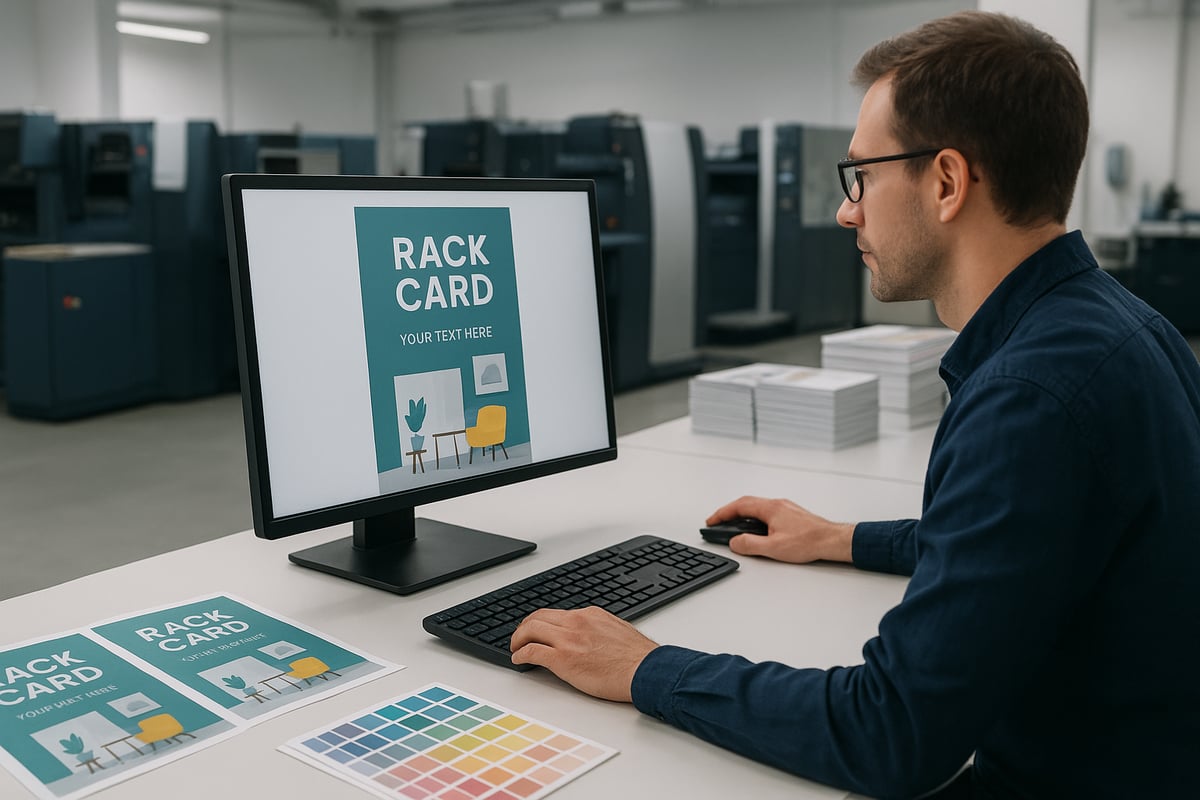
Start by setting up your rack cards in the correct file format. Preferred formats include PDF, AI, EPS, or high-resolution JPEG. Double-check that your document matches standard rack cards dimensions, such as 4" x 9" or 3.5" x 8.5", with proper bleed and trim lines.
Use CMYK color mode for accurate print reproduction. Ensure all images are at least 300 DPI to avoid blurry results. Before sending your rack cards to print, review a pre-print checklist that covers alignment, text legibility, and embedded fonts. Proof carefully to catch errors early.
Choosing the Right Paper Stock & Finishes
Selecting the right paper for rack cards enhances both appearance and durability. Popular options include 14pt or 16pt cardstock for a sturdy feel, while linen or recycled stocks offer unique textures and eco-friendly appeal.
Consider finishes that suit your brand and usage:
- Gloss: Brings out colors, ideal for vibrant rack cards.
- Matte: Reduces glare, offers a sophisticated look.
- UV or Soft Touch: Adds tactile interest and protection.
Specialty finishes, such as foil stamping or embossing, can help rack cards stand out. For environmentally conscious brands, look for recycled or FSC-certified stocks.
Selecting a Printing Method
Decide between digital and offset printing for your rack cards. Digital printing is best for small runs and fast turnarounds, offering flexibility for personalized rack cards. Offset printing excels with large quantities, providing consistent color and lower per-unit costs.
Compare specialty techniques:
- Raised print and die-cutting for unique effects.
- Spot UV for selective gloss accents.
- Metallic inks for eye-catching highlights.
Stay updated on print technology trends in 2026, as new methods may offer better quality or sustainability for your rack cards.
Working with Professional Printers
Choosing a reliable print partner is crucial for top-quality rack cards. Research providers, review customer feedback, and request print samples to assess their capabilities. Reputable printers offer clear communication, detailed proofs, and a transparent revision process.
For a comprehensive overview of what professional print shops can provide, explore this custom printing services overview to understand your options for rack cards and related marketing materials.
Compare pricing, turnaround times, and added services such as design support or fulfillment. Building a strong relationship with your printer ensures a smooth rack cards production process.
Quality Control & Proofing Tips
Quality control is essential to delivering flawless rack cards. Always request both digital and physical proofs before final approval. Carefully inspect for common print errors, including color shifts, misalignment, or typos.
Use a checklist to verify that all elements, such as logos and contact information, appear correctly. If available, ask for a sample kit to confirm paper and finish choices. Consistency across batches is key for rack cards, especially in multi-location campaigns.
Print Costs, Turnaround & Order Sizes
Understanding costs helps you maximize your rack cards budget. Prices vary based on paper stock, finish, and order size. Typical minimum orders range from 250 to 500 pieces, with bulk discounts available for larger quantities.
Compare standard versus rush timelines to balance speed and cost. Factor in shipping options and delivery windows. Use the table below for a quick summary of rack cards print considerations:
| Factor | Options/Considerations |
|---|---|
| Paper Stock | 14pt, 16pt, linen, recycled |
| Finish | Gloss, matte, UV, specialty |
| Printing Method | Digital (short runs), Offset (bulk) |
| Order Size | 250–10,000+ |
| Turnaround | 2–10 business days |
Plan ahead to ensure your rack cards arrive on time and within budget.
Distribution & Placement: Maximizing Rack Card Impact
Effective distribution and strategic placement are essential for rack cards to deliver maximum marketing impact. Targeting the right locations and using smart distribution tactics can dramatically increase visibility and response rates.
Best Locations for Rack Card Placement
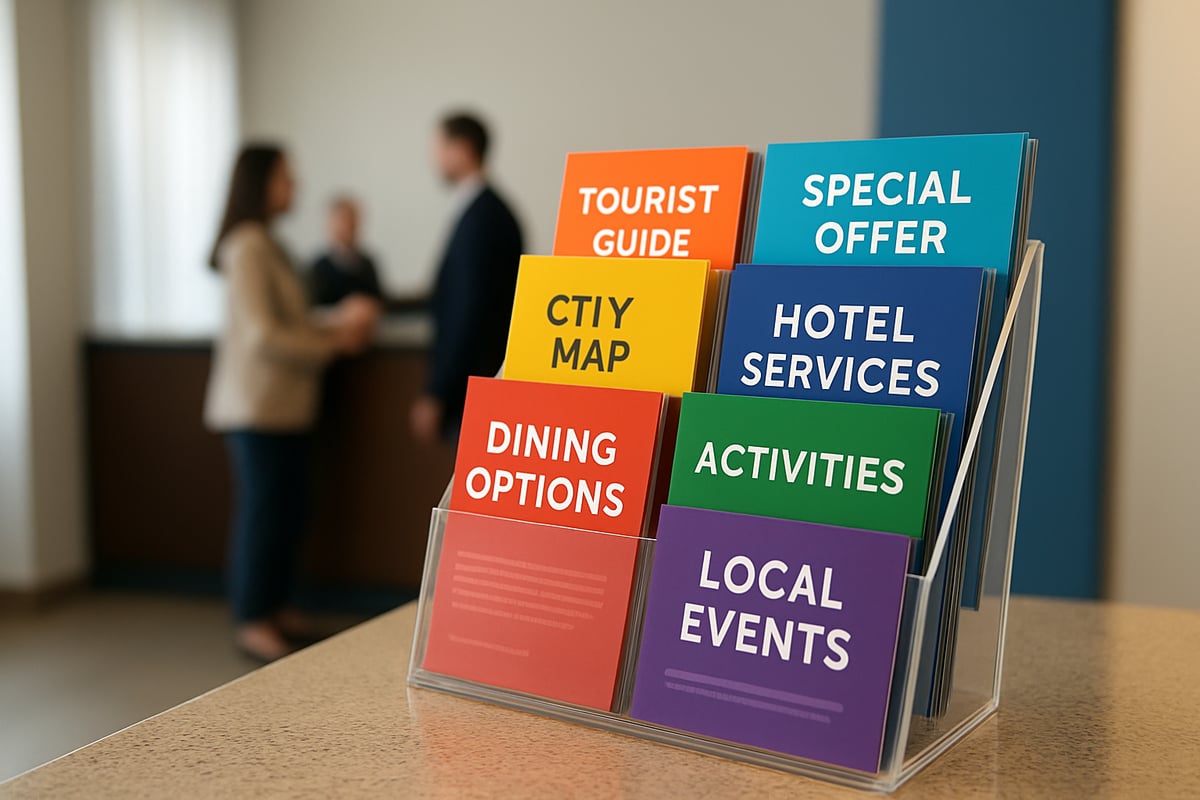
Choosing the right placement for rack cards makes all the difference in campaign success. High-traffic venues such as hotels, visitor centers, and retail store counters offer prime exposure to diverse audiences.
Industry-specific hotspots, like medical offices, salons, and restaurants, are ideal for targeting niche customer segments. Events and trade show displays also present valuable opportunities for direct engagement. Data shows that rack cards placed at tourism centers and transportation hubs consistently yield higher pickup rates.
For maximum impact, consider partner networks and cross-promotional displays, which help extend your reach beyond your immediate footprint. Always ensure your rack cards are visible, accessible, and refreshed regularly.
Tips for Effective Distribution
A successful rack cards campaign relies on thoughtful distribution and ongoing management. Build strong relationships with venue managers to secure premium display spots and maintain a consistent presence.
Regularly check and replenish displays to keep rack cards looking fresh and well-stocked. Track distribution by monitoring which locations generate the most interest or response.
Offer incentives for staff or partners to promote your cards actively. Collaborate with local tourism boards or chambers of commerce to expand your distribution network. For additional ideas, refer to this promotional promo items guide for complementary strategies that work hand-in-hand with rack cards.
Measuring ROI & Tracking Results
Measuring the return on investment for rack cards is vital for refining your strategy. Start by setting clear goals and KPIs, such as the number of inquiries, website visits, or sales generated from specific locations.
Use unique codes, custom URLs, or QR codes on each batch of rack cards to track engagement and conversions. Gather customer feedback at the point of contact to assess message effectiveness and appeal.
Compare print campaign results with digital efforts to identify strengths and opportunities. Competitor data often highlights that rack cards continue to deliver strong ROI in targeted, high-traffic environments.
Integrating Rack Cards with Omnichannel Marketing
Rack cards work best when integrated with broader marketing campaigns. Cross-promote your print materials with digital, social, and email channels to drive online engagement.
Encourage customers to follow your brand online by including QR codes or social handles on your rack cards. Real-world case studies show that omnichannel strategies significantly boost campaign performance and brand recall.
Monitor QR code analytics and leverage retargeting to bridge offline and online experiences. As technology evolves, expect even more seamless integration between rack cards and digital marketing, keeping your outreach relevant and effective.
Expert Tips & Advanced Ideas for Rack Card Success
Unlocking the full potential of rack cards in 2026 requires a blend of creativity, strategic thinking, and an eye for emerging trends. Below, discover expert insights covering personalization, sustainability, standout design features, common challenges, and future-forward approaches to ensure your rack cards deliver exceptional results.
Customization & Personalization Techniques
Personalization has become a driving force for success with rack cards. Variable data printing enables you to tailor messaging, images, and offers for different audiences or locations, making each card more relevant. For example, a tourism agency might feature local attractions on rack cards distributed in specific regions, while a healthcare provider could highlight targeted services for various patient segments.
Personalized coupons or appointment reminders can increase response rates and customer loyalty. Real-world campaigns show that customized rack cards lead to higher engagement and conversions. For businesses seeking to scale their efforts, personalized promotions printing services streamline the process, ensuring consistency and professionalism.
Sustainability & Eco-Friendly Printing
Sustainability is now a top priority for brands using rack cards. Choose recycled paper stocks and soy-based or water-based inks to minimize your environmental impact. Look for certifications such as FSC or Green Seal to assure clients and customers of your commitment to responsible sourcing.
Communicate your sustainability efforts directly on your rack cards. A small eco-friendly badge or a line about recycled content can boost consumer trust. Many print providers now offer eco-conscious options, responding to growing demand and strengthening your brand’s reputation in the marketplace.
Advanced Design Features for Standout Cards
To stand out, rack cards in 2026 utilize advanced design features that captivate attention and encourage interaction. Explore die-cut shapes, custom sizes, or specialty finishes like metallic foils, embossing, or holographic effects. These tactile enhancements make rack cards memorable and foster a premium feel.
Interactive elements such as scratch-off panels or tear-away coupons can drive engagement and increase retention. For more inspiration on elevating your design, review innovative rack card design techniques, which showcase how industry leaders use modern print technology for maximum impact.
Common Challenges & How to Overcome Them
Even the most creative rack cards face challenges in crowded displays. To avoid being overlooked, focus on clear, concise messaging and bold visuals that immediately communicate value. Ensure your call-to-action is prominent and actionable.
Prevent cards from being discarded by offering real incentives, such as discounts or exclusive event access. Budget constraints can be addressed by prioritizing impactful features within your means, like high-quality paper or a single specialty finish. Consistent branding and regular replenishment help rack cards maintain their visibility and effectiveness.
Future Trends in Rack Card Marketing (2026 & Beyond)
Looking ahead, rack cards will increasingly integrate with mobile and location-based technologies. Expect to see NFC chips or AR experiences that bridge print and digital, creating seamless customer journeys. AI-powered design tools and personalization engines will streamline the creation process, making tailored rack cards more accessible.
Consumer preferences continue to value tangible marketing, but expect growing expectations for sustainability and tech-driven experiences. Staying ahead means monitoring industry advancements, leveraging new print capabilities, and continually testing innovative strategies for your rack cards.
Rack Card Templates, Resources & DIY Tools
Unlocking the full potential of rack cards starts with the right design tools and resources. Whether you want to create a standout card from scratch or use a proven template, having access to high-quality assets is essential for a professional result.
Where to Find High-Quality Templates
Finding the perfect rack cards template is easier than ever. Top online print services like Vistaprint, GotPrint, and Canva offer a wide range of professionally designed templates. These platforms provide options with built-in bleed and safe zones, ensuring your final product looks sharp and polished.
Look for templates that cater to your industry, whether you are promoting tourism, healthcare, or retail. Editable layers allow you to customize text, images, and branding elements. Consider if you need a custom design or if a stock template will meet your needs. Review template features carefully to ensure compatibility with your project.
Online Tools for DIY Rack Card Design
Designing rack cards yourself is simple thanks to user-friendly platforms. Tools such as Canva, Adobe Express, and VistaCreate offer drag-and-drop functionality, allowing even beginners to achieve a polished look. These platforms come with asset libraries, including icons, stock images, and fonts, making customization straightforward.
One advantage of DIY design is the ability to integrate your brand assets directly. However, professional designers can add extra polish and expertise. If you are ready to dive in, you can start designing your print materials with intuitive online tools that streamline the process and provide helpful guides.
Free & Paid Resources for Inspiration
Need creative ideas for your rack cards? Explore galleries of award-winning designs, browse design blogs, and participate in print marketing forums. Many sites offer downloadable resources such as color swatches, unique fonts, and custom icons to spark inspiration.
Case studies and real-world examples from industry leaders can provide direction for layout and messaging. Competitor resource highlights and curated design showcases help you stay on trend and discover what works in your field. Use these resources to guide your creative process and ensure your rack cards leave a lasting impression.
Checklist for a Successful Rack Card Project
A step-by-step checklist ensures your rack cards project runs smoothly from start to finish:
- Finalize your design with correct dimensions and bleed
- Proof carefully for typos and layout issues
- Select quality paper and finishes
- Confirm print specs and place your order
- Plan distribution and track results
Avoid common pitfalls like unclear calls-to-action or inconsistent branding. Assign tasks, set deadlines, and use a timeline to keep the project on track. If available, download a pre-launch checklist to help you cover every detail for rack cards that deliver measurable results.