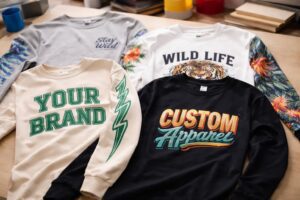
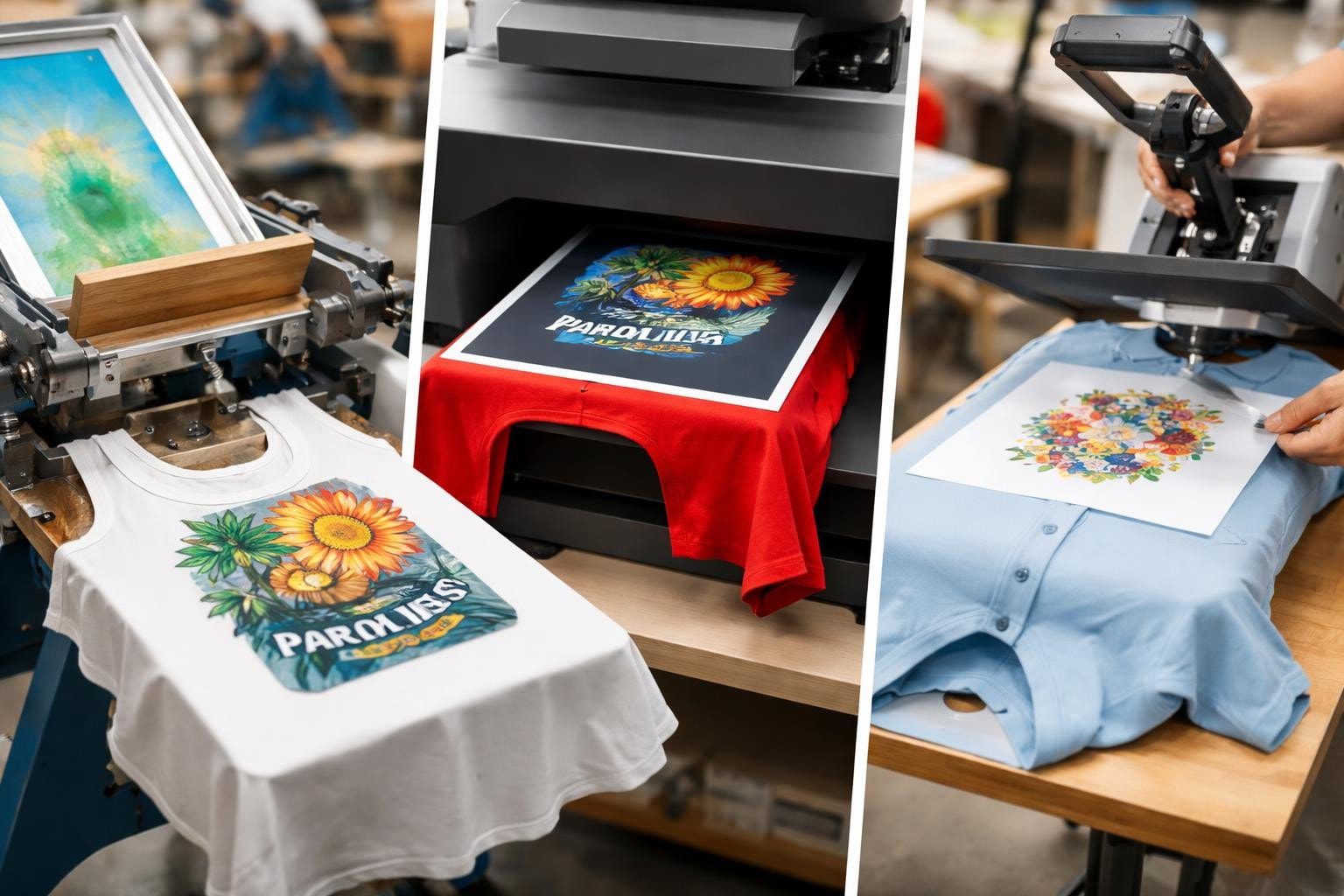
Custom apparel has evolved dramatically over the past decade, with printing tops becoming one of the most popular ways for businesses, organizations, and individuals to express their brand identity. Whether you're outfitting a corporate team, creating merchandise for an event, or launching a clothing line, understanding the options available for printing tops ensures you make informed decisions that balance quality, cost, and turnaround time. The custom printing industry now offers numerous techniques, each with distinct advantages suited to different project requirements.
Understanding Different Methods for Printing Tops
The landscape of custom apparel decoration has expanded significantly, offering multiple approaches to creating personalized garments. Each printing method brings unique characteristics that influence the final product's appearance, durability, and production efficiency.
Screen Printing for Volume Production
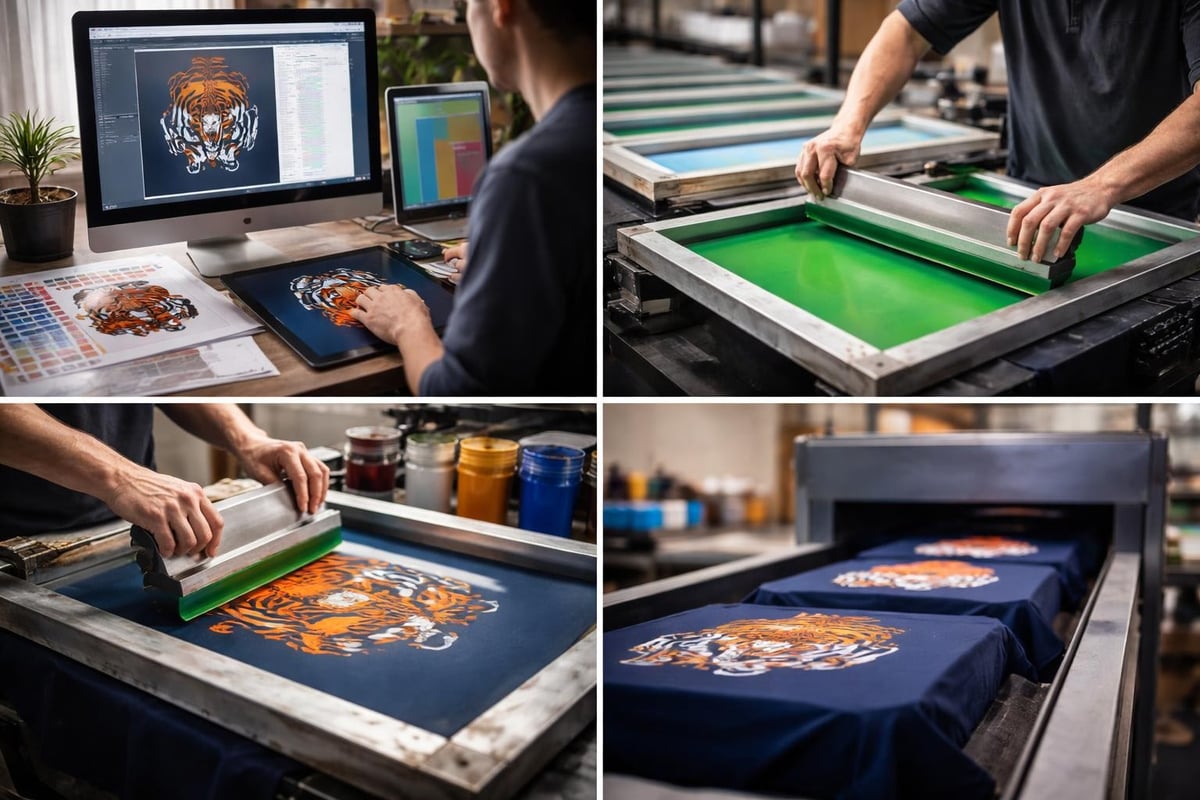
Screen printing remains the gold standard for large-volume orders when printing tops. This traditional technique involves creating stenciled screens for each color in a design, then pressing ink through the mesh onto the fabric. The process delivers vibrant, long-lasting results that withstand repeated washing cycles.
Key advantages of screen printing include:
- Exceptional durability and color vibrancy
- Cost-effectiveness for orders exceeding 50 pieces
- Superior ink opacity on dark fabrics
- Wide range of specialty inks available
The setup costs for screen printing make it less economical for small batches, but the per-unit price decreases substantially as quantity increases. Screen printing techniques have been refined over decades to deliver consistent, professional results across various fabric types.
Direct-to-Garment Technology
Direct-to-garment (DTG) printing represents the digital revolution in custom apparel production. This method uses specialized inkjet technology to print designs directly onto fabric, similar to how a standard printer applies ink to paper. DTG excels at reproducing photographic images and complex designs with unlimited colors.
For businesses offering direct-to-garment printing services, the technology provides flexibility that traditional methods cannot match. No setup fees or minimum quantities make DTG ideal for on-demand production and sample creation.
| Feature | Screen Printing | Direct-to-Garment |
|---|---|---|
| Best for | 50+ units | 1-50 units |
| Setup Cost | High | Low/None |
| Color Limitations | Additional cost per color | Unlimited |
| Detail Level | Good | Excellent |
| Production Speed | Fast (bulk) | Slower per unit |
Heat Transfer Methods
Heat transfer encompasses several techniques for printing tops, including vinyl cutting, plastisol transfers, and sublimation. Each variation uses heat and pressure to bond materials or inks to fabric surfaces.
Vinyl heat transfer works exceptionally well for athletic wear, team jerseys, and designs featuring solid colors without gradients. The process involves cutting designs from colored vinyl sheets, then using a heat press to adhere the material to garments.
Sublimation printing creates permanent, full-color images by converting solid dye into gas that bonds with polyester fibers. This technique produces vivid colors that won't crack, peel, or fade, making it perfect for athletic apparel and promotional items.
Choosing the Right Printing Method for Your Tops
Selecting the appropriate technique for printing tops depends on multiple factors beyond simple cost comparison. Understanding how these variables interact helps optimize both quality and budget.
Fabric Composition Considerations
Different printing methods perform optimally on specific fabric types. Cotton and cotton-blend materials accept most printing techniques well, providing versatility for projects. DTG printing achieves its best results on 100% cotton or high cotton-content blends, where the ink penetrates and bonds effectively with natural fibers.
Polyester and synthetic fabrics require specialized approaches. Digital textile printing methods like sublimation work exclusively with polyester, creating permanent color integration. Screen printing can work on synthetics but may require modified ink formulations and curing processes.
Fabric-method compatibility guide:
- 100% cotton: DTG, screen printing, vinyl transfer
- Cotton-poly blends: Screen printing, DTG, plastisol transfers
- 100% polyester: Sublimation, vinyl transfer, specialized screen printing
- Performance fabrics: Sublimation, specialty screen inks
Design Complexity and Color Count
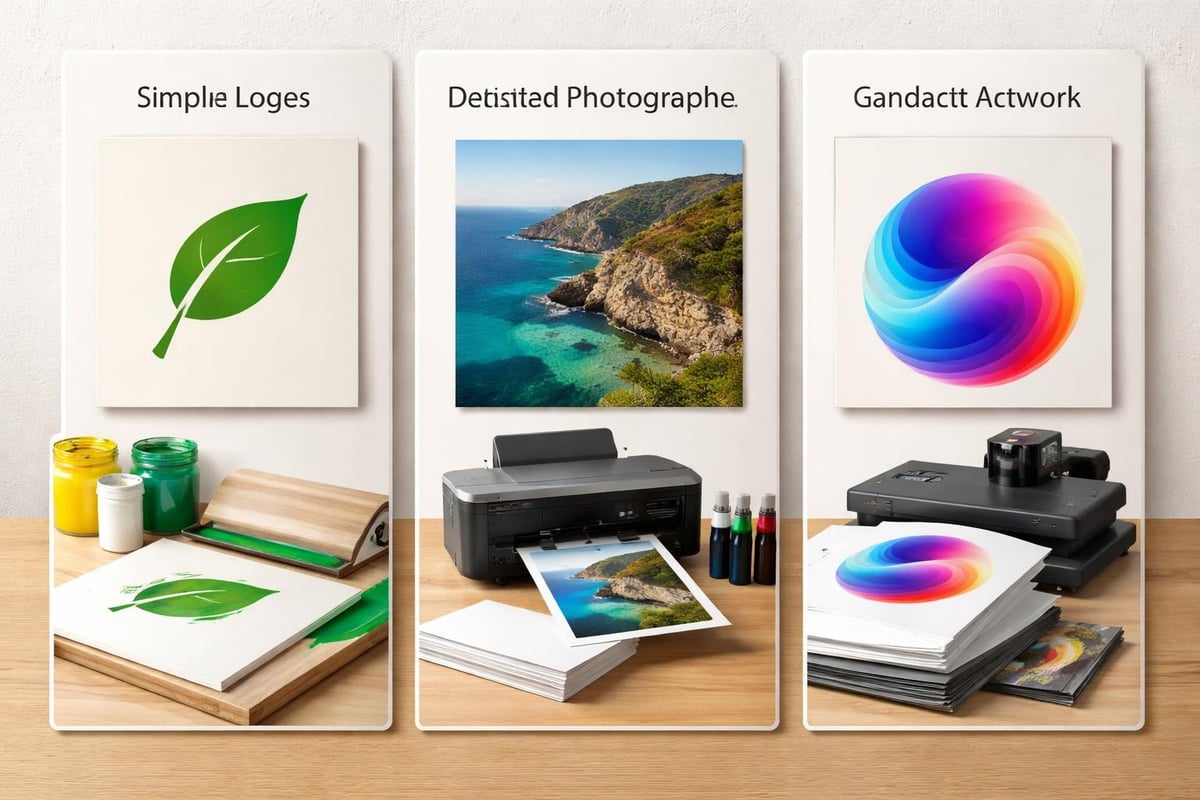
The intricacy of your artwork significantly influences which method works best for printing tops. Simple logos with one to three colors often find their most economical solution in screen printing, especially for larger orders. The per-color setup fee becomes negligible when spread across dozens or hundreds of garments.
Complex designs featuring gradients, photographs, or unlimited color palettes naturally gravitate toward DTG or sublimation processes. These digital methods handle intricate details without additional costs for color complexity. Current trends in t-shirt printing emphasize personalization and detailed graphics, driving increased adoption of digital printing technologies.
Order Volume and Timeline Requirements
Production quantity fundamentally shapes the economics of printing tops. Screen printing's setup requirements mean the breakeven point typically occurs between 25 and 50 units, depending on design complexity. Beyond this threshold, the per-piece cost advantage becomes increasingly pronounced.
Small-batch orders, custom one-offs, or test runs benefit from DTG or heat transfer methods that eliminate setup fees entirely. This flexibility supports businesses testing new designs, offering personalized products, or fulfilling small corporate orders without financial penalties.
Timeline considerations also factor into method selection. Screen printing, once screens are prepared, can produce hundreds of garments per hour. DTG printing processes one garment at a time, making it slower for bulk production but faster for rush orders of small quantities since no setup is required.
Industry Trends Shaping Custom Top Printing
The custom apparel industry continues evolving rapidly, with several key trends influencing how businesses approach printing tops in 2026.
Sustainability and Eco-Friendly Practices
Environmental consciousness has moved from niche concern to mainstream expectation. The custom t-shirt printing market shows significant growth in demand for sustainable materials and production methods. Water-based inks for screen printing reduce environmental impact while delivering soft, breathable prints that feel superior to traditional plastisol inks.
Organic cotton blanks, recycled polyester garments, and eco-friendly printing processes appeal to environmentally conscious consumers and organizations. Businesses implementing sustainable practices when printing tops often find competitive advantages in corporate accounts and retail markets prioritizing environmental stewardship.
Personalization and On-Demand Production
Mass customization technology enables cost-effective individual personalization at scale. Sports teams can order jerseys with unique names and numbers without premium pricing. Corporate clients can distribute branded apparel with employee names integrated into designs.
This trend aligns perfectly with DTG capabilities and emerging DTF transfer technology, which combines screen printing durability with digital printing flexibility. DTF (direct-to-film) transfers allow printing designs onto special films that transfer to garments using heat presses, supporting on-demand production with minimal waste.
Technology Integration and Automation
Advanced software streamlines the entire workflow from design to production when printing tops. Online design tools let customers create custom graphics, preview mockups, and submit orders without direct interaction. Automated production systems route orders to appropriate equipment based on fabric type, quantity, and design specifications.
This technological integration improves efficiency, reduces errors, and shortens turnaround times. Businesses leveraging these systems can compete effectively on both price and speed while maintaining quality standards.
Quality Considerations for Printed Tops
Achieving professional results requires attention to multiple quality factors throughout the production process.
Pre-Treatment and Preparation
Proper garment preparation significantly impacts print quality and longevity. DTG printing requires pre-treatment solutions that help ink bond with fabric fibers and maintain color vibrancy. Inadequate pre-treatment leads to faded prints or poor wash durability.
Screen printing demands careful fabric tensioning and proper squeegee technique to ensure even ink distribution. The screen printing services in New York that deliver superior results invest in quality equipment and skilled operators who understand these nuances.
Curing and Finishing Processes
Post-printing treatment determines how well decorations withstand regular wear and laundering. Heat curing polymerizes inks, creating chemical bonds that resist fading, cracking, and peeling. Insufficient curing temperatures or times result in prints that deteriorate quickly.
Different printing methods require specific curing protocols:
- Screen printing plastisol inks: 320°F for 30-45 seconds
- Water-based screen inks: 330°F for 45-60 seconds
- DTG prints: 350-375°F for 30-60 seconds
- Heat transfers: Method-specific temperature and pressure settings
Wash Testing and Durability
Professional operations conduct wash testing to verify print durability before releasing products. This quality assurance process identifies potential issues with ink adhesion, color fastness, or garment shrinkage before customers receive items.
High-quality printing tops should withstand 50-100 wash cycles without significant degradation when following care instructions. Premium techniques and materials can extend this to several hundred washes, essential for garments intended for frequent use like team uniforms or workwear.
Selecting Your Printing Partner
Finding the right provider for printing tops involves evaluating capabilities, quality standards, and service offerings.
Equipment and Capability Assessment
Professional printing operations maintain diverse equipment to handle various project types. A comprehensive facility might include automatic screen printing presses, DTG printers, heat press stations, and specialty equipment for unique applications.
When seeking screen printing companies near you, assess their equipment quality and maintenance standards. Well-maintained, modern equipment produces more consistent results than outdated or poorly serviced machinery.
Minimum Order Requirements and Flexibility
Traditional screen printing economics once required substantial minimum orders, often 72 or 144 pieces. Modern operations increasingly offer no-minimum services, particularly when incorporating DTG technology into their capabilities. This flexibility accommodates small businesses, startups, and individuals who need quality printing tops without bulk ordering.
Understanding a provider's order policies, rush capabilities, and customization options helps match your project needs with appropriate services. Some operations specialize in high-volume production, while others excel at small-batch custom work.
Sample Review and Quality Guarantees
Reputable printing operations provide samples or portfolio examples demonstrating their work quality. Reviewing actual printed samples reveals ink quality, color accuracy, and attention to detail that photographs might not capture fully.
Quality guarantees and revision policies protect your investment. Clear policies regarding misprints, color matching, and satisfaction guarantees indicate a business committed to customer success rather than simply processing transactions.
Applications Across Industries
Printing tops serves diverse markets, each with specific requirements and priorities.
Corporate and Promotional Apparel
Businesses use branded tops for employee uniforms, promotional giveaways, and corporate events. Professional appearance, durability, and brand consistency matter most in this market segment. Custom logo printing trends reflect increasing sophistication in corporate branding applications.
| Application | Preferred Methods | Key Priorities |
|---|---|---|
| Employee uniforms | Screen printing, embroidery | Durability, consistency |
| Event giveaways | Screen printing, DTG | Cost efficiency, variety |
| Executive gifts | Embroidery, premium DTG | Quality, presentation |
| Trade show items | Screen printing, heat transfer | Volume, quick turnaround |
Sports Teams and Athletic Organizations
Athletic apparel demands printing methods that withstand intense physical activity, frequent laundering, and moisture exposure. Sublimation excels for performance fabrics, creating permanent, breathable graphics that move with the material. Traditional screen printing with specialty athletic inks also performs well on many sports garments.
Fashion and Retail Markets
Fashion brands and retail operations need printing tops that deliver current aesthetic trends while maintaining production efficiency. Limited-edition releases, seasonal collections, and trend-responsive designs benefit from the quick-turn capabilities of digital printing methods.
The retail market increasingly values unique, small-batch production over mass-manufactured uniformity. Customers seek individuality, driving demand for customizable options and limited-run designs that distinguish them from mainstream offerings.
Educational Institutions
Schools, colleges, and universities represent substantial markets for custom printed tops. Spirit wear, club merchandise, Greek organization apparel, and administrative uniforms all require reliable printing services. Educational buyers typically value consistent quality and the ability to handle varied order sizes across different departments and groups.
Cost Optimization Strategies
Smart planning when printing tops can significantly impact overall project costs without compromising quality.
Design Simplification Techniques
Reducing color counts in screen printing designs directly lowers production costs. Strategic use of garment color as part of the design eliminates one or more ink colors. For example, a white top with a two-color design costs less than the same design requiring three colors on a colored garment.
Vector-based artwork reproduces more cleanly than rasterized images, reducing print defects and improving consistency. Investing time in proper design preparation pays dividends in production efficiency and final product quality.
Strategic Order Timing
Non-rush orders allow printing operations to schedule production efficiently, often resulting in better pricing. Planning apparel needs weeks or months in advance, rather than requiring rush turnaround, typically reduces costs by 15-30%.
Seasonal considerations also affect pricing and availability. Ordering during slower periods (typically late fall and winter for many markets) may secure better rates and attention than peak spring and summer rushes.
Bulk Ordering with Inventory Management
Organizations with ongoing apparel needs often achieve significant savings through larger, less frequent orders rather than multiple small purchases. The challenge lies in inventory management and storage. Partnering with suppliers offering warehousing and fulfillment services can capture bulk pricing benefits without internal storage burdens.
Understanding the various methods, quality factors, and strategic considerations for printing tops empowers you to make decisions that optimize results for your specific needs. Whether you're creating corporate uniforms, sports team apparel, or launching a retail clothing line, selecting the right printing approach ensures your investment delivers lasting value. Custom 101 Prints offers comprehensive custom printing services throughout New York, combining advanced technology with expert craftsmanship to bring your vision to life. Contact our team to discuss your project and discover how we can deliver exceptional quality with fast turnaround times tailored to your requirements.