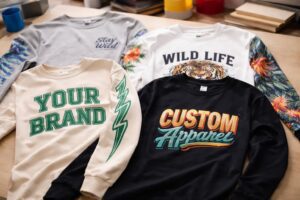
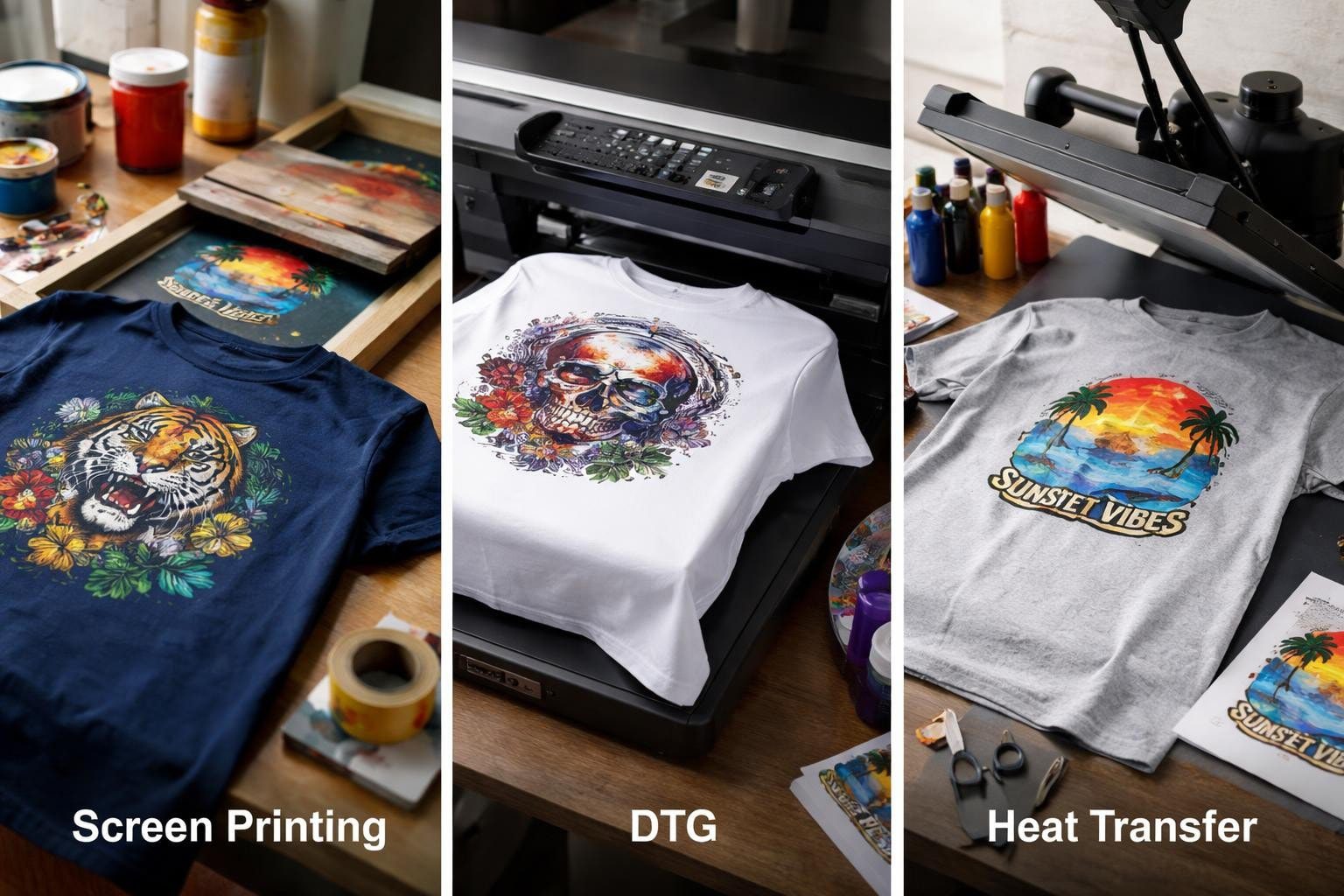
The world of custom apparel has transformed dramatically over recent years, with printing t-shirts becoming more accessible and affordable for businesses, organizations, and individuals. Whether you're launching a clothing brand, creating team uniforms, or designing promotional merchandise, understanding the various methods and materials involved in printing t-shirts is essential for achieving professional results. Modern printing technologies offer unprecedented flexibility, allowing you to choose techniques that perfectly match your project requirements, budget constraints, and quality expectations.
Understanding T-Shirt Printing Methods
The foundation of any successful printing t-shirt project lies in selecting the appropriate technique for your specific needs. Each method brings unique advantages, limitations, and cost structures that directly impact your final product.
Screen Printing for Volume Production
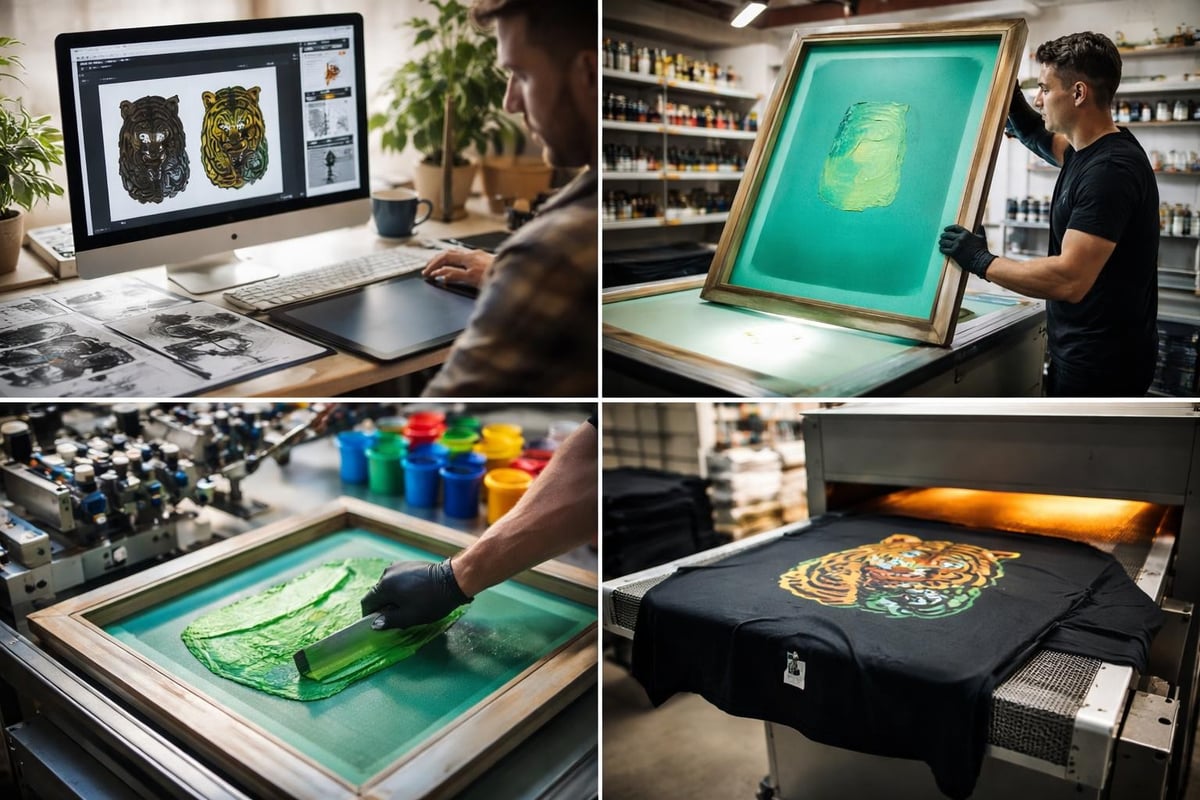
Screen printing remains one of the most popular and cost-effective methods for printing t-shirts in bulk quantities. This traditional technique involves creating screens for each color in your design, then applying ink through these screens onto the fabric. The process delivers vibrant, durable prints that withstand repeated washing and wear.
Key advantages of screen printing include:
- Exceptional durability and longevity
- Cost efficiency for orders exceeding 25-50 pieces
- Vivid colors that maintain intensity over time
- Compatibility with various fabric types
- Professional finish suitable for retail products
The setup costs associated with screen printing make it less economical for small quantities, but for larger runs, the per-unit price drops significantly. Businesses seeking screen printing services should consider this method when ordering matching uniforms, event merchandise, or branded promotional items.
Direct-to-Garment Technology
Digital textile printing has revolutionized the custom apparel industry, particularly through direct-to-garment (DTG) printing. This method works similarly to an inkjet printer, applying water-based inks directly onto fabric fibers. DTG excels at reproducing complex designs with multiple colors, gradients, and photographic elements.
When printing t-shirts using DTG technology, you gain several distinct benefits. The process requires no setup fees, making it ideal for single-item orders or small batches. Color matching becomes simpler since the technology can reproduce virtually any shade. Custom DTG services particularly appeal to artists, photographers, and designers who need precise color reproduction.
| Feature | Screen Printing | DTG Printing |
|---|---|---|
| Best For | Large orders (50+ units) | Small orders (1-25 units) |
| Setup Cost | High | None |
| Color Range | Limited by screens | Unlimited |
| Production Speed | Fast (after setup) | Moderate |
| Detail Level | Good | Excellent |
Selecting the Right Materials
The substrate you choose plays a crucial role in determining print quality and longevity. Different t-shirt materials interact uniquely with various printing methods.
Cotton and Cotton Blends
Cotton remains the gold standard for printing t-shirts because it accepts ink readily and provides excellent breathability. Pure cotton garments deliver the most vibrant results with DTG printing, as water-based inks bond effectively with natural fibers. Ring-spun cotton offers superior softness and durability compared to standard open-end cotton.
Cotton-polyester blends provide wrinkle resistance and dimensional stability while maintaining reasonable printability. A 60/40 cotton-poly blend strikes an excellent balance for most printing applications. However, higher polyester content may require adjusted printing techniques to achieve optimal results.
Synthetic and Performance Fabrics
Polyester and performance fabrics present unique challenges when printing t-shirts. Standard water-based inks may not adhere properly to synthetic materials, often requiring specialty inks or alternative methods like sublimation printing. These fabrics excel for athletic wear, activewear, and outdoor applications where moisture-wicking properties matter.
Considerations for synthetic materials:
- Use sublimation for all-over prints on polyester
- Apply polyester-specific pretreatments for DTG
- Select plastisol inks for screen printing on synthetics
- Test print samples before committing to large orders
- Verify colorfastness under heat and UV exposure
Alternative Printing Techniques
Beyond the dominant methods, several specialized techniques serve specific niches in the t-shirt printing industry. Understanding these various printing methods helps you match technology to project requirements.
Heat Transfer Vinyl Applications
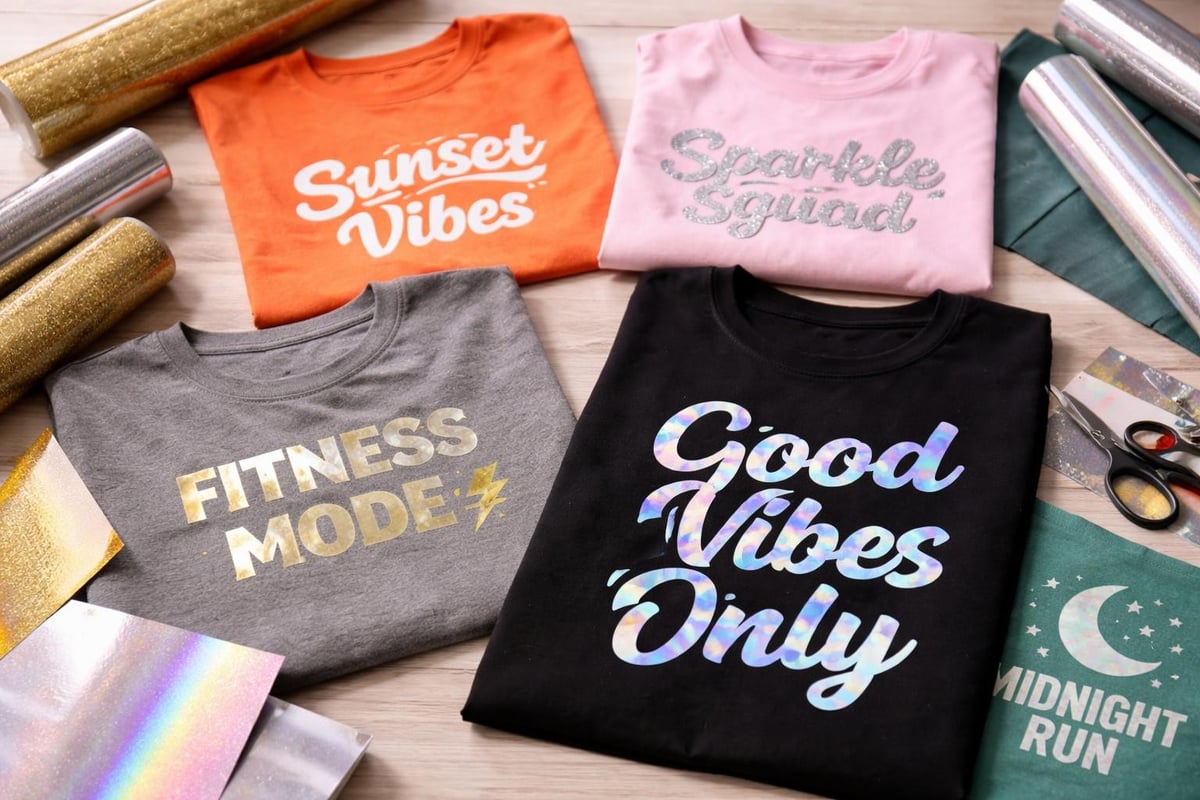
Heat transfer vinyl (HTV) provides an excellent solution for small quantities, personalization, and designs requiring specific textures or finishes. This method involves cutting designs from vinyl sheets, then heat-pressing them onto garments. HTV works exceptionally well for names, numbers, and simple graphics.
The process offers unique advantages for printing t-shirts with metallic, glitter, or reflective finishes that other methods cannot replicate. Athletic uniforms frequently use HTV for player names and numbers because of its durability and professional appearance.
Direct-to-Film Innovation
Direct-to-film printing represents a newer advancement in garment decoration technology. This method prints designs onto a special film, applies adhesive powder, then heat transfers the complete image onto fabric. DTF combines advantages from both screen printing and DTG while minimizing their respective limitations.
When printing t-shirts using DTF, you can achieve vibrant colors on both light and dark fabrics without extensive pretreatment. The method handles stretchy fabrics better than traditional DTG and produces softer prints than some screen printing applications. Small to medium-sized businesses appreciate DTF's flexibility and relatively low startup costs.
Design Considerations for Print Success
Creating effective designs requires understanding how different printing methods handle various graphic elements. Your artwork preparation directly impacts final print quality and production efficiency.
File Preparation and Color Management
Professional results begin with properly prepared artwork files. Vector graphics work best for most printing t-shirt applications, as they scale infinitely without quality loss. Raster images require minimum resolution of 300 DPI at the final print size to avoid pixelation.
Color modes differ between printing methods. Screen printing typically uses spot colors (Pantone), while DTG and DTF rely on CMYK color models. Understanding these distinctions prevents color matching issues. When working with custom printed shirts fast services, provide files in the requested format to avoid delays.
Print Placement and Sizing
Standard print locations include center chest, left chest, full back, and sleeves. Each position has typical size ranges that maintain aesthetic balance:
- Center chest: 10-14 inches wide
- Left chest: 3-4 inches wide
- Full back: 11-14 inches wide
- Sleeve prints: 2-3 inches maximum
Consider garment size variation when designing. A print sized for extra-large shirts may appear disproportionately large on small sizes. Professional design t-shirts fast delivery services account for these variations in their production workflow.
Quality Control and Testing
Ensuring consistent quality across your printing t-shirt production requires systematic testing and inspection procedures. Implementing quality controls prevents costly reprints and maintains customer satisfaction.
Pre-Production Sampling
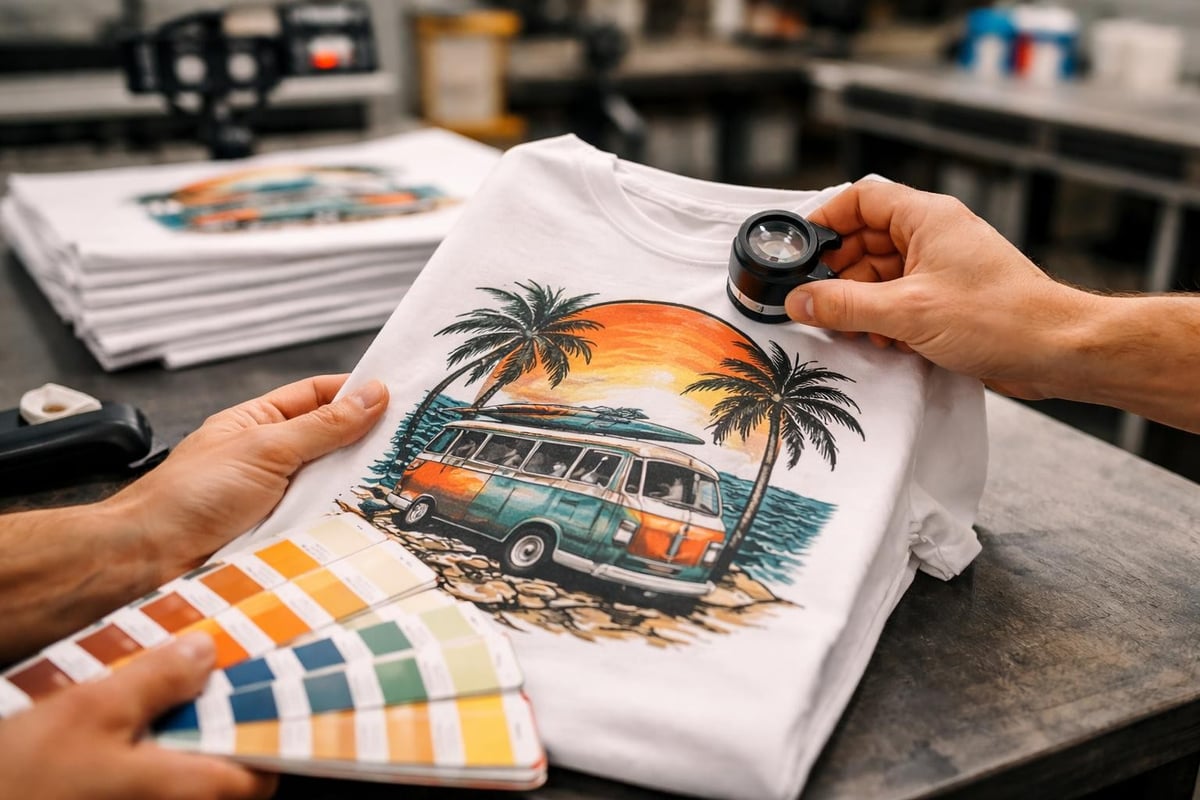
Always request samples before committing to large production runs. Physical samples reveal how designs translate from screen to fabric, showing actual colors, print feel, and overall appearance. This step is particularly important when switching between different printing techniques or trying new garment styles.
Test washing samples according to care instructions to verify ink adhesion, color retention, and overall durability. Quality prints should withstand at least 50 wash cycles without significant fading or cracking.
Cost Analysis and Order Planning
Understanding the economics of printing t-shirts helps you budget effectively and maximize return on investment. Different methods have distinct cost structures that favor specific order quantities and complexity levels.
Price Break Points by Method
Screen printing becomes increasingly economical as quantities rise because setup costs distribute across more units. Typical break-even points occur around 25-50 pieces, though this varies by printer and design complexity. Orders exceeding 100 units often receive substantial per-piece discounts.
DTG pricing remains relatively flat regardless of quantity since there are no setup fees. This makes it ideal for printing t-shirts in small batches, samples, or one-off custom items. However, DTG per-unit costs typically exceed screen printing at higher volumes.
| Order Size | Recommended Method | Typical Cost Per Shirt |
|---|---|---|
| 1-12 units | DTG or HTV | $15-$25 |
| 12-50 units | DTG or Screen Print | $10-$18 |
| 50-250 units | Screen Printing | $6-$12 |
| 250+ units | Screen Printing | $4-$8 |
Hidden Costs and Considerations
Beyond base printing costs, factor in garment quality, shipping, rush fees, and potential reprints. Choosing the best t-shirt for printing impacts both cost and final product quality. Premium blanks cost more initially but deliver better print results and longer-lasting garments.
Rush production typically adds 20-50% to base costs. Planning ahead and allowing standard turnaround times saves money while ensuring adequate production time for quality control. Many screen printing companies near me offer tiered pricing based on turnaround speed.
Production Timeline Management
Realistic timeline expectations prevent disappointment and ensure your printing t-shirt projects arrive when needed. Production speed varies significantly between methods and service providers.
Standard Turnaround Expectations
Screen printing operations typically require 7-14 business days for standard production, accounting for screen creation, setup, printing, and curing time. Rush orders may complete in 3-5 days but command premium pricing.
DTG and DTF services often deliver faster since they eliminate screen setup. Many providers complete DTG orders within 3-7 business days. Single-item orders sometimes ship within 24-48 hours.
Timeline planning checklist:
- Allow 2-3 days for design approval and revisions
- Account for sample production and approval (3-5 days)
- Calculate main production time based on method and quantity
- Include shipping time (2-5 days domestic)
- Add buffer time for unexpected delays (2-3 days)
Sustainability in T-Shirt Printing
Environmental considerations increasingly influence printing t-shirt decisions. Eco-conscious consumers and organizations seek sustainable production methods and materials.
Water-Based and Eco-Friendly Inks
Water-based inks used in DTG printing contain fewer harsh chemicals than traditional plastisol inks. They produce softer prints with better breathability and pose minimal environmental impact. However, they may require more energy for curing and work best on natural fibers.
Discharge printing offers another environmentally friendly option for dark garments, removing existing dye rather than adding layers of ink. This technique produces incredibly soft prints that feel like part of the fabric itself.
Sustainable Garment Options
Organic cotton, recycled polyester, and bamboo-blend fabrics provide sustainable alternatives to conventional materials. When printing t-shirts for environmentally conscious brands or events, these materials align your product with your values. Many customers willingly pay premium prices for certified organic or fair-trade garments.
Specialized Applications and Niche Markets
Different industries and purposes require specific approaches when printing t-shirts. Understanding these specialized applications helps you choose appropriate methods and materials.
Corporate and Promotional Apparel
Businesses ordering personalized promotions printing prioritize brand consistency, professional appearance, and cost efficiency. Screen printing typically serves corporate needs best for matching employee uniforms or large-scale promotional giveaways.
Custom embroidered apparel offers an upscale alternative to printing for corporate polo shirts, jackets, and premium promotional items. While technically not printing t-shirts, embroidery provides superior durability and perceived value for professional settings.
Event and Retail Merchandise
Concerts, festivals, races, and other events demand quick turnarounds and appealing designs. DTG excels for limited-edition event merchandise with complex graphics or photographs. Screen printing better serves large events expecting to sell hundreds or thousands of identical shirts.
Retail-focused brands require consistent quality, proper sizing across all garment sizes, and attention to detail that customers expect from purchased clothing rather than promotional items. Working with experienced providers ensures retail-ready results.
Mastering the fundamentals of printing t-shirts empowers you to create professional custom apparel that meets your specific needs, whether for business branding, events, or retail sales. By understanding different methods, materials, and quality considerations, you can make informed decisions that balance cost, quality, and timeline requirements. Custom 101 Prints brings decades of expertise in screen printing, DTG, embroidery, and specialty techniques to help New York businesses and organizations achieve outstanding results with no minimum orders and fast turnaround times.