Imagine captivating your audience with visuals that shift, animate, and leap off the page — this is the promise of lenticular printing custom in 2026. This guide is your definitive resource for mastering lenticular printing custom, designed for businesses, designers, and marketers who want to create unforgettable brand experiences. Inside, you will discover the fundamentals of the technology, explore cutting-edge visual effects, and learn the step-by-step customization process. We will also cover real-world applications, essential design tips, a streamlined production workflow, and the future trends shaping this dynamic field. Get ready for actionable insights that will transform your creative strategy.
Understanding Lenticular Printing: The Fundamentals
Lenticular printing custom solutions have transformed how brands and designers engage audiences, delivering eye-catching visual effects that traditional print cannot achieve. To harness its full potential, it is essential to understand the technology’s core concepts, creative possibilities, and production requirements.
What is Lenticular Printing?
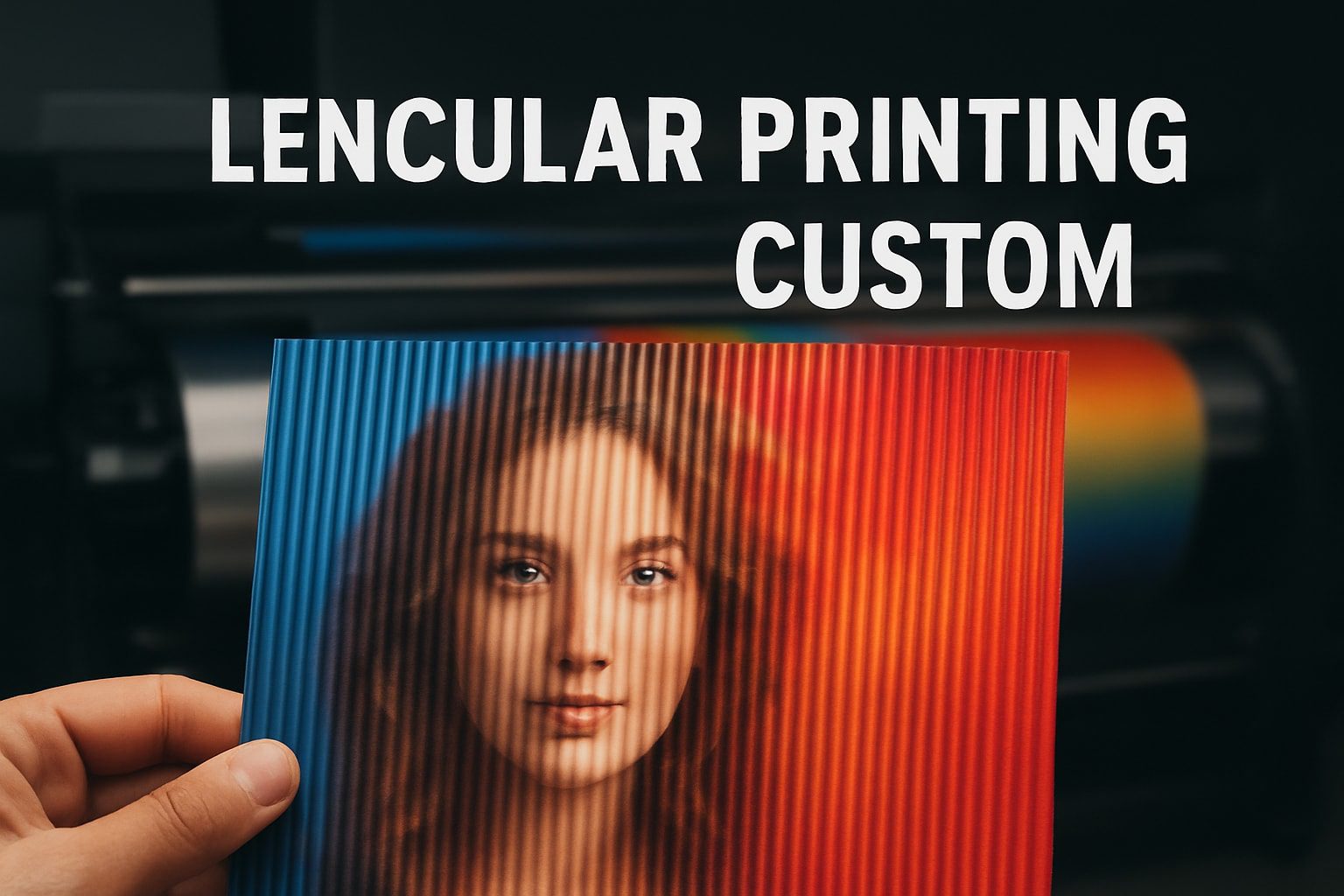
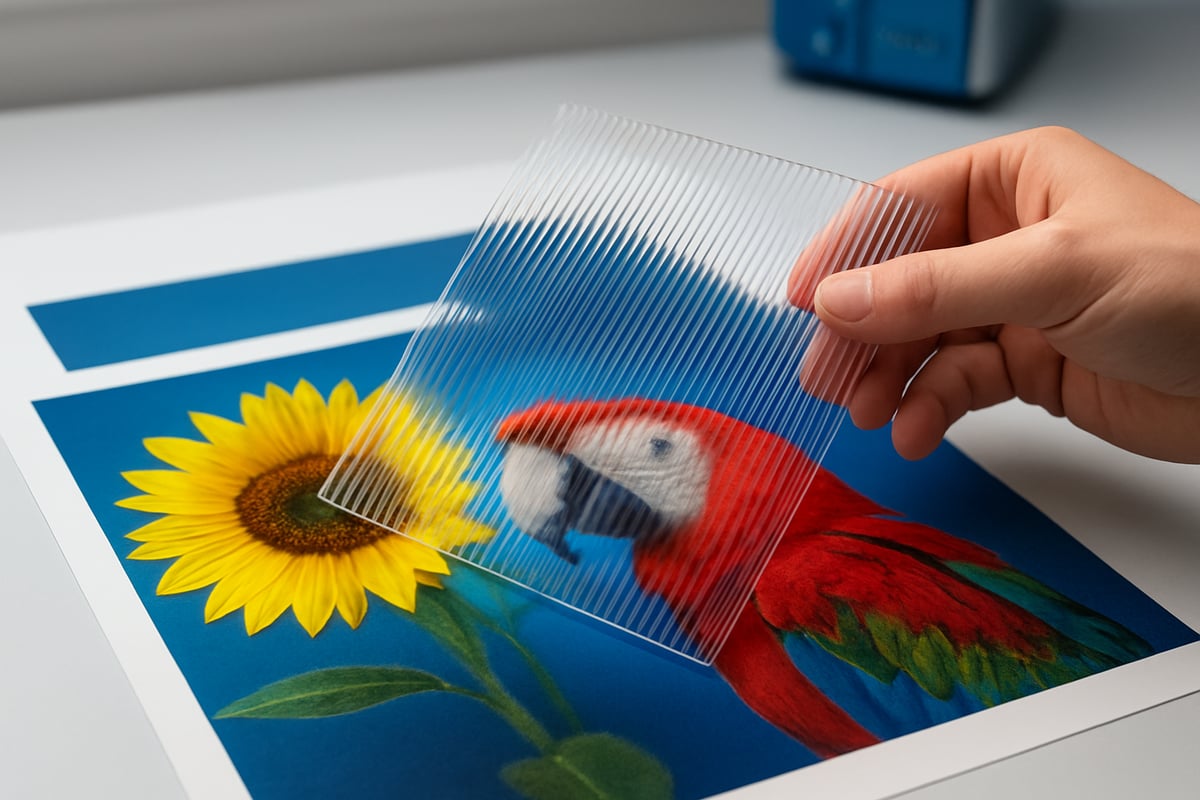
Lenticular printing custom technology uses a special lens to create images that change or move as viewed from different angles. Unlike standard printing, which produces static visuals, this method interlaces multiple images and overlays them with a plastic lens. The result is dynamic displays that can flip, animate, or appear three-dimensional.
The roots of lenticular printing trace back to the 1940s, evolving rapidly with advancements in imaging and lens manufacturing. Today, it is a staple in marketing, packaging, and art installations. For a deeper dive into the history and process, see this lenticular printing overview.
How Lenticular Printing Works
The science behind lenticular printing custom processes centers on lenticular lenses and interlaced images. A lenticular lens is composed of tiny parallel ridges that refract light, directing different image slices to each eye or viewing angle. This enables the illusion of motion, depth, or transformation.
Key terms include:
- Flip: Alternating between two or more images
- Animation: Simulating movement or sequence
- 3D Depth: Creating spatial illusions
- Morph: Gradually blending images
As the viewing angle shifts, the lens reveals different visuals, making lenticular printing custom projects uniquely interactive.
Types of Lenticular Effects
A wide array of effects can be achieved with lenticular printing custom applications. The most common are:
| Effect | Description | Use Cases |
|---|---|---|
| Flip | Switches between images | Cards, badges |
| Motion | Simulates movement | Posters, displays |
| Zoom | Creates in-out effect | Packaging, ads |
| Morph | Transforms one image to another | Promotions, branding |
| 3D Depth | Adds spatial realism | Art, premium packaging |
Each effect suits different objectives, from playful promotions to high-impact product launches.
Core Materials and Printing Techniques
Lenticular printing custom projects rely on specialized materials and precise techniques. The primary material is the lenticular lens sheet, available in various lines per inch (lpi), thicknesses, and materials such as PET or acrylic. Lens choice affects image clarity and viewing range.
Printing methods include offset printing for high-volume runs, digital printing for short or variable jobs, and screen printing for unique finishes. Success depends on high-resolution artwork, perfect lens-to-image alignment, and durable inks. Attention to these details ensures vivid, lasting effects in every lenticular printing custom creation.
Unlocking Stunning Visual Effects: Design and Creative Possibilities
Unlocking the full impact of lenticular printing custom projects begins with creative vision and methodical design. In 2026, brands and creators are leveraging this technology to produce visuals that grab attention, engage viewers, and deliver memorable experiences. The right approach to effect selection, design, and production ensures your project stands out in a crowded marketplace.
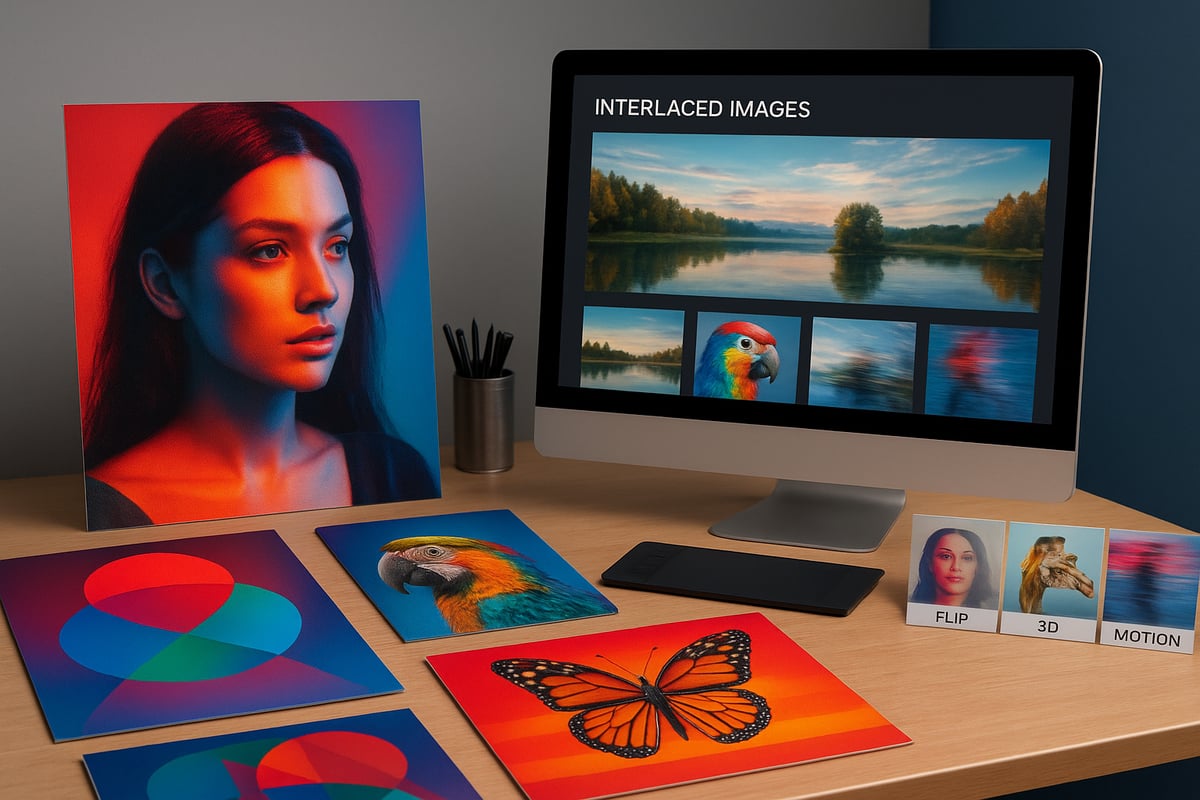
Choosing the Right Visual Effect
Selecting the ideal visual effect is the first step in any lenticular printing custom project. Consider your message, audience, and product type. Are you aiming for a dramatic flip effect, mesmerizing 3D depth, or engaging motion?
In 2026, immersive 3D and dynamic motion effects lead the way, particularly in high-impact marketing campaigns. Interactive storytelling is gaining traction, allowing brands to connect with customers through sequential visuals.
Recent campaigns show that retail packaging benefits from flip effects to reveal offers, while entertainment brands use 3D depth for collectibles and posters. Always match the effect to your specific goals for maximum engagement.
Design Principles for Lenticular Printing
Effective design is crucial for lenticular printing custom success. Begin with high-resolution images and prepare them for interlacing, which blends multiple images for the chosen effect. Pay close attention to color management and contrast, as these influence clarity and depth.
Optimize text and branding elements by keeping fonts bold, legible, and placed away from busy backgrounds. For a comprehensive overview of best practices, consult the Lenticular printing design guidelines.
Testing and refining your design at this stage prevents issues later in production and ensures your final piece delivers a strong visual impact.
Software and Tools for Lenticular Design
Lenticular printing custom projects require specialized software to achieve precise results. Leading programs offer features like live previews, interlacing, and 3D modeling. When selecting a tool, prioritize those that allow you to visualize the effect before production.
Key features to look for include:
- Accurate interlacing algorithms
- Adjustable viewing angles
- Support for multiple effect types
Set up your files to match the printer’s requirements, using recommended resolutions and color profiles. Export your artwork in formats compatible with the production workflow to streamline the process.
Common Design Challenges and Solutions
Every lenticular printing custom project faces unique challenges. Common issues include image ghosting, misalignment, and limited viewing angles. Ghosting occurs when images bleed into one another, reducing clarity.
To address these, follow these solutions:
| Challenge | Solution |
|---|---|
| Ghosting | Increase image contrast, refine interlacing |
| Misalignment | Use registration marks, check proofs |
| Viewing Angles | Optimize design for intended display |
Regularly review proofs and collaborate with your print partner to ensure consistent, high-quality results.
Real-World Examples of Stunning Lenticular Prints
Lenticular printing custom campaigns have produced award-winning visuals across industries. Retailers use motion effects on shelf displays to boost product visibility. The entertainment sector leverages 3D depth for movie posters, creating collectibles that fans cherish.
Packaging designers employ flip and morph effects to make unboxing experiences memorable. These projects often result in increased engagement, stronger brand recall, and measurable sales growth.
By understanding the possibilities and mastering the design process, you can unlock the full potential of lenticular printing custom for your next campaign.
The Custom Lenticular Printing Process: Step-by-Step Guide
Embarking on a lenticular printing custom project requires careful planning and attention to detail. Each phase, from defining objectives to final packaging, contributes to the overall quality and impact of your print. This step-by-step guide breaks down the process, ensuring your lenticular printing custom initiative delivers maximum visual effect and marketing value.
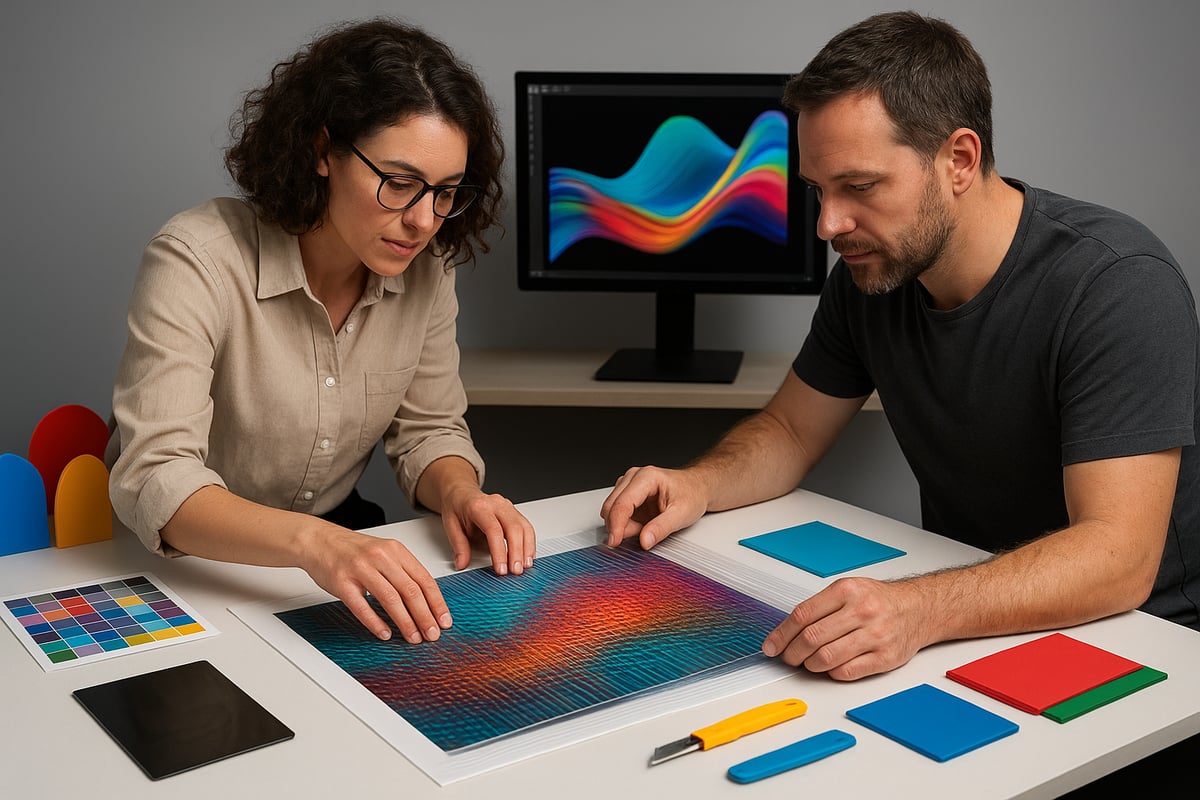
Step 1: Defining Your Project Goals
Every successful lenticular printing custom project starts with clear goals. Define the primary objective: is it to boost brand awareness, drive product sales, enhance packaging, or create an engaging art piece?
Identify your target audience and desired response. Are you aiming for a wow factor, increased interactivity, or subtle sophistication? Gather references and inspiration relevant to your brand, product, or campaign theme.
Documenting these elements ensures alignment throughout the process. By establishing a clear vision, you set the foundation for a lenticular printing custom result that achieves its marketing goals.
Step 2: Selecting the Lenticular Effect and Format
Choosing the right visual effect is vital for your lenticular printing custom project. Decide between flip, 3D depth, animation, or hybrid effects based on your message and audience preferences.
Select the product format that best fits your campaign: postcards, posters, packaging, or signage. Consider size, orientation, and lens specifications, such as lines per inch (lpi) and thickness, to match your artwork and viewing distance.
Matching the effect and format to your goals ensures your lenticular printing custom output delivers both visual impact and functional utility for your brand.
Step 3: Creating and Preparing Artwork
Artwork preparation is central to lenticular printing custom success. Start with high-resolution images, organized in layers or sequences depending on the effect. Proper interlacing of images is crucial for smooth transitions and 3D depth.
Use specialized design software to preview and export files in the correct format. If you are new to the process, consider collaborating with experienced designers or leveraging resources like Start Designing Custom Prints to streamline your workflow.
A meticulous approach in this phase ensures your lenticular printing custom visuals are crisp, dynamic, and ready for production.
Step 4: Prototyping and Proofing
Before launching full production, create physical proofs of your lenticular printing custom design. Prototyping allows you to assess color fidelity, image alignment, and the clarity of the intended effect.
Review samples under various lighting conditions and angles. Gather feedback from stakeholders or test audiences, and make necessary adjustments to artwork or print specifications.
Iterating with proofs ensures the final lenticular printing custom product meets your expectations and delivers a memorable visual experience.
Step 5: Production and Printing
With artwork approved, move to production for your lenticular printing custom order. Select the appropriate printing technology: offset is ideal for high volumes, digital suits short runs, and screen printing works for select applications.
Source quality lens sheets, substrates, and inks that match your project requirements. Implement quality control checkpoints throughout the process to monitor resolution, lens alignment, and overall consistency.
A disciplined production approach ensures your lenticular printing custom materials maintain high standards from the first print to the last.
Step 6: Finishing, Cutting, and Packaging
The final stage in the lenticular printing custom journey is finishing. Choose from lamination, die-cutting, or mounting to enhance durability and presentation.
Carefully cut and package each piece to prevent scratches or damage during transit. Select packaging that reflects your brand and protects your investment.
Plan shipping logistics to ensure timely, secure delivery. Every detail in this phase contributes to the professional impact of your lenticular printing custom project.
Customization Options and Applications in 2026
Lenticular printing custom solutions are transforming how brands connect with audiences in 2026. Businesses have access to more product formats, creative applications, and sustainable choices than ever before. This section explores the top custom formats, real-world use cases, personalization techniques, eco-friendly trends, and how to maximize ROI for your next campaign.
Popular Custom Products and Formats
Lenticular printing custom products now span a wide range of creative options. Companies can choose from classic formats or explore new shapes and interactive displays.
- Postcards and business cards with flip or 3D effects
- Posters and retail displays for in-store engagement
- Custom packaging for product launches and promotions
- Apparel tags and event badges for branding
- Interactive signage with animation or zoom effects
Custom sizes and die-cut shapes make it possible to match any branding need. This flexibility allows brands to create memorable tactile experiences that stand out in crowded markets.
Industry Applications and Use Cases
Lenticular printing custom applications are thriving across multiple industries. Retailers use lenticular displays to highlight products and create eye-catching packaging. Entertainment brands leverage the technology for movie posters, album covers, and exclusive merchandise.
In education, lenticular prints explain complex concepts visually. Healthcare providers use them for patient information materials. Corporate branding benefits from unique business cards, signage, and conference materials.
The versatility of lenticular printing custom solutions ensures that every sector can find a creative fit for their marketing goals.
Personalization and Variable Data Lenticular Printing
Personalization is a game changer for lenticular printing custom projects. Marketers can now create targeted campaigns by incorporating names, images, or unique codes into each print run.
This approach is especially effective for direct mail, loyalty programs, and event invitations. Advances in printing technology make mass personalization more affordable and scalable. For a deeper dive into these techniques, see the Personalized Promotions Printing Guide.
Variable data lenticular printing custom solutions help businesses deliver engaging, one-to-one experiences that boost response rates and customer loyalty.
Sustainability and Eco-Friendly Options
Sustainability is a growing focus in lenticular printing custom production. Many providers now offer recyclable or biodegradable lens sheets, along with eco-friendly inks and substrates.
Brands are demanding greener options to reduce their environmental impact. Industry statistics show a sharp increase in requests for sustainable printing solutions. Choosing these options supports brand values and meets consumer expectations for responsible marketing.
Lenticular printing custom projects can be both visually impressive and environmentally conscious.
Cost Factors and ROI Considerations
Understanding cost drivers is essential for any lenticular printing custom project. Key variables include:
| Cost Factor | Impact on Price |
|---|---|
| Size | Larger prints cost more |
| Effect complexity | 3D and motion add cost |
| Order volume | Higher volume lowers unit price |
| Custom shapes | Increases setup charges |
Calculating ROI involves tracking engagement, sales lift, and brand recall. Many brands see measurable success from lenticular printing custom campaigns, making the investment worthwhile when executed strategically.
Design and Production Best Practices for Maximum Impact
Creating a high-impact lenticular printing custom project requires thoughtful planning and attention to detail throughout the design and production process. By following established best practices, you can ensure your visual effects are crisp, engaging, and memorable.
Optimizing Artwork for Lenticular Printing
When preparing artwork for lenticular printing custom applications, image selection and arrangement are crucial. Choose visuals with strong contrast and clear subject placement to maximize 3D depth or motion effects. Avoid overcrowding the design, as complex backgrounds can reduce clarity.
For best results, use high resolution images and keep important text within the central viewing zone. Test different levels of depth or frame sequences to find the optimal balance. Proper color management ensures your brand colors remain accurate and vibrant in the final product.
Working with a Lenticular Printing Partner
Selecting the right partner for your lenticular printing custom project can make all the difference. Look for providers with extensive experience, modern equipment, and a solid portfolio. Clear communication, especially during proofing and revisions, helps avoid costly errors.
Ask about available printing technologies, material options, and turnaround times. Reviewing the Custom Printing Services Overview can provide further insight into the capabilities and support offered by potential partners. Always request physical samples to assess quality before committing to large orders.
Quality Assurance and Troubleshooting
Rigorous quality control is essential for any lenticular printing custom production. Inspect proofs for alignment, color fidelity, and visual effect performance. Pay special attention to the interlacing and lens alignment, as even minor missteps can cause blurring or ghosting.
Develop a checklist for each production stage, from artwork approval to final cutting and packaging. If issues arise, collaborate with your provider to troubleshoot and resolve them promptly. Keeping detailed records of each batch helps maintain consistency across multiple runs.
Regulatory and Accessibility Considerations
Compliance is a key component of professional lenticular printing custom projects. Ensure all materials meet safety and labeling regulations relevant to your industry. This is especially important for packaging and promotional items.
Accessibility should not be overlooked. Design visual effects that remain clear and legible for all viewers, including those with visual impairments. Review legal requirements for marketing materials to protect your brand and your audience.
How to Choose the Right Custom Printing Partner
Choosing the ideal provider for lenticular printing custom solutions requires careful evaluation. Prioritize experience, advanced technology, and responsive customer support. Sample approval is vital for confirming quality and effect accuracy.
Fast turnaround and flexible production options ensure your project stays on schedule and meets changing needs. With a trusted partner like Custom 101 Prints, businesses gain access to high quality custom printing solutions tailored for maximum impact.
Future Trends and Innovations in Lenticular Printing
The future of lenticular printing custom solutions is vibrant, driven by continuous innovation in technology and design. As we look ahead to 2026, the industry is poised for breakthroughs that will redefine what is possible, from smarter materials to richer interactive experiences. These trends are set to elevate the impact of lenticular printing custom projects in branding, marketing, and product design.
Advances in Lenticular Materials and Technology
Recent years have seen significant advancements in lenticular printing custom materials and production techniques. New lens materials offer greater clarity, improved durability, and enhanced color reproduction. Flexible substrates are enabling lenticular prints to be used on curved or irregular surfaces, expanding creative possibilities for designers.
Leading manufacturers are rolling out next-generation printing systems, such as MUTOH’s Lenticular 2.0 printing capabilities, which deliver sharper effects and better alignment. These innovations support higher resolutions and enable more complex visual effects, such as smart packaging that integrates digital triggers for interactive experiences. As materials become more sustainable, the industry is also responding to demands for eco-friendly options.
Interactive and Augmented Reality Integrations
Lenticular printing custom applications are evolving with the integration of interactive and augmented reality (AR) technologies. By pairing physical lenticular prints with AR apps, brands can create immersive experiences that blend tactile and digital engagement. For example, a retail display might feature a lenticular image that transforms when viewed through a smartphone, revealing hidden content or animations.
Entertainment brands are using AR-enabled lenticular packaging to engage audiences with behind-the-scenes footage or special offers. This seamless fusion of print and digital media is driving higher engagement rates and delivering memorable brand interactions. As AR adoption grows, lenticular printing custom projects will continue to push creative boundaries.
Automation and On-Demand Customization
Automation is streamlining the lenticular printing custom workflow, making it faster and more affordable to produce short runs or one-of-a-kind pieces. Modern software can automate image interlacing, proofing, and layout, reducing manual errors and speeding up project timelines. Print-on-demand solutions are empowering small businesses and independent designers to leverage lenticular effects without large upfront investments.
Key benefits of on-demand customization include:
- Reduced waste and inventory costs
- Flexible order sizes for targeted campaigns
- Faster turnaround for time-sensitive projects
Market research shows a growing demand for personalized, visually engaging print products, positioning lenticular printing custom as a valuable tool for creative marketers.
The Evolving Role of Lenticular Printing in Marketing
As consumer expectations shift toward more tactile and interactive media, lenticular printing custom solutions are becoming a strategic differentiator. Brands are using lenticular effects to capture attention in crowded retail spaces, enhance packaging, and create promotional items that stand out. Marketers recognize the value of unique visual effects in boosting engagement and recall.
Emerging trends include:
- Multi-sensory campaigns that combine touch, motion, and digital interactivity
- Lenticular as a premium feature for product launches and limited editions
- Integration with loyalty programs and personalized experiences
For more inspiration on how lenticular printing custom can transform your promotional strategy, explore these Promotional Printing Ideas. As technology advances, lenticular printing will continue to evolve, offering new ways to connect with audiences and drive results.