Understanding the Screen Printing Process
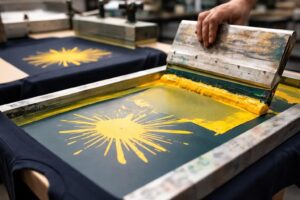
The screen printing process is a versatile and popular method for creating custom designs on various materials. It involves transferring ink through a mesh screen onto a substrate, allowing for vibrant colors and intricate details. This technique is widely used for apparel, promotional items, and signage, making it an essential aspect of custom printing services.
By mastering the screen printing process, businesses can offer high-quality products that meet customer demands. Factors such as ink selection, screen mesh count, and curing methods all play a crucial role in the final output. For instance, using water-based inks can provide a softer feel on fabric, while plastisol inks offer durability and a wide range of color options.
Design Tips for Custom Apparel
When creating custom apparel, design plays a pivotal role in attracting customers and conveying brand identity. Effective design tips include understanding color theory, typography, and layout principles to ensure that the final product resonates with the target audience. A well-thought-out design can elevate a simple t-shirt into a statement piece.
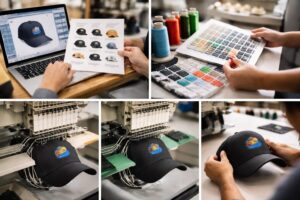
Incorporating elements like contrast, balance, and focal points can enhance visual appeal. For example, using bold colors against a neutral background can make a design stand out. Additionally, utilizing design software tools can help streamline the creative process, allowing for easy adjustments and previews before printing.
Benefits of Choosing Custom Printing Services
Custom printing services offer numerous advantages for individuals and businesses looking to create unique products. One of the primary benefits is the ability to personalize items to reflect individual preferences or brand messaging. This customization can lead to higher customer satisfaction and loyalty.
Furthermore, custom printing allows for scalability, making it suitable for both small orders and large-scale production runs. Businesses can experiment with different designs and products without significant upfront costs, enabling them to adapt to market trends and consumer demands efficiently.
Common Mistakes to Avoid in Custom Printing
When engaging in custom printing, it's vital to avoid common pitfalls that can compromise the quality of the final product. One major mistake is neglecting to proof designs before printing, which can result in costly errors and wasted materials. Ensuring that all elements are correctly aligned and free of typos is crucial for a professional finish.
Another mistake is underestimating the importance of fabric compatibility with printing techniques. Different materials react differently to inks and processes, so understanding these nuances can prevent issues such as fading or peeling. By being aware of these common mistakes, customers can make informed decisions and achieve the best results from their custom printing projects.
Understanding the Screen Printing Process
The screen printing process is a versatile and popular method for creating custom designs on various materials. It involves transferring ink through a mesh screen onto a substrate, allowing for vibrant colors and intricate details. This technique is widely used for apparel, promotional items, and signage, making it an essential aspect of custom printing services.
By mastering the screen printing process, businesses can offer high-quality products that meet customer demands. Factors such as ink selection, screen mesh count, and curing methods all play a crucial role in the final output. For instance, using water-based inks can provide a softer feel on fabric, while plastisol inks offer durability and a wide range of color options.
Design Tips for Custom Apparel
When creating custom apparel, design plays a pivotal role in attracting customers and conveying brand identity. Effective design tips include understanding color theory, typography, and layout principles to ensure that the final product resonates with the target audience. A well-thought-out design can elevate a simple t-shirt into a statement piece.
Incorporating elements like contrast, balance, and focal points can enhance visual appeal. For example, using bold colors against a neutral background can make a design stand out. Additionally, utilizing design software tools can help streamline the creative process, allowing for easy adjustments and previews before printing.
Benefits of Choosing Custom Printing Services
Custom printing services offer numerous advantages for individuals and businesses looking to create unique products. One of the primary benefits is the ability to personalize items to reflect individual preferences or brand messaging. This customization can lead to higher customer satisfaction and loyalty.
Furthermore, custom printing allows for scalability, making it suitable for both small orders and large-scale production runs. Businesses can experiment with different designs and products without significant upfront costs, enabling them to adapt to market trends and consumer demands efficiently.
Common Mistakes to Avoid in Custom Printing
When engaging in custom printing, it's vital to avoid common pitfalls that can compromise the quality of the final product. One major mistake is neglecting to proof designs before printing, which can result in costly errors and wasted materials. Ensuring that all elements are correctly aligned and free of typos is crucial for a professional finish.
Another mistake is underestimating the importance of fabric compatibility with printing techniques. Different materials react differently to inks and processes, so understanding these nuances can prevent issues such as fading or peeling. By being aware of these common mistakes, customers can make informed decisions and achieve the best results from their custom printing projects.