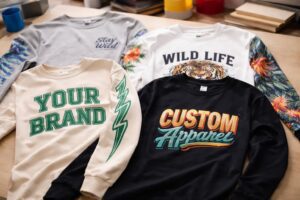
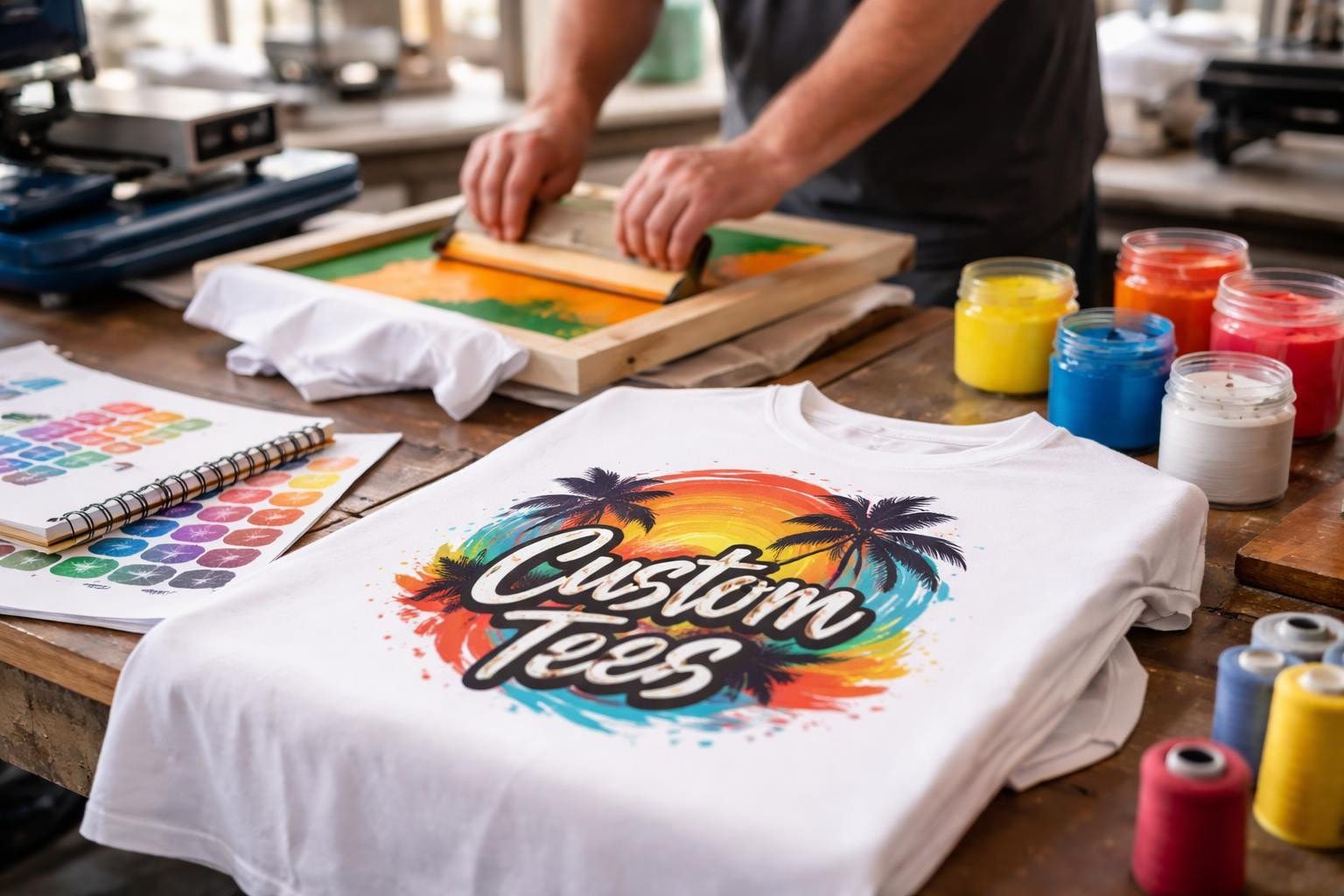
Having t shirts printed has evolved into a sophisticated process offering businesses, organizations, and individuals unprecedented creative freedom and accessibility. Whether you're launching a brand, outfitting a team, or creating promotional merchandise, understanding the modern landscape of custom t-shirt printing ensures you make informed decisions that balance quality, cost, and production time. The industry has expanded far beyond basic screen printing, now encompassing advanced digital technologies and hybrid methods that cater to projects of every scale and complexity.
Understanding Modern T-Shirt Printing Methods
The foundation of successfully having t shirts printed begins with selecting the appropriate printing technique for your specific needs. Each method offers distinct advantages depending on your design complexity, order quantity, budget constraints, and timeline requirements.
Screen Printing for Large Orders
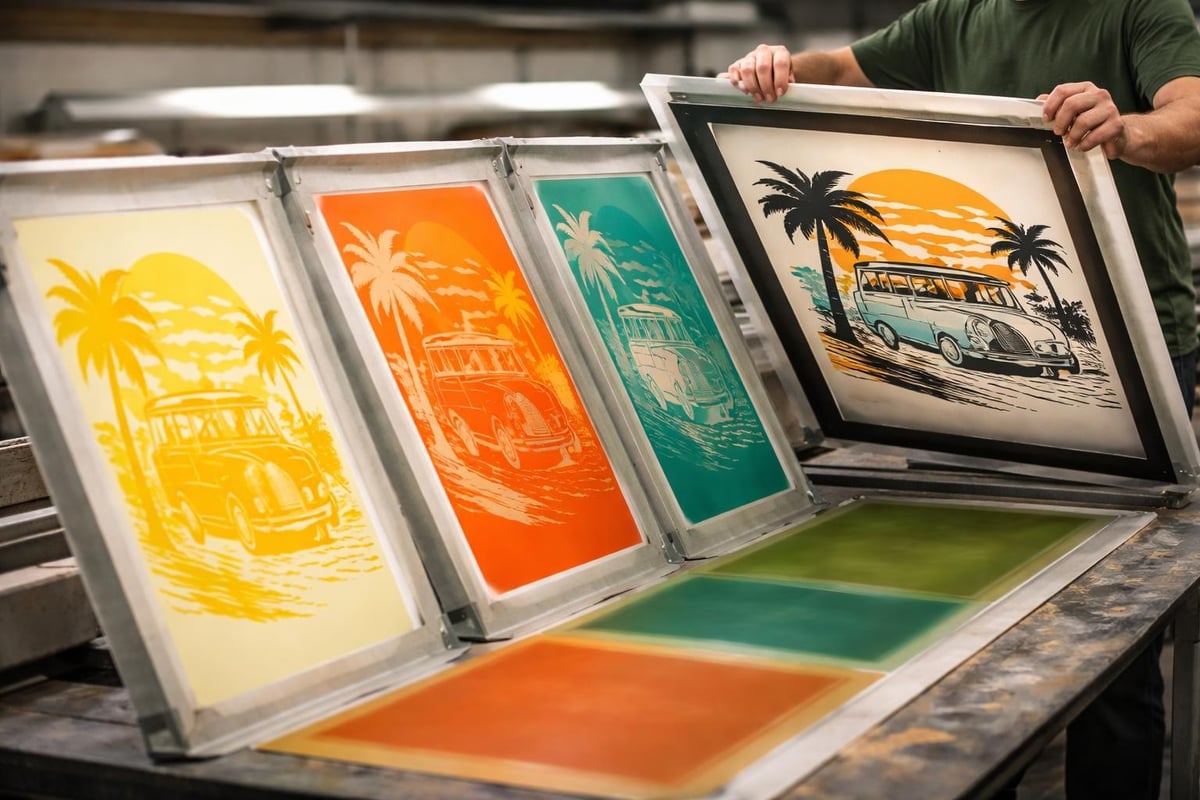
Screen printing remains the gold standard for bulk orders and designs with limited color palettes. This traditional method involves creating individual screens for each color in your design, then pressing ink through these screens onto the fabric. The screen printing process delivers vibrant, durable prints that withstand hundreds of wash cycles without significant fading.
Key advantages of screen printing include:
- Exceptional durability and color vibrancy
- Cost-effectiveness for orders exceeding 50 units
- Superior ink opacity on dark fabrics
- Ability to use specialty inks (metallics, glow-in-the-dark, puff)
- Professional finish suitable for retail-quality garments
The initial setup costs make screen printing less economical for small batches, but the per-unit price drops dramatically as quantities increase. This method excels for corporate uniforms, event merchandise, and retail apparel lines where consistency across large runs is essential.
Direct-to-Garment Printing for Complex Designs
Direct-to-garment (DTG) technology has revolutionized having t shirts printed for small batches and intricate designs. This digital printing method works similarly to an inkjet printer, applying water-based inks directly onto pre-treated fabric. DTG eliminates setup costs and minimum order requirements, making it ideal for print-on-demand businesses and limited edition releases.
The comprehensive guide to DTG printing reveals that this method handles photographic images and complex gradients with remarkable precision. Modern DTG printers achieve photo-realistic quality that screen printing cannot match, especially for designs requiring extensive color variations.
| Feature | Screen Printing | DTG Printing | Heat Transfer |
|---|---|---|---|
| Best Order Size | 50+ units | 1-50 units | 1-25 units |
| Setup Time | 1-2 hours | Minimal | Minimal |
| Color Limitations | 1-6 colors optimal | Unlimited | Unlimited |
| Durability | Excellent (500+ washes) | Good (50+ washes) | Fair (25+ washes) |
| Cost Per Unit | Low (bulk) | Moderate | High |
Emerging Printing Technologies
Direct-to-film (DTF) printing has emerged as a versatile middle ground between traditional and digital methods. This technique prints designs onto special film, then transfers them to fabric using heat and pressure. DTF offers excellent durability and works on various fabric types without pre-treatment, making it increasingly popular for mixed-material orders.
Sublimation printing represents another specialized approach, ideal for polyester garments and all-over prints. This heat-activated process converts solid ink into gas that permanently bonds with synthetic fibers, creating vibrant, long-lasting designs that won't crack or peel.
Design Considerations for Quality Results
Successfully having t shirts printed requires more than selecting a printing method. Your design preparation significantly impacts the final product quality and can affect production costs and timelines.
File Format and Resolution Requirements
Professional printing services require high-resolution vector files or raster images with specific minimum resolutions. Vector formats (AI, EPS, PDF) scale infinitely without quality loss, making them ideal for logos and text-based designs. Raster images (PNG, JPEG, TIFF) should meet minimum resolution standards of 300 DPI at the intended print size.
Essential file preparation guidelines:
- Convert all text to outlines or curves
- Use CMYK color mode for accurate color matching
- Expand all design elements and remove hidden layers
- Provide spot color specifications for brand consistency
- Include bleed areas for edge-to-edge designs
Color accuracy becomes critical when having t shirts printed for corporate branding or merchandise sales. Pantone Matching System (PMS) colors ensure consistency across production runs and different printing methods, though digital printing methods may require slight adjustments to match exact PMS specifications.
Design Placement and Sizing
Standard print locations include front chest, full front, back, sleeves, and inside neck labels. Each location has optimal size ranges that balance visual impact with wearability. Full-front designs typically measure 12-14 inches wide, while chest prints range from 3-4 inches for subtle branding.
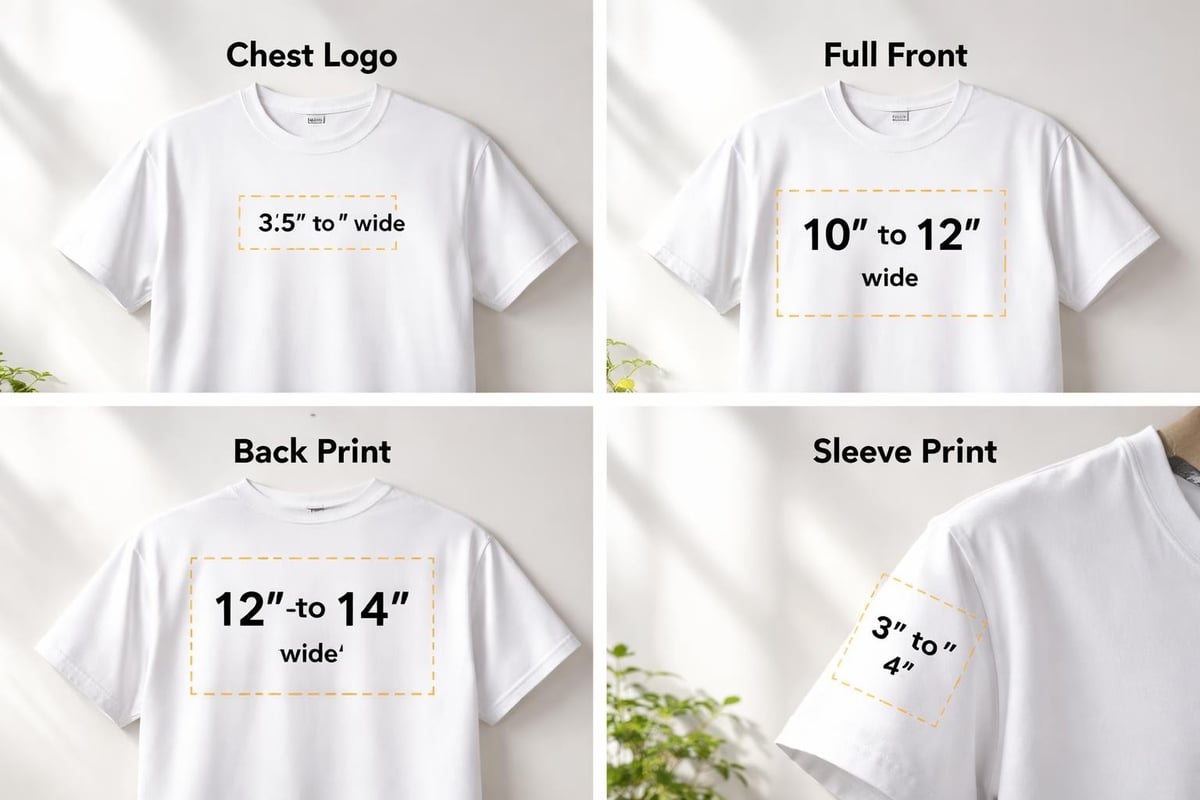
Consider garment construction when planning designs. Side seams, sleeve attachments, and neck ribbing can interfere with certain placements. Professional print providers offer templates showing safe print areas that avoid these construction elements.
Selecting Fabrics and Garment Styles
The blank garments you choose dramatically affect the outcome when having t shirts printed. Fabric composition, weight, and construction quality all influence print adhesion, durability, and overall appearance.
Cotton Versus Blended Fabrics
100% cotton provides excellent breathability and a classic feel that appeals to traditional consumers. Ring-spun cotton offers superior softness compared to standard open-end cotton, creating a premium canvas for your designs. However, pure cotton garments may shrink more than blended alternatives and can be prone to wrinkling.
Cotton-polyester blends (typically 50/50 or 60/40 ratios) combine natural comfort with synthetic durability and wrinkle resistance. These different t-shirt printing techniques work well with various printing methods, though some techniques like sublimation require higher polyester content.
Tri-blend fabrics (cotton, polyester, and rayon) deliver exceptional softness and drape, creating a vintage aesthetic that's popular for retail apparel. The fabric's texture can affect print appearance, with some methods producing a slightly distressed look that enhances the vintage appeal.
Garment Weight and Quality Tiers
T-shirt weights range from lightweight 3.5-4.5 oz fabrics to heavyweight 6-7 oz options. Lighter weights suit summer events and promotional giveaways, while heavier fabrics signal premium quality and provide better opacity for light-colored garments.
- Economy tier: Basic 5.0-5.5 oz cotton or blends for budget-conscious projects
- Mid-tier: 5.5-6.0 oz ring-spun cotton with improved fit and feel
- Premium tier: 6.0+ oz ring-spun, combed cotton or tri-blends with retail-quality construction
- Specialty: Organic cotton, bamboo blends, or performance fabrics for specific markets
Cost Factors and Budgeting Strategies
Understanding the economics of having t shirts printed helps you optimize your budget without sacrificing quality. Multiple variables influence final pricing, and strategic decisions can significantly reduce per-unit costs.
Pricing Components Breakdown
Total project costs comprise blank garment expenses, printing charges, design setup fees, and potential additional services. Blank t-shirts range from $2-$15 per unit depending on brand, quality, and order volume. Printing costs vary by method, with screen printing charging setup fees ($15-$50 per color) plus per-unit rates ($3-$8), while DTG typically charges per-print fees ($8-$15) without setup costs.
Strategies for cost optimization:
- Consolidate orders to reach volume discounts
- Limit design colors for screen printing projects
- Choose standard print locations over specialty placements
- Select in-stock garment colors rather than special orders
- Plan production timelines to avoid rush charges
Comparing various t-shirt printing methods reveals that the most economical approach depends entirely on your specific project parameters. A 500-unit order with a two-color design favors screen printing, while a 25-unit order with full-color artwork makes DTG more cost-effective.
Minimum Order Quantities and Pricing Tiers
Many print shops maintain minimum order requirements to ensure production efficiency, though the rise of DTG printing has enabled no-minimum services for smaller projects. Pricing typically follows tier structures that reward larger orders with lower per-unit costs.
| Order Quantity | Screen Print Cost/Unit | DTG Cost/Unit | Break-Even Point |
|---|---|---|---|
| 1-10 units | Not cost-effective | $15-$20 | DTG optimal |
| 11-50 units | $12-$18 | $12-$16 | Consider both |
| 51-100 units | $8-$12 | $10-$14 | Screen printing better |
| 101-500 units | $6-$9 | $9-$12 | Screen printing optimal |
| 500+ units | $4-$7 | $8-$11 | Screen printing strongly favored |
Production Timelines and Rush Services
Timeline planning proves critical when having t shirts printed for events, product launches, or seasonal campaigns. Understanding industry standard turnaround times helps you avoid unnecessary rush fees while ensuring timely delivery.
Standard Production Schedules
Most professional print shops operate on 7-10 business day production schedules for standard orders. This timeline includes design approval, pre-production preparation, printing, quality inspection, and packaging. Screen printing projects often require additional time for screen creation and curing, while DTG orders can sometimes complete in 3-5 business days.
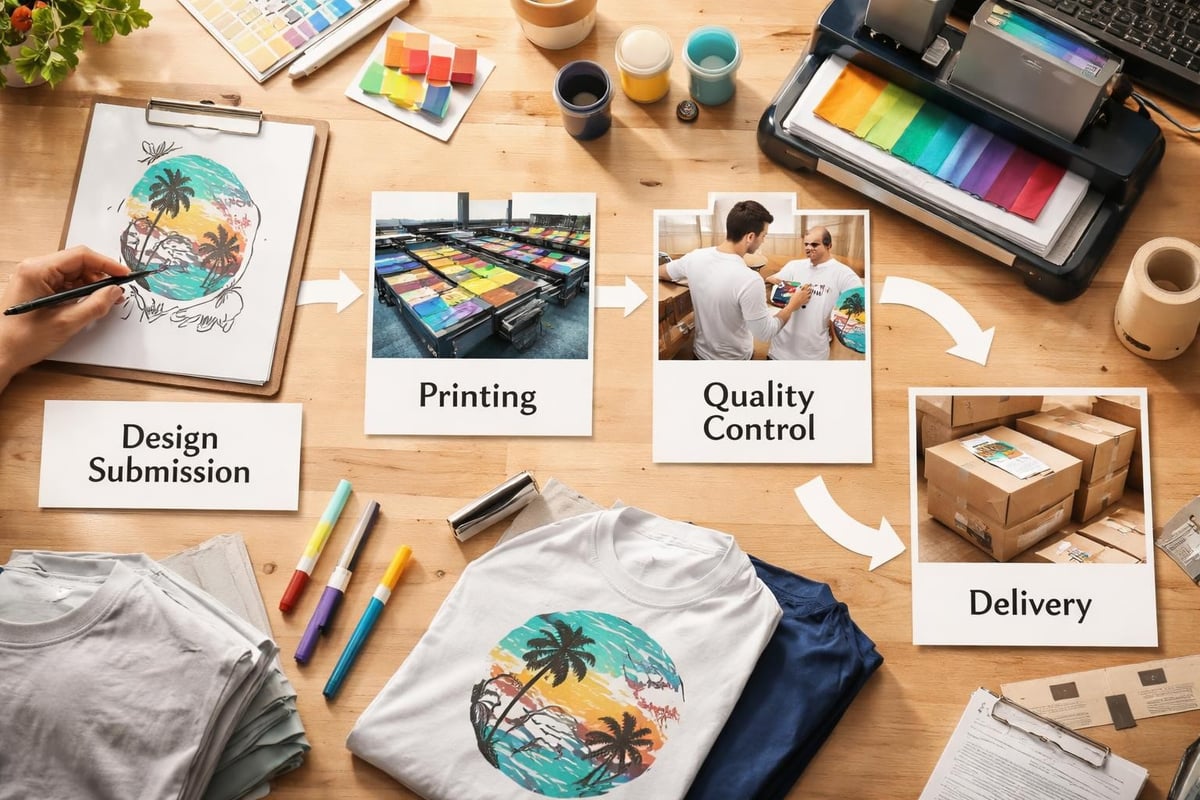
Complex projects involving multiple print locations, specialty inks, or custom labels may extend timelines to 14-21 business days. International shipping adds another 5-15 business days depending on destination and shipping method selected.
Rush Production Considerations
Rush services accommodate urgent deadlines but typically incur premium charges of 25-50% above standard pricing. Most providers offer 48-72 hour rush production for additional fees, though extremely tight deadlines may limit printing method options and garment selection.
Planning ahead eliminates rush charges and provides greater flexibility in method selection and design refinement. Submit designs at least three weeks before needed delivery dates for optimal results and pricing, allowing time for sample approval and potential revisions.
Quality Control and Sample Approval
Professional print providers implement multi-stage quality control processes to ensure consistent results when having t shirts printed. Understanding these checkpoints helps you set appropriate expectations and identify potential issues before full production.
Pre-Production Proofing
Digital mockups provide visual previews of design placement and sizing, though screen colors may vary from final printed results. Physical samples offer the most accurate representation, allowing you to evaluate print quality, color accuracy, and overall appearance before committing to large production runs.
Quality checkpoints during production:
- Color matching verification against approved samples
- Print registration accuracy for multi-color designs
- Ink opacity and coverage consistency
- Curing completion to ensure wash durability
- Final inspection for defects or imperfections
Request strike-off samples for large orders or critical projects where color accuracy is essential. These pre-production samples use actual production materials and methods, providing definitive approval before proceeding with full runs.
Exploring Additional Customization Options
Beyond basic printing, numerous enhancement options elevate custom t-shirts from simple promotional items to premium retail products. These additional services expand creative possibilities while addressing specific functional requirements.
Specialty Printing Techniques
Metallic and reflective inks create eye-catching effects that standard plastisol cannot achieve. Puff printing adds dimensional texture to designs, creating raised surfaces that enhance tactile appeal. Discharge printing removes fabric dye before adding new colors, producing ultra-soft prints on dark garments with a vintage aesthetic.
Combining multiple techniques on single garments creates unique visual effects. Screen printing base layers with DTG detail work merges the durability of traditional methods with digital precision. This hybrid approach suits complex designs requiring both solid color backgrounds and photographic elements.
Value-Added Services
Custom neck labels replace manufacturer tags with branded labels that enhance professional appearance and prevent tag irritation. Inside neck printing offers a cost-effective alternative for brand identification without additional materials. Hang tags, custom packaging, and individual polybags transform bulk printed shirts into retail-ready merchandise.
Embroidery adds premium perceived value, particularly for corporate apparel and team uniforms. While more expensive than printing methods, embroidered designs project professionalism and withstand extreme wear conditions. Many providers offer combination services, exploring various printing and embroidery options to achieve specific aesthetic goals.
Environmental Considerations in T-Shirt Printing
Sustainability has become increasingly important when having t shirts printed, with consumers and businesses seeking environmentally responsible options. Modern printing technologies offer several eco-friendly alternatives to traditional methods.
Water-Based and Eco-Friendly Inks
Water-based inks eliminate harsh chemicals found in plastisol formulations, reducing environmental impact and improving breathability. These inks penetrate fabric fibers rather than sitting on the surface, creating softer prints with a vintage aesthetic. DTG printing exclusively uses water-based inks, making it an environmentally preferable option for small-batch production.
Eco-solvent inks and low-impact dyes minimize water pollution and reduce energy consumption during production. Some providers now offer certified organic inks that meet stringent environmental and health standards, appealing to brands with sustainability commitments.
Sustainable Garment Selection
Organic cotton t-shirts eliminate pesticide use and reduce agricultural water consumption compared to conventional cotton farming. Recycled polyester fabrics divert plastic waste from landfills while delivering performance characteristics similar to virgin materials. Bamboo and hemp alternatives offer renewable fabric sources with natural antimicrobial properties.
Certifications like Global Organic Textile Standard (GOTS), OEKO-TEX, and Fair Trade verify environmental and ethical production practices. Brands increasingly leverage these certifications as marketing differentiators that resonate with environmentally conscious consumers.
Common Mistakes to Avoid
Learning from frequent pitfalls saves time, money, and frustration when having t shirts printed. Many issues stem from inadequate preparation or unrealistic expectations about printing capabilities and limitations.
Design and File Preparation Errors
Low-resolution images produce pixelated, unprofessional prints that reflect poorly on your brand. Converting RGB files to CMYK prevents unexpected color shifts between screen previews and printed results. Failing to convert text to outlines can cause font substitution issues if the printer lacks your specified typefaces.
Ignoring safe print areas leads to designs that extend too close to seams or necklines, potentially getting cut off during production. Not accounting for fabric color influence on print appearance causes disappointment when translucent inks allow base colors to show through designs.
Unrealistic Timeline and Budget Expectations
Expecting same-day or next-day production for custom orders sets you up for disappointment and potential rush fees. Underestimating total project costs by focusing solely on per-unit printing charges neglects blank garment expenses, shipping, and potential setup fees.
Choosing the wrong printing method for your specific needs wastes money and produces suboptimal results. A comprehensive understanding of different printing techniques and their applications helps you make informed decisions aligned with project requirements.
Working With Professional Print Providers
Selecting the right printing partner significantly impacts your experience and results when having t shirts printed. Professional providers offer expertise, equipment, and quality control that DIY methods cannot match.
Evaluating Print Shop Capabilities
Review portfolio samples to assess print quality, color vibrancy, and finishing standards. Verify that providers offer your preferred printing methods and have experience with your specific project type. Check production capacity to ensure they can handle your order volume within required timelines.
Questions to ask potential providers:
- What file formats and specifications do you require?
- Do you offer sample approval before full production?
- What are your standard and rush turnaround times?
- Are there minimum order requirements or setup fees?
- What quality guarantees and reprint policies do you maintain?
Transparent communication about capabilities, limitations, and realistic timelines distinguishes professional operations from problematic vendors. Established providers guide you through the process, offering design consultation and technical recommendations that optimize results.
Building Long-Term Partnerships
Consistent quality, reliable timelines, and responsive customer service justify building ongoing relationships with print providers. Regular customers often receive preferential pricing, priority scheduling, and streamlined ordering processes that simplify repeat production.
Volume commitments across multiple orders may unlock additional discounts and custom service agreements. Many print shops offer account management services for high-volume clients, providing dedicated contacts who understand your brand standards and preferences.
Successfully having t shirts printed requires careful consideration of printing methods, design preparation, fabric selection, and provider capabilities. The right combination of these elements delivers high-quality custom apparel that meets your timeline and budget requirements while effectively representing your brand or message. Whether you need a single custom shirt or thousands of units for a major campaign, Custom 101 Prints offers comprehensive printing services with no minimum order requirements and fast turnaround times throughout New York. Our expertise in screen printing, DTG, embroidery, and specialty techniques ensures optimal results for every project.