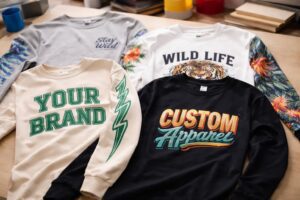
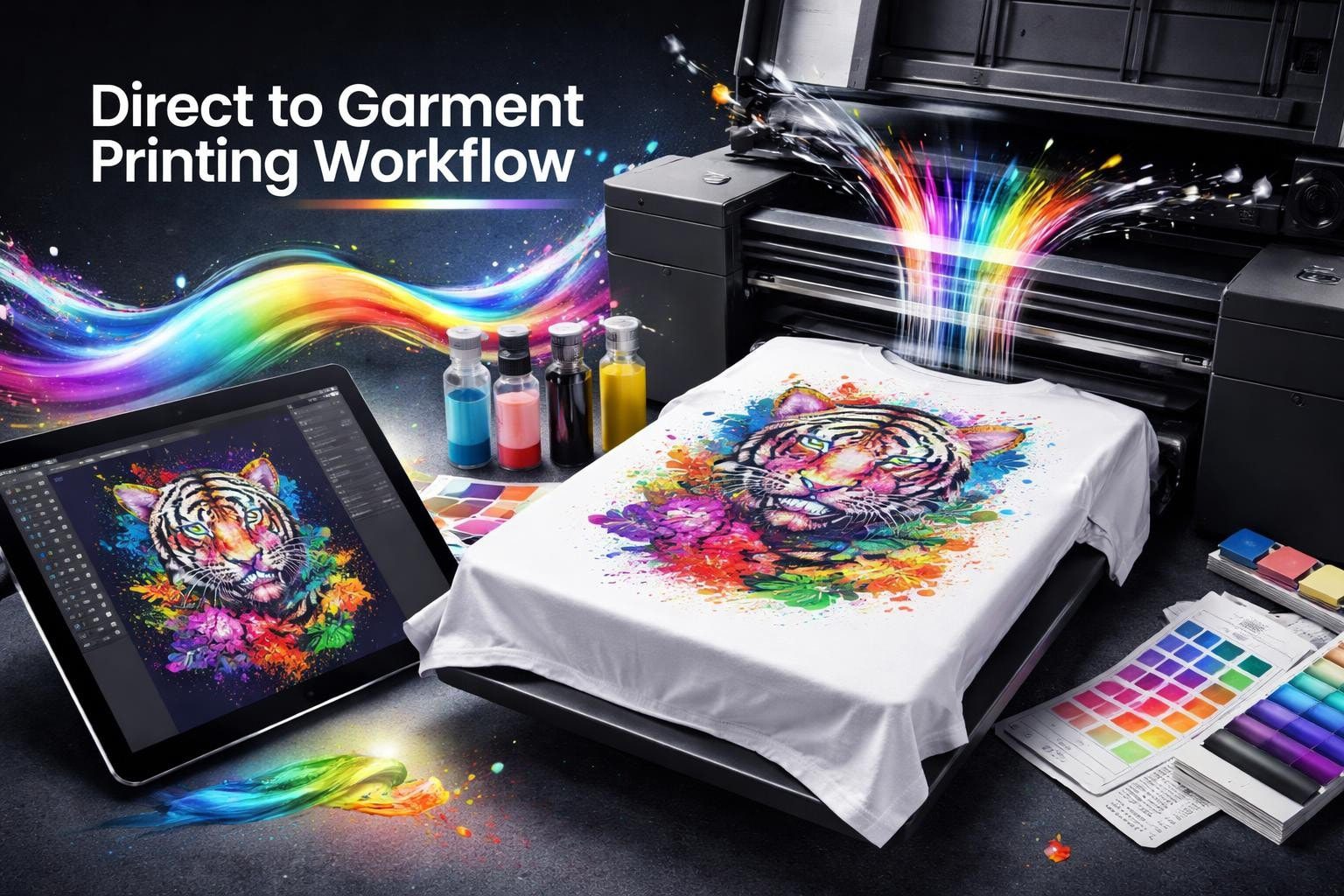
The custom apparel industry has transformed dramatically over the past decade, and direct to garment printing service has emerged as one of the most versatile technologies available. This printing method uses specialized inkjet technology to apply water-based inks directly onto fabric, creating vibrant, detailed designs without the traditional limitations of minimum order quantities. Whether you're a small business owner looking to create branded merchandise, an artist selling custom designs, or an entrepreneur launching a clothing line, understanding how this technology works can help you make informed decisions about your printing needs.
What Makes Direct to Garment Printing Different
Direct-to-garment printing operates fundamentally differently from traditional printing methods. Instead of creating screens or transfers, DTG printers function like oversized desktop printers designed specifically for textiles. The garment is loaded onto a platen, the design is sent from a computer, and specialized printheads deposit water-based inks directly into the fabric fibers.
This process offers several distinct advantages. The digital nature of the technology means you can print one shirt or one hundred with the same efficiency. There's no setup cost for screens, no minimum order requirements, and designs can include unlimited colors without additional charges. A direct to garment printing service can produce photo-realistic images, intricate gradients, and complex artwork that would be challenging or cost-prohibitive with traditional methods.
Technology Behind Modern DTG Printing
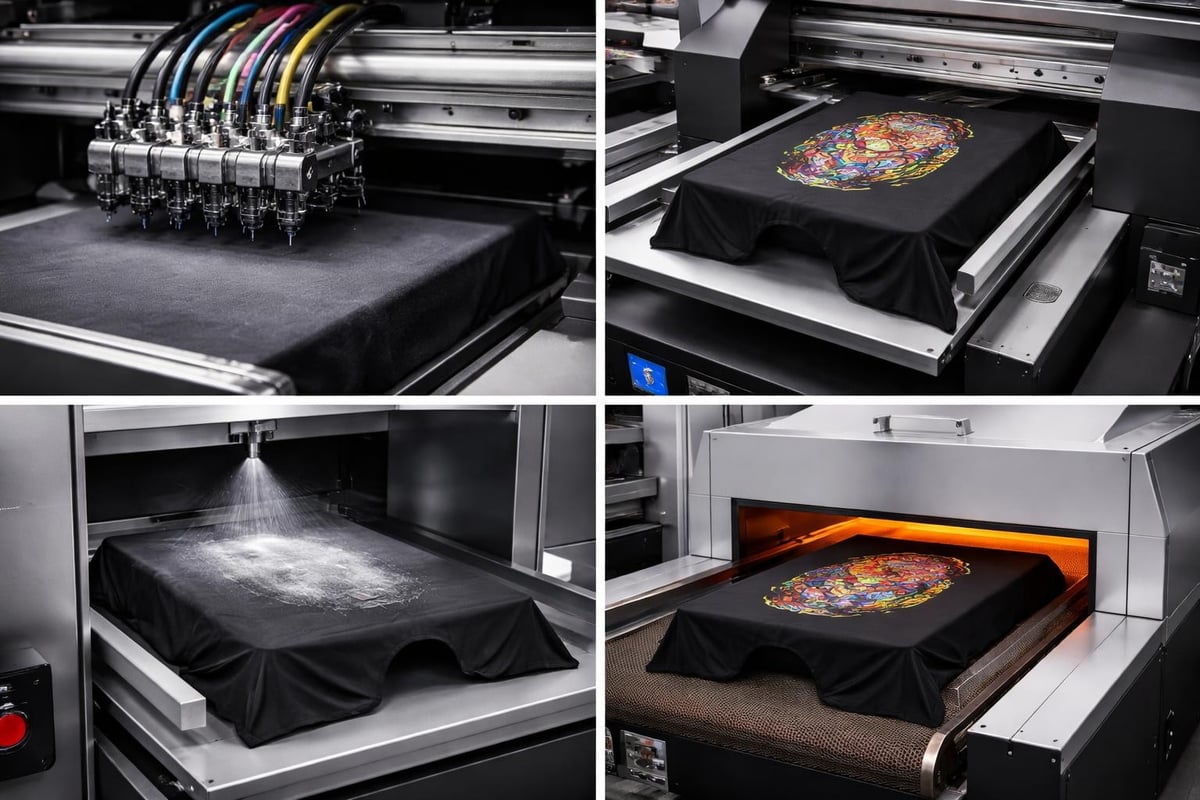
The printheads used in professional DTG equipment are engineered for precision. They deposit microscopic droplets of ink in precise patterns, building up layers to create full-color images. The inks themselves are formulated to bond with fabric fibers rather than sitting on top like plastisol or vinyl.
Key components of DTG systems include:
- Industrial-grade printheads capable of handling textile inks
- Automated garment platens with precise positioning
- Pre-treatment systems for preparing fabric surfaces
- Heat press units for curing and setting inks
- Color management software for accurate reproduction
Most commercial operations use printers from manufacturers like Kornit Digital, which has pioneered high-speed industrial systems specifically for garment decoration. These machines can handle production volumes while maintaining the quality and detail that makes DTG attractive.
Fabric Considerations and Pre-Treatment
Not all fabrics respond equally to direct to garment printing service applications. Cotton and cotton-blend materials provide the best results because water-based inks bond effectively with natural fibers. The fabric structure allows the ink to penetrate and become part of the material rather than creating a surface layer.
| Fabric Type | DTG Performance | Notes |
|---|---|---|
| 100% Cotton | Excellent | Best color vibrancy and durability |
| Cotton/Poly Blend | Good to Very Good | Performance depends on cotton percentage |
| 100% Polyester | Fair | Requires special inks or alternative methods |
| Tri-Blends | Very Good | Soft hand feel with good print quality |
| Dark Garments | Excellent (with pre-treatment) | Requires white underbase |
Pre-treatment is a critical step that many people overlook when evaluating printing options. For light-colored garments, minimal pre-treatment helps the ink bond properly. Dark garments require a more substantial pre-treatment application to create a base for the white ink underlay. This white layer allows colored inks to appear vibrant against dark backgrounds.
The pre-treatment solution must be applied evenly and cured before printing. Too much creates a stiff feel, while too little results in poor ink adhesion and washed-out colors. Professional services have refined their pre-treatment processes to achieve consistent results across different garment types and colors.
Design Optimization for Best Results
Creating artwork specifically optimized for a direct to garment printing service ensures the highest quality output. Unlike screen printing, which has limitations on color counts and gradients, DTG can reproduce complex designs, but that doesn't mean every digital file will print perfectly.
Resolution and File Preparation
Start with high-resolution images, preferably 300 DPI at the final print size. Vector graphics scale perfectly, but raster images need sufficient resolution to avoid pixelation. Files should be in RGB color mode, though the printer will convert to CMYK during processing.
Design best practices:
- Use bold, clear fonts that remain legible at the intended size
- Avoid extremely thin lines that may not print consistently
- Consider the garment color when designing (light designs on dark shirts need special attention)
- Test prints can reveal how colors will actually appear on fabric
- Allow for slight variations in color between digital mockups and printed results
The beauty of working with a professional direct to garment printing service is their expertise in color management. They can adjust files to compensate for how inks interact with different fabric colors and types, ensuring your vision translates accurately to the finished product.
Comparing DTG to Other Printing Methods
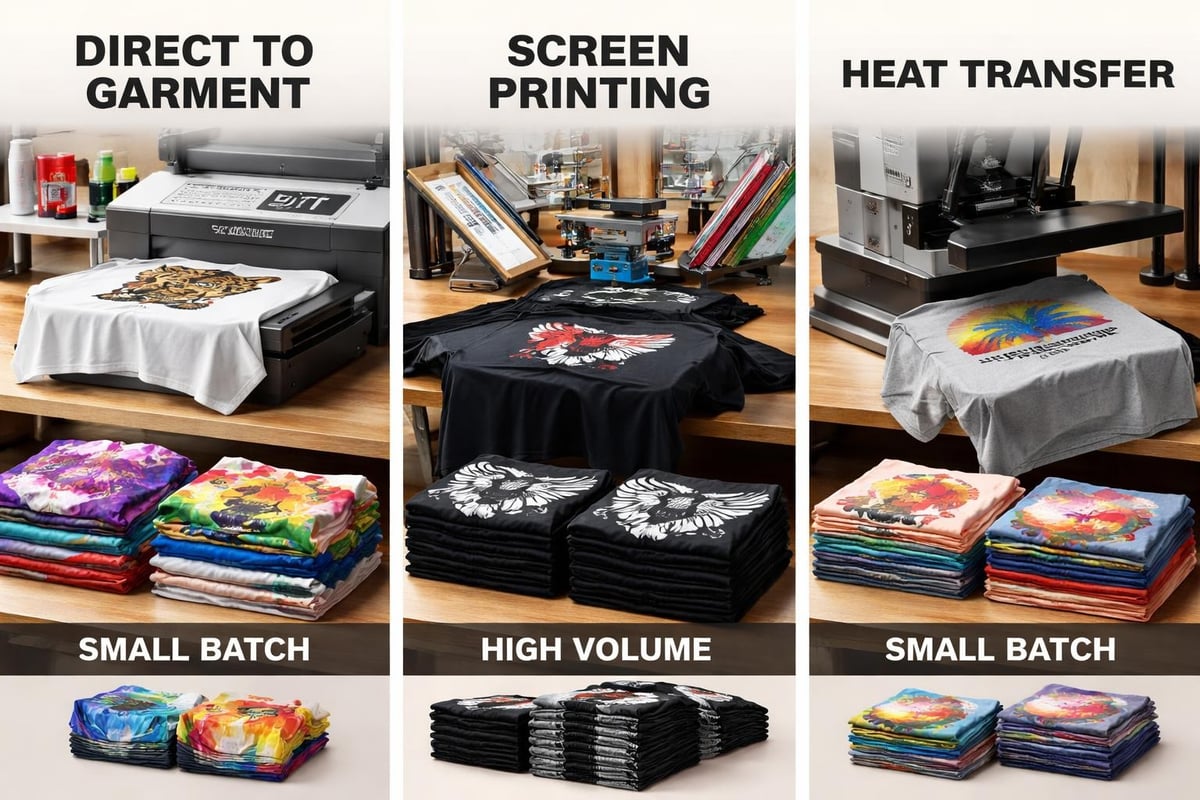
Understanding how direct to garment printing service compares to alternatives helps you choose the right method for your specific project. Each technology has its strengths, and the best choice depends on factors like order quantity, design complexity, and budget.
Screen printing excels at high-volume orders with limited color counts. Once screens are created, the per-unit cost drops significantly, making it economical for hundreds or thousands of identical items. However, setup costs make small runs expensive, and each color requires a separate screen.
Heat transfer methods like vinyl cutting work well for simple designs, numbers, and text. Vinyl creates a durable, vibrant result but struggles with complex artwork and photographic images. Direct-to-film printing offers another alternative that combines some benefits of DTG with different production workflows.
| Method | Best For | Limitations | Cost Structure |
|---|---|---|---|
| DTG | Complex designs, small batches, full color | Limited to cotton-rich fabrics | Low setup, moderate per-piece |
| Screen Printing | Large orders, simple designs | High setup cost, color limitations | High setup, low per-piece |
| Heat Transfer | Numbers, names, simple graphics | Limited detail, feel on fabric | Low setup, moderate per-piece |
| Embroidery | Professional branding, durability | Text and simple logos only | Moderate setup, higher per-piece |
For businesses offering custom embroidery services alongside printing, DTG provides a complementary option. Embroidery creates a premium, textured finish perfect for polo shirts and caps, while DTG handles full-color artwork on t-shirts and hoodies.
Production Speed and Turnaround Times
One significant advantage of direct to garment printing service is the speed from order to delivery. Without the need to create screens or prepare transfers, production can begin almost immediately after artwork approval. A single shirt typically takes between three to five minutes to print, depending on design complexity and whether it's on a light or dark garment.
Dark garments require additional time because the printer must first lay down a white ink layer before applying colored inks. This two-pass process takes longer but produces the vibrant results that make DTG popular for dark shirt printing. Light garments print faster since they only require a single pass of colored inks.
Modern high-production systems can handle dozens of garments per hour, making DTG viable even for medium-sized orders. When you need quick shirt printing, DTG offers competitive turnaround times without compromising quality.
Workflow Efficiency
The digital workflow streamlines production considerably. Design files go directly from computer to printer without intermediate steps. Changes can be made instantly, allowing for rapid prototyping and version testing. This flexibility makes DTG ideal for businesses that need to respond quickly to market trends or customer requests.
Production timeline typically includes:
- Artwork review and approval (same day)
- Pre-treatment application and curing (15-30 minutes per batch)
- Printing (3-5 minutes per garment)
- Heat curing (2-3 minutes per garment)
- Quality inspection and packaging (5-10 minutes per order)
For rush orders, the entire process from approved artwork to finished product can complete in 24-48 hours, making it one of the fastest custom printing options available.
Cost Considerations and Order Minimums
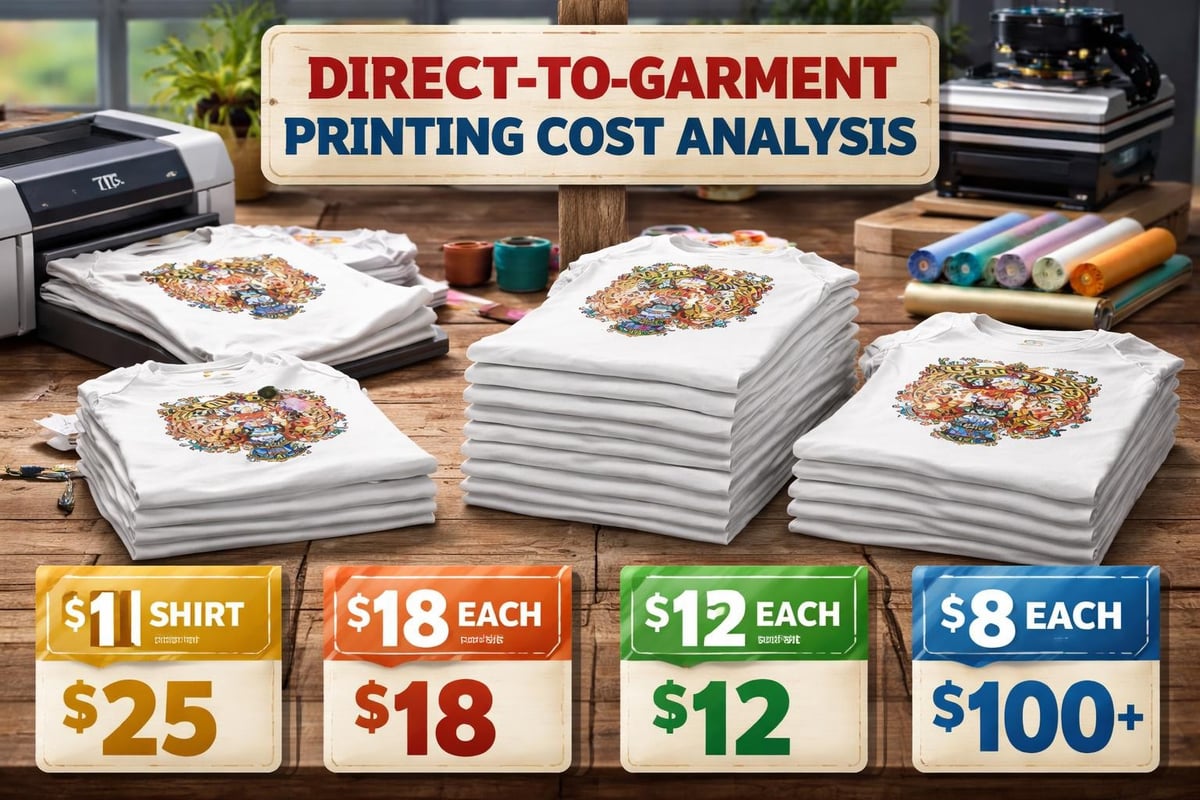
Pricing for a direct to garment printing service differs significantly from traditional methods. The absence of setup fees means small orders become economically viable. You can print a single shirt without paying for screen creation or meeting minimum quantity requirements.
Per-garment costs remain relatively consistent regardless of order size. While printing 100 shirts won't cost as much per piece as printing one, the savings come from bulk garment pricing rather than printing economies of scale. This pricing structure makes DTG perfect for:
- Sample runs and product testing
- Small business merchandise
- Event-specific apparel with limited quantities
- Personalized items with unique designs for each piece
- Print-on-demand business models
Print-on-demand services have grown substantially thanks to DTG technology, allowing entrepreneurs to sell custom designs without maintaining inventory. Products are printed only after orders are placed, eliminating storage costs and unsold inventory risks.
Durability and Wash Performance
Customers often question how well DTG prints hold up over time. When properly executed, a direct to garment printing service produces prints that withstand regular washing and wearing. The water-based inks become part of the fabric rather than creating a surface layer, resulting in a soft hand feel and excellent breathability.
Wash durability depends on several factors. Pre-treatment quality, ink saturation, proper curing temperature, and garment care all impact longevity. Professional services ensure optimal curing, which bonds the inks permanently to the fabric fibers.
Care Instructions for Longevity
Proper garment care extends print life significantly:
- Wash inside-out in cold water
- Use mild detergent without bleach or harsh chemicals
- Tumble dry on low heat or hang dry
- Avoid ironing directly on the printed area
- Skip fabric softeners that can affect ink adhesion
With appropriate care, DTG prints can last hundreds of wash cycles while maintaining color vibrancy and detail. The soft feel remains consistent because there's no thick ink layer to crack or peel over time.
Business Applications and Market Opportunities
The versatility of direct to garment printing service opens numerous business opportunities. Retail brands use it for limited edition releases and test collections before committing to large production runs. Corporate clients order small quantities of branded apparel for specific events or departments.
Artists and designers have found DTG particularly valuable. They can offer custom designs without investing in inventory, printing items as customers order them. This model reduces financial risk and allows for constantly updated product offerings.
Popular DTG applications include:
- Band and music merchandise with tour-specific designs
- Sports teams and leagues with roster changes and special events
- Non-profit organizations with campaign-specific messaging
- Retail brands testing new designs before mass production
- Individual customers wanting personalized gifts
The technology available through services like Scalable Press has made professional-quality printing accessible to businesses of all sizes. Small startups can compete with established brands by offering unique designs and rapid fulfillment.
Quality Control and Consistency
Maintaining consistent quality across multiple prints requires attention to numerous variables. Ink levels, printhead condition, pre-treatment application, curing temperature, and even ambient humidity can affect results. Professional direct to garment printing service providers implement quality control measures at every production stage.
Regular maintenance keeps printers operating at peak performance. Printheads require cleaning cycles to prevent clogging. Calibration ensures color accuracy matches design specifications. Test prints on scrap fabric verify settings before production runs begin.
Experienced operators recognize potential issues before they affect customer orders. They adjust settings based on garment type, color, and design characteristics. This expertise separates professional services from consumer-grade equipment, ensuring consistent, high-quality results.
Environmental Considerations
Water-based inks used in DTG printing offer environmental advantages over traditional plastisol inks. They contain no PVC or phthalates, making them safer for both workers and end users. The inks are biodegradable and don't release harmful chemicals during the printing process.
Pre-treatment solutions have evolved to become more environmentally friendly, with manufacturers developing formulations that reduce chemical content while maintaining performance. The digital nature of DTG also eliminates the chemicals required for screen cleaning and reclamation in traditional screen printing.
Energy consumption remains moderate compared to some industrial processes. Modern printers use LED curing in some cases, reducing the energy needed for heat setting. The elimination of water usage for screen cleaning further reduces environmental impact.
Choosing the Right Service Provider
Selecting a direct to garment printing service requires evaluating several factors beyond just price. Equipment quality, operator experience, turnaround time capabilities, and customer service all contribute to successful project outcomes.
Request samples to assess print quality firsthand. Examine how colors appear on different garment colors, check edge definition in detailed areas, and feel the softness of the print. Compare these samples across multiple providers to identify quality differences.
Ask about their production capacity and typical turnaround times. Understanding their workflow helps set realistic expectations for when your order will be complete. Providers with backup equipment can maintain schedules even if technical issues arise.
Communication matters significantly. Responsive providers who answer questions clearly and provide guidance on design optimization will ensure better results. They should offer suggestions for improving your artwork or selecting appropriate garments for your specific needs.
Direct to garment printing service has revolutionized custom apparel production by combining quality, flexibility, and accessibility in ways traditional methods cannot match. Whether you need a single sample or several dozen custom pieces, DTG technology delivers professional results without the barriers that once limited small-scale custom printing. Custom 101 Prints brings this advanced technology to businesses and individuals throughout New York, offering professional DTG printing alongside screen printing, embroidery, and laser engraving services with fast turnaround times and no minimum order requirements.