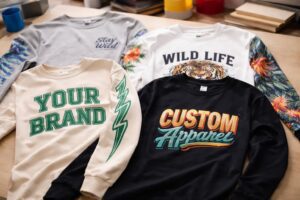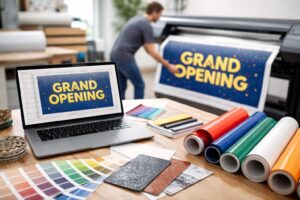
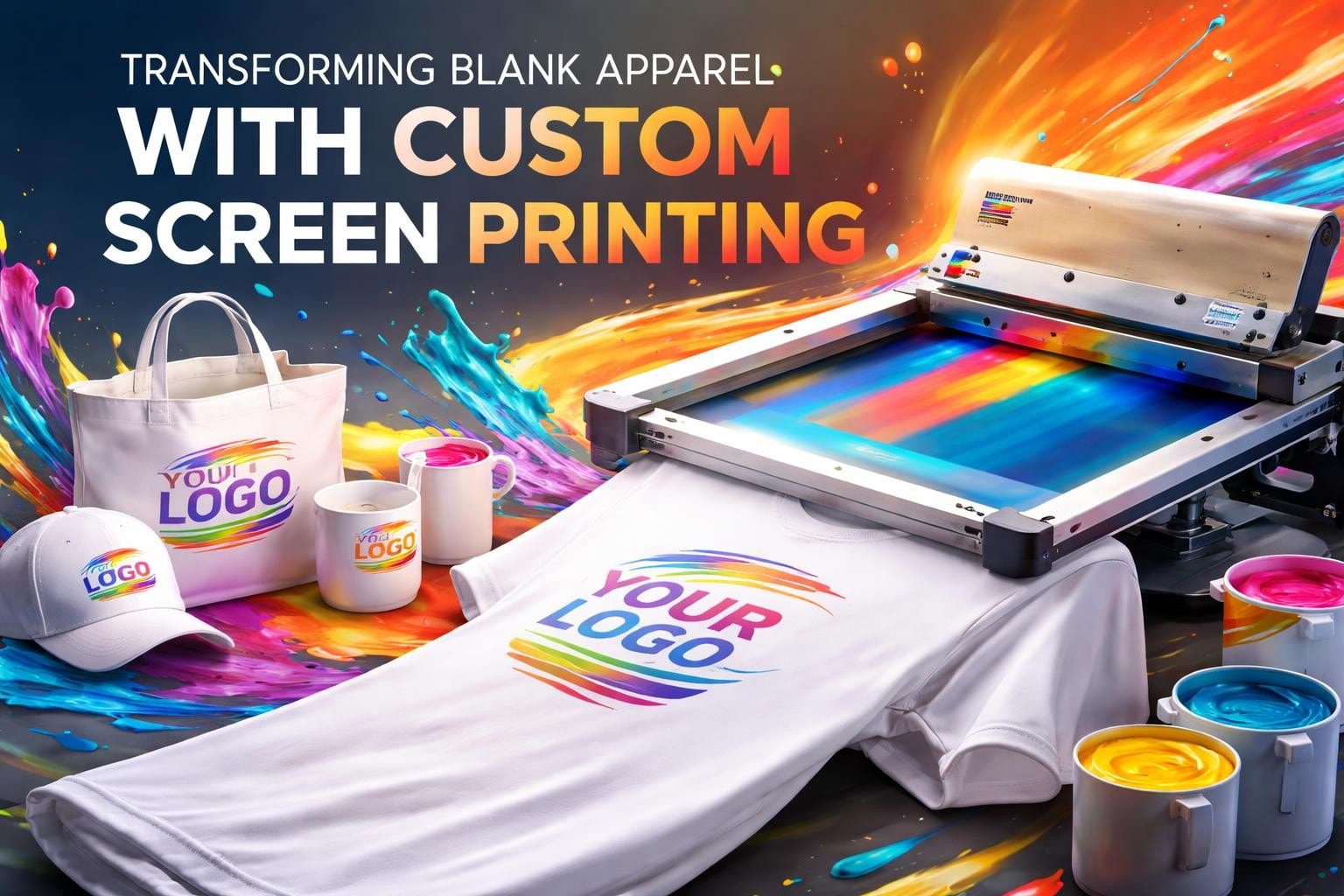
Custom screen printing services have become an essential solution for businesses, organizations, and individuals looking to create high-quality branded merchandise, promotional products, and personalized apparel. This printing technique offers unmatched durability, vibrant colors, and cost-effectiveness for large orders, making it the preferred choice for everything from corporate uniforms to event merchandise. Understanding the nuances of screen printing helps you make informed decisions about your next printing project and ensures you achieve the professional results your brand deserves.
Understanding Screen Printing Technology
Screen printing, also known as silk screening, operates on a straightforward yet sophisticated principle that has stood the test of time. The process involves pushing ink through a mesh screen onto fabric or other materials, with each color requiring a separate screen to create the final design.
The basic workflow includes several critical steps:
- Design preparation and color separation
- Screen preparation with light-sensitive emulsion
- Exposure of screens to transfer design patterns
- Ink application through screens onto material
- Curing process to set the ink permanently
The U.S. custom screen printing industry has experienced steady growth, driven by increased demand for personalized products and promotional merchandise. This growth reflects the technique's versatility across various applications.
How Screen Printing Differs from Other Methods
Custom screen printing services offer distinct advantages over alternative printing techniques like direct-to-garment or heat transfer methods. Screen printing excels in producing bold, opaque colors that remain vibrant even after hundreds of wash cycles.
The ink sits on top of the fabric rather than soaking into it, creating a slightly raised texture that many customers prefer. This characteristic makes screen-printed items particularly durable and long-lasting, ideal for workwear, uniforms, and merchandise that receives frequent use.
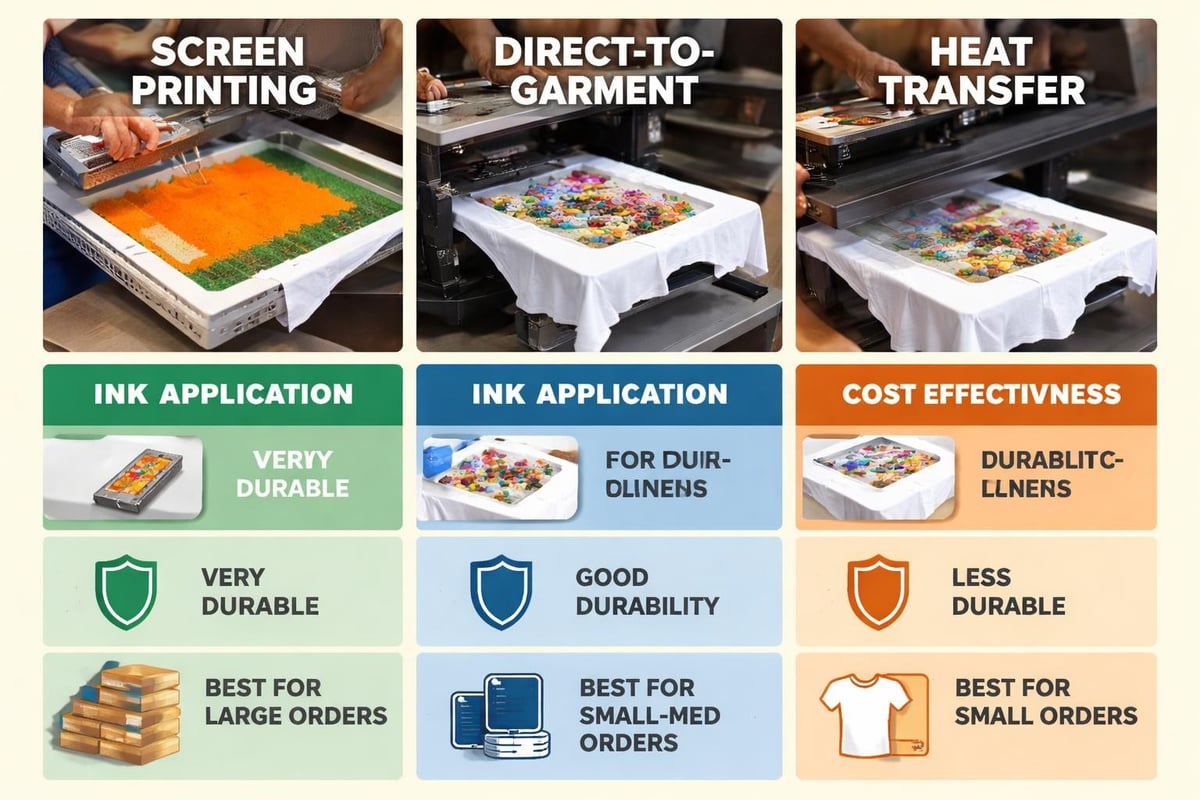
| Method | Best For | Durability | Cost Per Unit | Color Limitations |
|---|---|---|---|---|
| Screen Printing | Large orders (50+) | Excellent | Low at volume | Separate screen per color |
| Direct-to-Garment | Small batches, complex designs | Good | Higher | Full color capability |
| Heat Transfer | One-offs, photo prints | Fair | Moderate | Full color but less durable |
Choosing the Right Materials for Screen Printing
Material selection plays a crucial role in achieving optimal results with custom screen printing services. Cotton fabrics traditionally provide the best surface for screen printing, allowing ink to adhere properly while maintaining breathability and comfort.
Popular material choices include:
- 100% cotton for maximum ink absorption
- Cotton-polyester blends for durability and shape retention
- Performance fabrics with moisture-wicking properties
- Heavyweight materials for workwear applications
Polyester and synthetic materials require specialized inks that can withstand the heat-setting process without scorching. Understanding these material considerations helps you select the right garments for your project and ensures the final product meets your quality expectations.
Ink Types and Their Applications
Different ink formulations serve specific purposes in custom screen printing services. Plastisol inks remain the industry standard due to their versatility, vibrant colors, and ease of use. These petroleum-based inks sit on top of fabrics and require heat curing to achieve permanent adhesion.
Water-based inks offer an eco-friendly alternative that soaks into fabric fibers, creating a softer hand feel with no raised texture. These inks work exceptionally well on light-colored garments and appeal to environmentally conscious consumers seeking sustainable printing options.
Specialty inks expand creative possibilities beyond standard applications. Metallic, glow-in-the-dark, puff, and discharge inks enable unique effects that differentiate branded merchandise and create memorable promotional items.
Design Considerations for Screen Printing Success
Creating effective designs for custom screen printing services requires understanding the technical limitations and opportunities inherent in the process. Simple, bold designs with limited colors typically produce the best results and offer the most cost-effective solutions.
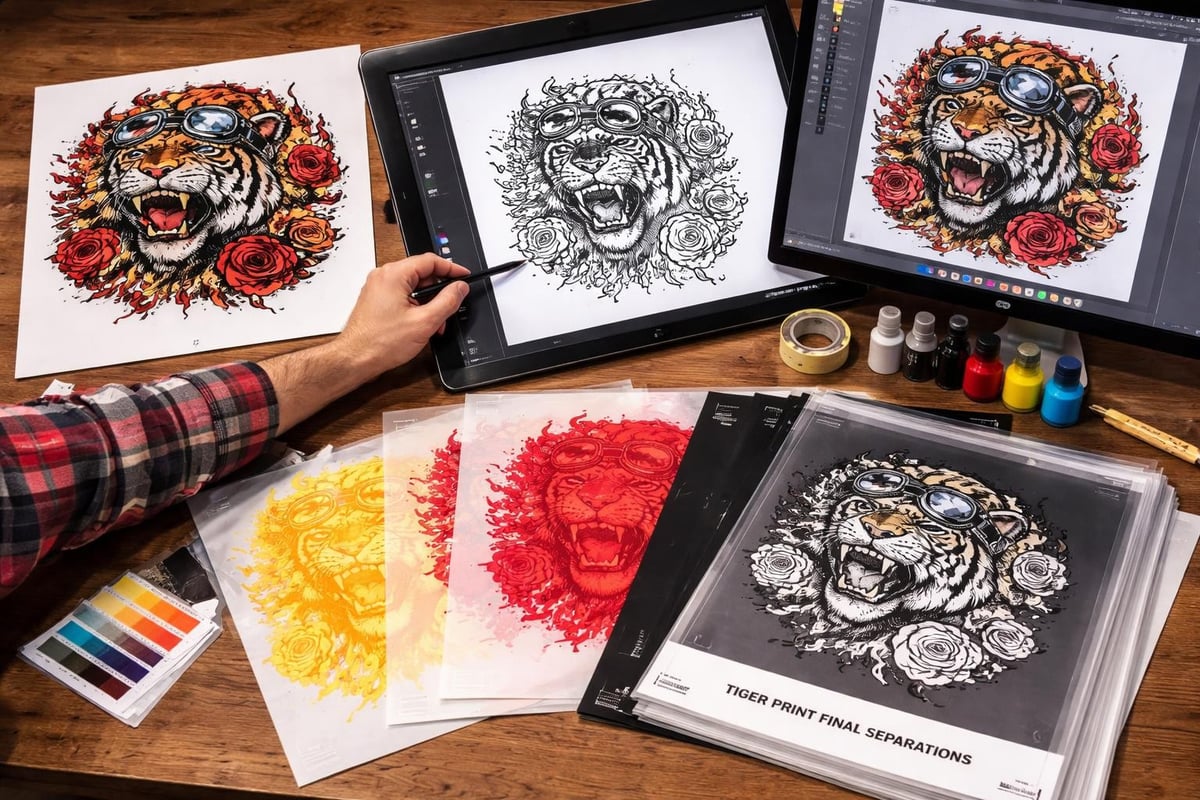
Each color in your design requires a separate screen, increasing both setup costs and production time. Preparing your design properly ensures smooth production and prevents costly revisions during the printing process.
Color Separation and Artwork Preparation
Vector graphics provide the ideal format for screen printing artwork, ensuring clean lines and crisp edges regardless of size. Programs like Adobe Illustrator create vector files that maintain quality when scaled up or down, preventing pixelation issues common with raster images.
Essential design file requirements:
- Vector format (AI, EPS, or PDF preferred)
- Minimum 300 DPI resolution for raster elements
- Spot color separation rather than process colors
- Transparent backgrounds for proper positioning
- Text converted to outlines to avoid font issues
When designing for screen printing, consider how colors overlap and interact. Halftones and gradients require special attention, as screen printing naturally creates solid blocks of color rather than smooth transitions.
Applications Beyond T-Shirts
While apparel remains the most common application for custom screen printing services, the technique extends far beyond basic t-shirts. Businesses leverage screen printing for diverse promotional products, packaging materials, and branded items that strengthen their market presence.
Tote bags, hoodies, sweatshirts, and athletic wear all benefit from screen printing's durability and color vibrancy. The custom printing market continues expanding as businesses recognize the value of high-quality branded merchandise in their marketing strategies.
Non-Apparel Screen Printing Opportunities
Screen printing adapts to numerous surfaces beyond fabric, including glass, metal, wood, and plastic. Promotional products like water bottles, pens, and signage receive professional branding through specialized screen printing techniques.
Custom corrugated plastic signs demonstrate screen printing's versatility for outdoor applications requiring weather-resistant graphics. This application proves particularly valuable for real estate, construction, and event signage where durability matters.
Product packaging represents another growing segment where custom screen printing enhances brand identity and creates premium unboxing experiences. Luxury brands particularly favor screen-printed packaging for its tactile quality and sophisticated appearance.
Order Quantities and Pricing Structures
Understanding pricing models for custom screen printing services helps you budget appropriately and maximize value. Screen printing involves fixed setup costs for creating screens, making it most economical for larger production runs where those costs distribute across many units.
Most providers establish minimum order quantities to offset setup expenses, though some specialized services now offer no minimum order requirements to accommodate smaller businesses and individual customers.
Breaking Down Screen Printing Costs
Cost components typically include:
- Screen creation and setup fees (per color, per design)
- Base garment or product costs
- Ink and materials expenses
- Labor for printing and quality control
- Additional services like folding, bagging, or individual packaging
Pricing decreases significantly as order quantities increase. An order of 50 shirts might cost $12 per unit, while 500 identical shirts could drop to $6 per unit due to economies of scale in screen printing production.
| Order Quantity | Est. Cost Per Shirt | Screen Setup | Total Investment |
|---|---|---|---|
| 24-49 units | $14-16 | $75-100 | $411-884 |
| 50-99 units | $10-12 | $75-100 | $575-1,288 |
| 100-249 units | $7-9 | $75-100 | $775-2,341 |
| 250+ units | $5-7 | $75-100 | $1,325-1,850 |
Turnaround Times and Production Schedules
Production timelines for custom screen printing services vary based on order complexity, quantity, and the provider's current workload. Standard turnaround typically ranges from 7 to 14 business days for most orders, though rush services accommodate tighter deadlines when necessary.
The production timeline begins after design approval and payment processing. Complex designs requiring extensive color separation or specialty inks may add additional days to the standard schedule.
Rush Orders and Expedited Services
Many screen printing companies offer expedited production for time-sensitive projects like event merchandise or last-minute promotional campaigns. Rush fees typically add 20-50% to the standard pricing but compress production timelines to 3-5 business days.
Planning ahead provides the best value and reduces stress. If you're looking to get a t-shirt printed for a specific event, ordering 3-4 weeks in advance ensures ample time for design revisions, production, and shipping.
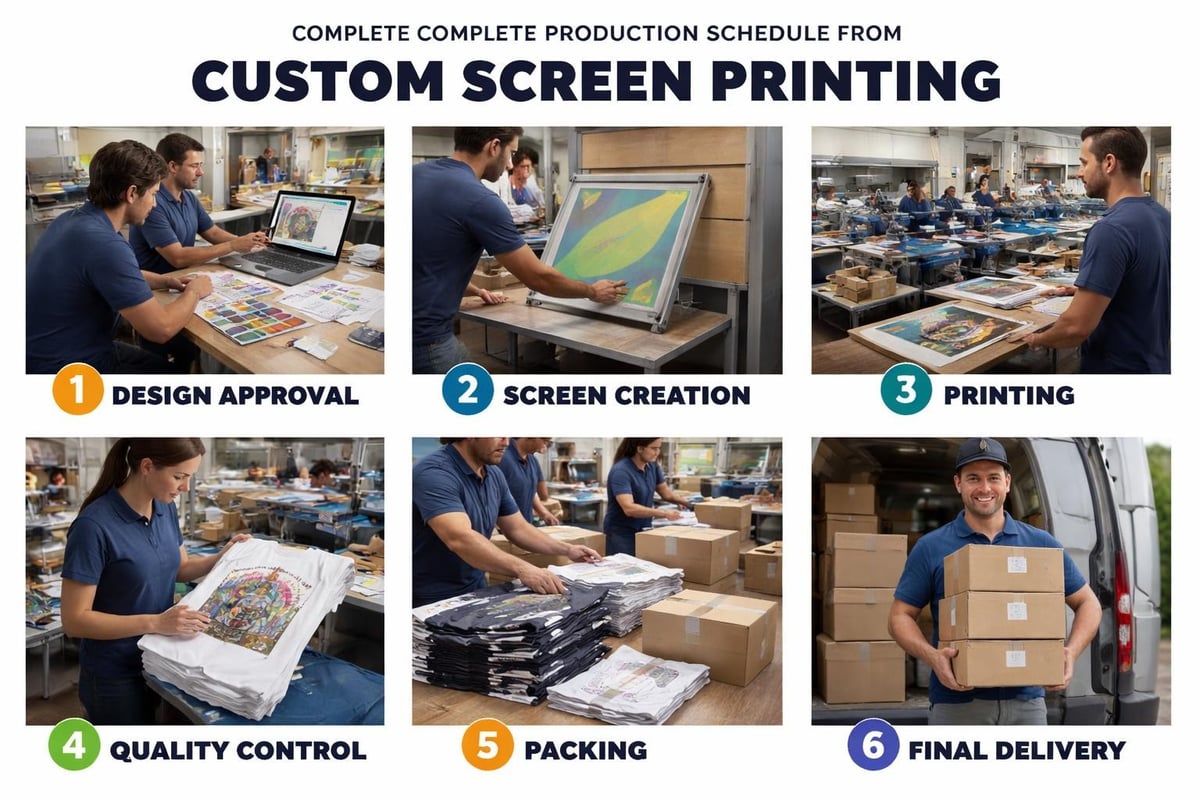
Seasonal fluctuations affect turnaround times significantly. Back-to-school periods, holiday seasons, and summer months create peak demand that may extend standard production schedules. Communicating early with your printing provider helps secure your production slot during busy periods.
Quality Control and Print Durability
Professional custom screen printing services implement rigorous quality control measures throughout production. Each screen undergoes inspection before printing begins, ensuring proper registration and clean emulsion edges that produce sharp, professional results.
Quality checkpoints include:
- Pre-production sample approval
- Color matching verification against Pantone standards
- Registration accuracy across multiple screens
- Ink coverage consistency throughout run
- Final inspection before packaging and shipping
Proper curing ensures screen-printed designs withstand repeated washing without fading, cracking, or peeling. Industrial dryers heat garments to specific temperatures that fully polymerize the ink, creating permanent bonds with fabric fibers.
Care Instructions for Screen-Printed Items
Educating customers about proper care extends the life of screen-printed products and maintains brand appearance. Washing items inside-out in cold water protects prints from abrasion and excessive heat that can degrade ink over time.
Avoiding harsh detergents and chlorine bleach preserves color vibrancy. Tumble drying on low heat or air drying prevents heat damage that causes premature cracking, especially important for plastisol inks that can soften under high temperatures.
Environmental Considerations in Screen Printing
Sustainability has become increasingly important in custom screen printing services as consumers and businesses prioritize eco-friendly practices. Traditional plastisol inks contain PVC and phthalates that raise environmental concerns, driving demand for water-based and eco-friendly alternatives.
Water-based inks eliminate petroleum-based chemicals and reduce environmental impact without sacrificing print quality. These inks produce softer prints with less environmental footprint, appealing to environmentally conscious brands and organizations.
Sustainable Practices in Modern Screen Printing
Progressive screen printing operations implement waste reduction strategies including ink recycling, screen reclamation, and energy-efficient curing methods. Digital printing technology complements traditional screen printing, allowing hybrid approaches that minimize waste on smaller orders.
The global custom printing market increasingly emphasizes sustainability as a competitive differentiator. Businesses seeking eco-friendly promotional products drive innovation in sustainable inks, organic fabrics, and reduced-waste production processes.
Choosing printing partners who prioritize environmental responsibility aligns your brand with consumer values while reducing ecological impact. Certifications like OEKO-TEX and GOTS (Global Organic Textile Standard) verify environmentally sound practices throughout the supply chain.
Selecting a Screen Printing Provider
Finding the right partner for custom screen printing services requires evaluating multiple factors beyond simple price comparisons. Experience with your specific product types, design complexity capabilities, and production capacity all influence the final quality and your overall satisfaction.
Local providers offer advantages including faster turnaround times, easier communication, and the opportunity to inspect samples in person before committing to full production. Screen printing companies near you provide personalized service and support local economies while reducing shipping costs and environmental impact.
Key Selection Criteria
Portfolio reviews reveal a provider's capability range and quality standards. Request samples of previous work similar to your project, paying particular attention to color accuracy, registration precision, and overall finish quality.
Important evaluation factors:
- Equipment quality and maintenance standards
- Design assistance and artwork preparation services
- Minimum order requirements and pricing flexibility
- Production capacity and typical turnaround times
- Customer service responsiveness and communication quality
Reading customer reviews and testimonials provides insights into reliability, quality consistency, and problem resolution approaches. The number of businesses in the custom screen printing industry has grown substantially, creating competitive pressure that benefits customers through improved service and competitive pricing.
Industry Trends Shaping Screen Printing
Technology integration continues transforming custom screen printing services through automation, digital design tools, and hybrid printing approaches. Automated screen printing presses increase production speed and consistency while reducing labor costs and human error.
Digital hybrid systems combine screen printing's durability with digital printing's flexibility, enabling economical short runs with photographic detail. This convergence expands creative possibilities while maintaining the cost advantages screen printing offers for larger orders.
On-demand production models gain traction as businesses seek to minimize inventory costs and respond quickly to market trends. Print-on-demand services allow companies to offer extensive product catalogs without warehousing thousands of pre-printed items.
Emerging Applications and Markets
Athletic and performance wear markets drive innovation in specialty inks and sustainable materials. Moisture-wicking fabrics require specialized inks that maintain breathability while delivering vibrant, durable prints that withstand intensive use and frequent washing.
Personalization capabilities attract consumers seeking unique, customized products rather than mass-produced alternatives. Variable data printing techniques allow cost-effective personalization even within screen printing workflows, traditionally considered a mass-production technique.
Corporate branding continues as a primary driver for custom screen printing services. Companies invest in branded merchandise as employee gifts, trade show giveaways, and customer appreciation items that strengthen brand recognition and loyalty.
Custom screen printing services deliver unmatched value for businesses and organizations seeking durable, vibrant branded merchandise and promotional products. Understanding the technical aspects, design requirements, and selection criteria ensures your next printing project achieves professional results that strengthen your brand presence. Whether you need corporate apparel, event merchandise, or promotional giveaways, Custom 101 Prints offers expert screen printing services in New York with fast turnaround times, no minimum orders, and the personalized attention your project deserves.