Backdrop printing is transforming how events, brands, and photographers create memorable experiences in 2026. As visual storytelling becomes more vital, the right backdrop can elevate everything from corporate launches to personal celebrations.
This guide is designed to be your most reliable resource for backdrop printing. You will discover insights on materials, design strategies, technology advances, customization, and practical tips to help you stand out.
Ready to explore the basics, learn about the latest trends, and unlock expert advice? Dive in and find out how backdrop printing can make your next event unforgettable.
The Fundamentals of Backdrop Printing
Backdrop printing is the process of producing large, visually impactful displays used to set a scene, promote brands, or enhance photography. It is essential for events, trade shows, and celebrations, serving as a focal point for photos or branding. Unlike banners or wall murals, backdrops are designed to cover significant areas and create immersive environments. For example, a photo booth at a wedding might feature a floral backdrop, while a branded step-and-repeat backdrop is common at product launches. The versatility of backdrop printing allows it to adapt across industries and occasions, meeting the needs of businesses, photographers, and event planners. For a comprehensive overview of available custom solutions, you can explore the Custom Printing Services Overview, which details options tailored for events and businesses.
What is Backdrop Printing?
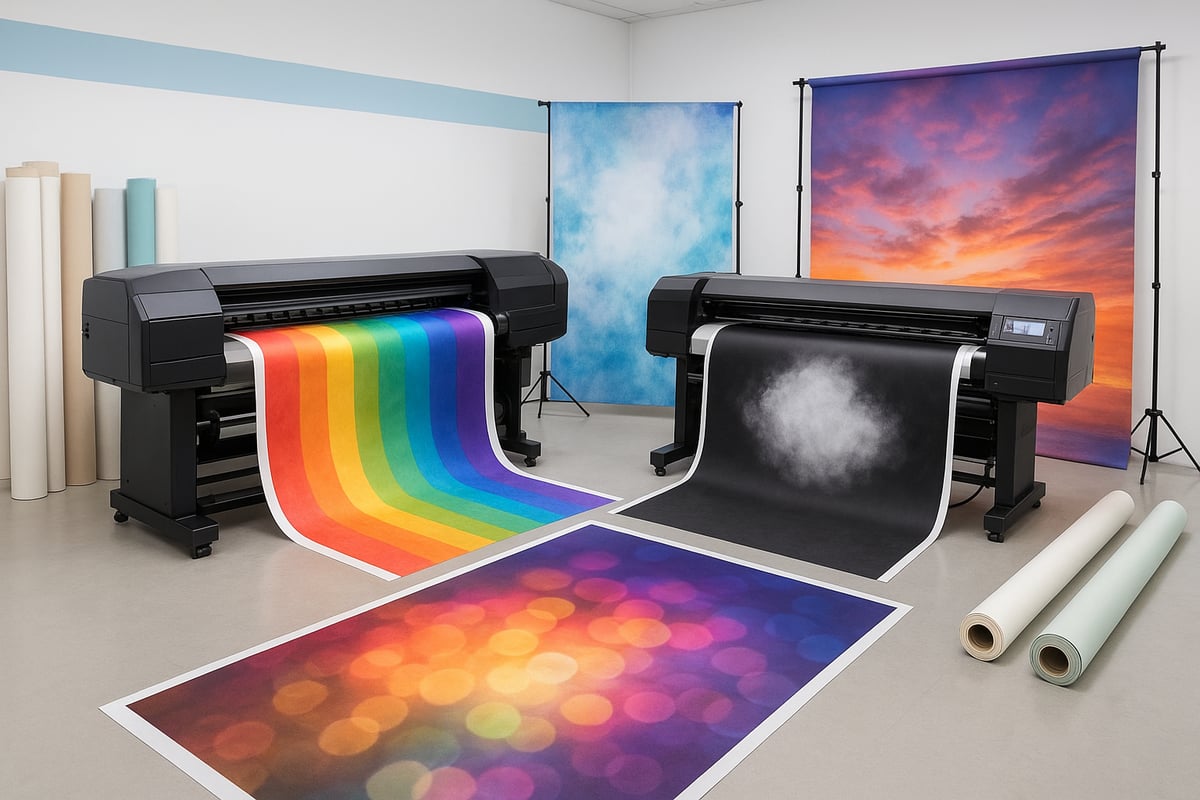
Backdrop printing involves creating large, printed backgrounds for events, photography studios, branding, and special occasions. Its core purpose is to set a visual tone, reinforce messaging, or provide an engaging environment. Backdrops differ from banners, which are usually smaller and more promotional, and wall murals, which are permanent installations. For example, photo booths at weddings often use vibrant, themed backdrops, while corporate events may feature branded step-and-repeat designs for media exposure. The true strength of backdrop printing lies in its adaptability, making it a go-to solution for countless industries and occasions.
Types of Backdrops: An Overview
Backdrop printing offers a range of materials and formats to suit various needs. Popular categories include fabric, vinyl, paper, digital, and hybrid options. Fabric backdrops are favored in photography studios for their premium look, while vinyl stands out for outdoor events due to its weather resistance. There are reusable backdrops for recurring events and single-use designs for one-off occasions. According to recent data, vinyl and fabric remain the top choices, prized for their durability and high print quality. This variety ensures backdrop printing meets both creative and practical demands.
Essential Backdrop Sizes and Formats
Choosing the right size and format is crucial for effective backdrop printing. Standard sizes such as 8×8 feet or 10×8 feet are common, but custom sizes are readily available. Seamless backdrops provide a smooth, uninterrupted look, perfect for group photography, while panel or modular designs offer flexibility for larger spaces. The size of your backdrop impacts both the setup process and the visual effect it has on attendees. For example, a small product photography shoot may require a compact backdrop, whereas a stage event needs a much larger display for maximum impact.
Key Factors to Consider Before Printing
Before starting your backdrop printing project, several factors demand attention. Consider the event type, whether it is indoors or outdoors, the lighting conditions, and how the backdrop will be installed. Budget is also critical, as is the expected lifespan of the backdrop. High print resolution and color accuracy are vital for professional results, especially for branding. In real-world scenarios, poor planning can result in backdrops that clash with the venue or fail to deliver the intended effect. Careful consideration at this stage ensures your backdrop printing investment pays off.
Materials and Design Choices for 2026
Choosing the right materials and design for backdrop printing in 2026 can be the difference between a memorable event and a missed opportunity. As technology and design tastes evolve, so do the options for creating backdrops that stand out, last longer, and make a lasting impression.
Fabric vs. Vinyl vs. Paper: Pros and Cons
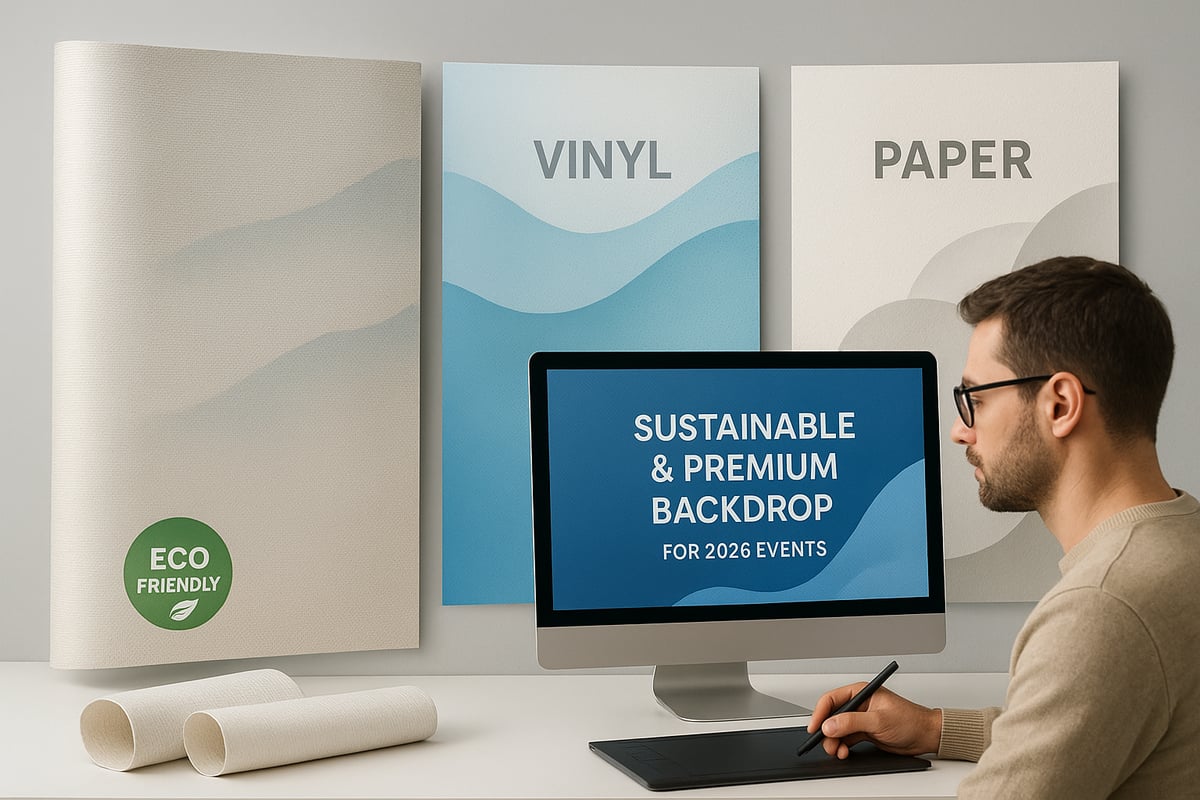
Selecting the best material for backdrop printing starts with understanding the strengths and weaknesses of each option. Here is a comparison:
| Material | Durability | Print Quality | Portability | Cost | 2026 Innovations |
|---|---|---|---|---|---|
| Fabric | High | Excellent | Easy | $$ | Eco-friendly, wrinkle-resistant |
| Vinyl | Very High | High | Moderate | $$ | Advanced outdoor coatings |
| Paper | Low | Good | Very Easy | $ | Recyclable options |
Fabric is favored for its premium look and soft texture, making it ideal for photography studios and high-profile events. Vinyl remains the top choice for outdoor events due to its weather resistance and print clarity. Paper, while less durable, is cost-effective for temporary and single-use backdrop printing. In 2026, eco-friendly and wrinkle-resistant fabrics are gaining popularity, raising the bar for both sustainability and visual appeal.
Design Trends for Backdrops in 2026
Design trends for backdrop printing in 2026 are all about creating immersive and visually engaging experiences. Minimalism continues to dominate, with clean lines and subtle gradients providing a modern touch. Bold color gradients and 3D effects add depth and dynamism, helping brands and photographers capture attention.
Interactive elements, such as augmented reality triggers and QR codes, are increasingly integrated into backdrop designs. Seasonal and holiday-specific themes, like winter wonderlands or floral motifs for weddings, offer endless customization. Custom photo-realistic backdrops are especially popular for milestone events, allowing hosts to set the perfect scene for every occasion.
Customization Options: Logos, Photos, and Graphics
Customization is at the heart of effective backdrop printing. Adding logos, personal photos, or themed graphics transforms a standard backdrop into a unique branding or storytelling tool. High-resolution files are essential for crisp, professional results, especially when enlarging graphics for large-scale displays.
Case in point: Many corporate events feature branded step-and-repeat backdrops, ensuring company logos are visible in every photo. For private events, custom graphics can reflect personal milestones, hobbies, or favorite places. When planning customization, always collaborate with designers who understand the technical requirements of backdrop printing.
Color Management and Print Resolution
Color fidelity is a critical factor in backdrop printing. The choice between CMYK and RGB color modes affects how colors appear in the final print. CMYK is standard for physical printing, ensuring that colors reproduce accurately and consistently.
To avoid mismatches, calibrate your monitor and use color profiles that match your printer's specifications. High print resolution (at least 150-300 DPI) prevents pixelation, particularly for detailed logos or photographic backdrops. For corporate branding, precise color calibration ensures logos and graphics appear exactly as intended, maintaining brand integrity.
Finishing Touches: Grommets, Stands, and Hemming
Finishing options play a significant role in the usability and longevity of backdrop printing. Common mounting choices include:
- Grommets for easy hanging with hooks or ropes
- Pole pockets for seamless integration with stands
- Velcro or adhesive backings for quick setup
- Hemming for reinforced edges and durability
Sturdy stands are essential for safety and professional presentation, especially at high-traffic events. The right finishing touches not only simplify setup but also protect your investment, ensuring your backdrop can be used repeatedly without damage.
Sustainability in Backdrop Materials
Sustainability is becoming a top priority in backdrop printing for 2026. The demand for recyclable and biodegradable materials is driving innovation across the industry. Eco-conscious printing practices, such as water-based inks and energy-efficient production methods, are increasingly standard.
A notable development is the use of recycled polyester fabrics, which offer both durability and a reduced environmental footprint. For those seeking to make their events greener, exploring eco-friendly fabrics transforming fashion in 2026 can provide valuable insights into the latest sustainable materials and trends. Choosing certified sustainable options not only benefits the planet but also resonates with eco-minded audiences.
Printing Technology: What’s New in 2026?
The landscape of backdrop printing is rapidly evolving, driven by breakthroughs in print technology and rising expectations for quality and speed. In 2026, innovative methods are making it easier and more affordable to create visually stunning backdrops for any event or brand activation.
Digital Printing vs. Screen Printing for Backdrops
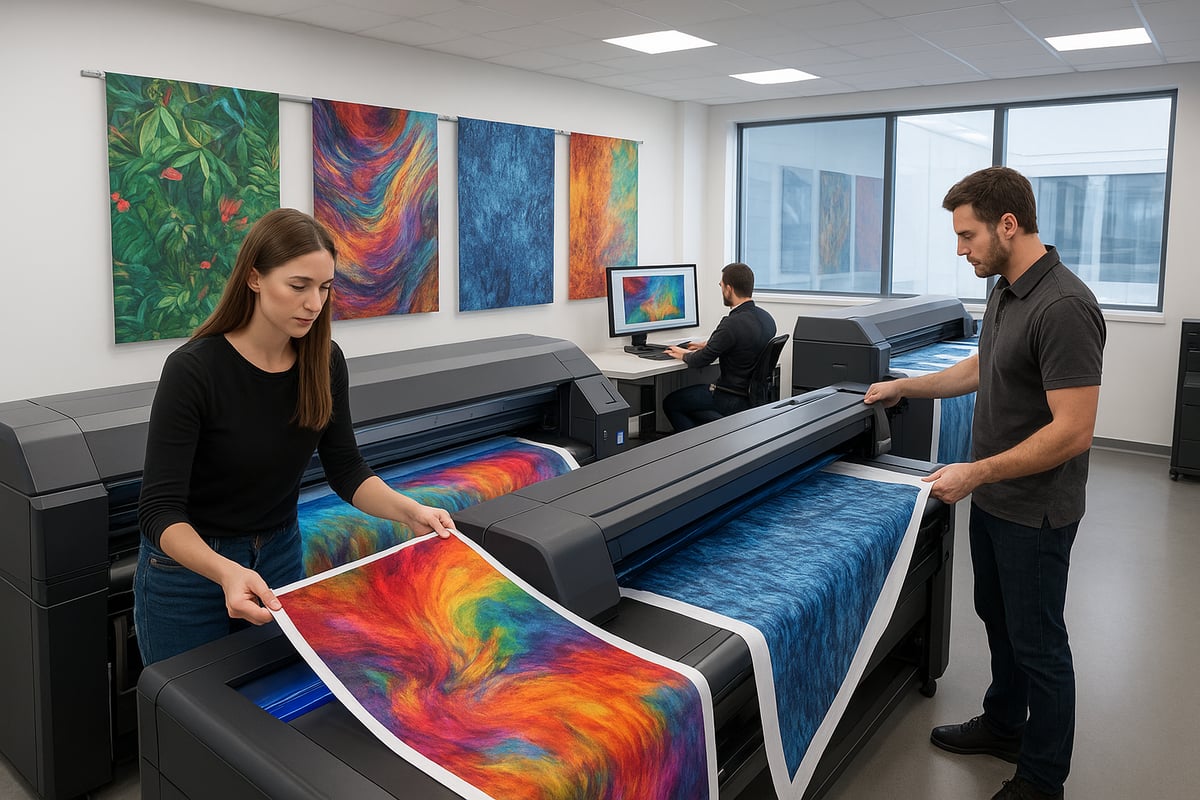
Digital printing and screen printing remain the two most popular methods for backdrop printing in 2026. Digital printing uses high-resolution inkjet technology to produce vibrant, full-color images directly onto fabric or vinyl. This method is ideal for detailed designs, photos, and quick turnarounds.
Screen printing, by contrast, involves creating stencils for each color and applying inks layer by layer. It excels with bold graphics and large runs but is less suited for complex images. For a deeper dive into how these methods stack up, see Digital vs. Screen Printing Insights.
The choice between these techniques depends on your project’s complexity, color requirements, and budget. Both methods are foundational to backdrop printing today.
Large-Format Printing Innovations
Large-format printers have undergone significant upgrades, impacting backdrop printing by enabling larger sizes and faster production. In 2026, printers using UV-curable and latex inks deliver superior color vibrancy and environmental performance.
These machines handle wide rolls of fabric or vinyl, producing seamless backdrops up to 16 feet wide. Advanced ink technology ensures durability, especially for outdoor use, and reduces drying time.
Demand for eco-friendly and high-speed printing has fueled the adoption of these innovations. As a result, backdrop printing is now more accessible and reliable for events of any scale.
Direct-to-Fabric and Dye-Sublimation Printing
Direct-to-fabric (DTF) and dye-sublimation printing are transforming textile backdrop printing. Dye-sublimation infuses ink into the fabric, yielding vibrant, long-lasting colors with a soft touch. DTF applies ink directly to textiles, suitable for both polyester and blended materials.
These methods eliminate the need for additional transfer steps, reducing production time and waste. Dye-sublimation is especially popular for seamless, wrinkle-resistant fabric backdrops.
With these advancements, backdrop printing offers new creative possibilities and premium results for photographers and event planners alike.
Print Quality Control and Proofing
Quality control is critical in backdrop printing to ensure accurate colors and crisp detail. The process begins with pre-press checks, including file setup, resolution verification, and color proofing.
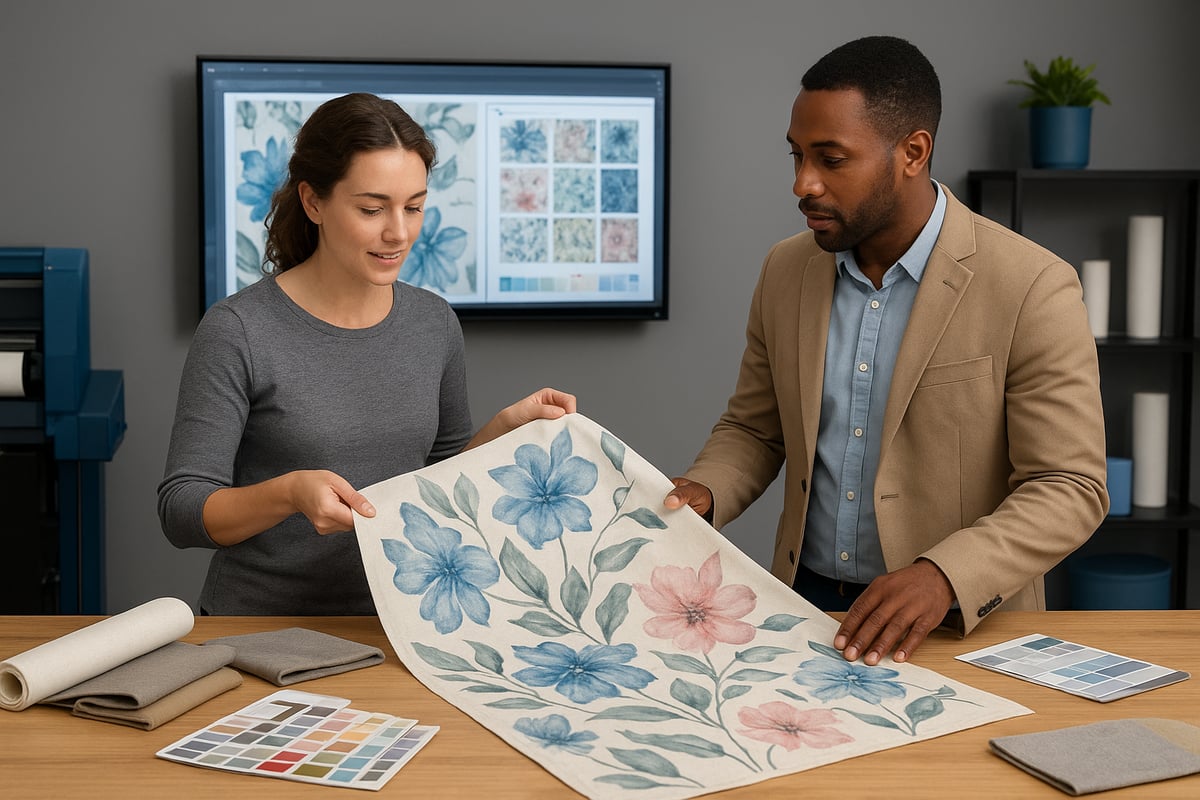
Most printers provide digital proofs, allowing clients to review and approve designs before production. Physical samples may be available for color matching. This step prevents issues like pixelation, color shifts, or incorrect cropping.
By following rigorous proofing protocols, backdrop printing companies minimize errors and deliver backdrops that meet high professional standards.
Turnaround Times and Production Speeds
Speed is a top priority for backdrop printing in 2026. Standard lead times range from three to seven days, depending on material and complexity. Rush services can deliver backdrops within 24 hours for urgent events.
Factors like print method, finishing options, and order volume affect production speed. Digital printing is typically faster than screen printing, especially for custom or small-batch orders.
With improved automation and workflow management, backdrop printing providers can now accommodate tight deadlines without sacrificing quality.
Cost Factors in Backdrop Printing
The cost of backdrop printing depends on several variables, including material, size, print method, and finishing touches. For example, fabric backdrops may cost more than vinyl but offer a premium look and feel.
Bulk orders and repeat designs often qualify for discounts, making large-scale events more affordable. Here is a quick breakdown:
| Factor | Impact on Cost |
|---|---|
| Material | Fabric > Vinyl |
| Print Method | Digital > Screen |
| Size | Larger = Higher |
| Finishing | Adds to total |
Understanding these factors helps you budget effectively for backdrop printing and achieve the best value for your investment.
Step-by-Step: How to Order a Custom Backdrop
Ordering a custom backdrop printing solution in 2026 is easier and more customizable than ever. By following a clear process, you can ensure your backdrop fits your event, branding, and technical needs perfectly. Let’s walk through each essential step, so you can approach backdrop printing with confidence and precision.
Step 1: Define Your Purpose and Requirements
Start by clarifying the main goal for your backdrop printing project. Is it for a birthday celebration, a corporate trade show, or a professional photo shoot? Consider your audience, the event’s theme, and the mood you want to create.
Gather reference images and inspiration to guide your design. Think about how the backdrop will be used, whether for capturing group photos, creating a branded environment, or enhancing a stage. Defining these details early ensures your backdrop printing delivers the right impact.
Step 2: Choose the Right Material and Size
Selecting the proper material is crucial for successful backdrop printing. Evaluate options like fabric for a premium look, vinyl for outdoor durability, or paper for budget-friendly setups. Think about the event location—is it indoors or outdoors? Will the backdrop need to be reused?
Measure your available space carefully, and select a size that accommodates your needs. Standard sizes, such as 8×8 ft, work for most events, but custom sizing can provide a tailored fit. Matching material and size to your requirements maximizes the value of your backdrop printing investment.
Step 3: Prepare and Upload Your Artwork
For high-quality backdrop printing, artwork must be prepared at the correct resolution and format. Use design templates provided by your printer, ensuring you include necessary bleed areas and safe zones. Preferred file formats usually include PDF, TIFF, or high-resolution JPEG.
Check your images and graphics for clarity and color accuracy. Before uploading, review a checklist: Are all elements sharp? Are fonts embedded? Is the color profile set to CMYK? These steps help prevent issues during backdrop printing and ensure a crisp, professional result.
Step 4: Select Finishing and Mounting Options
Finishing touches can make a significant difference in backdrop printing. Decide on mounting features such as grommets, pole pockets, velcro strips, or adhesive backings based on your installation needs. If portability is important, consider a lightweight, collapsible stand.
Sturdy stands and proper finishing add to the safety and presentation of your backdrop. For events on the move, portable stands are a smart choice. Tailoring the finishing to your setup simplifies installation and extends the lifespan of your backdrop printing.
Step 5: Review Proofs and Approve for Production
Before your backdrop printing goes into production, carefully review digital proofs provided by your printer. Check for color accuracy, sharpness, and correct placement of all design elements. If possible, request a physical sample to verify material and print quality.
Only approve the final design once you are satisfied with every detail. Taking time at this stage prevents costly mistakes and ensures you receive a backdrop printing solution that meets your expectations.
Step 6: Delivery, Setup, and Care Tips
When your backdrop printing is complete, select a shipping option that fits your timeline. Upon arrival, unpack and inspect your backdrop for any transit damage. Follow installation guidelines for safe and secure setup.
To maintain your backdrop printing investment, clean according to material recommendations and store it rolled or folded as advised. For more tips and the latest trends, check out the Latest Custom Printing Articles. With careful handling, your custom backdrop will look great and perform reliably event after event.
Advanced Tips for Event Planners, Photographers, and Businesses
Elevating your event or photo session with backdrop printing requires more than just a great design. Professionals know that how you use, install, and maintain your backdrop can make or break visual impact. Here are essential advanced strategies to get the most from your investment in backdrop printing.
Maximizing Visual Impact with Backdrop Placement
Strategic placement is crucial for making backdrop printing stand out at any event. Position your backdrop where guests will naturally gather, such as venue entrances, stages, or dedicated photo booths. Good placement not only makes branding more visible but also encourages social sharing.
For group photos, ensure the backdrop is well-lit from both sides to eliminate shadows and prevent glare. In high-traffic areas, reinforce stands and check the stability to avoid mishaps. Step-and-repeat backdrops are ideal for red carpet events, where repeated logos maximize brand exposure in every photograph.
Carefully planning backdrop printing placement means your visuals will dominate the event’s narrative and leave a lasting impression.
Multi-Use and Modular Backdrop Systems
For recurring events, modular backdrop printing systems offer flexibility and cost savings. These systems feature panels or sections that can be rearranged, resized, or rebranded for different occasions. This adaptability ensures you get more value from each investment.
Consider storing interchangeable graphics or branded panels for annual conferences, seasonal campaigns, or varied photo shoots. Modular backdrops are also easier to transport and install, reducing setup time and labor costs.
By leveraging modular backdrop printing solutions, you support sustainability goals while maximizing the versatility of your branding assets.
Branding and Marketing with Custom Backdrops
Custom backdrop printing is a powerful tool for marketing. Incorporate logos, taglines, and social media handles to boost brand recognition in every event photo. For greater engagement, add QR codes or interactive elements that link to digital content or promotions.
According to Digital Graphic Printing Market Analysis 2026, demand for digital backdrop printing continues to rise, driven by the need for high-quality, customizable event signage. This trend highlights the importance of creative, memorable backdrop designs for both in-person and hybrid experiences.
Well-designed backdrop printing can significantly increase brand recall and social media reach, turning every attendee into a potential brand ambassador.
Troubleshooting Common Backdrop Issues
Even the best backdrop printing can face challenges. Wrinkles may develop during shipping or storage; use a handheld steamer for fabric or carefully re-roll vinyl to minimize creases. Glare is another common problem, especially with glossy materials—opt for matte finishes or adjust lighting angles to reduce reflections.
If colors appear faded or mismatched, check that your files use the correct color profiles and that printers are properly calibrated. For installation issues like sagging or tilting, invest in sturdy stands and double-check all mounts. Quick fixes and preventative care will keep your backdrop printing looking sharp throughout the event.
Working with Professional Designers and Printers
Collaborating with experts in backdrop printing ensures you achieve the best results. Experienced designers can optimize your artwork for large-scale prints, while professional printers can advise on materials, finishing, and the latest technologies.
Ask about proofing options, color management, and turnaround times to avoid last-minute surprises. Many leading printers now use automation and AI to streamline production and reduce errors. For a deeper look at these advancements, see 2026 Printing Trends: Automation and AI Integration.
A strong partnership with your backdrop printing provider leads to higher quality, fewer mistakes, and a smoother project from start to finish.
Budgeting and ROI Considerations
Investing in backdrop printing is about balancing quality, versatility, and cost. Consider long-term value: premium materials may cost more upfront but offer greater durability and reuse potential. Modular systems can save money over time by adapting to multiple events.
Use this simple ROI table to guide budgeting decisions:
| Investment Level | Lifespan | Reuse Potential | Branding Impact |
|---|---|---|---|
| Basic (Paper) | 1 event | Low | Moderate |
| Standard (Vinyl) | 3-5 events | Medium | High |
| Premium (Fabric) | 10+ events | High | Excellent |
Calculate your cost per use and assess branding benefits. Smart budgeting for backdrop printing ensures you maximize both visual impact and return on investment.
Future Trends in Backdrop Printing for 2026 and Beyond
The landscape of backdrop printing is evolving rapidly as we head into 2026. Event professionals, photographers, and brands are seeking more than just static visuals; they want interactive, sustainable, and highly personalized solutions. Let’s explore the top trends shaping the future of backdrop printing and how these innovations are set to redefine the event and branding experience.
Smart and Interactive Backdrops
Smart technology is transforming backdrop printing into an immersive experience. The integration of augmented reality (AR), QR codes, and LED lighting allows backdrops to come alive at events. For example, guests can scan a QR code embedded in the design to trigger digital overlays or interactive animations on their smartphones.
LED-embedded backdrops offer dynamic color changes and animated effects, increasing engagement. AR-enhanced backdrop printing lets event organizers create virtual scenes or branded experiences beyond the physical surface. These innovations are making backdrops a focal point for audience interaction and social sharing.
Eco-Friendly Innovations and Green Events
Sustainability is now a core consideration in backdrop printing. The use of biodegradable materials, water-based inks, and carbon-neutral production processes is rising. According to industry surveys, 60 percent of event planners now prioritize eco-friendly options for their events.
Companies are choosing recycled polyester fabrics and responsibly sourced substrates. Certifications for green printing practices are gaining traction, aligning with broader event sustainability goals. For more on these advancements, explore Sustainable Event Technology Innovations in 2026 to see how eco-conscious backdrop printing fits into the bigger picture.
Personalization and On-Demand Printing
Demand for personalized, on-demand backdrop printing is surging. New production methods allow for rapid creation of one-off designs, enabling real-time customization at events. Live backdrop printing stations at parties or trade shows let guests choose their backgrounds or add personal messaging.
This level of personalization ensures every event feels unique. The technology supporting this trend also reduces waste, as only needed quantities are produced. As a result, backdrop printing is evolving into a truly guest-centric service, supporting brand storytelling and memorable experiences.
AI and Automation in Design and Production
AI-driven tools are streamlining the design and production process for backdrop printing. Automated design suggestions help non-designers create visually stunning backdrops with ease. Print automation reduces human error and accelerates production timelines.
Shorter lead times and improved accuracy benefit both event planners and printers. With AI, backdrop printing is more accessible, efficient, and adaptable to last-minute changes. The future promises even smarter systems that optimize designs based on event type, lighting, and branding needs.
Globalization and Remote Collaboration
Backdrop printing is no longer limited by geography. Cloud-based proofing and global logistics allow clients to design and order backdrops from anywhere in the world. This trend is especially valuable for international events, where organizers can source backdrops locally to save on shipping and reduce environmental impact.
Remote teams can collaborate in real-time, reviewing digital proofs and making adjustments instantly. The globalization of backdrop printing offers greater flexibility, faster turnaround, and consistent quality across continents.
The Evolving Role of Backdrops in Hybrid and Virtual Events
As hybrid and virtual events become mainstream, backdrop printing is adapting to new formats. Physical backdrops remain essential for in-person branding and photography, while digital backgrounds are gaining popularity for webinars and virtual conferences.
Many events now combine both, offering cohesive visual identities across physical and online platforms. According to industry reports, 40 percent of events in 2026 will feature hybrid or virtual components, highlighting the continued importance of backdrop printing in both realms.