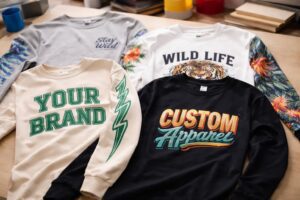
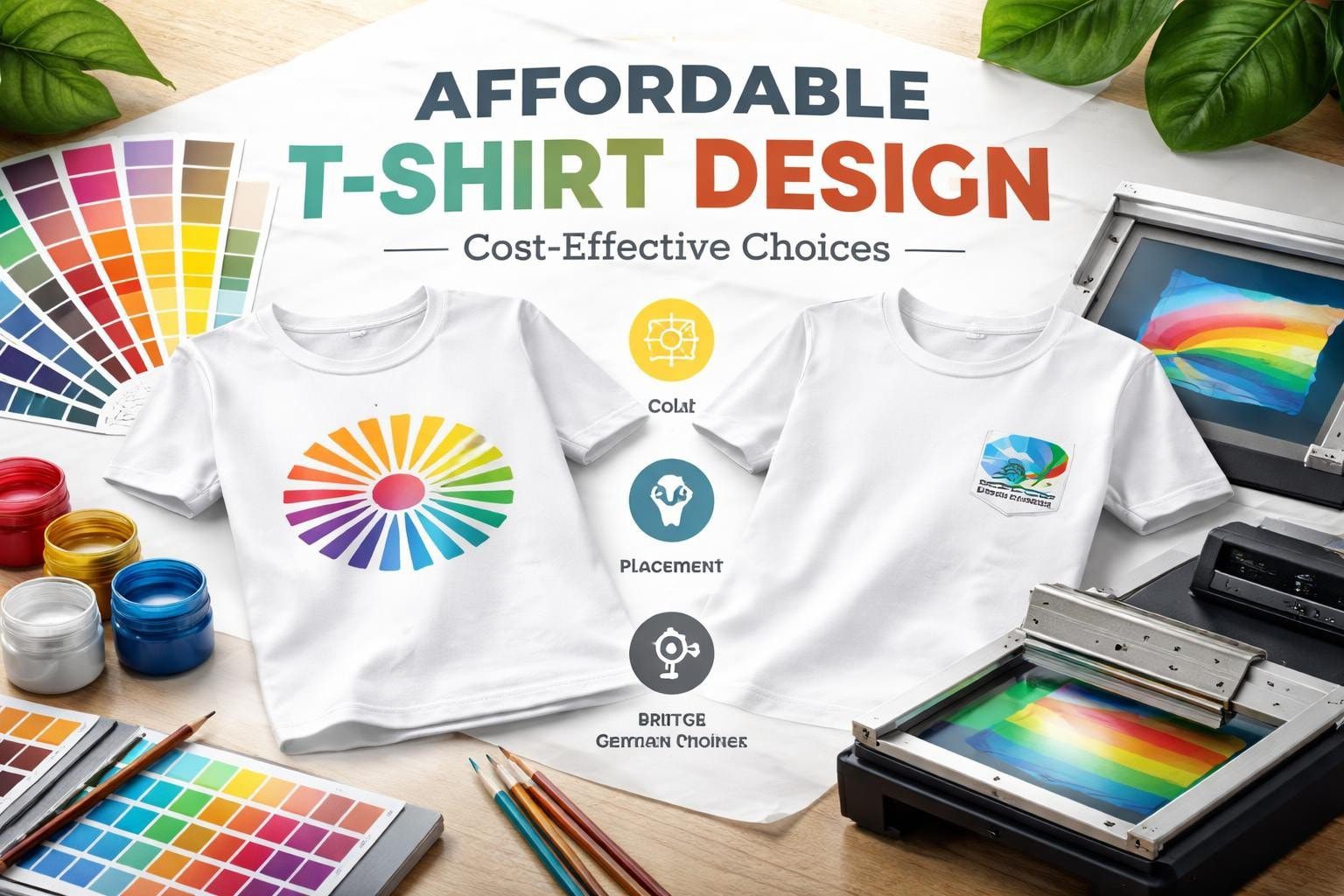
Creating custom t-shirts doesn't have to drain your budget. Whether you're launching a startup, organizing a community event, or building your brand, affordable t shirt design is entirely achievable without sacrificing quality. The key lies in understanding which design elements drive costs and making strategic decisions that keep expenses low while maintaining professional results. With the right approach, you can produce eye-catching custom apparel that resonates with your audience and fits comfortably within your financial constraints.
Understanding Cost Drivers in Custom T-Shirt Design
Before diving into specific strategies, it's essential to recognize what actually affects pricing in custom apparel production. Printing costs aren't arbitrary-they're based on specific technical and material factors.
Color Count and Complexity
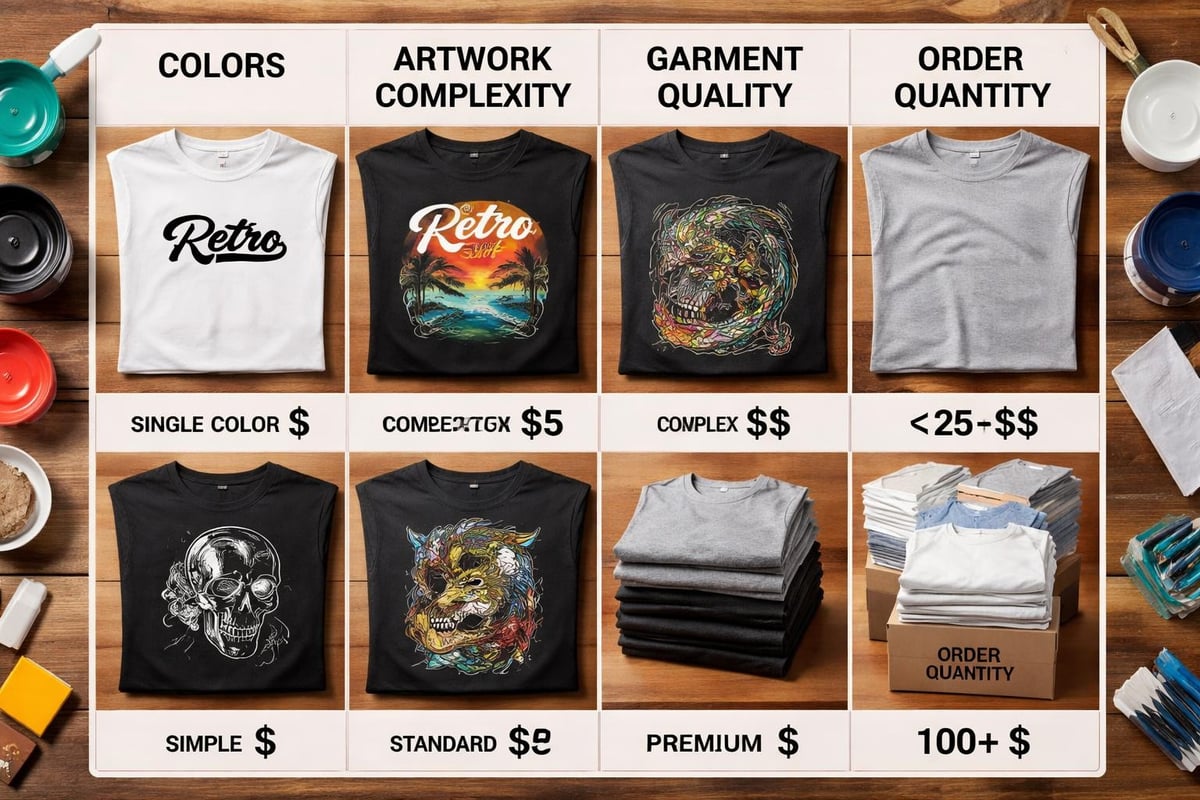
The number of colors in your design directly impacts production costs, especially with traditional screen printing services. Each color requires a separate screen in the screen printing process, which means more setup time, materials, and labor. A simple one-color design costs significantly less than a six-color gradient masterpiece.
Key pricing factors include:
- Number of ink colors used
- Design complexity and detail level
- Print size and placement locations
- Garment color and material type
- Order quantity and turnaround requirements
Most print shops charge per screen or per color, making simplification one of the most effective cost-control strategies. Consider how your message can be conveyed with fewer colors without losing impact.
Printing Method Selection
Different printing techniques come with varying price points and ideal use cases. Direct-to-garment printing offers advantages for certain projects, while screen printing excels in others.
| Printing Method | Best For | Cost Profile | Design Limitations |
|---|---|---|---|
| Screen Printing | Large orders, simple designs | Lower per-unit cost at volume | Setup fees for each color |
| Direct-to-Garment | Small orders, complex designs | Higher per-unit, no setup | Works best on cotton blends |
| DTF Transfer | Mid-size orders, detailed art | Moderate cost, flexible | Requires proper application |
| Vinyl | Individual pieces, text-heavy | Good for small quantities | Limited to solid colors |
Choosing the right printing method for your specific project represents a crucial decision in achieving affordable t shirt design outcomes.
Strategic Design Choices That Save Money
Smart design decisions can dramatically reduce production costs while maintaining visual appeal and brand effectiveness.
Limit Your Color Palette
One of the most impactful ways to control costs involves simplifying your color choices. A well-executed two-color design often makes a stronger statement than a poorly planned five-color attempt.
Consider these approaches:
- Use negative space creatively to create the illusion of additional colors
- Select garment colors that work as part of your design
- Embrace bold, high-contrast combinations that pop visually
- Think about vintage aesthetics that traditionally use limited palettes
Many iconic brands built their identities on simple, two-color logos. This minimalist approach doesn't just save money-it often creates more memorable, versatile designs.
Optimize Print Placement and Size
Standard print locations cost less than specialty placements. A centered chest print typically comes with no additional fees, while left chest prints, sleeve prints, or full-back designs may incur extra charges.
Standard placements include:
- Front chest (centered)
- Full back
- Left chest (small logo area)
Premium placements that may cost more:
- Sleeve prints
- Neck prints
- Multiple location combinations
- Wraparound designs
- Oversized or edge-to-edge prints
Working within standard print areas helps keep costs predictable and manageable. When planning your affordable t shirt design, consider how a well-placed standard location print can achieve your goals effectively.
Choosing the Right Garment Without Overspending
The blank t-shirt itself represents a significant portion of your total cost. Making informed garment selections prevents unnecessary expenses.
Balance Quality and Budget
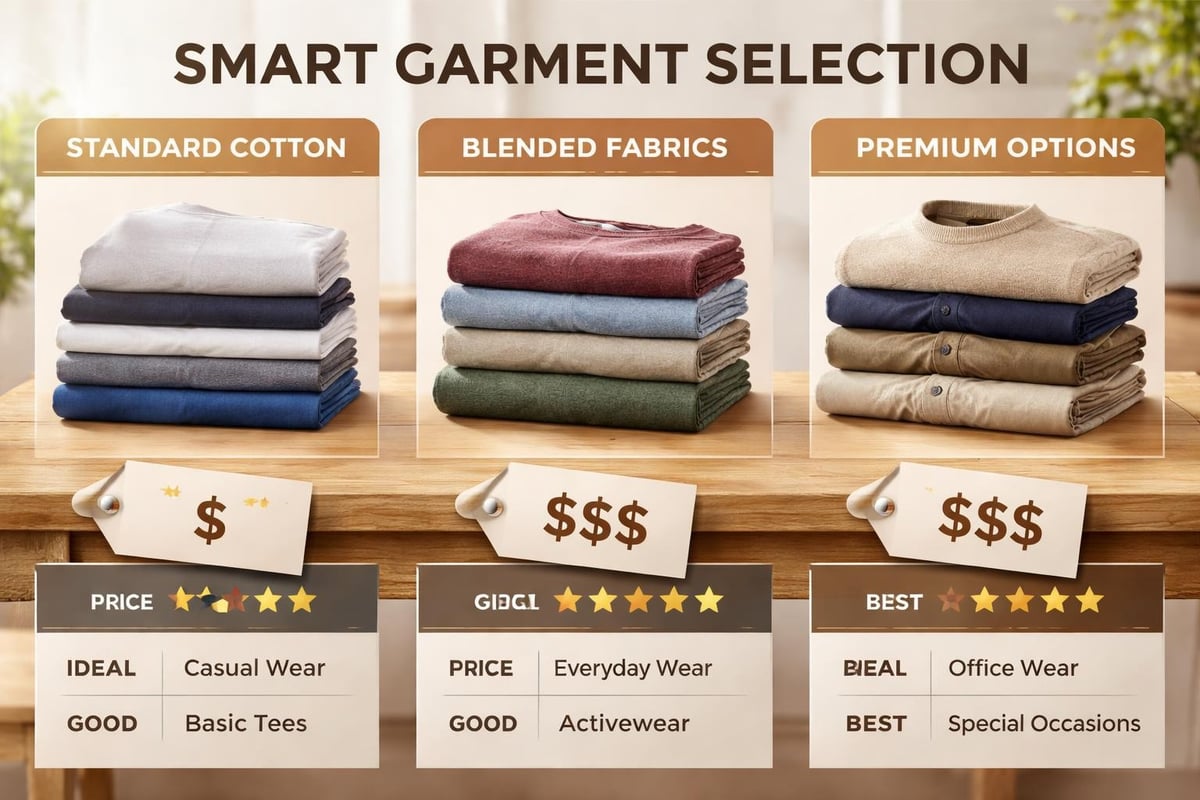
Not every project requires premium tri-blend fabrics. Understanding when to invest in higher-quality blanks and when standard options suffice helps optimize your budget.
Consider these garment selection strategies:
- Standard 100% cotton works perfectly for event shirts and giveaways
- Poly-blend options offer durability for athletic or work applications
- Premium fabrics make sense for retail products or long-term brand apparel
- Bulk purchasing of popular sizes and colors yields better per-unit pricing
Finding the right fabric and style involves balancing your audience's expectations with realistic budget constraints. A nonprofit fundraiser has different requirements than a boutique fashion brand.
Stock Colors vs. Custom Dyeing
Choosing from standard garment colors available in stock saves considerably compared to custom-dyed options. Most suppliers offer a robust selection of colors that accommodate most branding needs.
| Approach | Advantages | Disadvantages |
|---|---|---|
| Stock Colors | Lower cost, faster availability, consistent quality | Limited to manufacturer's palette |
| Custom Dyeing | Perfect brand matching, unique options | Higher minimum orders, extended lead times, premium pricing |
Artwork Preparation and File Optimization
Proper file preparation prevents costly revisions and production delays. Many expenses arise from artwork that isn't print-ready.
Resolution and File Format Requirements
Submitting high-quality, properly formatted artwork from the start eliminates revision fees and production hold-ups. Creating effective designs requires understanding technical specifications.
Essential file requirements:
- Vector files (AI, EPS, PDF) for logos and text-based designs
- High-resolution raster images (300 DPI minimum) for photographs
- RGB color mode for digital printing, PMS/spot colors for screen printing
- Transparent backgrounds when appropriate
- Properly converted text to outlines or embedded fonts
Many print providers offer design assistance, but arriving with print-ready files saves time and money. When pursuing affordable t shirt design, investing time in proper file preparation pays dividends.
Design Simplification Techniques
Complex gradients, intricate details, and excessive elements drive up costs and can compromise print quality. Simplified designs often produce better results while reducing expenses.
Consider these simplification methods:
- Convert photographic elements to high-contrast line art
- Replace gradients with solid colors or halftone patterns
- Eliminate fine details that won't reproduce clearly
- Use bold, readable typography instead of ornate script fonts
- Reduce overall element count while maintaining visual impact
This approach aligns with current design trends favoring clean, minimalist aesthetics. What saves money also often looks more contemporary and professional.
Volume Strategies and Order Planning
How you structure your orders significantly affects per-unit costs. Strategic planning around quantities and timing yields substantial savings.
Bulk Ordering Benefits
Nearly all printing methods become more economical at higher quantities. Understanding break points in pricing helps you make informed decisions.
Typical quantity discount tiers:
- 12-24 pieces: Highest per-unit cost
- 25-49 pieces: Moderate pricing
- 50-99 pieces: Improved rates
- 100+ pieces: Best per-unit economics
- 500+ pieces: Premium volume discounts
While ordering 500 shirts when you only need 50 doesn't make sense, consolidating multiple smaller orders into one larger production run creates savings. Quick shirt printing services can accommodate various order sizes while helping you optimize costs.
Standardization Across Products
Creating a cohesive design system that works across multiple products reduces setup costs and streamlines production.
- Develop a core design that adapts easily to different applications
- Use consistent color palettes across all branded items
- Maintain standard sizes and placements for efficient setup
- Batch similar orders together when possible
This systematized approach to affordable t shirt design creates efficiency throughout the production process while building stronger brand recognition.
Working Effectively With Print Providers
Your relationship with your printing partner significantly impacts both cost and quality outcomes.
Clear Communication Saves Money
Miscommunication leads to reprints, delays, and unexpected charges. Being specific about your requirements from the initial conversation prevents costly misunderstandings.
Essential information to provide:
- Exact quantities needed for each size and color
- Detailed artwork files with color specifications
- Target completion and delivery dates
- Budget parameters and any cost constraints
- Specific quality expectations or references
When exploring screen printing companies near you, look for providers who ask detailed questions and offer guidance. Quality communication indicates professional service.
Understanding Quotes and Hidden Costs
Not all quotes present complete pricing. Knowing what questions to ask prevents surprise charges.
| Potential Cost | What to Ask | Why It Matters |
|---|---|---|
| Setup Fees | "Are setup fees per color or per design?" | Can significantly impact small orders |
| Screen Charges | "Do I own the screens for reorders?" | Affects future order costs |
| Art Charges | "What artwork preparation is included?" | Design work may cost extra |
| Shipping | "What are delivery options and costs?" | Can add 10-20% to total |
| Rush Fees | "What's the standard turnaround?" | Expedited service costs more |
Transparent pricing builds trust and helps you accurately compare options. Providers offering custom t-shirt fast delivery should clearly outline any premium charges for expedited service.
Design Tools and Resources for Budget-Conscious Creators
Leveraging available tools and resources reduces the need for expensive design services.
Free and Low-Cost Design Software
Professional design software subscriptions represent ongoing expenses, but numerous alternatives exist for creating print-ready artwork.
Accessible design tools include:
- Canva (free and pro tiers) for basic graphic design
- GIMP for raster image editing
- Inkscape for vector graphics creation
- Online mockup generators for visualizing designs
- Template libraries specific to apparel design
Understanding design fundamentals helps you make the most of these tools. While they require learning, the investment of time saves significant money compared to hiring designers for every project.
Template and Mockup Resources
Starting with templates accelerates the design process and ensures proper sizing and placement. Many print providers offer free design templates specific to their printing capabilities.
Pre-built templates help you:
- Visualize how designs appear on actual garments
- Ensure artwork fits within printable areas
- Test different color combinations efficiently
- Present concepts to stakeholders for approval
These resources democratize the design process, making affordable t shirt design accessible even without formal design training.
Timing and Planning Considerations
When you order affects how much you pay. Strategic timing creates opportunities for savings.
Avoiding Rush Charges
Last-minute orders incur premium pricing across nearly all print providers. Planning ahead represents one of the simplest cost-control measures.
Timeline planning best practices:
- Allow 2-3 weeks for standard orders
- Factor in design revision time before production
- Account for shipping duration to final destination
- Build buffer time for potential production issues
- Consider seasonal demand when scheduling orders
Same-day custom shirt services exist for genuine emergencies, but regular use of rush services quickly erodes budget savings achieved through other strategies.
Seasonal and Promotional Timing
Many print providers offer periodic promotions or have slower seasons when pricing may be more flexible. Building relationships and timing orders strategically can yield additional savings.
Consider ordering during:
- Off-peak seasons (typically late fall and winter)
- Provider promotional periods
- Times when you can consolidate multiple projects
- Periods with longer lead times available
Testing and Prototyping Affordably
Before committing to large orders, testing ensures designs translate well from screen to fabric.
Sample Orders and Proofs
Most providers offer sample printing at reasonable costs. Designing shirts with proper testing prevents expensive mistakes on bulk orders.
Invest in samples when:
- Trying a new printing method or provider
- Using complex color combinations
- Working with specialty fabrics
- Testing sizing and placement decisions
- Validating color accuracy for brand standards
A modest sample investment prevents potentially costly full-production errors. This approach to affordable t shirt design prioritizes quality assurance without unnecessary risk.
Digital Proofs vs. Physical Samples
Understanding the difference between these proof types helps you allocate resources appropriately.
| Proof Type | Cost | Best For | Limitations |
|---|---|---|---|
| Digital Proof | Free or minimal | Color and placement review | Screen colors differ from printed results |
| Physical Sample | Moderate | Final approval before production | Adds time and cost to timeline |
| Production Run Sample | Included | Quality check during actual production | Only useful if issues can be corrected |
Balancing thoroughness with efficiency requires judgment about which projects need physical samples versus digital approval only.
Learning From Screen Printing Cost Strategies
Screen printing, one of the most economical methods for volume orders, offers specific cost-optimization opportunities.
Color Reduction Techniques
Strategic approaches to screen printing focus heavily on minimizing color count while maintaining design impact.
Effective techniques include:
- Using the garment color as a design element
- Employing halftone patterns to simulate additional colors
- Creating depth through overprinting transparent inks
- Designing with negative space to reveal underlying fabric
- Choosing bold, high-contrast color combinations
These methods have artistic merit beyond cost savings. Many designers prefer the aesthetic of limited-color screen printing precisely because of its graphic boldness.
Understanding Setup Economics
Screen printing setup costs are fixed regardless of quantity, making it ideal for larger orders but potentially expensive for small runs.
Economic considerations:
- Setup costs spread across more units reduce per-piece pricing
- Reorder programs using stored screens eliminate repeat setup fees
- Standard ink colors cost less than custom mixing
- Single-location prints require less setup than multi-location designs
When pursuing affordable t shirt design through screen printing, these factors significantly influence total project costs.
Maximizing Value Through Design Efficiency
The most economical approach balances cost reduction with effective communication and brand building.
Focusing on Message Over Decoration
Affordable doesn't mean ineffective. Strong conceptual design often outperforms expensive execution with weak messaging.
Value-focused design principles:
- Prioritize clear, compelling messaging
- Use typography as a primary design element
- Embrace simplicity and negative space
- Ensure designs remain effective in single colors
- Test designs at actual print size for readability
Creating designs people actually want to wear matters more than elaborate production techniques. Affordable t shirt design succeeds when it connects with the intended audience regardless of budget level.
Building Reusable Design Systems
Creating adaptable design frameworks maximizes initial design investment across multiple applications.
Develop systems that include:
- Versatile logo lockups in various orientations
- Complementary secondary graphics for variety
- Defined color palettes with affordable combinations
- Typography standards that work across contexts
- Placement guidelines for consistent branding
This systematic approach turns design from a per-project expense into an asset that delivers ongoing value.
Quality Control on a Budget
Maintaining quality standards doesn't require unlimited resources. Focused attention on critical factors ensures professional results.
Identifying Non-Negotiable Quality Factors
Some quality aspects matter more than others. Prioritizing investment in these areas while economizing elsewhere yields the best results.
Essential quality priorities:
- Print adhesion and durability
- Color accuracy for brand standards
- Even ink coverage without gaps
- Proper garment construction and sizing
- Clean, professional finishing
Understanding which printing method best suits your needs helps ensure quality priorities align with chosen production techniques.
Inspection and Acceptance Criteria
Clear quality standards communicated upfront prevent disputes and ensure satisfactory outcomes.
Establish criteria for:
- Acceptable color variation tolerances
- Minimum print resolution and detail
- Garment defect thresholds
- Alignment and placement specifications
- Packaging and delivery condition requirements
Professional providers welcome clear standards and work to meet defined expectations. This clarity benefits both parties in achieving affordable t shirt design goals.
Achieving affordable t shirt design requires strategic thinking about colors, printing methods, garment selection, and order planning, but it never means sacrificing the quality your brand deserves. By implementing these proven strategies, you can create compelling custom apparel that fits your budget while effectively communicating your message. Whether you need event shirts, promotional items, or branded merchandise, Custom 101 Prints offers the expertise and flexible services to bring your vision to life with competitive pricing, no minimum orders, and fast turnaround times throughout New York.