Outdoor events, trade shows, and promotional activities have evolved significantly in recent years, making branded visibility more important than ever. Custom tents have become essential marketing tools that combine functionality with powerful brand messaging, offering protection from the elements while serving as mobile billboards that capture attention in crowded environments. Whether you're planning a corporate event, farmers market presence, or sporting tournament, understanding the landscape of customization options helps you make informed decisions that maximize your investment.
Understanding Custom Tent Applications and Benefits
Custom tents serve multiple purposes across various industries and events. Businesses use them for trade shows, festivals, sporting events, farmers markets, corporate gatherings, and promotional campaigns. The versatility of these structures makes them valuable assets that can be reused across different occasions throughout the year.
The primary advantage lies in brand visibility. A well-designed custom tent creates an instantly recognizable presence that distinguishes your space from competitors. This visual impact extends beyond simple recognition, as professional branding conveys credibility and establishes trust with potential customers who encounter your booth.
Beyond marketing benefits, these structures provide practical advantages:
- Weather protection for staff, products, and customers
- Defined space that creates a professional boundary
- Portable branding that travels to multiple events
- Professional appearance that elevates perceived value
- Versatile functionality across different event types
Investment in quality custom tents typically delivers returns over several years of use. Unlike single-use marketing materials, a durable printed tent serves as a long-term asset that appears at dozens of events, reducing the per-event marketing cost significantly.
Printing Methods for Custom Tent Graphics
Multiple printing technologies enable customization of tent canopies and sidewalls. Understanding these methods helps you select the approach that best matches your design complexity, budget, and durability requirements.
Dye Sublimation Printing
Dye sublimation represents the premium standard for custom tent printing. This process uses heat to transfer dye directly into polyester fabric fibers, creating permanent, full-color graphics that won't crack, peel, or fade quickly. The result is vibrant imagery with photographic quality that maintains appearance through repeated use and washing.
This method excels for complex designs featuring gradients, photographs, or multiple colors. The printing covers the entire fabric surface, allowing edge-to-edge graphics without white borders or limitations on design placement.
Screen Printing
Screen printing techniques offer durability for simpler designs with limited color counts. This traditional method applies thick layers of ink through mesh screens, creating bold, opaque colors that stand out dramatically. Screen printing works particularly well for logos, text, and solid color blocks.
The process becomes more economical for larger production runs but may involve higher setup costs for custom screens. Each color requires a separate screen, making simple one or two-color designs more cost-effective than complex multicolor artwork.
Digital UV Printing
Digital UV printing provides a middle ground between dye sublimation and screen printing. This technology sprays UV-curable inks directly onto fabric, then instantly cures them with ultraviolet light. The process handles detailed graphics and photographs while maintaining good durability.
| Printing Method | Color Range | Durability | Best For | Cost Level |
|---|---|---|---|---|
| Dye Sublimation | Unlimited | Excellent | Full-color photos, gradients | Higher |
| Screen Printing | Limited (1-6) | Excellent | Simple logos, text, solid colors | Medium |
| Digital UV | Unlimited | Good | Moderate complexity designs | Medium-High |
Design Considerations for Maximum Impact
Creating effective custom tent designs requires balancing aesthetic appeal with practical visibility concerns. Your graphics must capture attention from a distance while communicating brand identity clearly.
Color psychology plays a crucial role in tent design. Bold, contrasting colors attract eyes more effectively than subtle combinations. Consider how your tent will appear in various lighting conditions, including bright sunlight and overcast weather. Colors that photograph well become important as attendees share event photos on social media.
Typography selection matters significantly at outdoor events. Choose fonts large enough to read from 20-30 feet away, ensuring your key message reaches people before they reach your booth. Sans-serif typefaces typically offer better readability at distance compared to decorative or script fonts.
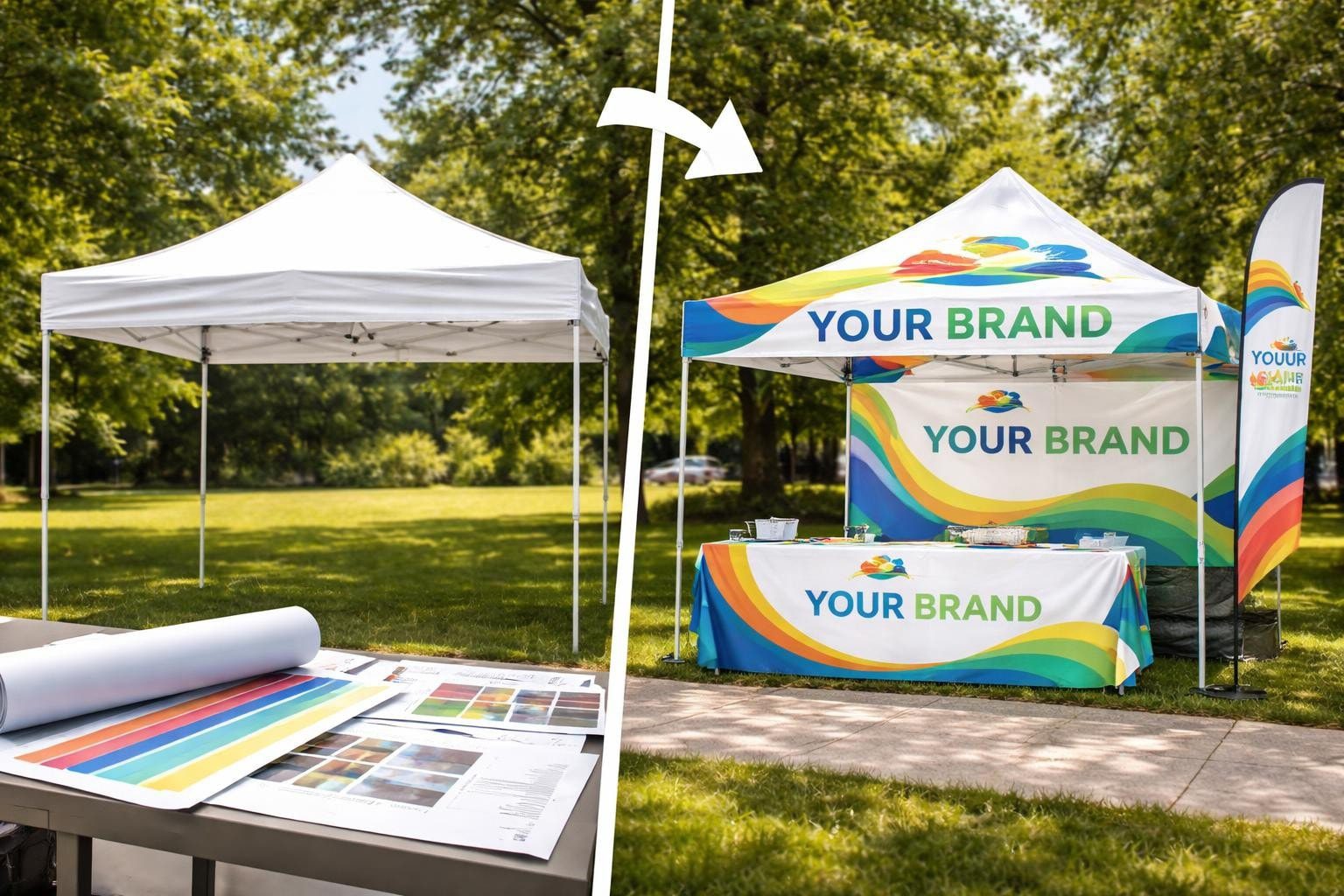
The fabrication process for custom canopy tents involves multiple stages from concept to finished product. Understanding this workflow helps set realistic expectations for turnaround times and revision opportunities.
Strategic Graphic Placement
Different tent surfaces serve distinct communication purposes:
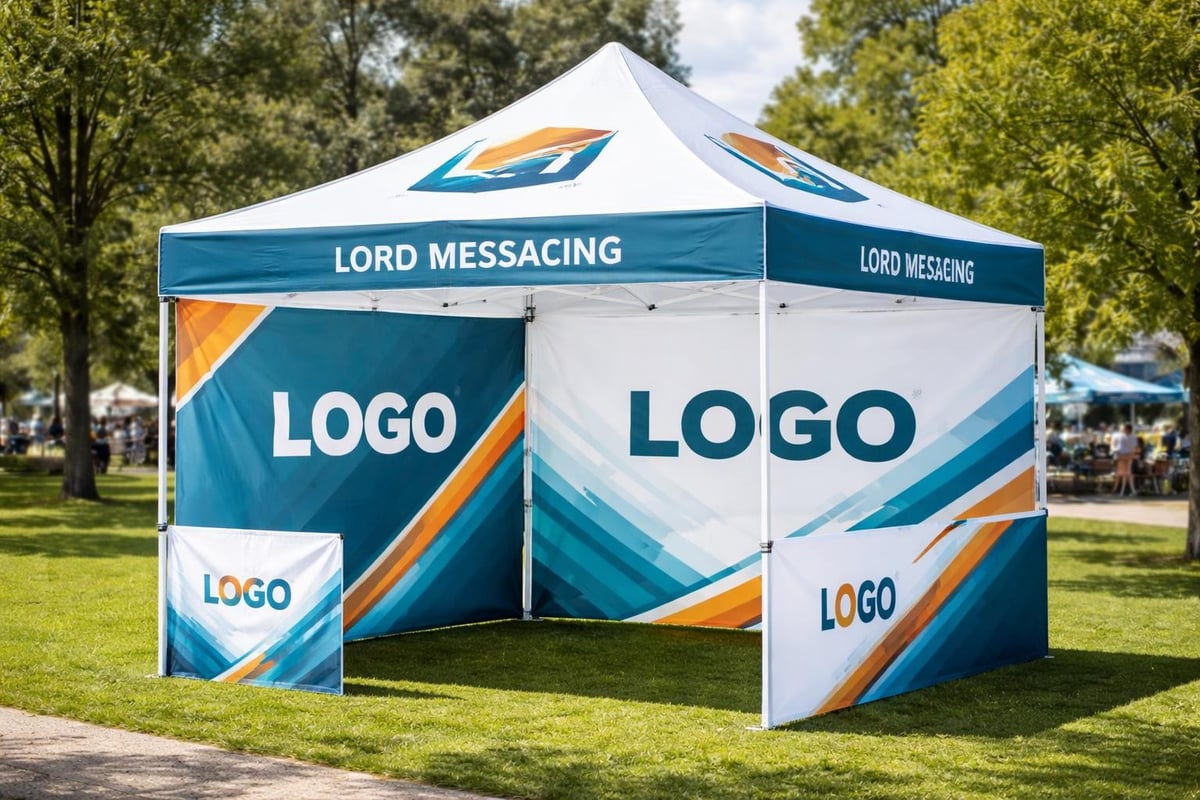
- Canopy top: Visible from above and distance, ideal for logos and brand names
- Valance: Eye-level band perfect for taglines, websites, and calls-to-action
- Sidewalls: Maximum space for detailed information, product images, and messaging
- Corner panels: Directional elements guiding traffic flow
Not every surface requires printing. Many successful designs use strategic white space that prevents visual clutter and keeps focus on key messages. Simple, clean designs often outperform busy graphics that try to communicate too much simultaneously.
Tent Frame Options and Structural Considerations
The frame supporting your custom graphics significantly impacts setup ease, durability, and overall functionality. Modern frames use various materials and mechanisms, each offering distinct advantages.
Aluminum frames provide the most popular choice for professional applications. These structures balance lightweight portability with strength, resisting rust and corrosion even with frequent outdoor exposure. Quality aluminum frames support custom canopies through years of regular use without significant degradation.
Steel frames offer maximum strength for larger structures or permanent installations. While heavier than aluminum alternatives, steel withstands extreme weather conditions and provides stability in windy environments. The added weight becomes less concerning for semi-permanent setups where frequent transport isn't necessary.
Pop-Up vs. Pole Tent Structures
Pop-up canopy frames feature integrated designs that expand from compact storage configurations. These user-friendly structures typically allow one or two people to complete setup in minutes without tools. The convenience makes them ideal for frequent events where quick assembly matters.
Pole tents require more complex setup with separate poles, stakes, and guy lines. While custom tent manufacturing processes can create these larger structures, they generally suit less frequent events where professional installation teams handle setup.
Size Selection and Spatial Planning
Choosing appropriate tent dimensions depends on your specific event needs, product displays, and expected traffic patterns. Standard sizes include 10×10, 10×15, and 10×20 feet, though custom tent specifications allow virtually any dimension.
10×10 tents represent the most common trade show and event size. This compact footprint fits standard booth spaces while providing sufficient room for two staff members, a table, and modest product displays. The manageable size makes transport and storage straightforward.
Larger 10×20 configurations double the space, accommodating more elaborate displays, multiple staff members, and comfortable customer interaction areas. These expanded tents work well for major events where your brand needs prominent presence and you expect significant foot traffic.
Consider vertical space as well. Standard canopy heights range from 8 to 10 feet at the peak, but taller options exist for applications requiring additional clearance. Higher peaks improve air circulation in warm weather and create more impressive visual presence.
Calculating Space Requirements
Plan your tent size by accounting for:
- Display tables and product showcases
- Staff workspace and storage areas
- Customer standing and browsing space
- Traffic flow lanes allowing easy entry and exit
- Equipment like registers, charging stations, or demonstrations
A common mistake involves filling available space too densely, creating cramped environments that discourage customer lingering. Allow approximately 40-50% open floor space for optimal traffic flow and comfortable interactions.
Material Quality and Durability Factors
The fabric quality of your custom tent directly impacts longevity, appearance retention, and weather resistance. Professional-grade materials justify higher initial investment through extended service life and maintained visual appeal.
Denier rating indicates fabric thickness and durability. Higher denier numbers represent heavier, more robust materials. Commercial custom tents typically use 500-600 denier polyester, offering excellent balance between weight and durability. Premium options reach 1000 denier for maximum strength.
UV resistance determines how well colors maintain vibrancy under sunlight exposure. Quality tent fabrics incorporate UV inhibitors that prevent fading and material breakdown. Without proper UV protection, even excellently printed graphics deteriorate within one or two seasons of regular outdoor use.
Water resistance ratings specify moisture protection levels. Most quality custom tents feature water-resistant coatings or inherently waterproof materials that shed rain effectively. This protection extends beyond keeping attendees dry, as it prevents water weight from stressing frame components.
Accessories and Add-Ons for Enhanced Functionality
Custom tents become more versatile and functional with strategic accessories that address specific event needs. These additions transform basic shelters into comprehensive event solutions.
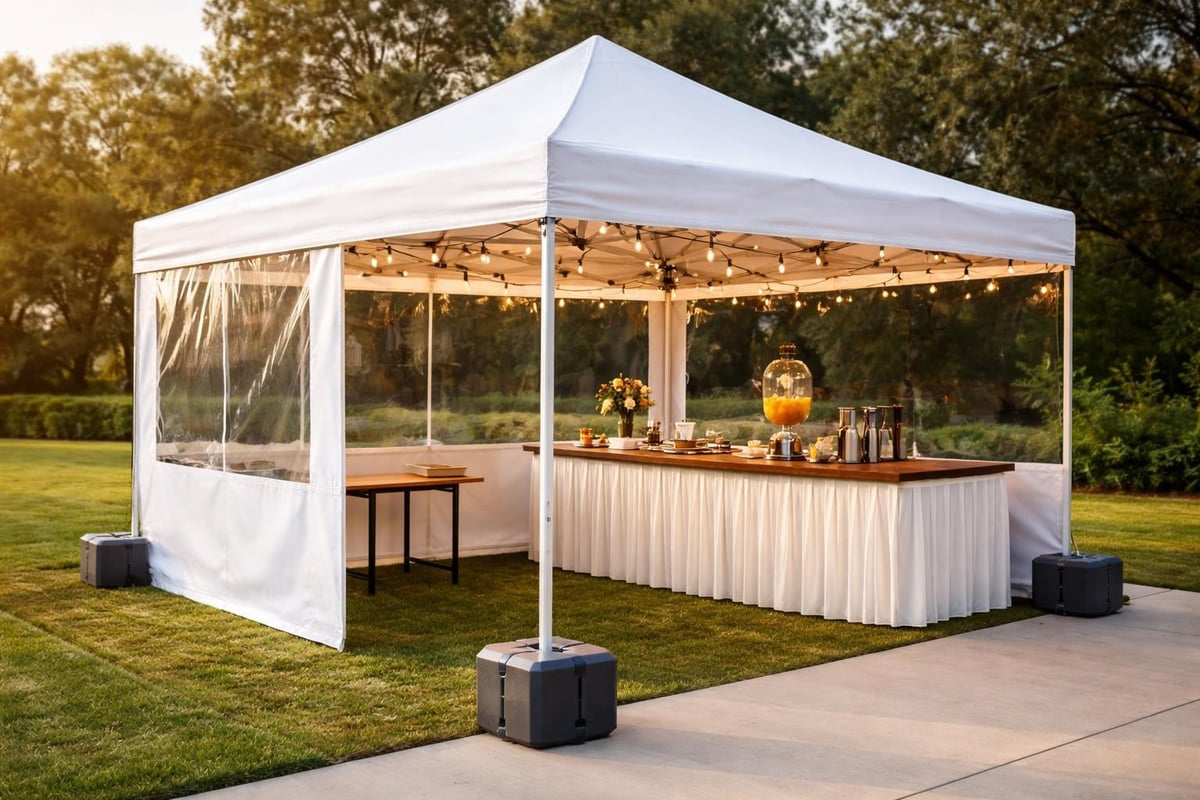
Sidewalls dramatically expand tent utility. Full walls create enclosed spaces for product security, climate control, or private meetings. Half walls provide wind protection while maintaining openness. Clear vinyl windows in walls allow product visibility while offering weather protection.
Weighted bases provide essential stability without ground penetration. Sandbags, water weights, or specialized weight plates secure tents on concrete, asphalt, or surfaces where staking isn't permitted. Quality weights prevent dangerous lifting in wind conditions that could damage equipment or injure attendees.
Additional practical accessories include:
- Lighting systems for evening events or indoor venues
- Heating or cooling units for climate control
- Flooring creating level, professional surfaces
- Counter attachments maximizing workspace
- Banner stands for supplementary messaging
Maintenance and Care for Longevity
Proper maintenance extends custom tent lifespan significantly, protecting your branding investment through many seasons of use. Regular care prevents small issues from becoming costly problems.
Cleaning protocols vary by printing method and fabric type. Most custom tents benefit from gentle washing with mild soap and water, avoiding harsh chemicals that might damage graphics or fabric treatments. Allow complete drying before storage to prevent mildew growth that damages both fabric and printing.
Storage conditions matter substantially. Keep tents in dry, temperature-controlled environments when not in use. Avoid folding or compressing graphics sharply, as repeated creasing in identical spots eventually causes cracking. Rolling canopies when possible distributes stress more evenly than folding.
Frame maintenance requires periodic inspection of joints, connections, and moving parts. Lubricate mechanisms with silicone spray to ensure smooth operation. Check for bent poles, damaged connectors, or worn components that compromise structural integrity.
Regulatory Compliance and Safety Standards
Understanding relevant regulations ensures your custom tents meet safety requirements for public events. Different jurisdictions and venues impose varying standards that affect material selection and setup procedures.
Fire resistance ratings represent critical safety factors, especially for events with large crowds. Many venues require flame-retardant fabrics meeting specific standards such as NFPA 701 or CPAI-84. Companies with extensive tent manufacturing experience typically offer fabrics certified to meet these standards.
Wind resistance specifications determine maximum safe operating conditions. Manufacturers rate tents for specific wind speeds, and responsible use means taking down structures when conditions exceed these ratings. Proper anchoring becomes essential, whether through stakes, weights, or both.
Permit requirements vary by location and event type. Many municipalities require permits for temporary structures, especially those exceeding certain sizes or remaining in place beyond specific durations. Research local requirements well before your event to ensure compliance.
Cost Analysis and Budget Planning
Investing in custom tents requires understanding both initial expenses and long-term value. Pricing varies significantly based on size, printing method, material quality, and customization complexity.
Entry-level custom tents with basic screen printing start around $400-600 for 10×10 sizes. Mid-range options featuring digital printing and better frames range from $800-1,500. Premium dye-sublimation tents with professional-grade components exceed $2,000 for standard sizes.
| Investment Level | Price Range | Features | Best For |
|---|---|---|---|
| Basic | $400-$600 | Screen print, economy frame | Occasional use, simple designs |
| Mid-Range | $800-$1,500 | Digital print, quality frame | Regular events, moderate complexity |
| Premium | $2,000+ | Dye sublimation, pro frame | Frequent use, full-color graphics |
| Custom Fabrication | $3,000+ | Unique shapes, specialized materials | Permanent installations, unique needs |
Calculate cost per event by dividing total investment by expected uses. A $1,200 tent used at 30 events over three years costs just $40 per appearance, often less than renting generic alternatives. This math doesn't account for the branding value and professional appearance that owned custom tents provide.
Working with Custom Printing Providers
Selecting the right partner for your custom tent project significantly impacts final results. Professional custom printing services bring expertise in both production techniques and design optimization.
Quality providers offer design assistance, helping refine your concepts for maximum visual impact and production feasibility. They understand how different printing methods affect color accuracy and can recommend approaches that match your budget and quality expectations.
Turnaround times vary based on production method, customization complexity, and current demand. Standard custom tents typically require 2-4 weeks from final design approval to delivery. Rush services may be available for premium fees, though planning ahead ensures better results and pricing.
Before committing to production, request proof approval showing exactly how your design will appear on the finished tent. Digital mockups help visualize the final product, but physical samples provide the most accurate representation of colors, material quality, and printing precision. Frequently asked questions about the custom printing process often address proof procedures and revision policies.
Industry Evolution and 2026 Trends
The custom tent industry continues evolving with technological improvements and changing market demands. Current trends reflect both aesthetic preferences and functional innovations that enhance user experience.
Sustainable materials increasingly influence purchasing decisions. Eco-conscious businesses seek custom tents made from recycled polyester or other environmentally responsible fabrics. Manufacturers respond by developing products that maintain performance while reducing environmental impact.
Integrated technology becomes more common in premium custom tents. Built-in LED lighting systems, charging stations, and even solar panels transform basic shelters into sophisticated event hubs. These features particularly appeal to technology-focused brands and events serving connected audiences.
Modular systems allowing easy expansion represent another growing trend. Rather than purchasing multiple tent sizes, businesses invest in connectable systems that adapt to varying space requirements. This flexibility maximizes utility while minimizing storage demands.
The understanding of tent manufacturing processes has become more accessible, helping businesses make informed decisions about construction quality and customization possibilities. This transparency empowers better purchasing decisions based on actual needs rather than marketing claims.
Event-Specific Customization Strategies
Different event types benefit from tailored approaches to custom tent design and configuration. Optimizing for your specific application maximizes return on investment.
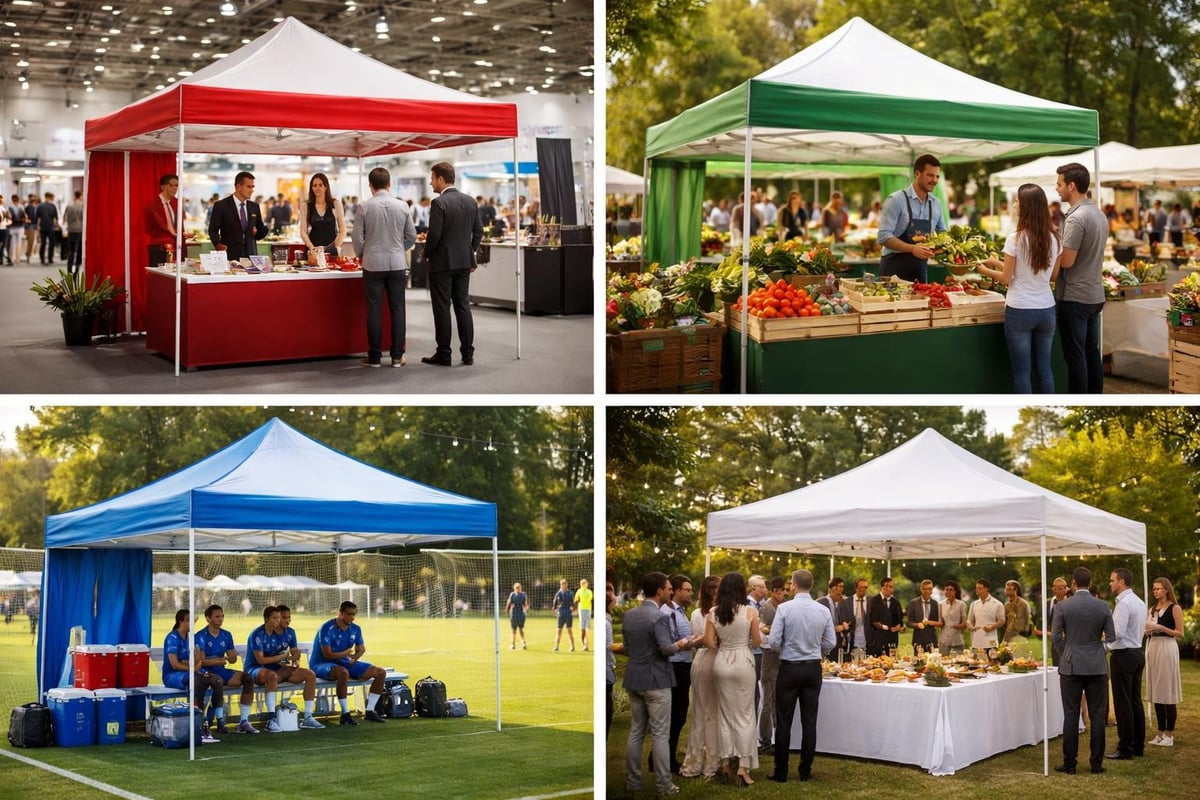
Trade show applications demand maximum visual impact in competitive environments. Bold graphics, tall structures, and integrated lighting help your booth stand out among dozens or hundreds of competitors. Consider overhead banners or flags that increase visibility from across exhibition halls.
Farmers markets and craft fairs require different optimization. These settings benefit from open, approachable designs that welcome browsing. Consider half-sidewalls that provide weather protection without creating barriers between vendors and customers.
Sporting events and tournaments typically involve outdoor settings with variable weather. Prioritize durability and weather resistance, potentially investing in heavier frames and higher-quality water-resistant fabrics. Team colors and sponsor logos become primary design elements.
Corporate events often emphasize professional appearance over attention-grabbing graphics. Clean, elegant designs with subtle branding create sophisticated presence appropriate for business-to-business interactions. Quality materials and flawless execution reflect positively on brand perception.
Multi-Tent Branding Systems
Organizations requiring multiple custom tents for large events or simultaneous locations benefit from coordinated design systems. Strategic planning ensures visual consistency while accommodating different functional needs.
Primary tents featuring full graphics and complete branding serve as focal points. Secondary tents might use simplified designs or solid colors that complement rather than duplicate the main structure. This approach maintains brand cohesiveness while managing costs.
Color coding helps differentiate functional areas at complex events. Product demonstration tents might feature different accent colors than registration or information areas, while maintaining overall brand consistency through shared design elements.
Consider developing a modular graphic system where different components can be mixed and matched across multiple tents. This flexibility allows you to refresh appearance without replacing entire inventory, extending the usable life of your tent collection.
Custom tents deliver exceptional marketing value when designed thoughtfully and produced with quality materials that withstand repeated use across diverse conditions. Understanding printing methods, frame options, and design strategies enables informed decisions that maximize both visual impact and practical functionality. Whether you need a single branded shelter for weekend markets or a complete fleet for national events, Custom 101 Prints brings expertise in printing techniques and fast turnaround times to bring your vision to life. Contact their team to explore how custom printing solutions can elevate your event presence with professional results and no minimum order requirements.