Searching for "embroidery near me" connects you with local professionals who can transform plain garments into personalized masterpieces. Whether you need branded corporate apparel, custom team uniforms, or personalized gifts, finding the right embroidery service in your area ensures quality results with convenient turnaround times. Understanding what local embroidery providers offer, how their services differ, and what questions to ask before placing an order empowers you to make informed decisions that meet your specific customization needs.
Understanding Professional Embroidery Services
Professional embroidery services use computerized machines to stitch designs directly onto fabric with precision and durability. Unlike printing methods that sit on top of the material, embroidery threads become part of the garment itself, creating a three-dimensional effect that withstands hundreds of wash cycles without fading or cracking.
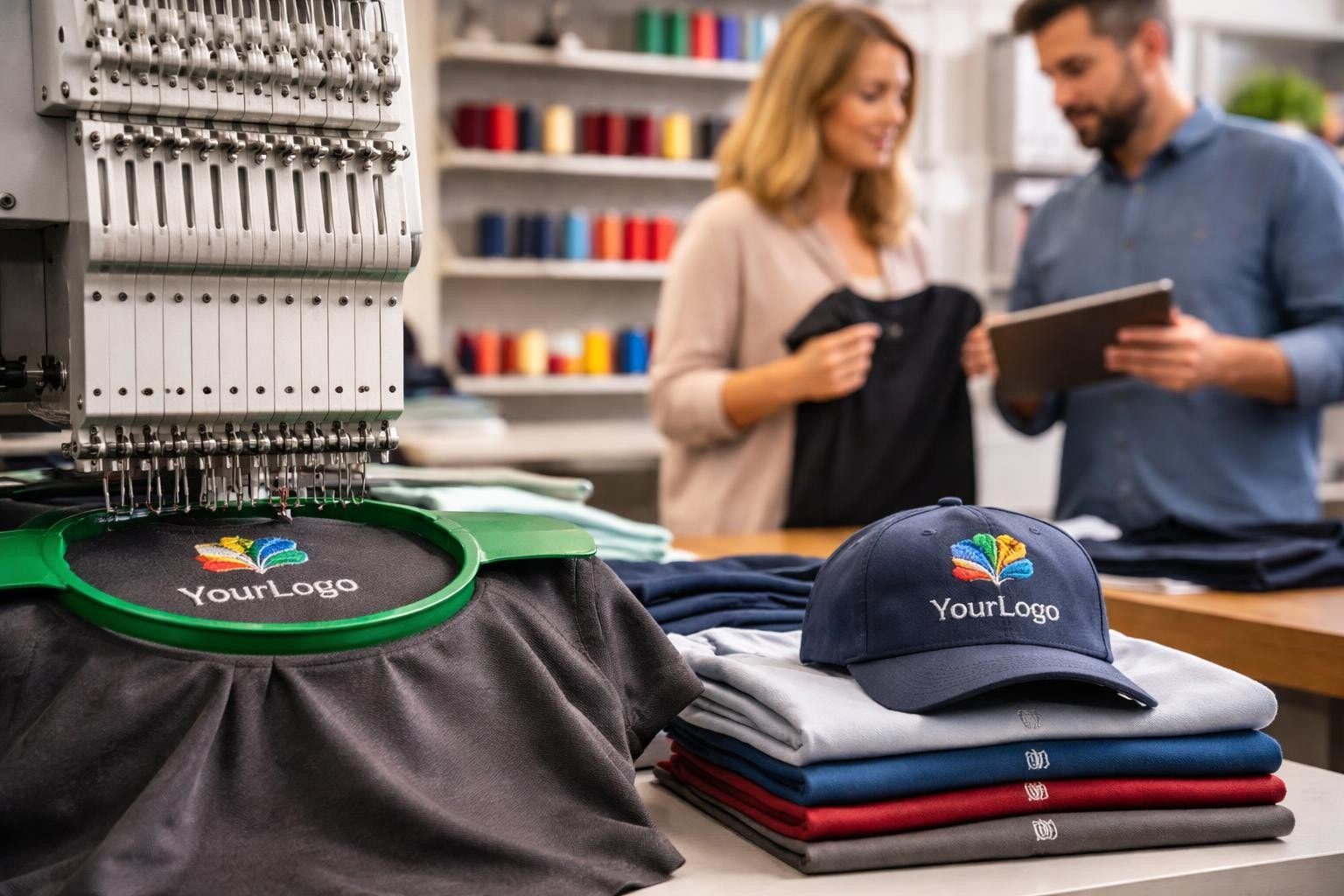
Modern embroidery shops digitize your artwork into machine-readable formats that guide multi-needle machines through complex patterns. These machines can handle intricate logos, text, and decorative elements across various fabric types, from cotton polo shirts to fleece jackets and canvas bags.
Types of Embroidery Techniques Available Locally
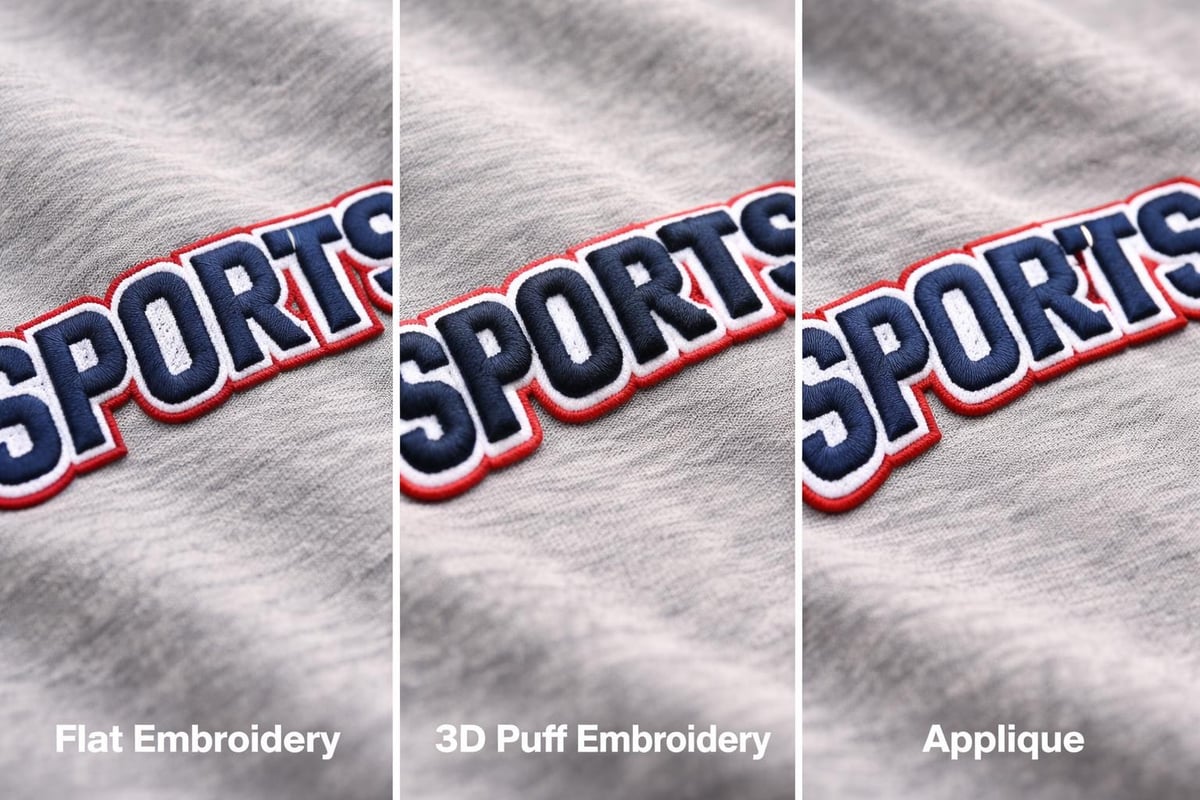
Different embroidery techniques serve different purposes and aesthetic goals. Standard flat embroidery works well for most logo applications, creating clean, professional results on business attire and promotional items. Brazilian embroidery uses high-sheen rayon threads to create dimensional floral designs, offering unique decorative possibilities for specialty items.
Three-dimensional puff embroidery adds height to designs by stitching over foam backing, creating raised lettering perfect for athletic caps and casual wear. Appliqué embroidery combines fabric pieces with stitching, reducing thread count for large filled areas while maintaining visual impact.
Local providers may also offer specialty techniques including:
- Chain stitch embroidery for vintage aesthetic appeal
- Cross-stitch digitization for traditional patterns
- Metallic thread embroidery for premium branding
- Chenille embroidery for varsity-style lettering
- Tackle twill combining cut fabric with border stitching
What to Look for When Searching Embroidery Near Me
Location matters when choosing an embroidery service, but convenience shouldn't be your only criterion. The best local providers combine accessibility with expertise, modern equipment, and customer-focused policies that protect your investment.
Equipment and Technology Standards
Professional embroidery shops invest in multi-head commercial machines capable of producing consistent results across large orders. These machines typically feature six to fifteen needles, allowing color changes without manual intervention and reducing production time significantly. When visiting potential providers, ask about their equipment age and maintenance schedules.
Digital thread libraries ensure accurate color matching for brand guidelines. Pantone thread matching systems help shops reproduce your exact corporate colors, maintaining brand consistency across all embroidered items. Providers using outdated equipment may struggle with complex designs or experience higher defect rates.
Minimum Order Requirements and Pricing Structure
Many embroidery providers impose minimum order quantities, but policies vary significantly across locations. Traditional shops often require 12-24 piece minimums to justify setup costs, while progressive providers like Custom 101 Prints eliminate minimums entirely, accommodating single-item orders without penalty pricing.
| Pricing Component | Typical Range | What It Covers |
|---|---|---|
| Setup/Digitizing | $15-$50 per design | Converting artwork to embroidery format |
| Per-Stitch Cost | $0.01-$0.05 | Based on design complexity and size |
| Base Item Price | Varies | Blank garment or product cost |
| Rush Fees | 20-50% additional | Expedited production timelines |
Understanding stitch count helps you anticipate costs accurately. Simple text logos might contain 3,000-5,000 stitches, while complex designs with gradients and fine details can exceed 15,000 stitches. Larger designs require more stitches and therefore cost more to produce.
Quality Indicators for Local Embroidery Providers
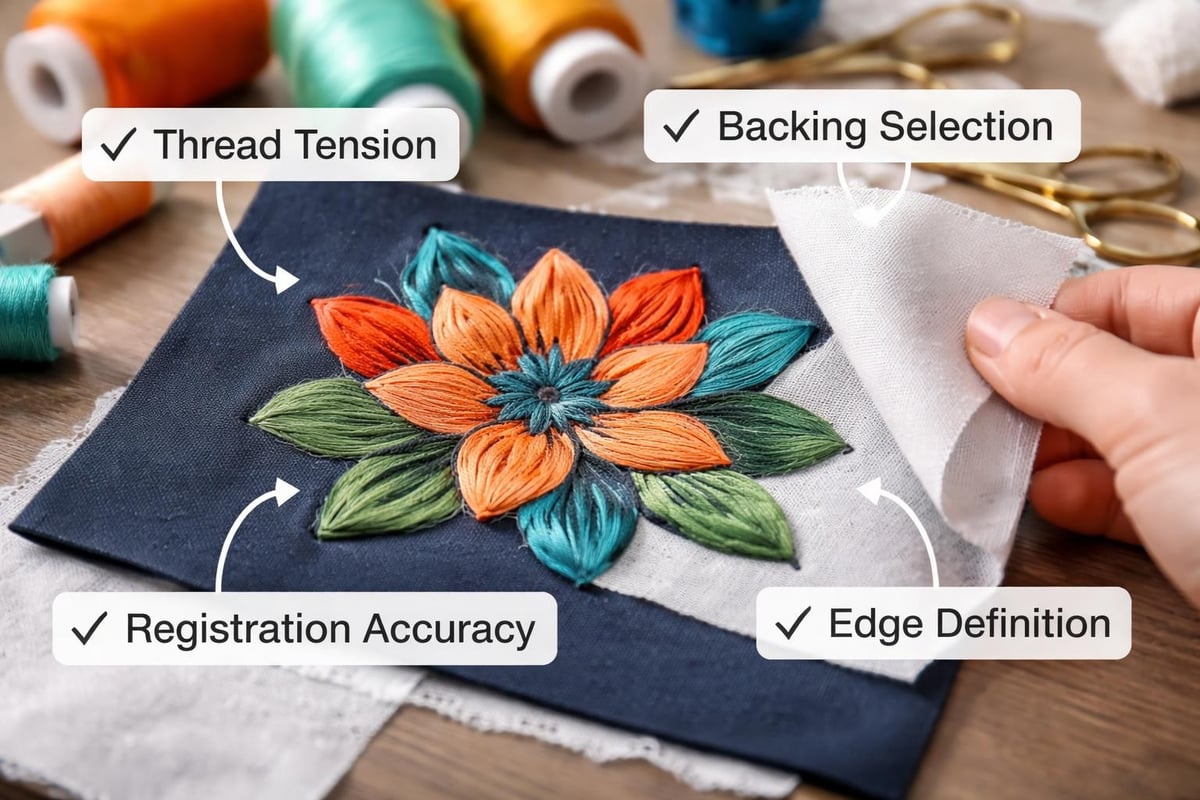
Distinguishing between mediocre and exceptional embroidery services requires attention to specific quality markers. Professional shops maintain consistent tension across all stitches, preventing puckering or thread breaks that compromise appearance and durability.
Thread quality directly impacts final results. Premium polyester threads resist fading and maintain color vibrancy through years of wear and washing. Budget providers sometimes substitute inferior rayon threads that break during production or deteriorate quickly after delivery.
Portfolio and Sample Evaluation
Request physical samples before committing to large orders. Examine how stitches lay on different fabric weights, checking for:
- Clean thread trimming with no loose ends
- Proper backing that prevents show-through on garment interior
- Registration accuracy where design elements align precisely
- Density balance avoiding over-stitching that stiffens fabric
- Edge definition with crisp borders and clean lettering
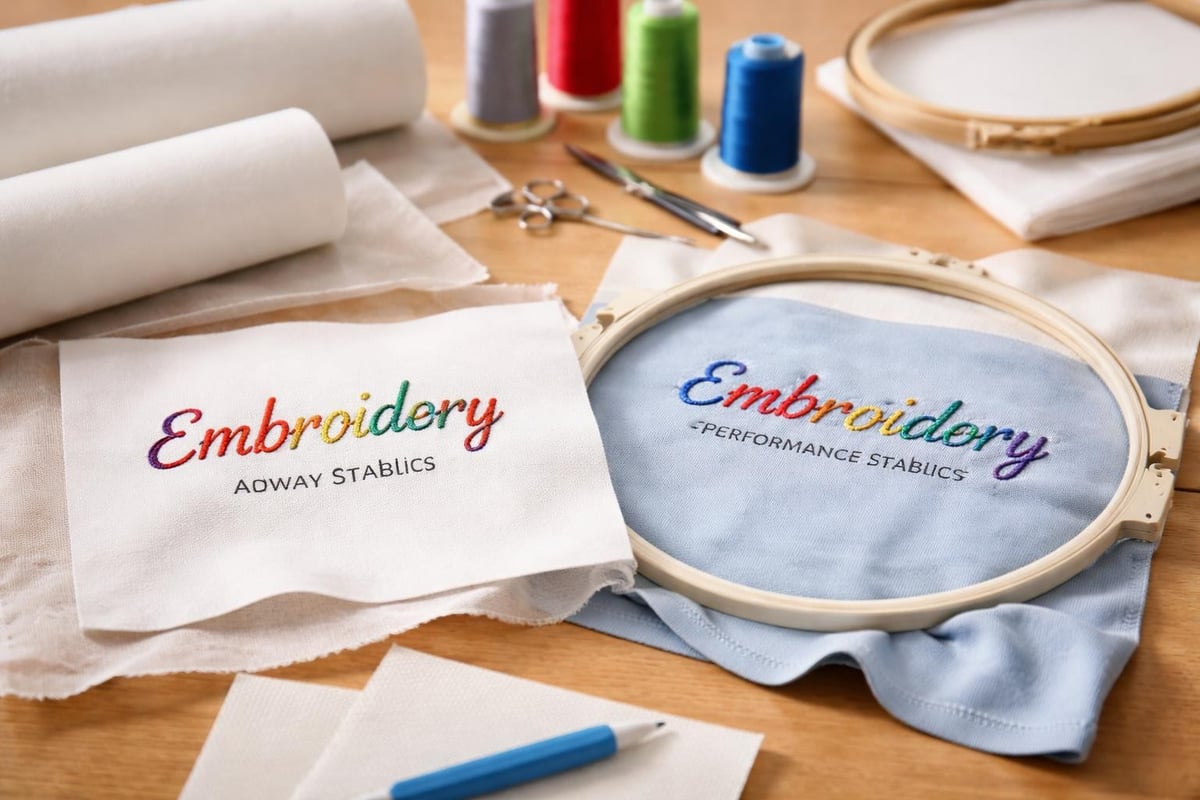
Compare samples across multiple garment types. A provider excelling at polo shirt embroidery might struggle with stretchy performance fabrics or delicate materials requiring specialized stabilizers and techniques.
Turnaround Times and Production Scheduling
Local embroidery services offer varying production schedules depending on their capacity and current workload. Standard turnaround typically ranges from 7-14 business days, while rush services can complete orders within 2-5 days for additional fees.
Understanding production workflows helps set realistic expectations. After order placement, shops must digitize your artwork (if not previously done), procure blank garments, load designs into machines, produce samples for approval, complete full production runs, and perform quality inspections before delivery.
Seasonal Demand Fluctuations
Embroidery providers experience predictable busy seasons that affect availability and turnaround times. Back-to-school season (July through September) creates demand spikes for team uniforms and school apparel. Holiday periods (October through December) fill production schedules with corporate gifts and personalized presents.
Plan ahead during peak seasons by placing orders 3-4 weeks before needed dates. Off-season ordering (January through March) often yields faster turnaround and may provide negotiating leverage for better pricing on large quantities.
Design Considerations for Embroidery Success
Not all designs translate effectively to embroidery. The medium works best with bold, simplified graphics rather than photographic detail or subtle gradients. Fine lines thinner than 0.5mm often disappear or blur, while small text under 6mm height becomes illegible.
Optimal embroidery designs feature:
- Limited color palette (5-7 colors maximum)
- Clear spacing between design elements
- Text in simple, bold fonts without serifs
- High contrast between elements
- Appropriate sizing for garment placement
Work with your provider's digitizing team to optimize artwork for embroidery production. Professional digitizers adjust stitch directions, densities, and underlays to compensate for fabric stretch and ensure design elements remain distinct and readable.
File Format and Artwork Preparation
Submit vector artwork whenever possible. Formats like AI, EPS, or PDF with embedded fonts provide clean, scalable designs that digitize accurately. High-resolution PNG or JPG files (minimum 300 DPI) work acceptably for simple logos, though vector formats always yield superior results.
According to recent market analysis on embroidery trends, technological advancements in digitizing software have improved design translation, but proper file preparation remains crucial for optimal outcomes.
Garment Selection and Material Compatibility
Fabric choice significantly impacts embroidery success. Tightly-woven materials like cotton twill, canvas, and denim provide stable surfaces that hold stitches cleanly without puckering. Loosely-woven fabrics or highly stretchy materials require specialized stabilizers and may limit design complexity.
| Fabric Type | Embroidery Suitability | Special Considerations |
|---|---|---|
| Cotton Polo Shirts | Excellent | Standard backing sufficient |
| Fleece/Hoodies | Very Good | Requires proper topping to prevent sink |
| Performance Fabrics | Moderate | Needs stretch stabilizers and reduced density |
| Leather/Vinyl | Good | Permanent needle holes, design approval critical |
| Nylon Jackets | Good | Water-soluble topping prevents shine-through |
| Knits | Challenging | Requires expert digitizing and specialty backing |
Understanding these compatibility factors helps you select appropriate garments for your intended designs. Discuss material concerns with your embroidery provider before ordering blanks, as some fabrics may require design modifications or alternative decoration methods.
Comparing Local Embroidery to Other Customization Methods
Embroidery competes with several decoration techniques, each offering distinct advantages. Screen printing excels at large, colorful designs with solid fills, delivering vibrant results at lower per-unit costs for quantity orders. Direct-to-garment printing reproduces photographic detail and unlimited colors, ideal for full-color graphics and small batches.
Heat transfer vinyl provides versatility for single-color designs and specialty materials like glitter or reflective finishes. However, embroidery's tactile dimension and perceived value make it the preferred choice for corporate branding, team uniforms, and premium promotional items.
When Embroidery Provides the Best Value
Choose embroidery for applications requiring:
- Professional appearance on business attire
- Durability through frequent washing and heavy wear
- Dimensional impact that conveys quality and permanence
- Small text and detail too fine for screen printing
- Dark or textured fabrics where printing struggles
The growing trend toward personalization across fashion and promotional products has expanded embroidery applications beyond traditional corporate wear into retail fashion, home goods, and personal accessories.
Building Relationships with Local Embroidery Providers
Establishing ongoing relationships with quality embroidery services near you creates mutual benefits. Regular customers often receive priority scheduling during busy seasons, volume discounts on repeat orders, and waived setup fees for previously digitized designs.
Communicate clearly about expectations, timelines, and quality standards from your first interaction. Provide complete information including final quantities, needed delivery dates, garment preferences, and any special requirements upfront to avoid delays or misunderstandings.
Questions to Ask Before Placing Your First Order
Vet potential providers thoroughly with targeted questions that reveal their capabilities and customer service approach:
- What file formats do you prefer for artwork submission?
- How do you handle design revisions or corrections?
- What's included in your standard turnaround time?
- Do you offer sample stitching before full production?
- What's your policy on defective items or quality issues?
- Can you source garments, or must I provide blanks?
- What backing and stabilizer materials do you use?
Professional embroidery services answer these questions confidently and provide clear, written policies protecting both parties. Hesitant or vague responses may indicate inexperience or problematic business practices.
Maximizing Value from Your Embroidery Investment
Strategic planning helps you extract maximum value from custom embroidery projects. Order slightly above your immediate needs when possible, as incremental unit costs decrease with quantity. Extra inventory provides immediate availability for new hires, replacements, or unexpected promotional opportunities.
Standardize designs across product categories to leverage existing digitization files. A single logo adapted for polo shirts, caps, jackets, and bags spreads setup costs across multiple applications while maintaining brand consistency.
Cost-saving strategies include:
- Consolidating orders to reach quantity discounts
- Using stock thread colors instead of custom matching
- Simplifying designs to reduce stitch counts
- Planning orders during off-peak seasons
- Building relationships for repeat customer benefits
Consider the total cost of ownership beyond initial purchase price. Durable embroidered items that withstand years of use often prove more economical than cheaper printed alternatives requiring frequent replacement.
Industry Applications for Professional Embroidery
Different industries leverage embroidery for specific branding and functional purposes. Understanding common applications within your sector helps you make informed decisions about garment selection, design placement, and quantity planning.
Corporate and business embroidery focuses on professional appearance with logos on polo shirts, dress shirts, and outerwear for sales teams, management, and customer-facing staff. Conservative designs in matching thread colors project competence and brand cohesion.
Athletic and team embroidery emphasizes durability and visual impact with bold designs on performance wear, practice gear, and sideline apparel. Number and name customization requires efficient production systems handling variable data across large rosters.
Hospitality and service industry embroidery balances professionalism with practicality, creating branded uniforms that withstand frequent laundering while maintaining appearance. Chef coats, server aprons, and housekeeping attire require strategic placement that avoids high-wear areas.
Promotional product embroidery transforms everyday items into marketing tools, with logos on caps, bags, blankets, and accessories distributed at events, trade shows, or as customer appreciation gifts. Perceived value often exceeds production costs, making embroidered promotions effective brand investments.
Future Trends in Local Embroidery Services
Embroidery technology continues evolving, with innovations improving quality, speed, and design possibilities. Multi-head machines with increased needle counts reduce production time while expanding color capacity. Automated thread trimming and color change systems minimize labor requirements and reduce per-unit costs.
Software advances enable more accurate digitizing with automatic stitch generation, though experienced digitizers still outperform automated systems for complex designs. Cloud-based design approval systems streamline communication between providers and customers, allowing real-time collaboration regardless of physical location.
According to industry research on embroidery tools and technology, artificial intelligence is beginning to impact design optimization, predicting potential production issues before they occur and suggesting adjustments that improve final results.
Sustainability concerns are shaping material choices, with increased demand for organic cotton garments and recycled polyester threads. Local embroidery providers adapting to these preferences position themselves advantageously as environmental consciousness influences purchasing decisions across market segments.
Finding quality embroidery near me requires evaluating equipment, expertise, turnaround capabilities, and customer service standards that align with your specific needs. Whether you need a single personalized gift or thousands of branded corporate items, understanding the embroidery process and asking the right questions ensures successful outcomes. Custom 101 Prints delivers professional embroidery services throughout New York with no minimum orders, fast turnaround times, and the expertise to bring your vision to life on any garment or promotional product.