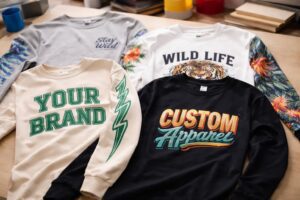
The custom apparel industry has evolved dramatically with technological advancements, and direct-to-garment printing has emerged as one of the most versatile methods for creating personalized clothing and accessories. Whether you're launching a clothing brand, creating promotional merchandise, or simply want a unique design on your favorite shirt, understanding dtg printing services helps you make informed decisions about your custom printing needs. This technology bridges the gap between digital design and physical products, offering unprecedented flexibility for businesses and individuals alike.
Understanding Direct-to-Garment Technology
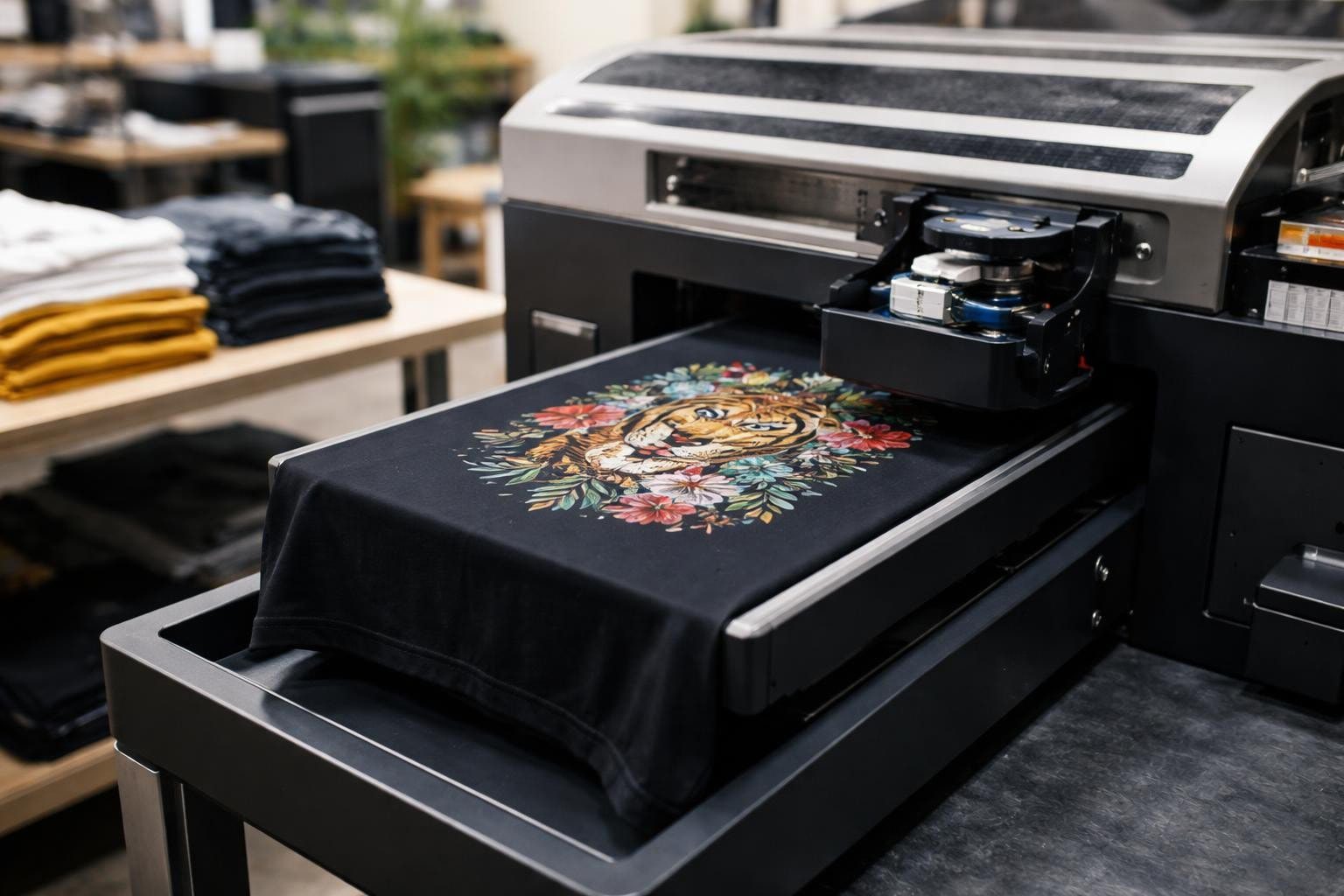
Direct-to-garment printing represents a revolutionary approach to custom apparel decoration. The process involves specialized inkjet technology that applies water-based inks directly onto fabric, similar to how a standard printer works on paper. Unlike traditional methods that require extensive setup, DTG printers create detailed, full-color images with minimal preparation.
How DTG Printing Works
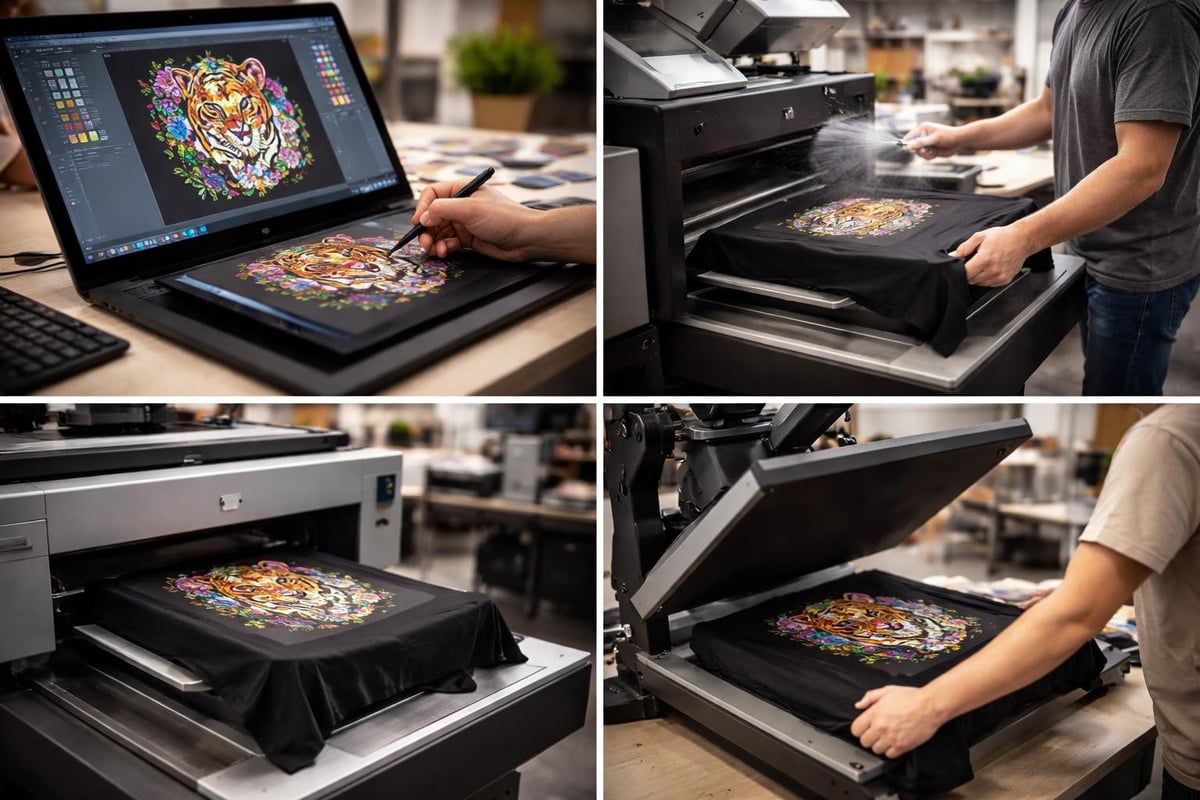
The printing process begins with pre-treatment application on darker fabrics, ensuring ink adhesion and color vibrancy. Once the garment is positioned on the printer platen, the print head moves across the fabric, depositing microscopic ink droplets that create the final image. The entire process typically takes just a few minutes per garment.
Key components of DTG technology include:
- Specialized textile inks formulated for fabric absorption
- High-resolution print heads capable of producing intricate details
- Pre-treatment solutions for optimal color performance
- Heat curing equipment to set the ink permanently
- Software that converts digital files into printable formats
After printing, heat pressing cures the ink, bonding it permanently to the fabric fibers. This creates a soft, breathable finish that withstands regular washing without cracking or fading.
Advantages of Choosing DTG Printing Services
Modern businesses increasingly turn to dtg printing services for their custom apparel needs, and the reasons extend far beyond simple convenience. The technology offers distinct advantages that make it ideal for specific applications and business models.
No Minimum Order Requirements
Traditional printing methods often require large minimum orders to justify setup costs. DTG printing eliminates this barrier entirely. You can order a single shirt or thousands, making it perfect for:
- Testing new designs before full production runs
- Creating limited edition merchandise
- Personalizing individual items with names or custom elements
- Supporting print-on-demand business models
- Reducing inventory risks for small businesses
Superior Design Flexibility
The digital textile printing process accommodates virtually unlimited colors and intricate details. Complex photographic images, gradient effects, and fine text render beautifully without additional costs. This contrasts sharply with screen printing, where each color adds to production expenses.
| Feature | DTG Printing | Screen Printing |
|---|---|---|
| Color Complexity | Unlimited colors, no extra cost | Additional cost per color |
| Design Detail | Photographic quality possible | Limited fine detail |
| Setup Time | Minutes | Hours for multiple screens |
| Minimum Orders | Single pieces viable | Higher minimums preferred |
| Best For | Complex, colorful designs | Simple, bold graphics |
Ideal Applications for DTG Services
Understanding when to use dtg printing services maximizes both quality and cost-effectiveness. Certain projects naturally align with this technology's strengths, while others might benefit from alternative methods like screen printing in New York.
E-commerce and Print-on-Demand
Online retailers leveraging print-on-demand models rely heavily on DTG technology. The ability to fulfill individual orders without maintaining inventory revolutionizes how entrepreneurs approach clothing businesses. Products ship directly to customers after printing, eliminating warehousing costs and unsold inventory risks.
Event-Specific Merchandise
Concerts, conferences, and special events benefit from DTG's quick turnaround capabilities. Organizers can create commemorative items featuring event dates, locations, and detailed graphics without committing to large quantities. Last-minute design changes remain feasible, providing flexibility that traditional methods cannot match.
Corporate Branding and Promotional Items
Companies appreciate DTG for producing high-quality branded apparel in quantities matching actual needs. Marketing teams can order samples, create employee gifts with individual names, or develop limited runs for specific campaigns. The direct-to-garment printing vs screen printing comparison often favors DTG for smaller corporate orders.
Cost Considerations and Pricing Models
The economics of dtg printing services differ substantially from traditional methods, affecting how businesses and individuals budget for custom apparel projects. Understanding these financial dynamics helps optimize spending while achieving desired quality.
Per-Piece Pricing Structure
DTG services typically charge per garment, with prices reflecting:
- Base garment cost – The blank item being printed
- Print size – Larger designs require more ink and time
- Garment color – Dark shirts need pre-treatment, increasing costs
- Design complexity – Though unlimited colors cost the same
- Quantity discounts – Bulk orders often receive reduced per-piece rates
Typical price ranges for 2026:
- Single premium t-shirt with full-color design: $25-$35
- Orders of 10-24 pieces: $18-$25 per shirt
- Orders of 25-49 pieces: $15-$20 per shirt
- Orders of 50+ pieces: $12-$18 per shirt
These prices include both the garment and printing, though premium brands and specialty items command higher rates.

When DTG Becomes Most Economical
Small batch production represents DTG's sweet spot financially. Comparing methods, screen printing becomes more cost-effective around 50-100 identical pieces due to setup amortization. Below these thresholds, DTG typically offers better value, particularly for multicolored designs.
Quality Factors and Fabric Compatibility
Not all fabrics respond equally to dtg printing services, and understanding material compatibility ensures optimal results. The printing process works best with specific fabric compositions and constructions.
Optimal Fabric Types
Cotton and cotton blends perform exceptionally well:
- 100% cotton provides excellent ink absorption
- 50/50 cotton-polyester blends work reliably
- Tri-blends (cotton-polyester-rayon) produce soft, vintage aesthetics
- Ring-spun cotton offers superior smoothness for detailed prints
Synthetic fabrics present challenges, as water-based DTG inks require natural fibers for proper bonding. Polyester garments need specialized equipment and processes beyond standard DTG capabilities.
Print Durability and Care
Properly executed DTG prints withstand regular washing when customers follow basic care guidelines. The ink penetrates fabric fibers rather than sitting on top like vinyl or plastisol, creating a soft hand feel that breathes with the garment.
Longevity best practices:
- Wash inside-out in cold water
- Avoid bleach and harsh detergents
- Tumble dry on low heat or air dry
- Skip fabric softener, which can affect print adhesion
- Iron inside-out if needed, avoiding direct heat on print
High-quality dtg printing services using premium inks and proper curing techniques produce prints lasting hundreds of wash cycles without significant fading.
Choosing the Right DTG Service Provider
The proliferation of printing services creates both opportunities and challenges for customers seeking quality results. Evaluating providers requires examining multiple factors beyond simple price comparisons.
Technical Capabilities and Equipment
Professional operations invest in current technology and maintain equipment properly. Industry-leading machines from manufacturers featured in resources like All American Print Supply represent significant capital investments that demonstrate provider commitment to quality.
Questions to ask potential providers:
- What printer models do you operate?
- How do you ensure color accuracy?
- What pre-treatment process do you use?
- Do you offer color proofs or samples?
- What's your standard turnaround time?
Portfolio and Sample Review
Examining previous work reveals capabilities and consistency. Request samples of similar projects, particularly if your design includes challenging elements like fine text, gradients, or photographic images. Quality providers confidently share portfolios and discuss their processes transparently.
| Provider Attribute | Why It Matters | What to Look For |
|---|---|---|
| Turnaround Time | Meets project deadlines | Standard vs rush options |
| Minimum Orders | Flexibility for small batches | Single piece capability |
| Design Support | Helps optimize files | Free consultations offered |
| Quality Guarantee | Protection against defects | Clear refund/reprint policy |
Design Optimization for DTG Printing
Maximizing print quality starts with proper file preparation. While DTG accommodates complex designs, certain technical specifications ensure optimal results from dtg printing services.
File Resolution and Format Requirements
Vector files (AI, EPS, PDF) scale infinitely without quality loss, making them ideal for logos and text-heavy designs. Raster images (PNG, JPEG, PSD) require sufficient resolution to prevent pixelation.
Standard specifications:
- Minimum 300 DPI at actual print size
- RGB color mode (converted to CMYK during printing)
- Transparent backgrounds for isolated designs
- Embedded fonts or outlined text
- Flattened layers for final submission
Color Considerations and Expectations
Digital screens display colors differently than printed fabric absorbs ink. Neon colors, metallic effects, and certain fluorescent hues cannot be accurately reproduced with standard DTG inks. Professional services provide color matching guidance and may suggest adjustments for optimal results.
Understanding that fabric color affects final appearance helps set realistic expectations. White ink underlays on dark garments enable vibrant colors but add slight texture. Light garments receive direct color application for softer finishes.

Environmental Impact and Sustainability
Modern consumers increasingly value eco-friendly production methods, and dtg printing services offer several environmental advantages over traditional alternatives. The technology aligns with sustainable business practices while maintaining high quality standards.
Water-Based Ink Systems
DTG utilizes water-based textile inks free from harsh chemicals found in plastisol screen printing inks. These formulations contain no PVC or phthalates, reducing environmental toxicity and health concerns. Cleanup requires simple water rather than chemical solvents.
Sustainability benefits include:
- Minimal waste generation compared to screen printing
- No screen disposal or chemical reclamation needs
- Reduced water consumption versus traditional dyeing
- On-demand production eliminates overproduction waste
- Energy-efficient printing processes
The print-on-demand model particularly supports sustainability by producing items only after purchase, eliminating unsold inventory that often ends in landfills.
DTG Integration with Other Printing Methods
Sophisticated projects sometimes combine multiple decoration techniques for optimal results. Understanding how dtg printing services work alongside methods like custom embroidery services or DTF transfer expands creative possibilities.
Complementary Decoration Techniques
Embroidery provides texture and dimension that printing cannot match, making it ideal for logos on caps or jackets. DTG excels at detailed graphics on shirt fronts. Combining both on a single garment creates premium, professional results.
Hybrid decoration scenarios:
- Embroidered left chest logo with DTG full-back design
- Screen-printed base layer with DTG detail overlay
- Laser-engraved accessories paired with DTG apparel
- Heat-transfer vinyl for names plus DTG for graphics
Each method brings unique strengths, and experienced providers help customers select the most effective approach for specific design elements and budget parameters.
Turnaround Times and Rush Services
Project deadlines vary widely, and understanding realistic production timelines helps avoid disappointment. Standard dtg printing services typically operate on schedules balancing quality with efficiency.
Standard Production Schedules
Most providers quote 5-7 business days for standard orders, allowing time for pre-treatment, printing, curing, and quality inspection. This timeline assumes approved artwork and in-stock garments.
Timeline breakdown:
- Art approval and file preparation: 1 day
- Garment procurement (if needed): 2-3 days
- Pre-treatment and drying: 1 day
- Printing and curing: 1-2 days
- Quality control and packaging: 1 day
Rush services accommodate urgent needs, though expedited fees typically apply. Some providers offer same-day service for simple designs on stocked garments, while complex projects require more realistic timeframes regardless of rush fees.
Business Models Powered by DTG Technology
The accessibility and flexibility of dtg printing services enable various entrepreneurial approaches to custom apparel. Understanding these models helps businesses leverage the technology effectively.
Custom Apparel Startups
Entrepreneurs launch clothing brands with minimal upfront investment by partnering with DTG providers. Design-focused founders create collections without purchasing inventory, using print-on-demand fulfillment to manage orders as they arrive. This approach democratizes fashion entrepreneurship, allowing creative individuals to compete without factory relationships or bulk purchasing.
Corporate and Non-Profit Merchandising
Organizations monetize their brands through merchandise programs supported by DTG printing. Universities, charities, and companies offer branded apparel without inventory management burdens. Supporters order items featuring logos and messages, with providers handling production and shipping.
Event and Specialty Markets
Seasonal businesses serving specific niches benefit from DTG's flexibility. Wedding planners create custom bachelor party shirts, sports leagues produce team jerseys with individual names, and reunion organizers commemorate gatherings with dated apparel. The technology accommodates these varied, time-sensitive needs efficiently.
Technical Troubleshooting and Common Issues
Even with advanced technology, occasional challenges arise with dtg printing services. Recognizing common issues and their solutions helps customers communicate effectively with providers and maintain realistic expectations.
Color Matching Challenges
Monitor displays cannot perfectly predict fabric print results. Colors appear differently on cotton versus blends, and fabric color influences final appearance. Professional providers offer physical color charts or printed samples to verify expectations before full production.
Solutions for color accuracy:
- Request printed samples of critical colors
- Use Pantone references when possible
- Understand screen limitations versus print reality
- Trust provider expertise on color adjustments
- Accept slight variations as inherent to the process
Pre-Treatment Visibility
Dark garments require white ink underlay, which necessitates pre-treatment solutions. Occasionally, this treatment remains slightly visible around print edges, appearing as subtle discoloration. Proper application and curing minimize this effect, though complete elimination proves impossible with current technology.
Market Trends Shaping DTG Services in 2026
The custom printing industry continues evolving, with dtg printing services adapting to changing consumer preferences and technological capabilities. Several trends define the current landscape and indicate future directions.
Faster, Higher-Resolution Equipment
Manufacturers develop printers with improved speed and resolution, reducing per-garment production time while enhancing detail capabilities. Industrial systems now process shirts in under two minutes, making larger runs increasingly viable for DTG methods.
Expanded Substrate Compatibility
Research into specialized pre-treatments and ink formulations broadens fabric compatibility. Polyester blends once problematic now print successfully with proper preparation. This expansion allows DTG to compete in athletic wear and performance apparel markets previously dominated by other methods.
Emerging applications include:
- Canvas bags and tote printing
- Denim jacket decoration
- Hoodie and sweatshirt customization
- Athletic wear with moisture-wicking properties
- Home textile printing on pillowcases and linens
Automation and Software Integration
Advanced software streamlines workflow from design upload through production tracking. Customers preview mockups, approve proofs, and monitor order status through integrated platforms. Automation reduces human error and accelerates fulfillment, benefiting both providers and customers.
Quality Control Standards and Guarantees
Reputable dtg printing services implement rigorous quality measures ensuring consistent results. Understanding these processes helps customers evaluate providers and set appropriate expectations for their projects.
Inspection Protocols
Professional operations examine every printed garment before shipping, checking for ink coverage, color accuracy, alignment, and fabric defects. Automated systems photograph items for record-keeping, providing documentation if issues arise post-delivery.
Quality checkpoints include:
- Pre-print garment inspection for defects
- Design placement accuracy verification
- Color saturation and vibrancy assessment
- Proper curing validation through rub tests
- Final packaging inspection
Satisfaction Guarantees and Reprints
Customer-focused providers stand behind their work with clear policies addressing defects or errors. Understanding terms before ordering prevents disputes and establishes recourse if problems occur.
Most quality guarantees cover manufacturing defects, incorrect printing, or significant color deviations. Subjective preferences about color intensity or slight variations typically fall outside guarantee coverage, emphasizing the importance of samples and clear communication during the design phase.
Direct-to-garment technology offers unmatched versatility for custom apparel creation, combining quality, flexibility, and accessibility in ways traditional methods cannot match. Understanding the process, costs, and applications empowers businesses and individuals to leverage DTG effectively for their unique needs. Whether you need a single custom shirt or ongoing print-on-demand fulfillment, Custom 101 Prints provides professional DTG services alongside screen printing, embroidery, and laser engraving options, delivering fast turnarounds without minimum orders throughout New York and beyond.