
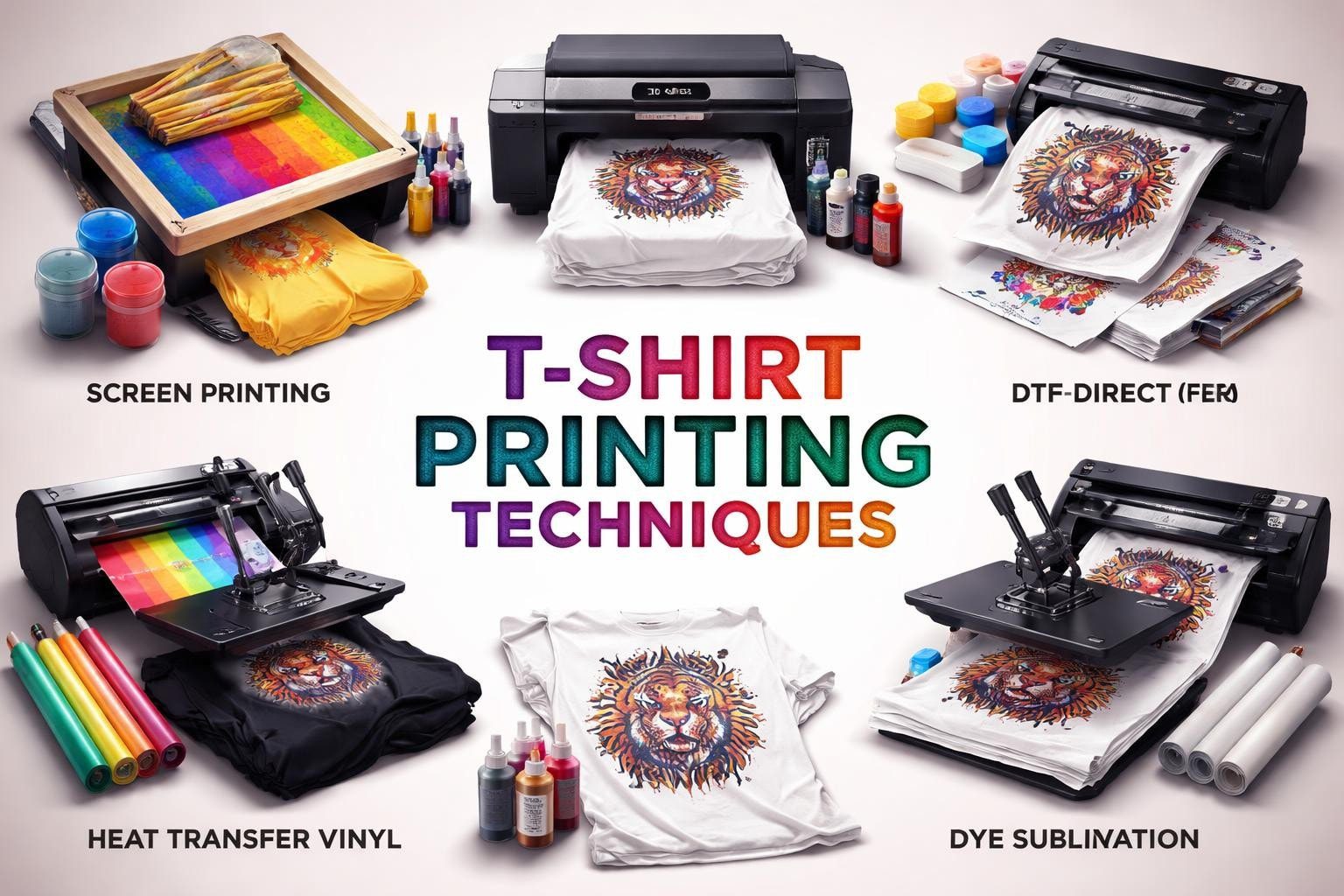
The custom apparel industry has evolved dramatically over the past decade, offering businesses and individuals unprecedented options for creating personalized garments. Understanding the various t shirt printing techniques available today is essential for making informed decisions about quality, durability, cost-effectiveness, and turnaround times. Whether you're a small business owner looking to create branded merchandise, an entrepreneur launching a clothing line, or someone planning a special event, selecting the right printing method can make the difference between a mediocre product and an exceptional one.
Screen Printing: The Industry Standard
Screen printing remains one of the most popular and widely used t shirt printing techniques in the commercial printing industry. This method involves creating a stencil (or screen) for each color in the design and pushing ink through the mesh onto the fabric. The process delivers vibrant, durable prints that can withstand hundreds of wash cycles without significant fading.
Key advantages of screen printing include:
- Exceptional durability and longevity
- Vibrant color reproduction
- Cost-effectiveness for bulk orders
- Versatility across fabric types
- Professional, high-quality finish
The screen printing process works best for orders of 24 pieces or more, as the setup costs can be distributed across larger quantities. Screen printing services in New York have perfected this technique over decades, making it the go-to choice for businesses requiring consistent, high-volume production.
Water-Based vs. Plastisol Inks
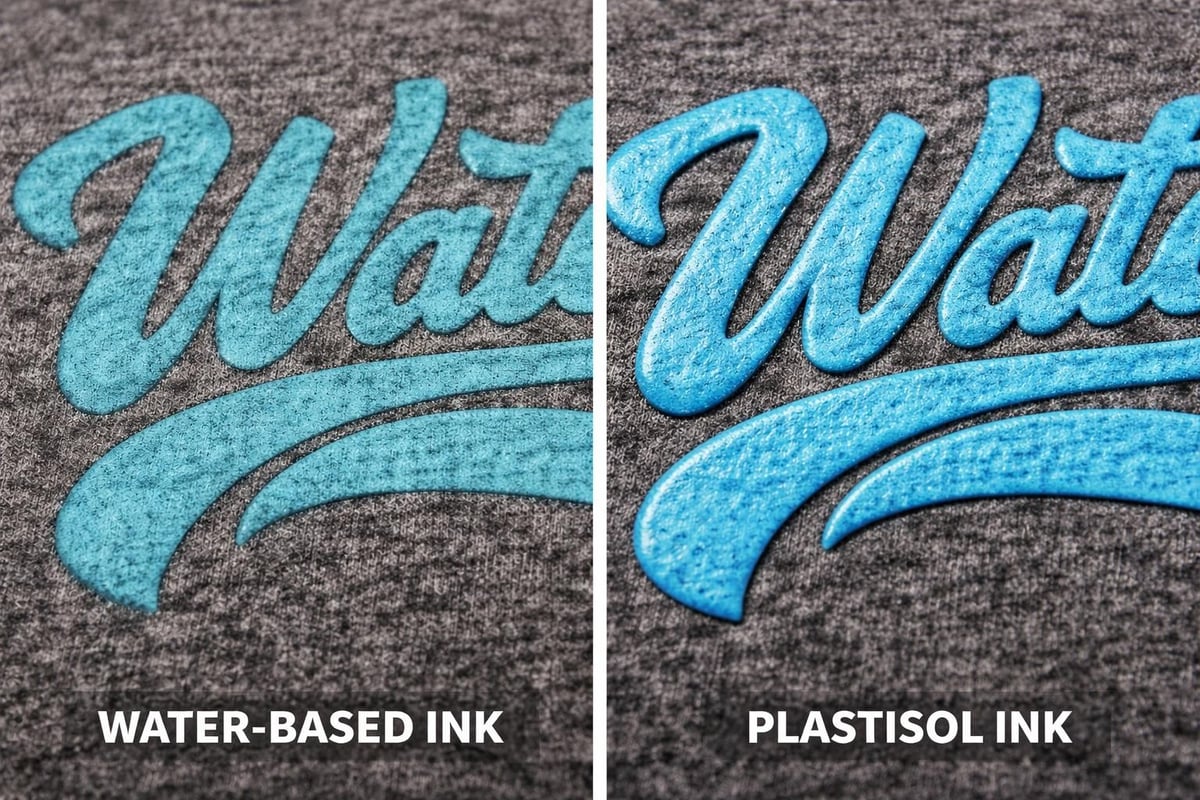
Screen printing offers two primary ink categories that serve different purposes. Plastisol inks sit on top of the fabric and create a slightly raised, textured feel, while water-based inks penetrate the fabric fibers for a softer, more breathable finish. Water-based options have gained popularity due to environmental considerations and the premium feel they deliver, particularly on higher-end garments.
Direct-to-Garment Printing: Digital Precision
Direct-to-garment (DTG) printing represents a revolutionary advancement in t shirt printing techniques. This method uses specialized inkjet technology to spray water-based inks directly onto the fabric, similar to how a paper printer works. The process excels at reproducing complex designs with multiple colors, gradients, and photographic images.
DTG printing eliminates minimum order requirements, making it perfect for:
- Sample production and prototyping
- Custom one-off designs
- Print-on-demand business models
- Designs with intricate color blending
- Small batch production runs
The technology works best on 100% cotton or cotton-blend fabrics, as the natural fibers absorb the water-based inks more effectively. Direct-to-garment printing has transformed how businesses approach custom apparel, particularly in urban markets where quick turnaround times are essential.
| Feature | Screen Printing | DTG Printing |
|---|---|---|
| Setup Time | 30-60 minutes | 2-5 minutes |
| Ideal Quantity | 24+ units | 1-50 units |
| Color Complexity | Limited by screens | Unlimited |
| Fabric Compatibility | All types | Cotton-focused |
| Cost Per Unit (bulk) | Lower | Higher |
Direct-to-Film Transfer: Versatility Redefined
Direct-to-film (DTF) transfer technology has emerged as one of the most versatile t shirt printing techniques available in 2026. This method prints designs onto a special film, applies adhesive powder, cures the print, and then heat-presses it onto the garment. The process works on virtually any fabric type, including cotton, polyester, blends, nylon, and even leather.
DTF transfers offer remarkable advantages for businesses seeking flexibility. The transfers can be stored indefinitely and applied on-demand, reducing inventory requirements and waste. This makes custom DTF transfer services particularly attractive for businesses managing diverse product lines or seasonal designs.
DTF Application Process
The application process requires precision but delivers consistent results. Garments are pre-pressed to remove moisture, the transfer is positioned carefully, and heat is applied at specific temperature and pressure settings. The protective film peels away after cooling, revealing a vibrant, stretchy print that moves naturally with the fabric.
Unlike traditional heat transfer methods, DTF prints maintain excellent durability through repeated washing cycles and don't crack or peel when properly applied. According to comprehensive guides on t-shirt printing methods, DTF technology has quickly become a favorite among custom print shops for its combination of quality and versatility.
Heat Transfer Vinyl: Precision and Customization
Heat transfer vinyl (HTV) represents another popular approach among t shirt printing techniques, particularly for names, numbers, and simple designs. This method involves cutting designs from colored vinyl sheets using a plotter or cutting machine, then heat-pressing the vinyl onto the garment.
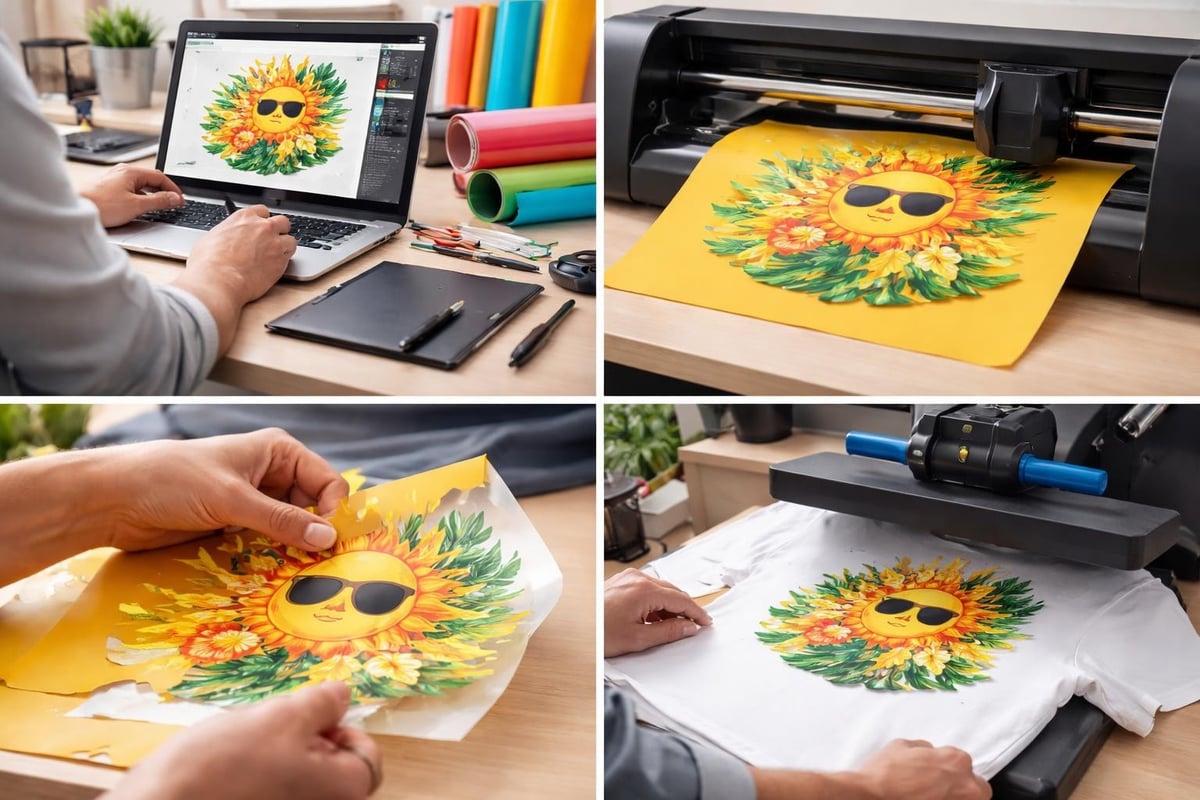
HTV excels in several specific applications:
- Athletic uniforms with numbers and names
- Single-color logos and text
- Designs requiring metallic or specialty finishes
- Small batch personalization projects
- Layered, multi-color simple graphics
The vinyl creates a smooth, professional appearance that stands up well to washing and wear. Custom embroidered apparel services often complement HTV work when clients desire mixed decoration techniques on premium garments.
Dye Sublimation: All-Over Printing Excellence
Dye sublimation stands apart from other t shirt printing techniques due to its unique chemical process. This method converts solid dye into gas without becoming liquid, allowing the dye to bond with polyester fibers at a molecular level. The result is permanent, vibrant colors that won't crack, peel, or fade.
This technique is exclusively compatible with polyester fabrics or polyester-coated substrates. The process allows for full-coverage, all-over printing that traditional methods cannot achieve. Performance apparel brands frequently choose sublimation for sports jerseys, activewear, and promotional items requiring edge-to-edge graphics.
Sublimation benefits include:
- Breathable prints that don't affect fabric hand-feel
- Photographic quality reproduction
- No color limitations
- Permanent bonding with fabric
- Ideal for performance fabrics
The various t-shirt printing techniques available each serve specific market needs, and sublimation occupies a unique position for polyester-based applications.
Embroidery: Premium Texture and Durability
While technically not a printing technique, embroidery deserves mention as a premium decoration method for apparel. This process uses computerized machines to stitch designs directly into fabric using colored threads. Embroidery communicates quality, professionalism, and permanence in ways that printed designs sometimes cannot.
When to Choose Embroidery
Professional organizations, corporate branding, and high-end promotional items frequently utilize embroidery because of its perceived value and longevity. The textured, three-dimensional appearance creates visual interest and tactile appeal. Polo shirts, jackets, hats, and bags are particularly well-suited to embroidered decoration.
| Application Type | Best Technique | Reason |
|---|---|---|
| Complex photo designs | DTG or Sublimation | Color accuracy and detail |
| Bulk promotional tees | Screen Printing | Cost efficiency |
| Individual custom orders | DTG or DTF | No minimums needed |
| Performance sportswear | Sublimation | Breathability and durability |
| Corporate polo shirts | Embroidery | Professional appearance |
| Mixed fabric inventory | DTF | Universal compatibility |
Discharge Printing: Soft-Hand Vintage Appeal
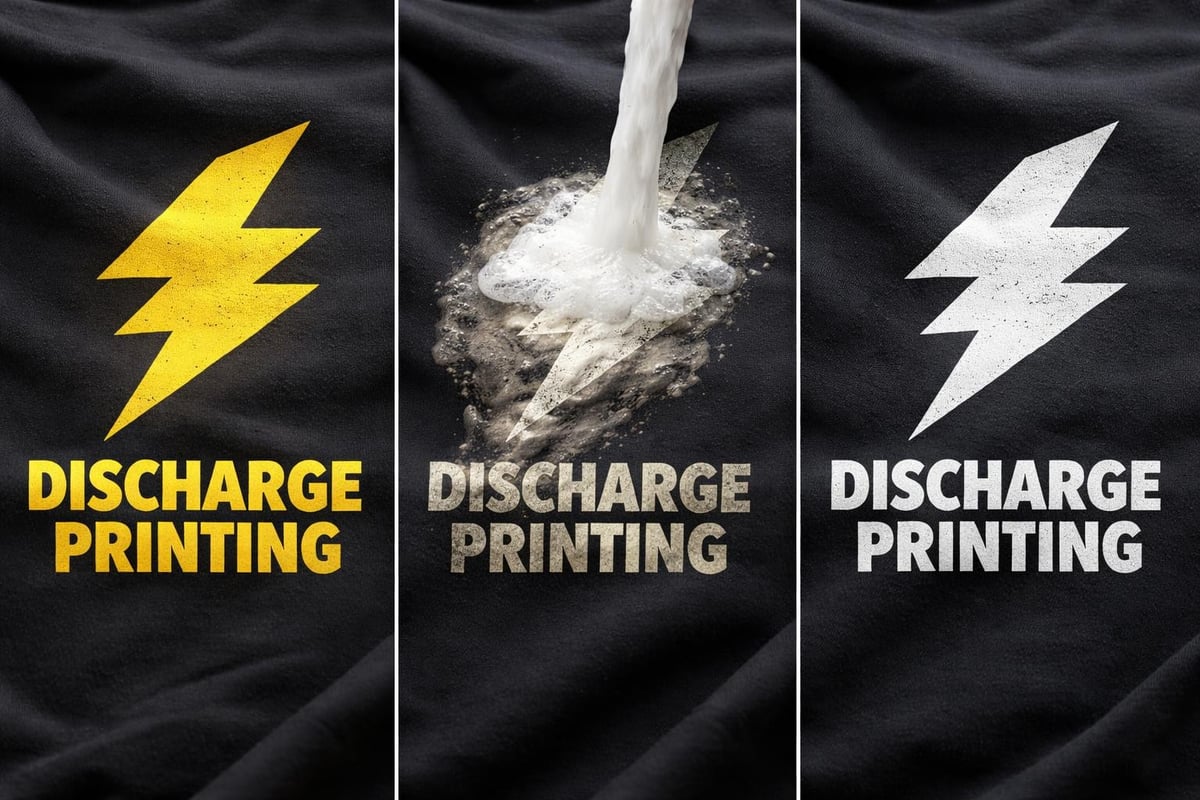
Discharge printing offers a specialized approach within t shirt printing techniques that removes existing dye from colored garments and replaces it with new color. This process creates an ultra-soft feel because the ink penetrates the fabric rather than sitting on top. The technique is particularly popular for achieving vintage looks on dark garments.
The chemistry behind discharge printing requires specific fabric compositions. The process works best on 100% cotton garments that have been dyed with reactive dyes. When done correctly, discharge printing produces results that are indistinguishable from the original fabric, with designs that feel like part of the garment rather than an addition.
Fashion brands and designers frequently request discharge printing for its authentic, worn-in aesthetic. The comprehensive overview of printing methods explains how discharge techniques have evolved to meet contemporary design demands while maintaining environmental consciousness.
Hybrid Techniques: Combining Methods for Optimal Results
Progressive print shops increasingly combine multiple t shirt printing techniques on single garments to achieve effects impossible with any single method. A common approach pairs screen printing for large background elements with DTG or embroidery for detailed personalization. This strategy optimizes both cost-effectiveness and visual impact.
Popular hybrid combinations include:
- Screen printed base designs with DTG personalization
- Embroidery for logos with screen printed graphics
- DTF transfers with HTV accent elements
- Discharge printing with water-based screen print overlays
- Sublimation backgrounds with vinyl text overlays
Understanding when to employ various types of shirt printing allows businesses to deliver superior products while managing production costs effectively. The strategic combination of techniques requires expertise but yields exceptional results.
Selecting the Right Technique for Your Project
Choosing among available t shirt printing techniques requires evaluating multiple factors simultaneously. Order quantity significantly impacts cost-per-unit economics, with screen printing becoming more attractive as volumes increase. Design complexity influences technique selection, as some methods handle gradients and photographs better than others.
Fabric composition plays a crucial role in technique compatibility. Natural fibers like cotton work well with most methods, while synthetic fabrics limit options to sublimation, DTF, or screen printing with specialty inks. Timeline requirements may eliminate techniques requiring extensive setup, pointing toward digital methods like DTG or pre-made DTF transfers.
Decision Framework
Budget considerations extend beyond per-unit costs to include setup fees, minimum orders, and long-term durability. A less expensive printing method that fades after ten washes ultimately costs more than a durable technique that lasts for years. Resources comparing t-shirt printing methods help businesses make data-driven decisions rather than assumptions.
The intended use case should guide technique selection. Corporate apparel demands professional finishes that withstand frequent washing, pointing toward screen printing or embroidery. Event shirts with one-time wear requirements can utilize more economical methods. Retail fashion items benefit from techniques that deliver visual impact and contemporary aesthetics.
Quality Control and Production Standards
Professional execution of any t shirt printing techniques requires attention to detail throughout the production process. Pre-treatment of garments ensures proper ink adhesion for DTG printing, while proper screen tension maintains consistency in screen printing. Temperature and pressure settings must be precisely calibrated for heat-applied methods.
Testing procedures verify that prints meet durability standards before full production begins. Wash testing reveals potential issues with adhesion, color-fastness, or print integrity. Proper curing ensures that inks and adhesives reach their full bonding potential, maximizing longevity.
Quality control extends to post-production inspection, where each garment receives examination for print placement, color accuracy, and overall finish quality. Leading printing services maintain rigorous standards throughout production to ensure consistent results.
Environmental Considerations in Modern Printing
Sustainability has become a crucial consideration in evaluating t shirt printing techniques. Water-based inks reduce environmental impact compared to plastisol alternatives, while discharge printing eliminates the need for additional layers of material on garments. Digital methods like DTG minimize waste by eliminating screen production and excess ink.
Energy consumption varies significantly between techniques. Traditional screen printing requires heat curing, while DTG uses energy for pretreatment and printing. DTF involves multiple heating stages throughout the production process. Businesses committed to sustainability should evaluate the complete environmental footprint of their chosen methods.
The industry trend toward eco-consciousness has driven innovation in sustainable t shirt printing techniques. The evolution of t-shirt printing methods reflects growing consumer demand for environmentally responsible production processes.
Technology Advancements and Future Trends
Innovation continues to reshape t shirt printing techniques at an accelerating pace. Printer manufacturers release increasingly sophisticated equipment that delivers faster production speeds, better color accuracy, and improved ink formulations. White ink technology for DTG has dramatically improved, enabling high-quality prints on dark fabrics.
Software improvements streamline workflow from design to production. Color management systems ensure consistency across different printing methods and production runs. Automation reduces labor requirements while improving precision and repeatability.
Emerging technologies promise further disruption to traditional printing paradigms. Advances in modern printing methods indicate that digital techniques will continue gaining market share, though traditional methods maintain advantages in specific applications.
Business Applications and Market Positioning
Different t shirt printing techniques appeal to distinct market segments and business models. Print-on-demand operations thrive using DTG or DTF transfers, eliminating inventory risk while offering extensive product variety. Traditional screen printing serves promotional product distributors managing large corporate orders.
Fashion brands select techniques that align with their aesthetic vision and quality standards. Streetwear companies might prefer screen printing for its authentic appearance, while performance brands choose sublimation for technical fabrics. Understanding technique characteristics enables strategic market positioning.
The ability to offer multiple t shirt printing techniques provides competitive advantages. Businesses can serve diverse client needs while optimizing production efficiency. Quick turnaround custom printing services demonstrate how technique versatility translates into business flexibility.
Mastering the various t shirt printing techniques available in 2026 empowers businesses to deliver exceptional custom apparel that meets diverse client needs. Each method offers distinct advantages, and understanding when to apply specific techniques ensures optimal results for quality, durability, and cost-effectiveness. Whether you need screen printing for bulk orders, DTG for complex designs, embroidery for premium branding, or DTF for versatile applications, Custom 101 Prints provides expert execution across all major printing techniques with fast turnaround times and no minimum order requirements. Contact our team today to discuss which printing method best suits your next project.