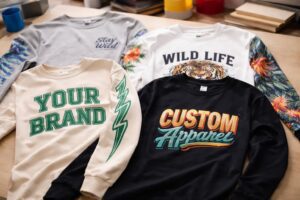
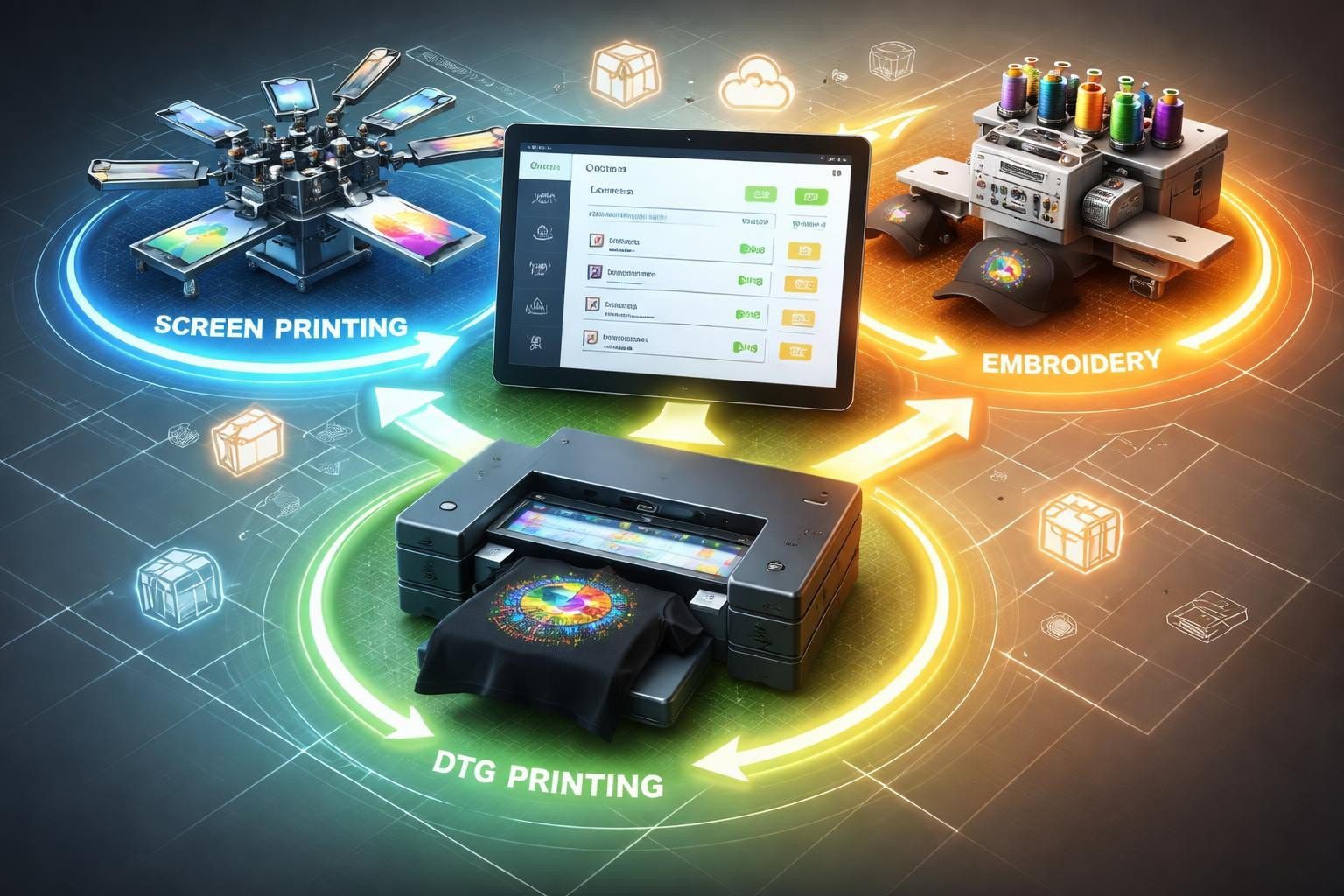
Starting an apparel print shop or optimizing an existing operation requires understanding the latest printing technologies, inventory management systems, and customer service strategies that drive success in 2026. The custom printing industry continues to evolve with digital innovations that enable faster turnaround times, higher quality outputs, and greater design flexibility. Whether you're producing promotional items for corporate clients or personalized apparel for individual customers, knowing which services to offer and how to streamline operations makes the difference between thriving and merely surviving in this competitive market.
Essential Services Every Apparel Print Shop Should Offer
A successful apparel print shop needs diverse capabilities to serve different customer segments and project requirements. The most versatile operations typically combine multiple printing methods to handle everything from small custom orders to large corporate contracts.
Screen printing remains the gold standard for bulk orders and designs requiring vibrant, durable colors. This method excels at producing consistent results across hundreds or thousands of identical garments, making it ideal for team uniforms, event merchandise, and promotional campaigns. Screen printing services offer exceptional color saturation and longevity, particularly on cotton-based fabrics where the ink bonds deeply with the material.
Direct-to-garment (DTG) printing has revolutionized how print shops handle small batch orders and complex designs. This digital printing method works like an inkjet printer for fabric, allowing full-color graphics without the setup costs associated with traditional screen printing. For customers needing just one or two custom shirts, DTG provides economical solutions without sacrificing quality.
Comparing Major Printing Technologies
| Method | Best For | Minimum Order | Setup Time | Color Limitations |
|---|---|---|---|---|
| Screen Printing | Bulk orders, simple designs | 24+ pieces | 30-60 minutes | 1-6 colors typically |
| DTG Printing | Small batches, photo-realistic | 1 piece | Minimal | Full color spectrum |
| DTF Transfer | Mixed materials, quick turnaround | 1 piece | 5-10 minutes | Full color spectrum |
| Embroidery | Premium branding, durability | 12+ pieces | 15-30 minutes | Thread color dependent |
Embroidery services add a premium dimension to any apparel print shop portfolio. Corporate clients particularly value embroidered logos for their professional appearance and exceptional durability. While embroidery requires specialized equipment and digitizing expertise, it commands higher margins and attracts business clients seeking quality branded apparel.
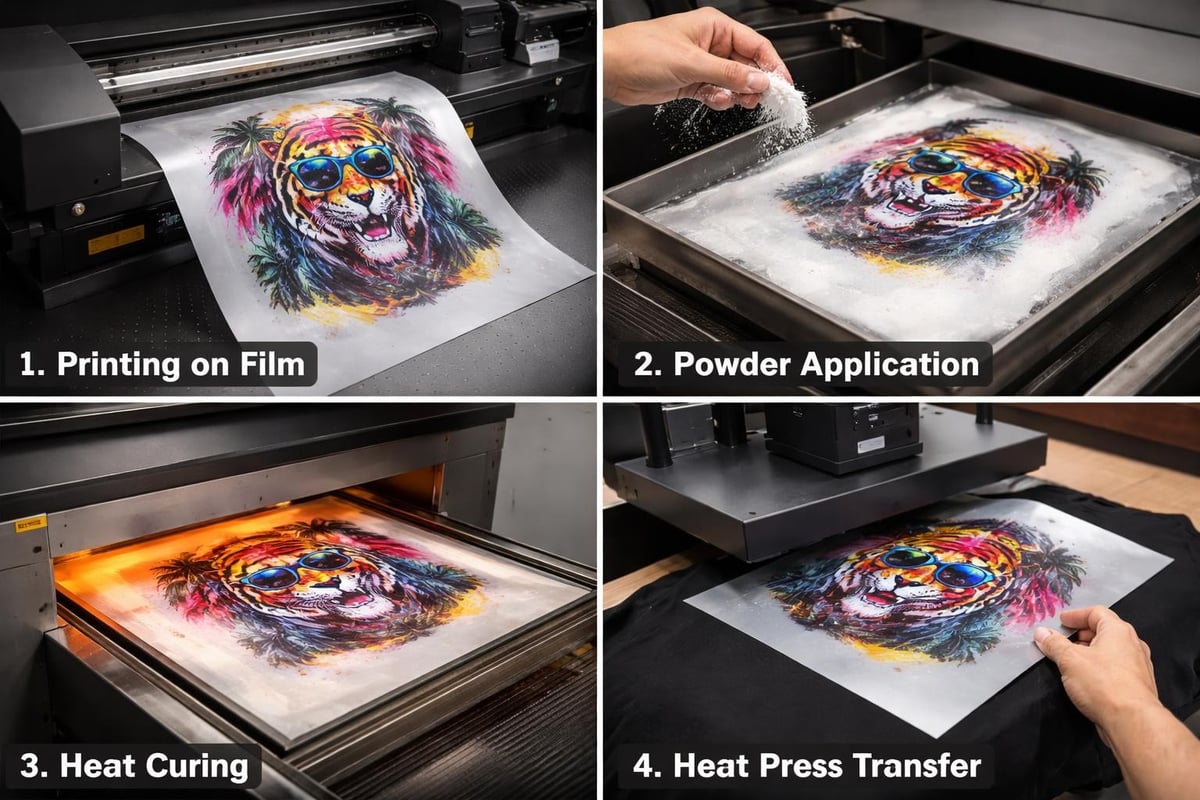
DTF transfer printing represents one of the newest technologies gaining traction across the industry. DTF transfer printing services bridge the gap between screen printing and DTG, offering versatility across cotton, polyester, blends, and even leather or nylon. The process prints designs onto special film, applies powder adhesive, cures it, then heat-presses the transfer onto the garment. This method provides excellent color vibrancy and works on dark fabrics without the white ink challenges that plague some DTG systems.
Technology Integration and Workflow Optimization
Modern apparel print shop operations depend heavily on digital systems that connect order intake, design processing, production scheduling, and inventory management. Implementing the right technology stack can reduce errors, accelerate fulfillment, and improve customer satisfaction significantly.
Order management platforms serve as the central nervous system for busy print shops. These systems track jobs from initial inquiry through final delivery, automatically updating customers on order status and providing production teams with clear priorities. Integration with design software allows customers to preview their custom products in real-time, reducing revision cycles and accelerating approval processes.
According to research on digital textile printing, the global market for digital printing technologies continues expanding as shops recognize the efficiency gains these systems provide. Digital workflows eliminate many manual handoffs that slow traditional printing operations.
Inventory Management Best Practices
Efficient inventory control separates profitable print shops from those struggling with cash flow issues. Implementing inventory management best practices helps maintain optimal stock levels without tying up excessive capital in unneeded materials.
Key inventory strategies include:
- Real-time tracking systems that monitor blank garment inventory, inks, threads, and consumables
- Vendor integration for automated reordering when stock reaches predetermined thresholds
- Seasonal demand forecasting based on historical order patterns and upcoming promotional calendars
- ABC analysis categorizing inventory by value and turnover rate to prioritize management attention
- FIFO rotation ensuring older stock ships first to prevent quality degradation
The printed textile market analysis reveals that successful operations maintain 30-45 days of inventory for fast-moving items while minimizing slow-moving specialty stock. This balance ensures quick fulfillment without warehouse overcrowding or obsolescence losses.
Understanding Customer Segments and Their Needs
An effective apparel print shop tailors its services and marketing to distinct customer groups, each with unique requirements and buying behaviors. Identifying your primary segments helps allocate resources efficiently and develop targeted service packages.
Corporate clients typically seek bulk orders for employee uniforms, trade show giveaways, or client appreciation gifts. These customers value consistency, reliability, and professional branding execution. They often work with annual budgets and plan campaigns months in advance, providing predictable revenue streams. However, they also demand competitive pricing, strict quality standards, and detailed invoicing for procurement departments.
Small businesses and startups need smaller quantities but often request more complex customization. A local coffee shop might order 50 shirts for staff but want different names embroidered on each. These clients appreciate flexible minimum order policies and design assistance, as many lack in-house creative resources.
Event organizers operate on tight deadlines for reunions, fundraisers, tournaments, and conferences. Speed matters more than price for these customers, who often discover they need custom apparel just weeks before their event. An apparel print shop positioned to handle rush orders can charge premium rates while filling production gaps between larger jobs.
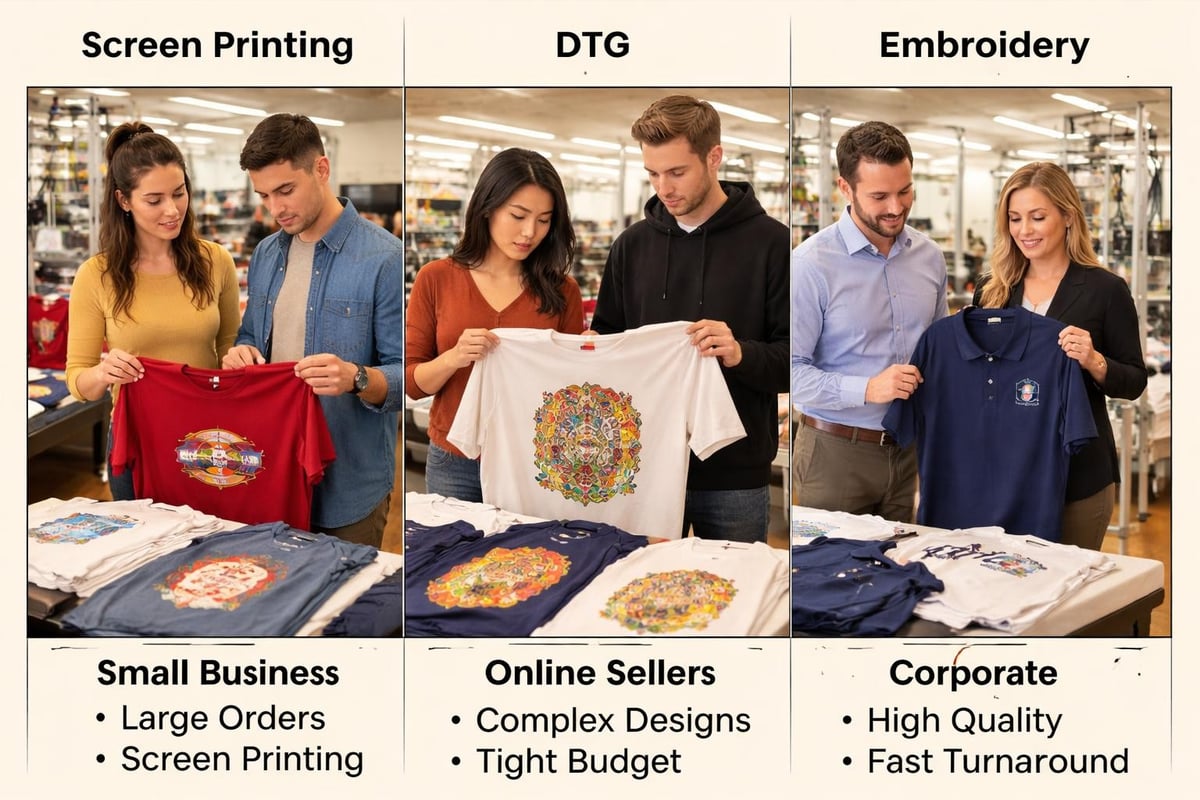
Individual consumers purchasing gifts or personal items represent the growing direct-to-consumer segment. These customers typically order 1-5 pieces and appreciate online design tools, quick turnaround, and transparent pricing. While individual transactions generate smaller revenue, high volume can create substantial business, particularly during holiday seasons.
Pricing Strategies That Maximize Profitability
Developing profitable pricing structures requires balancing competitive market rates with operational costs and desired margins. Many apparel print shops struggle with pricing because they fail to account for all costs or understand how different printing methods affect profitability.
Cost Components by Printing Method
| Cost Factor | Screen Printing | DTG Printing | Embroidery | DTF Transfer |
|---|---|---|---|---|
| Setup/Prep | $45-75 per design | Minimal | $15-30 digitizing | $5-10 per design |
| Labor per piece | $2-4 | $3-6 | $4-8 | $2-5 |
| Materials per piece | $1-3 | $2-5 | $1-4 | $2-4 |
| Equipment wear | Low | Medium | Low | Medium |
Setup costs for screen printing create economies of scale that make larger orders proportionally cheaper. An apparel print shop might charge $15 per shirt for 12 pieces but only $7 per shirt for 144 pieces of the same design. Explaining this pricing structure helps customers understand why consolidating orders saves money.
Rush fees compensate for disrupted workflows and overtime labor required to meet tight deadlines. Standard pricing assumes 7-10 business day turnaround, but customers needing custom t-shirt fast delivery within 3-5 days should expect 20-40% surcharges. Clear communication about standard versus expedited timelines prevents disputes and sets appropriate expectations.
Volume discounts incentivize larger orders while maintaining healthy margins. A tiered structure might offer standard pricing for 12-23 pieces, 15% off for 24-71 pieces, 25% off for 72-143 pieces, and 35% off for 144+ pieces. These breaks align with production efficiencies while remaining simple enough for customers to understand.
Quality Control and Customer Satisfaction
Maintaining consistent quality across every order builds reputation and generates referrals that fuel long-term growth. An apparel print shop must implement systematic quality checks at multiple production stages to catch issues before products ship.
Pre-production verification confirms design files meet technical specifications for the selected printing method. Screen printing requires vector artwork or high-resolution rasters with appropriate color separations. DTG needs properly prepared files with transparent backgrounds. Embroidery demands digitized files that account for fabric type and stitch density. Catching file issues before production prevents costly reprints and delivery delays.
In-process inspection occurs during actual printing or embroidery. Operators should check the first piece from each run before proceeding with the full order, verifying color accuracy, placement, and overall appearance. For larger runs, periodic mid-production checks ensure consistency throughout the batch.
The ongoing advancement of printing technologies, including innovative fabric and apparel printing methods, means that print shops must continually update quality standards to match new capabilities. What constituted acceptable quality five years ago may no longer meet customer expectations in 2026.
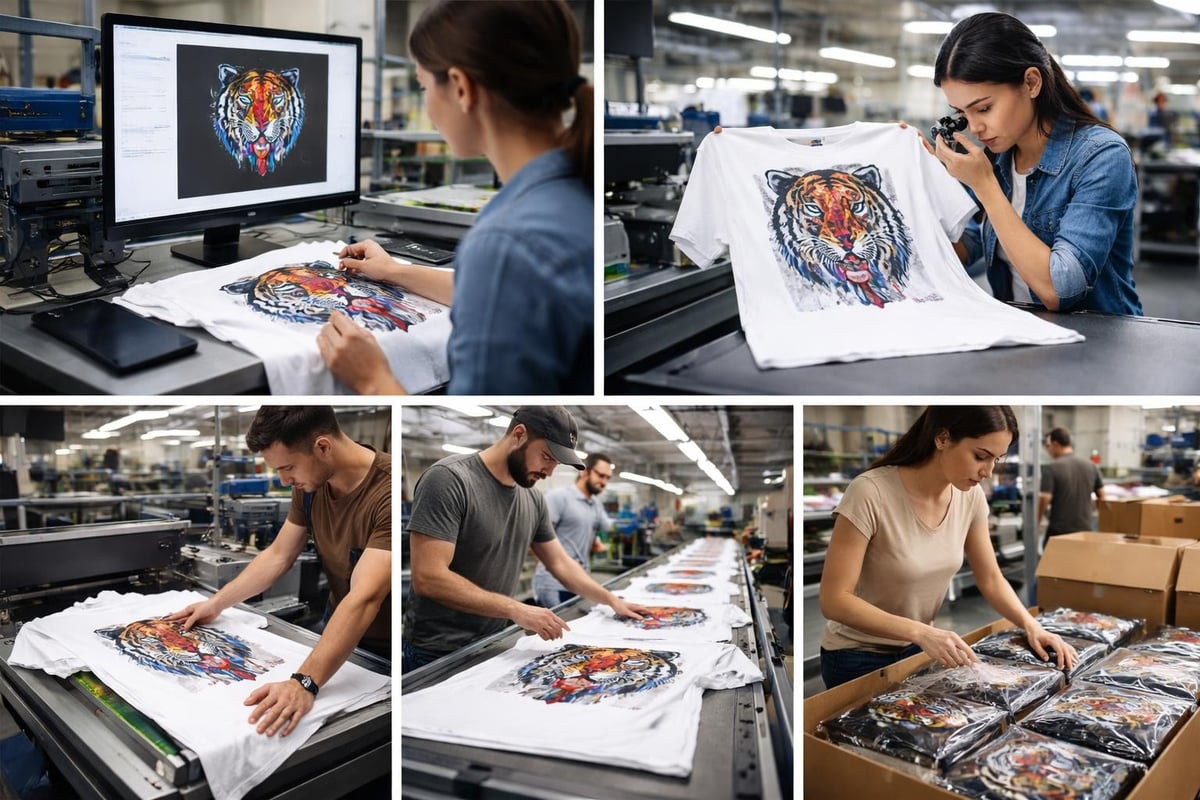
Final inspection and packaging represents the last opportunity to catch defects before shipping. Each piece should be examined for print quality, proper curing or heat setting, loose threads on embroidery, and accurate sizing. Professional packaging protects items during shipping while reinforcing brand perception.
Marketing Your Apparel Print Shop Effectively
Attracting steady business requires strategic marketing that reaches your target segments through their preferred channels. A multi-faceted approach combining digital presence, local networking, and customer retention programs generates the best results.
Website optimization serves as your 24/7 salesperson, educating prospects and capturing orders while you focus on production. Essential features include:
- Product visualization tools allowing customers to preview designs on various garment styles and colors
- Instant quote calculators providing transparent pricing based on quantity, method, and options
- Educational content explaining direct-to-garment printing vs screen printing to help customers choose appropriate methods
- Portfolio galleries showcasing previous work across different industries and applications
- Easy upload systems for artwork with automatic file checking and optimization suggestions
Local business partnerships create reliable revenue through corporate apparel programs. Reaching out to companies, schools, sports leagues, and non-profits with tailored proposals demonstrates understanding of their specific needs. Offering volume discounts and dedicated account management encourages long-term relationships.
Social media presence builds brand awareness while showcasing recent projects that inspire new customers. Behind-the-scenes content showing production processes educates audiences while demonstrating expertise. Customer testimonials and finished product photos provide social proof that converts followers into buyers.
Navigating Industry Trends and Future Opportunities
The apparel print shop landscape continues evolving with technological advancements, sustainability concerns, and changing consumer preferences. Staying ahead of these trends positions your operation for sustained growth.
Sustainability initiatives increasingly influence purchasing decisions as both corporate and individual customers prioritize environmentally responsible vendors. Implementing eco-friendly practices like water-based inks, organic cotton options, and efficient waste management appeals to environmentally conscious clients. Marketing these initiatives differentiates your shop from competitors still using traditional methods.
The digital textile printing market growth indicates strong expansion through 2030, driven by demand for customization and shorter production runs. An apparel print shop investing in digital capabilities now positions itself to capitalize on this trend as traditional bulk manufacturing continues shifting overseas.
On-demand production aligns with broader retail trends toward reduced inventory and just-in-time manufacturing. Partnering with e-commerce businesses to fulfill print-on-demand orders creates new revenue streams with minimal upfront investment. These arrangements typically involve automated order intake, production, and dropshipping directly to end customers.
Augmented reality integration represents an emerging technology that could transform how customers design and preview custom apparel. Early adopters implementing AR try-on features and 3D product visualization may gain significant competitive advantages as these technologies mature and become more accessible.
According to global apparel manufacturing statistics, the industry continues growing despite economic uncertainties, with customization and personalization driving demand in developed markets. An apparel print shop positioned to serve this demand with diverse capabilities and excellent service can thrive regardless of broader economic conditions.
Operational Efficiency and Scaling Strategies
Growing an apparel print shop from a small operation to a thriving business requires deliberate strategies that increase capacity without proportionally increasing overhead. Smart scaling focuses on process improvement, strategic equipment investment, and workforce development.
Workflow optimization identifies and eliminates bottlenecks that limit daily production capacity. Time studies reveal which processes consume disproportionate resources and where automation or reorganization could yield improvements. Simple changes like reorganizing workstations, implementing batch processing for similar orders, or upgrading to faster curing equipment can dramatically increase throughput.
Equipment investment decisions should align with actual demand patterns rather than aspirational growth projections. Adding a second DTG printer makes sense when your current machine runs at 80%+ capacity consistently. Purchasing a commercial embroidery machine becomes viable when you're regularly outsourcing enough work to justify the investment within 18-24 months.
Staff training and development creates versatile team members who can handle multiple processes, reducing dependencies on specific individuals and improving scheduling flexibility. Cross-training screen printers on DTG operations or embroidery staff on heat press techniques ensures production continues smoothly even when team members are absent or during peak demand periods.
Exploring custom embroidery services advantages reveals why diversified capabilities attract broader customer bases and create opportunities for upselling complementary services on single orders. A customer ordering screen-printed shirts might add embroidered hats when working with a full-service provider rather than coordinating multiple vendors.
Production scheduling software prevents overcommitment while maximizing equipment utilization. These systems account for setup times, production rates, and shipping deadlines to create realistic schedules that keep promises to customers while maintaining steady workflow for production teams. Real-time updates when rush orders arrive help managers make informed decisions about capacity and pricing.
Building Long-Term Customer Relationships
Acquiring new customers costs significantly more than retaining existing ones, making customer relationship management critical for sustainable profitability. An apparel print shop that prioritizes customer experience and relationship building generates referrals and repeat business that reduce marketing costs while increasing lifetime value.
Proactive communication throughout the order lifecycle keeps customers informed and confident in your service. Automated confirmations upon order placement, notifications when production begins, and tracking information at shipment demonstrate professionalism and transparency. For larger or complex orders, personal check-ins from account managers add a premium service touch.
Quality guarantees and responsive problem resolution separate exceptional shops from average competitors. When issues occur, addressing them quickly and generously builds trust that actually strengthens relationships. A customer whose complaint received immediate attention and fair resolution often becomes more loyal than one who never experienced problems.
Loyalty programs and referral incentives encourage repeat business and word-of-mouth marketing. Simple structures like "10% off your fifth order" or "$50 credit for each referred customer who places an order over $300" provide concrete benefits while remaining easy to track and communicate.
Value-added services beyond basic printing create differentiation and justify premium pricing. Offering graphic design assistance, helping customers select appropriate garments for their applications, or providing warehousing and fulfillment for ongoing programs adds convenience that customers willingly pay for. These services also create switching costs that discourage customers from trying competitors.
Successfully operating an apparel print shop in 2026 requires combining traditional craftsmanship with modern technology, business acumen, and customer service excellence. From selecting the right mix of printing methods to implementing efficient inventory systems and building lasting customer relationships, every operational decision impacts long-term profitability and growth potential. Whether you're launching a new venture or optimizing an established operation, Custom 101 Prints brings decades of expertise in screen printing, embroidery, DTG, and laser engraving to help New York businesses and individuals bring their custom apparel visions to life with fast turnaround and no minimum orders.