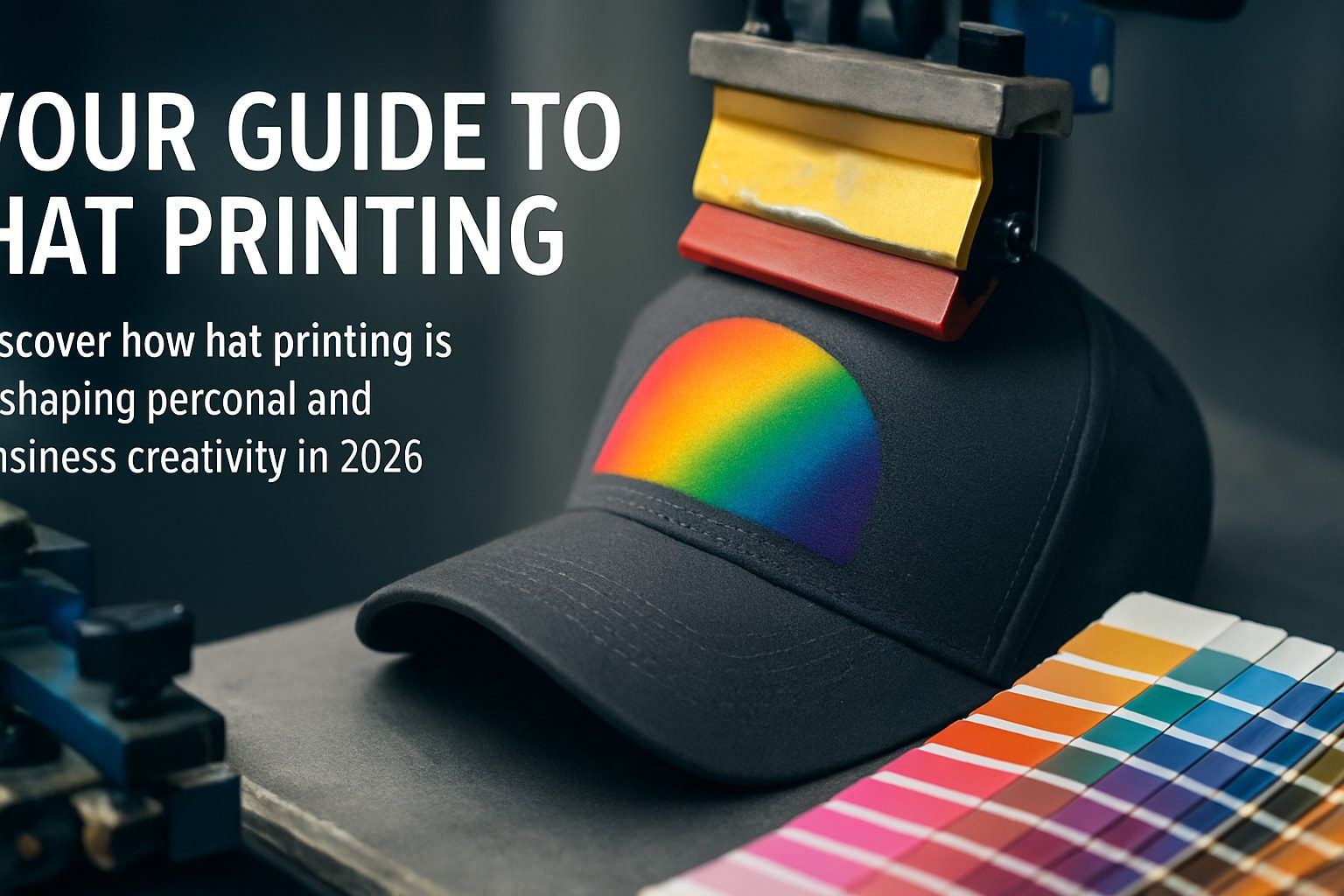
In 2026, hat printing is transforming the way individuals and businesses express creativity and brand identity. The global surge in demand for unique, custom headwear highlights just how influential this trend has become.
This guide delivers a step-by-step approach to mastering hat printing, covering everything from innovative design and production methods to the latest technologies shaping the industry.
You will uncover key trends, learn about essential techniques, explore inspiring design ideas, and discover how to launch your own successful hat printing business.
Let’s dive in and unlock new possibilities for creative expression, business growth, and personal style.
The Evolution and Trends of Hat Printing in 2026
The global landscape of hat printing is witnessing unprecedented growth in 2026. The market for custom hats is expanding rapidly, driven by consumer demand for unique, personalized fashion. According to Print-on-Demand Market Growth Statistics, the print-on-demand industry, including custom hats, is projected to grow at a robust CAGR of over 25 percent through 2026. This surge reflects not only shifting consumer tastes but also the rise of new technologies and marketing approaches in the hat printing space.
Several factors are fueling this expansion. Personalization stands at the forefront, as customers increasingly seek hats that reflect their identity, beliefs, or affiliations. The fashion industry also plays a critical role, with hat printing allowing designers and brands to launch limited-edition collections and experiment with bold concepts. Corporate branding and event merchandising are major drivers too, as businesses and organizations leverage custom headwear for promotional campaigns, giveaways, and staff uniforms. Innovations such as AI-driven design tools, on-demand printing, sustainable inks, and eco-friendly hat materials are transforming how hats are created and consumed.
Hat styles trending in 2026 reflect a blend of nostalgia and innovation. Popular choices include dad hats, trucker caps, bucket hats, snapbacks, and beanies. Each style offers unique opportunities for creative expression through hat printing, from minimalist embroidery to all-over digital prints. Consumers are gravitating toward styles that offer both comfort and individuality. Data shows a clear shift in preference toward unique, limited-edition headwear, with customers willing to pay a premium for exclusivity and craftsmanship.
The influence of social media and influencer marketing on hat printing trends cannot be overstated. Platforms like Instagram and TikTok have become launchpads for viral hat campaigns, where eye-catching designs can gain global traction overnight. Influencers and celebrities regularly collaborate with brands to release signature hat collections, amplifying reach and driving sales. User-generated content and hashtag campaigns further fuel interest, making hats not just accessories but statements of identity and community.
A compelling case study is the use of hat printing by leading sportswear brands to drive engagement and brand loyalty. For example, a recent campaign featuring limited-edition snapbacks tied to a popular sporting event sold out within hours, generating significant ROI and social buzz. These campaigns highlight how the convergence of technology, design, and digital marketing is redefining the possibilities of hat printing in 2026. As the industry continues to evolve, those who embrace innovation and understand shifting consumer preferences will lead the creative charge.
Understanding Hat Printing Techniques and Technologies
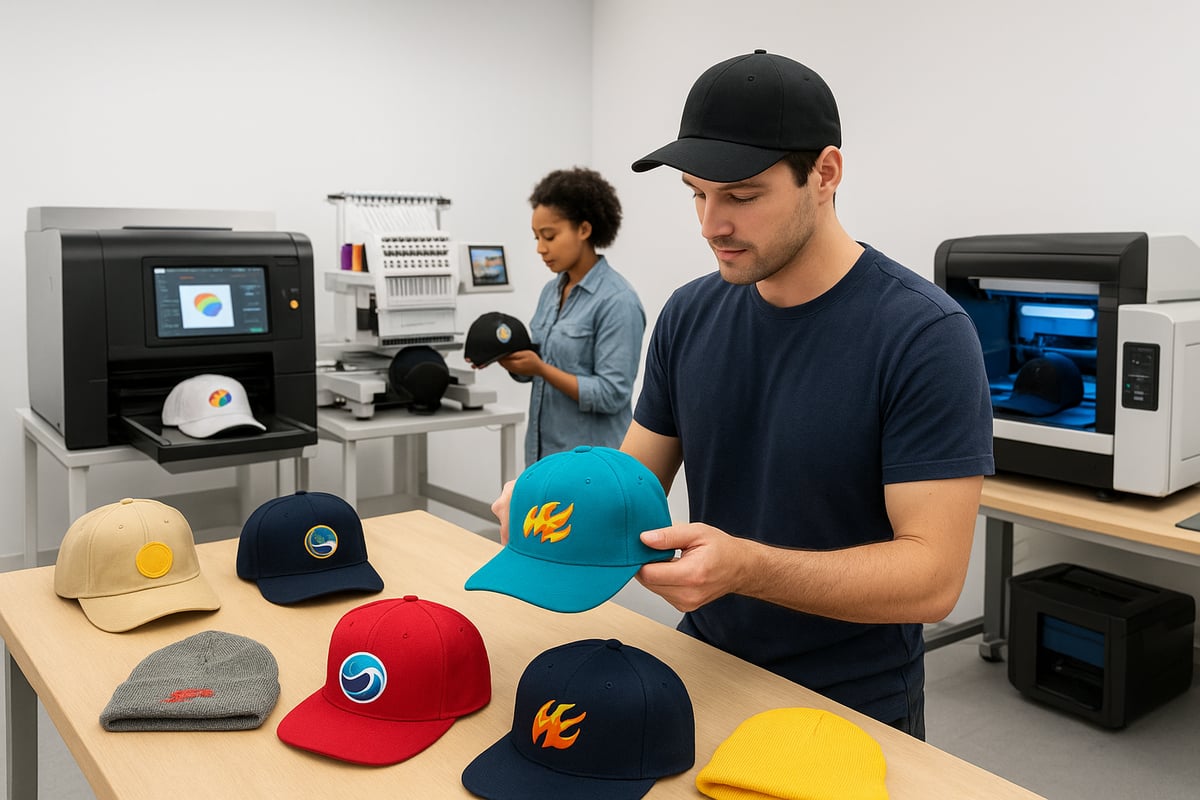
Choosing the right technique is essential for successful hat printing in 2026. With technology evolving rapidly, understanding each method's strengths and applications can help you achieve the best results for your creative or business goals.
Screen Printing
Screen printing remains a cornerstone of hat printing due to its reliability and efficiency. The process involves creating a stencil (or screen), applying ink through the mesh onto the hat, and curing the design for durability.
This method is ideal for large orders and bold graphics, offering vibrant colors that stand out on fabric. Screen printing is cost-effective for bulk production, making it popular for sports teams and promotional events. The longevity and colorfastness of screen-printed hats are significant advantages for brands seeking a lasting impression.
Embroidery
Embroidery gives hat printing a premium, textured finish that exudes professionalism. Using mechanized stitching, designs are sewn directly into the hat fabric, creating a raised, tactile effect.
This approach is best for logos, monograms, and intricate patterns where detail and longevity matter. Embroidered hats are often chosen for corporate branding because they convey quality and prestige. The process can accommodate a variety of materials, making it versatile for different hat styles and business needs.
Direct-to-Garment (DTG) and Direct-to-Film (DTF) Printing
Digital advancements have transformed hat printing with DTG and DTF methods. DTG uses specialized printers to apply water-based inks directly onto fabric, capturing gradients and detailed artwork. DTF, meanwhile, prints designs onto film, which are then transferred to hats using heat and pressure.
Both techniques are excellent for small runs and complex, multi-color designs. DTG offers superior color accuracy on cotton, while DTF extends compatibility to polyesters and blends. These methods are popular for artist collaborations and limited-edition releases, allowing rapid prototyping and customization.
Heat Transfer and Sublimation
Heat transfer and sublimation are popular choices for photographic images and all-over prints in hat printing. Heat transfer involves printing a design on special paper and using heat and pressure to apply it to the hat surface. Sublimation goes a step further, turning ink into gas that bonds with polyester fibers for a seamless, vibrant result.
These techniques excel with synthetic fabrics and are often used for event merchandise or full-color promotional hats. While the feel of the print may differ from other methods, the ability to produce eye-catching, detailed graphics is a major benefit.
Laser Engraving and Other Emerging Methods
Laser engraving introduces new possibilities to hat printing by etching designs onto surfaces like leather, suede, or synthetics. This technique creates unique effects, such as textures or cut-outs, that go beyond color application.
Emerging methods also include UV printing and 3D embroidery, expanding the creative toolkit for custom hats. Limited-edition designer hats often leverage these innovations to stand out in a crowded market. As technology advances, expect even more experimental approaches to hat customization.
Choosing the Right Technique for Your Project
Selecting the best hat printing method depends on several factors: design complexity, hat material, order size, budget, and turnaround time. Use the table below to compare the main techniques:
| Technique | Best For | Pros | Cons |
|---|---|---|---|
| Screen Printing | Bulk, bold designs | Durable, cost-effective | Limited detail, setup time |
| Embroidery | Logos, premium hats | Textured, long-lasting | Higher cost, less detail |
| DTG/DTF | Small runs, fine art | Full color, fast setup | Material limits, cost |
| Heat Transfer | Photos, promo | Vibrant, versatile | Print feel, fabric limits |
| Laser Engraving | Luxury, unique styles | Unique textures, precise | Material restrictions |
For a deeper dive into comparing digital and traditional methods, explore this Direct-to-Garment vs. Screen Printing guide.
Industry experts recommend matching your technique to your brand’s goals and resources. Test samples when possible and consult with experienced providers to ensure your project shines.
Step-by-Step Guide: How to Print Custom Hats in 2026
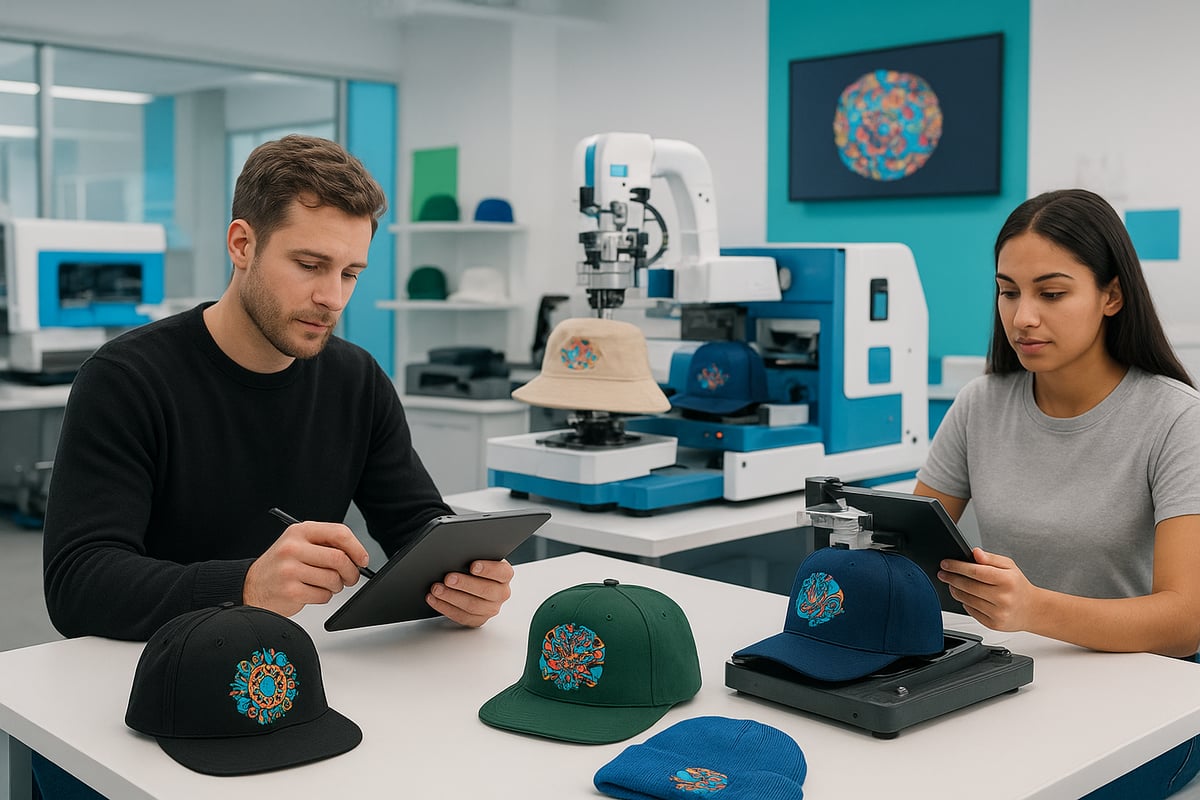
Embarking on your hat printing journey in 2026 requires a blend of creativity, technical know-how, and strategic planning. This step-by-step guide demystifies the process, ensuring you make informed decisions at every stage, from initial concept to quality assurance. Whether you are a hobbyist or an aspiring entrepreneur, each phase is designed to help you succeed in the evolving world of hat printing.
Step 1: Conceptualizing Your Hat Design
Begin your hat printing project by defining your audience and purpose. Are you creating hats for fashion-forward consumers, promotional giveaways, sports teams, or resale? Use trend boards, social media, and competitor analysis to gather inspiration. Sketch ideas on paper or use digital mockups to visualize potential outcomes. The right concept sets the foundation for a successful hat printing campaign, ensuring your designs resonate with your target market and stand out in a competitive landscape.
Step 2: Selecting the Ideal Hat Style and Material
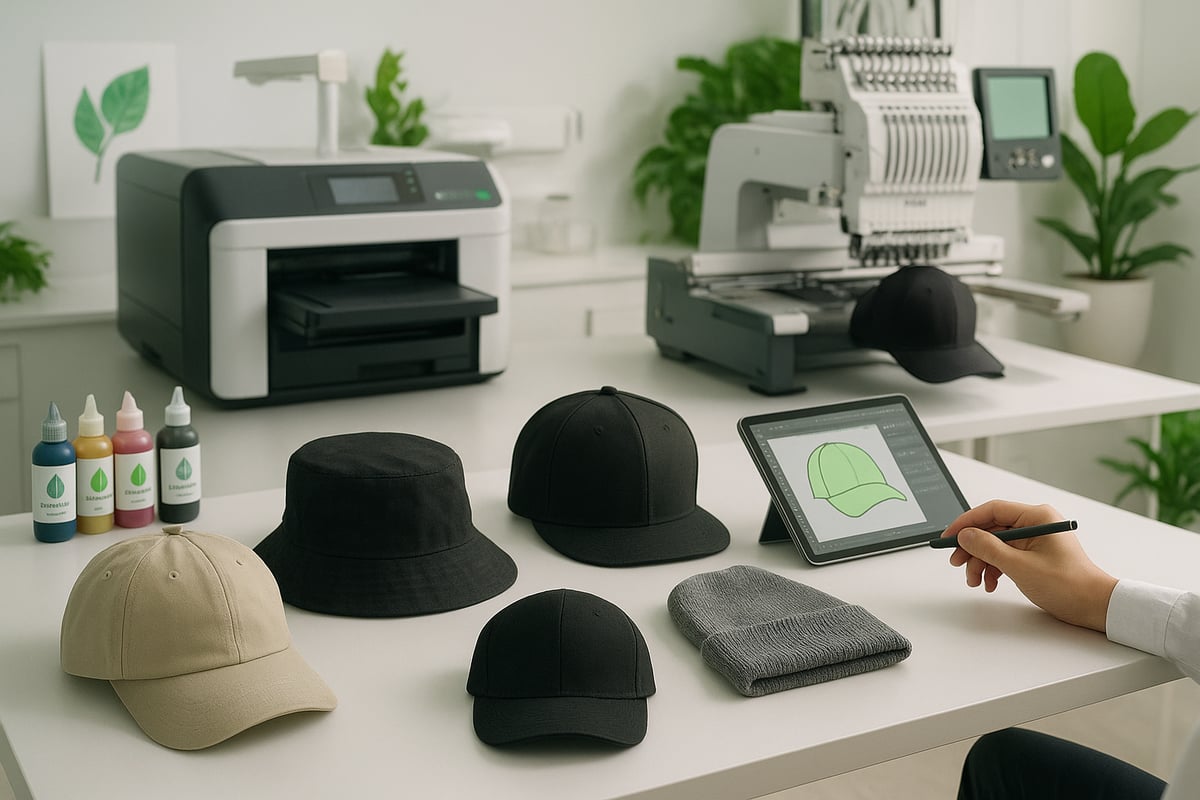
Choosing the right hat style and material is crucial for optimal hat printing results. Popular options in 2026 include dad hats, trucker caps, bucket hats, and eco-friendly beanies. Consider the pros and cons of fabrics such as cotton, polyester, blends, and sustainable materials. Match your material to your intended printing method, as certain fabrics yield better results with specific techniques. Thoughtful selection here maximizes print quality and wearability, elevating your final product.
Step 3: Preparing Artwork and Digital Files
Proper artwork preparation is vital for professional hat printing. Use vector files for crisp lines or high-resolution raster files for detailed images. Set the correct color profiles (CMYK or RGB) and ensure your design fits within safe zones, with appropriate bleed. Take advantage of AI-powered design tools now available in 2026 to automate mockups and optimize layouts. Well-prepared files streamline production, minimize errors, and guarantee your hat printing vision comes to life as intended.
Step 4: Choosing the Right Printing Method
Selecting the most suitable printing method is a pivotal step in hat printing. Compare techniques based on your design, material, order size, and budget. For instance, screen printing excels with bold graphics and large runs, while embroidery offers a premium, textured look. Digital options like DTG and DTF cater to intricate, colorful designs. For a deeper dive into screen printing, visit Screen Printing Services for Hats. Use the table below to guide your decision:
| Technique | Best For | Material Compatibility | Order Size |
|---|---|---|---|
| Screen Printing | Bold, simple graphics | Most fabrics | Large |
| Embroidery | Logos, textured designs | Most hats | Any |
| DTG/DTF | Complex, colorful art | Cotton/poly blends | Small/Med |
| Sublimation | All-over vibrant prints | Polyesters | Any |
| Laser Engraving | Unique textures | Leather, synthetics | Limited |
Step 5: Setting Up for Production
Before starting hat printing, prepare your hats by cleaning and flattening them. For embroidery, hoop the hats properly to ensure stability. Calibrate your machines and perform test prints to check alignment and color accuracy. Establish quality control checkpoints at various stages. Organized setup and meticulous calibration are essential to minimize waste, avoid costly mistakes, and ensure consistent hat printing results throughout your production run.
Step 6: Printing and Finishing Touches
With everything set, begin the hat printing process using your chosen method. Carefully monitor each step to maintain alignment and color integrity. Once printing is complete, focus on finishing touches such as trimming threads, curing inks, and pressing for durability. Package your hats attractively, adding retail-ready features like custom tags and labels. Attention to detail in this phase not only enhances the final appearance but also boosts the perceived value of your hat printing products.
Step 7: Troubleshooting and Quality Assurance
Even with the best preparation, issues may arise during hat printing. Common problems include misprints, color mismatches, or registration errors. Address these by reviewing production settings and retraining staff as needed. Use this final inspection checklist:
- Check print alignment and color accuracy.
- Inspect for loose threads or ink smudges.
- Verify packaging and tags are correct.
- Record any recurring issues for future improvement.
Thorough troubleshooting and consistent quality assurance help maintain high standards and customer satisfaction in every hat printing project.
Essential Equipment and Materials for Hat Printing Success
Equipping your workspace for hat printing in 2026 requires thoughtful planning and the right mix of technology, materials, and safety practices. Whether you are starting small or scaling up, the proper setup ensures consistent results and sets the foundation for business growth.
Must-Have Equipment for Every Technique
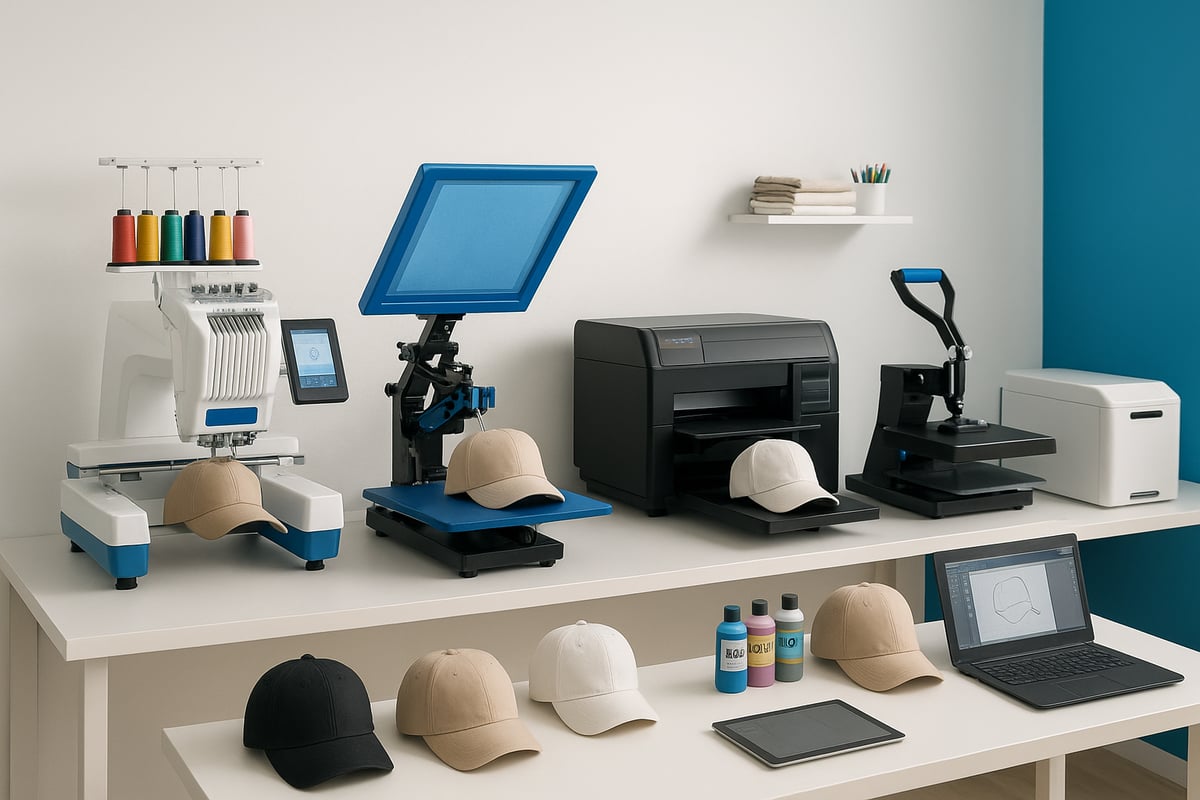
For screen printing, essential gear includes a multi-station press, screens, squeegees, and a conveyor dryer. Embroidery setups require a computerized embroidery machine, digitizing software, hoops, and quality threads. If you prefer digital methods, invest in a DTG or DTF printer, compatible pre-treatment units, and heat presses. Sublimation and heat transfer demand specialized transfer paper, a high-pressure heat press, and hats with the right coating. Laser engraving setups need a precision laser machine and protective gear.
For a detailed breakdown of embroidery equipment and its impact on hat printing quality, see Custom Embroidered Apparel Insights.
Entry-Level vs. Professional-Grade Machines
Choosing between entry-level and professional-grade machines for hat printing depends on your volume, budget, and future plans. Here is a concise comparison:
| Feature | Entry-Level | Professional-Grade |
|---|---|---|
| Cost | $500–$5,000 | $10,000–$50,000+ |
| Output Volume | 10–50 hats/hour | 100+ hats/hour |
| Scalability | Limited | High |
| Automation | Manual/semi-automatic | Fully automated |
| Print Quality | Good | Excellent |
Software and Automation Tools
Modern hat printing leverages powerful software for design, production, and workflow management. Use vector-based platforms such as Adobe Illustrator or CorelDRAW for artwork. RIP software helps optimize print output, while AI-driven tools automate design adjustments and color matching. Automation tools streamline order processing and inventory control, reducing manual errors.
Material Sourcing and Consumables
To ensure professional results, source blank hats, inks, threads, and consumables from reputable suppliers. Look for hats made from cotton, polyester, blends, or eco-friendly materials, depending on your chosen printing method. High-quality inks and threads improve durability and vibrancy. Bulk purchasing can reduce costs and ensure consistent supply.
Maintenance, Safety, and Environmental Considerations
Regular maintenance is essential for keeping hat printing equipment in top condition. Clean machines after each run, replace worn parts, and calibrate settings frequently. Prioritize safety with proper ventilation, protective gear, and safe handling of chemicals. Consider using eco-friendly inks and energy-efficient machines to minimize your environmental impact.
Example Budget Breakdown
Starting a small hat printing operation can be cost-effective. Here is a sample budget:
- Entry-level embroidery machine: $2,500
- Heat press: $700
- Starter DTG printer: $3,500
- Blank hats (100 units): $300
- Inks, threads, and consumables: $500
- Design software subscription: $50/month
This setup allows you to offer multiple services and adapt as your business grows.
Investing in the right equipment and materials lays the groundwork for hat printing success. Focus on quality, scalability, and sustainability to position your venture for long-term growth.
Creative Design Ideas and Inspiration for Custom Hats
The world of hat printing in 2026 is bursting with creativity, offering endless possibilities for brands, artists, and enthusiasts. Whether you are aiming for a bold statement or a subtle touch, the right design can make your custom hats memorable and marketable.
Trends and Inspirations
In 2026, hat printing trends reflect a blend of nostalgia and innovation. Retro graphics are making a comeback, with vibrant colors and playful motifs reminiscent of the 90s and early 2000s. Bold typography, often in oversized fonts or handwritten styles, adds personality and makes statements stand out.
Minimalist designs are also rising in popularity, using clean lines and limited color palettes for a sophisticated look. Eco-conscious messages and sustainable materials are in high demand, appealing to environmentally aware consumers.
For those seeking the latest inspiration, embroidery continues to evolve with intricate patterns and 3D effects. Explore more by reviewing the Top Hat Embroidery Trends 2026 to see how artists are pushing the boundaries of hat printing. These trends offer a strong foundation for creative projects, whether for personal expression or brand promotion.
Personalization and Collaboration
Personalization remains a key driver in the hat printing industry. Custom hats featuring names, initials, or inside jokes provide a personal touch, making them ideal for gifts, teams, or special events. Event-specific themes, such as charity runs or corporate retreats, can be highlighted through unique color schemes and slogans.
Collaboration is another powerful trend. Partnering with local artists or influencers can infuse fresh energy into your designs and attract new audiences. Some brands experiment with emerging techniques such as laser engraving, which adds texture and depth to hats. For example, you can find inspiration from innovative Laser Engraving Services in New York, showcasing how this method elevates hat printing beyond traditional approaches.
Experimenting with fabric textures, such as mixing canvas with leather patches or adding embroidered appliqués, creates visually striking results. Collaboration and personalization ensure each hat tells a unique story.
Making Hats Shareable and Viral
In the age of social media, designing hats that are “shareable” gives your hat printing projects a competitive edge. Use color theory strategically, selecting hues that pop on camera and complement trending aesthetics. Incorporate elements that encourage user-generated content, such as limited-edition runs or hidden design features.
Look at real-world examples: viral hat campaigns often leverage humor, nostalgia, or meaningful messages to spark engagement. Encourage customers to share their custom hats online by creating branded hashtags or offering incentives for posts.
By focusing on visual impact and storytelling, your hat printing designs can quickly gain traction, building both brand awareness and customer loyalty. The right creative approach transforms a simple hat into a conversation starter and a viral sensation.
Launching and Marketing Your Custom Hat Printing Business in 2026
Entering the hat printing industry in 2026 offers remarkable opportunities for entrepreneurs and creatives alike. As custom headwear demand rises, a well-planned approach can set your business apart in this dynamic market.
Identifying Your Target Market
Start by pinpointing your audience for hat printing. Are you targeting niche fashion lovers, corporate buyers, sports teams, or event organizers? B2B clients may want bulk orders, while B2C customers seek unique, personalized hats. Analyze market trends, such as the growing demand for limited-edition headwear, to refine your focus.
Building a Standout Brand
A memorable brand is essential in hat printing. Design a distinctive logo, craft a compelling story, and define your unique selling proposition. Consider what makes your offers different: eco-friendly materials, tech-driven designs, or exclusive artist collaborations. Position your brand to resonate with your chosen audience.
Setting Up Your Online Presence
A robust digital footprint is vital. Launch a sleek e-commerce website with high-quality visuals of your hat printing products. Use social media platforms like Instagram and TikTok to showcase behind-the-scenes content and customer testimonials. Build a digital portfolio to attract both direct buyers and potential business partners.
Pricing Strategies for Profitability
Determine your pricing using cost-plus or value-based models. Factor in production costs, labor, and market willingness to pay. For hat printing, offer wholesale pricing for bulk orders and retail pricing for individual custom pieces. Use a simple table to compare:
| Pricing Model | Best For | Example Use |
|---|---|---|
| Cost-Plus | Standardized products | Bulk corporate orders |
| Value-Based | Unique, high-demand items | Limited artist drops |
Innovative Marketing Tactics
Effective marketing can propel your hat printing business to new heights. Collaborate with influencers or local artists to create buzzworthy designs. Host pop-up events or limited-edition drops to generate urgency. Use viral social media challenges to boost shareability and engagement.
Leveraging Reviews and User-Generated Content
Encourage customers to leave reviews and share photos wearing your hats. User-generated content not only builds trust but also provides authentic marketing assets. Feature these on your website and social channels to foster community and credibility.
Scaling Through Technology and Automation
As your hat printing business grows, explore automation and outsourcing to streamline operations. AI-driven design software and automated production lines can increase efficiency and consistency. For more on how artificial intelligence is shaping the industry, see AI in Printing Industry 2026.
Capitalizing on Market Growth
The custom apparel sector continues to expand, offering robust potential for hat printing ventures. For a broader view of market trends and demand, review the Custom T-Shirt Printing Market Forecast, which parallels the trajectory of custom headwear.
Launching a successful hat printing business in 2026 requires a blend of creative vision, strategic marketing, and technological innovation. By following these steps, you can build a brand that thrives in a competitive, ever-evolving marketplace.