Did you know global bottled water consumption is projected to reach record highs in 2026? In this competitive landscape, effective water bottle label printing is more crucial than ever for brands aiming to stand out and ensure compliance.
This essential guide will demystify every aspect of water bottle label printing, from choosing materials and crafting eye-catching designs to navigating new compliance standards and production trends for 2026.
You will discover the latest label types, material options, design best practices, regulatory requirements, printing technologies, and smart cost-saving strategies. Ready to elevate your brand and outshine the competition? Dive in for expert insights that make your water bottle label printing a true asset.
Understanding Water Bottle Label Types and Applications
Selecting the right approach to water bottle label printing is essential for both branding and compliance. With so many label types, materials, and applications available, understanding these options will help you make informed choices that fit your needs and budget.
Key Label Formats: Sheet, Roll, and Stickers
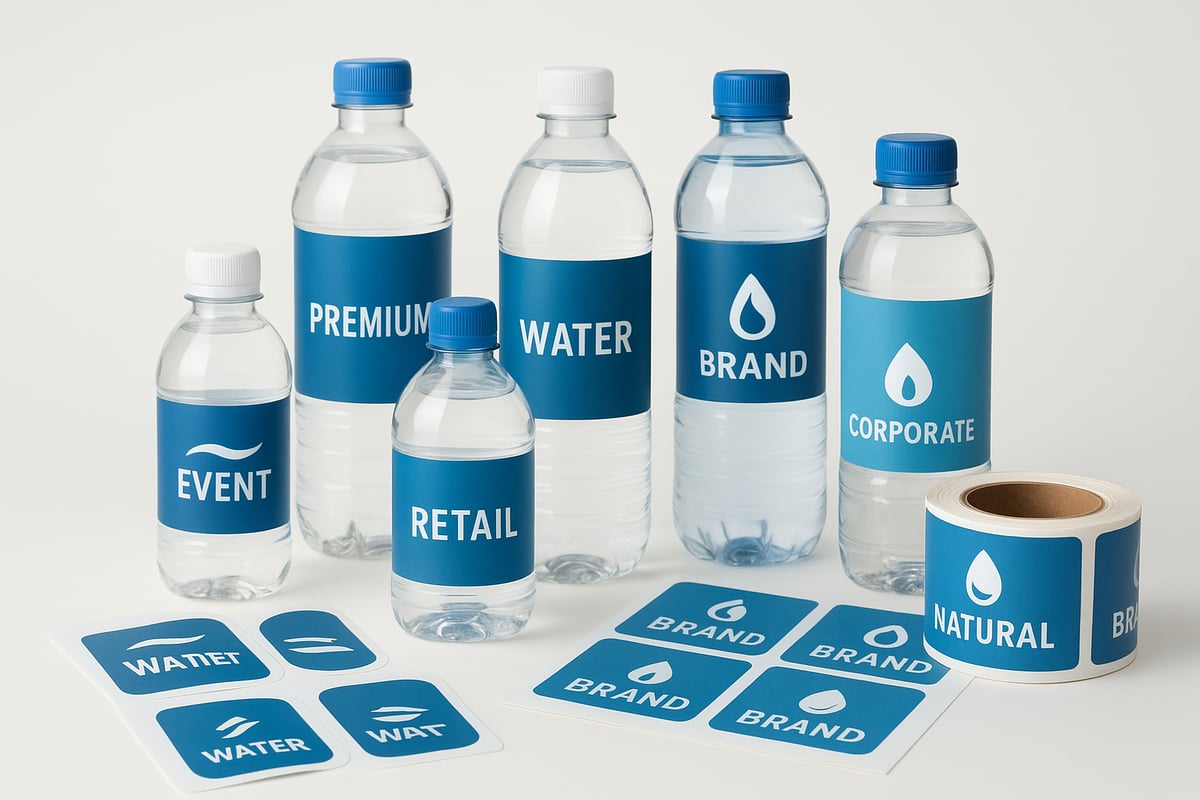
Water bottle label printing typically uses three main formats: sheet labels, roll labels, and stickers. Sheet labels are printed on flat sheets, making them ideal for small batches, test runs, or manual application tasks. Roll labels, dispensed from a spool, are perfect for high-volume projects and are compatible with automatic labeling equipment for faster production. Stickers, often supplied as individual pieces or on sheets, offer great flexibility for custom shapes and are popular for event giveaways or promotions.
Choosing the right format depends on your project scale and application method. For example, sheet labels are a favorite for boutique brands or limited-edition events, while roll labels dominate retail and large-scale bottling lines. Stickers add value for personalized or short-run needs. Each format allows for a range of sizes, finishes, and customization options, as detailed in the Custom Printing Services Overview, ensuring there is a solution for every branding vision.
Sizing and Shaping: Finding the Right Fit
Accurate sizing is critical in water bottle label printing. Common label sizes like 1-1/4" x 9-3/4" and 2-1/4" x 7-3/4" fit most standard bottles, but custom shapes and sizes are available for unique bottle designs. Measuring your bottle’s circumference and height ensures that the label wraps seamlessly without wrinkles or misalignment.
Bottle shape—whether standard, sports, or mini—directly impacts which label size and shape will work best. For highly contoured or specialty bottles, custom die-cut labels may be necessary to achieve a professional look. Many suppliers offer sizing tools and online guides to help you select the correct dimensions for your specific application. This attention to detail enhances both branding and the user experience.
Material Selection: Waterproof, Water-Resistant, and Specialty Options
Material choice is a cornerstone of effective water bottle label printing. Waterproof labels, typically made from glossy PET film or vinyl, are engineered to withstand full submersion and heavy condensation, making them perfect for chilled or outdoor use. Water-resistant labels, such as those with matte or clear finishes, offer some protection against moisture but may not hold up under extreme conditions.
The table below summarizes key material options:
| Material | Finish | Durability | Best Use Cases |
|---|---|---|---|
| Glossy PET film | Glossy | High moisture, fade | Chilled, outdoor |
| Matte paper | Matte | Moderate moisture | Indoor, events |
| Clear film | Transparent | Moderate-high | Premium branding |
| Specialty film | Textured | Custom durability | Unique promotions |
Consider environmental impact as well. Many brands now choose recycled or biodegradable materials to support sustainability goals. Always match your material selection to the intended use and storage conditions for your bottled product.
Application Scenarios: Events, Corporate, Retail, and Promotions
Custom water bottle label printing empowers brands to elevate their presence in a variety of scenarios. At corporate events and trade shows, branded bottles reinforce company identity and leave a lasting impression. For retail packaging, private label water bottles with custom labels help products stand out on crowded shelves.
Personalized labels are popular for weddings, parties, and fundraisers, where adding names, dates, or special messages creates a memorable touch. Promotional campaigns, seasonal launches, and charity events also benefit from unique label designs that drive engagement. A recent case study showed that branded water bottles at a major conference increased booth traffic and brand recall among attendees.
Label Quantity and Pricing Considerations
Pricing for water bottle label printing varies widely based on order size, material, and customization. Competitor data shows per-label costs ranging from $0.214 to $1.70. Ordering in bulk significantly reduces unit price, making large projects more cost-effective. Some providers offer no minimum order quantities, ideal for small businesses or event planners. When budgeting, weigh the benefits of bulk discounts against the flexibility of small-batch orders to maximize your return on investment.
Designing Effective Water Bottle Labels for 2026
Creating standout labels for water bottles in 2026 requires a blend of creativity, compliance, and practical design choices. As competition rises, brands must ensure their water bottle label printing delivers both visual impact and regulatory accuracy.
Core Design Elements: Branding, Legibility, and Compliance
Effective water bottle label printing starts with strong branding. Your logo, brand colors, and product name should be clearly visible, reinforcing your identity at a glance.
Legibility is essential. Key details like ingredients, volume, and origin must be easy to read. Use high-contrast colors, clean fonts, and avoid clutter.
Compliance with regulations is non-negotiable. Labels must include required information such as source, ingredients, expiration dates, and recycling instructions. Review FDA guidelines to ensure your water bottle label printing meets 2026 standards.
Balancing these elements ensures your label is both attractive and trustworthy. A well-designed label builds consumer confidence and sets your product apart on crowded shelves.
Color, Finish, and Material Effects
The choice of color and finish in water bottle label printing has a direct effect on consumer perception. Bright, bold colors can attract attention, while muted or pastel tones may convey purity and simplicity.
Finishes such as glossy, matte, or clear each have their appeal. Glossy labels enhance vibrancy, matte offers a premium, tactile feel, and clear labels allow the bottle contents to shine through. Specialty effects like metallics or textures can elevate your brand’s image.
The material you select should align with your brand identity. For example, a natural spring water might use a matte or recycled material, while a luxury brand could opt for metallic or embossed finishes. Consider how finish and material choices impact both aesthetics and function.
Customization and Personalization Trends
Personalized water bottle label printing is gaining momentum for events and limited releases. Brands and event planners now use variable data printing to add names, QR codes, or unique artwork to each label.
Customization is popular for wedding favors, charity runs, and corporate gifts. These labels often feature event-specific graphics, dates, or sponsor logos. Personal touches create memorable experiences and increase perceived value.
For promotional campaigns, companies use personalized water bottle labels to boost engagement. Limited edition designs and seasonal themes help brands stay relevant. The flexibility of water bottle label printing technology in 2026 enables cost-effective personalization for both small and large runs.
Artwork Preparation: Templates, Bleeds, and Proofing
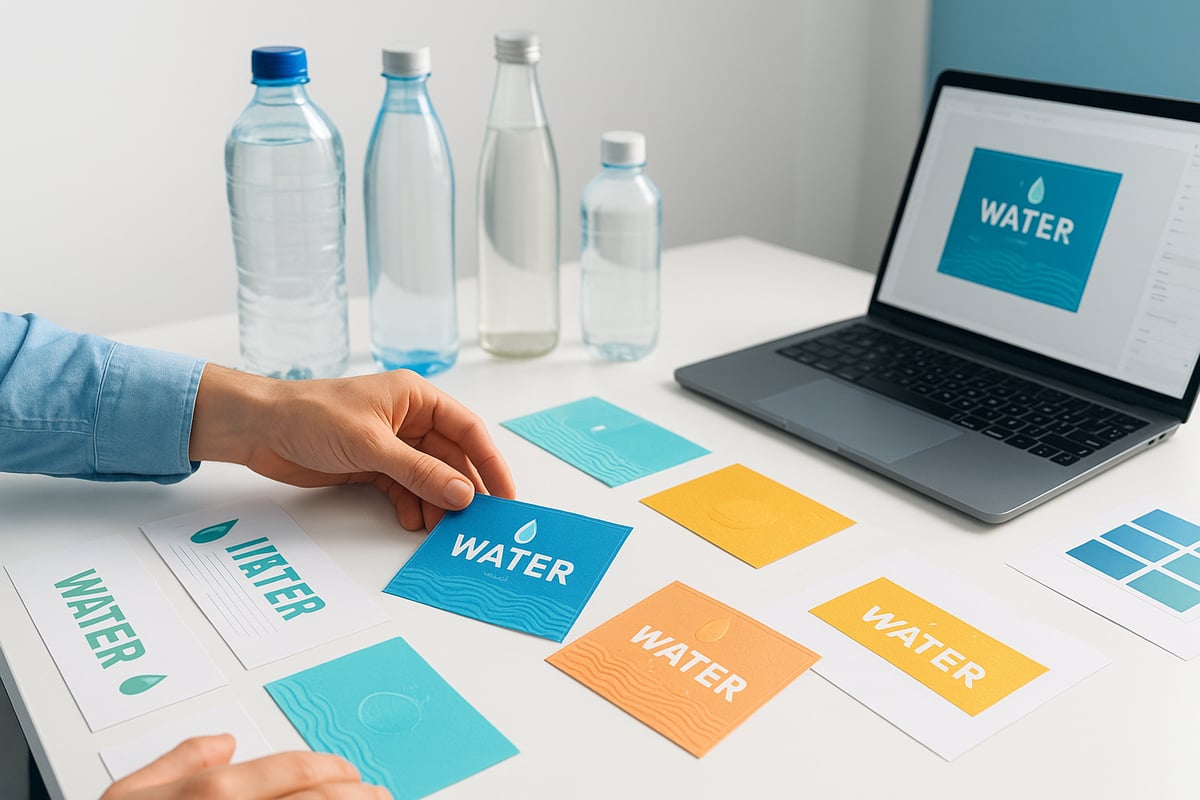
Setting up your artwork correctly is crucial for successful water bottle label printing. Start by using free templates and online design tools to ensure accurate sizing and layout. Incorporate bleeds and safe zones to prevent unwanted cropping.
High-resolution images and vector graphics guarantee crisp, professional results. Always proof your design before printing to catch errors in color, text, or alignment. Many providers offer instant proofing and approval tools.
To streamline your process, leverage platforms that provide customizable templates and expert support. For instance, you can Start Designing Custom Labels using intuitive online tools, which help minimize costly mistakes and speed up production.
Accessibility and Inclusivity in Label Design
Accessible water bottle label printing ensures your product reaches a wider audience. Use large, readable fonts, high color contrast, and simple layouts for better visibility.
Consider features for visually impaired consumers, such as tactile elements like raised text or braille. Multilingual labels help brands connect with diverse demographics and expand market reach.
Inclusive messaging also matters. Use images and language that resonate with all consumers. Review examples of accessible label designs to inspire your next project. Prioritizing accessibility in your water bottle label printing not only meets legal standards but also demonstrates social responsibility.
The Water Bottle Label Printing Process: Step-by-Step
Navigating the water bottle label printing process can feel overwhelming, but breaking it down into clear steps makes it manageable and efficient. Whether you are a business owner, event planner, or individual, mastering each stage ensures your labels look professional and perform as expected. Here is a detailed guide covering every phase from material selection to final application.
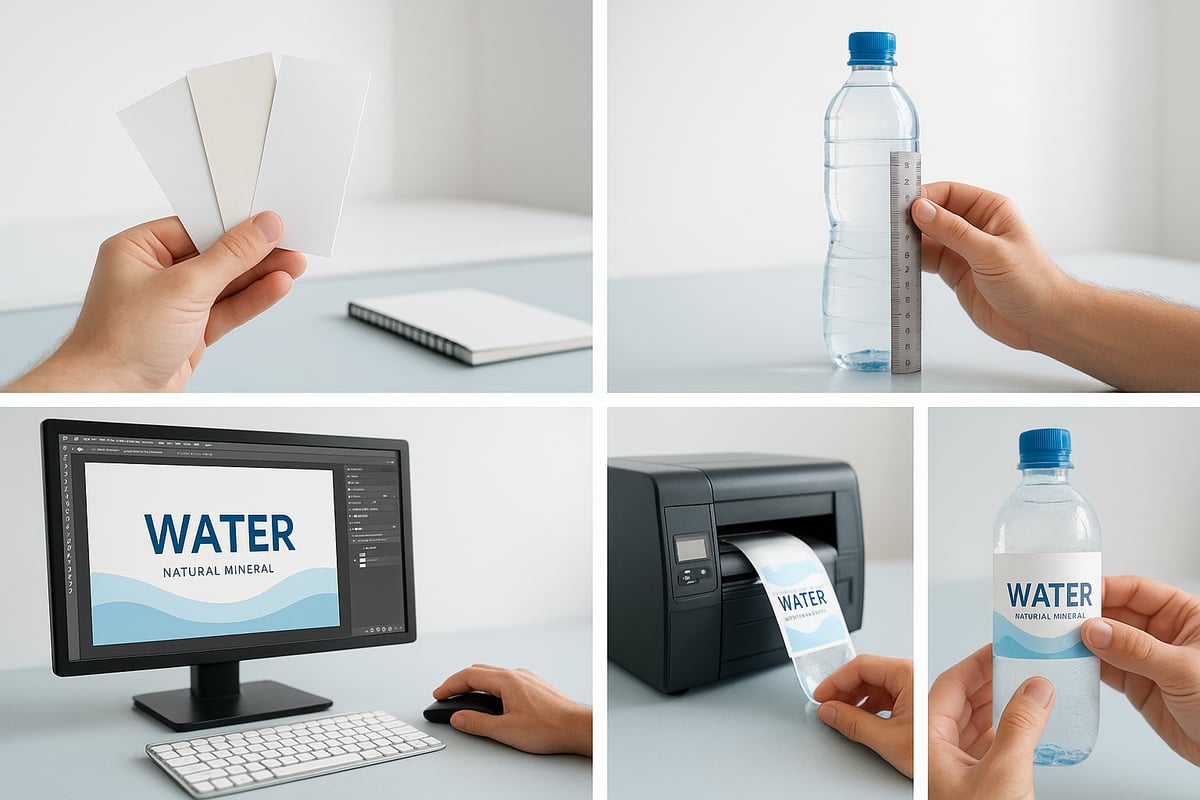
Step 1: Selecting the Right Label Type and Material
Choosing the right material is the foundation of successful water bottle label printing. Start by assessing the intended use—is the bottle for retail, events, or outdoor activities? Select between waterproof and water-resistant materials based on exposure to moisture or refrigeration.
Glossy PET film, matte finishes, and specialty stocks each provide distinct benefits. Durability, resistance to abrasion, and visual appeal all factor into the decision. Ensure your chosen label type aligns with the bottle’s surface and the application method, whether manual or automated.
Compliance is critical at this stage. Review FDA Bottled Water Regulations to confirm your label materials and content meet current guidelines. This step helps avoid costly reprints and potential penalties.
Step 2: Measuring and Sizing for a Perfect Fit
Accurate measurement is essential for water bottle label printing success. Use a flexible tape or printable sizing guide to measure the bottle’s circumference and height. Account for curves, seams, and surface texture, as these can affect how the label adheres.
Common sizes include 1 1/4 x 9 3/4 inches and 2 1/4 x 7 3/4 inches, but custom shapes are available for unique bottles. Use online templates and guides to visualize the label before ordering. Double-check dimensions to avoid issues like misalignment or peeling.
Proper sizing enhances appearance and ensures a smooth, bubble-free application, which is vital for both small and large runs.
Step 3: Designing and Preparing Artwork
The design phase of water bottle label printing brings your brand to life. Start by downloading free templates that match your chosen label size and shape. Use high-resolution images and vector graphics to maintain clarity during printing.
Set up artwork files with appropriate bleeds and safe zones to prevent important elements from being cut off. Follow color profile guidelines to ensure accurate reproduction. Before finalizing, review digital proofs and consider printing a sample to check for errors.
Proofing is crucial for catching mistakes early. This step helps you avoid costly reprints and ensures the finished label meets your branding and compliance needs.
Step 4: Printing Options—In-House vs. Professional Services
Determining whether to print labels in-house or use a professional service depends on quantity, complexity, and turnaround needs. For small runs or quick prototypes, desktop printers can offer flexibility and speed. However, professional printing yields superior quality and consistency, especially for large orders.
Professional providers offer advanced finishes, specialty materials, and bulk pricing advantages. Compare cost, production time, and available customizations before making your decision. Outsourcing water bottle label printing often results in higher durability and a more polished final product.
Consider sample packs or proofing options before committing to a full order to ensure satisfaction with the finished labels.
Step 5: Application and Finishing Touches
The final step in water bottle label printing is applying the labels and adding finishing touches. Decide between manual and automatic application based on your project size. For best results, apply labels to clean, dry bottles in a dust-free environment.
Smooth the label from the center outward to prevent bubbles or wrinkles. Consider laminates, embossing, or spot UV coatings for added protection and premium appeal. Test a few bottles to ensure durability under real-world conditions, such as chilling or handling.
Proper application and finishing ensure your labels not only look great but also stand up to use, leaving a lasting impression on your audience.
Navigating Compliance, Sustainability, and Market Trends
Staying competitive in water bottle label printing for 2026 means understanding a shifting landscape of compliance, sustainability, and innovation. Brands that navigate these trends effectively not only avoid regulatory pitfalls but also build trust and stand out on crowded shelves.
Regulatory Requirements for Water Bottle Labels
Compliance is non-negotiable in water bottle label printing. For 2026, brands must meet FDA and local guidelines, which require clear disclosure of ingredients, water source, expiration date, and recycling information. Failing to display mandatory information can lead to fines, product recalls, or damage to brand reputation.
Key compliance steps:
- List all required details: product name, volume, source, and contact info.
- Include expiration and lot numbers for traceability.
- Display recycling symbols and handling instructions.
- Stay updated on 2026 regulation changes and emerging standards.
Certification can further boost consumer trust. For example, earning NSF Bottled Water Certification demonstrates rigorous adherence to safety and quality, a valuable asset in a crowded market.
Sustainability in Label Printing
Sustainability is a growing priority in water bottle label printing. Eco-conscious consumers increasingly seek brands using recycled, biodegradable, or FSC-certified materials. Water-based inks and low-impact adhesives reduce environmental impact and align with regulatory trends.
Common eco-friendly options:
- Recycled PET or paper labels for reduced waste.
- Biodegradable films for single-use event bottles.
- Water-based, non-toxic inks for safer production.
- Adhesives designed for easy label removal and recycling.
Look for certifications like FSC or Green Seal when sourcing materials. Brands that lead in sustainable packaging are more likely to earn consumer loyalty and meet evolving legislation.
Technology and Innovation in 2026
Advancements in water bottle label printing are reshaping the industry. Digital printing now supports short runs and variable data, making it easier to personalize labels for events or limited editions. Smart labels, such as those featuring QR codes or NFC chips, connect consumers to digital experiences and track product authenticity.
Emerging technology trends:
- Automated application for higher efficiency and consistency.
- Minimalist designs with bold colors and tactile finishes.
- Interactive elements that enhance user engagement.
Staying ahead with innovative printing methods and design trends ensures your brand remains relevant and memorable.
Cost Optimization and Bulk Ordering Strategies
Managing costs is crucial for both small businesses and large brands involved in water bottle label printing. Bulk orders significantly reduce per-label costs, with competitor data showing prices dropping from $1.70 to as low as $0.214 per label for large quantities.
Effective cost-saving tips:
- Take advantage of bulk discounts and seasonal promotions.
- Use subscription or reorder programs for consistent supply and better rates.
- Choose no-minimum providers for small projects or test runs.
- Monitor ROI by tracking campaign performance and adjusting order sizes.
Smart ordering strategies allow you to maximize your labeling budget while maintaining quality and flexibility for every campaign.
Choosing the Right Water Bottle Label Printing Partner
Selecting the ideal partner for water bottle label printing is crucial for your brand’s success. A reliable provider ensures that your labels are consistent, compliant, and visually appealing, while also supporting cost-effective and timely production.
Evaluating Printing Service Providers
When evaluating water bottle label printing service providers, prioritize experience and a comprehensive material selection. Experienced partners can guide you through complex projects and regulatory requirements.
Local providers may offer faster turnaround and more personalized support, while national companies often provide broader capabilities. Request sample packs to assess material quality and print clarity. Proofing is essential to catch errors before full production. Customer reviews and satisfaction guarantees offer valuable insights into reliability and service quality.
Balance your need for flexibility with the provider’s ability to deliver consistent results and meet deadlines.
Online Design Tools and Support Services
Modern water bottle label printing partners offer robust online design tools, making customization simple for any business or event. Platforms with templates, live chat, and design assistance streamline the order process, reducing delays and errors.
Instant online proofing helps catch mistakes early, saving time and money. If affordability is a top concern, consider providers that highlight cost-saving options, such as the Cheap Custom Labels Guide, which outlines strategies for keeping projects within budget without sacrificing quality.
Efficient support services and intuitive platforms are invaluable for both small businesses and large organizations.
Quality Assurance and Customer Service
Consistency is non-negotiable in water bottle label printing, especially for bulk orders or recurring projects. Your printing partner should have strict quality control measures to ensure every label matches your approved proof.
Look for companies that offer clear reprint and return policies, as well as satisfaction guarantees. Responsive customer service is vital for resolving issues quickly and maintaining trust. Positive testimonials and high ratings, such as a 4.7/5 average, signal a provider’s commitment to excellence.
Proactive support can help you avoid costly mistakes and ensure your labels always meet expectations.
Custom 101 Prints: Your Local Solution for Custom Label Printing
Custom 101 Prints stands out as a trusted water bottle label printing partner in New York, offering fast turnaround and no minimum order requirements. Their wide material selection supports every branding need, from retail products to special events.
Businesses, event planners, and individuals benefit from expert design support, sample approval, and retail-ready finishing services. The team’s hands-on approach ensures your labels look professional and perform reliably in any setting. Choosing a local expert like Custom 101 Prints helps streamline your project and enhances your brand image.
Pro Tips and Best Practices for Water Bottle Label Printing Success
Achieving standout results with water bottle label printing requires more than just a creative design. It involves making smart choices at every stage, from material selection to strategic branding. Below, discover expert-backed best practices to ensure your labels look great, last long, and drive results.
Maximizing Durability and Performance
Selecting the right materials is the foundation of successful water bottle label printing. Always choose labels rated for moisture and abrasion resistance, especially for bottles stored in coolers or handled frequently.
Test your labels by chilling bottles and exposing them to real-world conditions. Assess for peeling, smudging, or fading. Apply labels only to clean, dry surfaces to ensure optimal adhesion and a professional finish.
Enhance durability with laminates or protective coatings. These add a barrier against water, oils, and handling. This approach helps maintain the label’s appearance from the production line to the consumer’s hands.
Creative Branding and Marketing Ideas
Innovative branding is at the heart of effective water bottle label printing. Incorporate QR codes to direct consumers to exclusive content, promotional offers, or product details. Use limited edition designs for seasonal releases or special occasions to create buzz and drive engagement.
Collaborate with artists or influencers to develop unique label artwork, making your bottles stand out in the market. For event and corporate needs, consider Personalized Promotions Printing to deliver tailored messaging that resonates with specific audiences.
A successful campaign often combines eye-catching graphics with interactive features, turning every bottle into a marketing tool.
Avoiding Common Pitfalls and Mistakes
Even experienced professionals can make errors in water bottle label printing. Avoid overcrowding your label with too much information. Keep the design clean, prioritizing legibility and essential details.
Neglecting compliance with regulations can lead to costly recalls or fines. Always confirm that your content meets all legal requirements. Select materials suited to the intended environment; using a non-waterproof label on chilled bottles often results in peeling or smudging.
Finally, proof every design and test a sample run before full production. This step helps catch issues early, saving time and resources.
Future-Proofing Your Label Strategy
To stay ahead in water bottle label printing, regularly review design and technology trends. Minimalist layouts, bold colors, and tactile finishes are gaining traction, while digital tools streamline production and customization.
Anticipate regulatory and sustainability shifts. Choose eco-friendly materials and maintain flexibility in your design process. Build strong relationships with reliable printing partners to ensure consistent quality as your needs evolve.
Gather feedback from customers and use analytics to refine your approach, ensuring your label strategy remains effective and relevant in a changing marketplace.