The Expert Guide to Shirt Branding in 2026

The world of shirt branding is evolving at a record pace in 2026, with businesses and individuals seeking new ways to capture attention in a saturated market. Advances in technology, a surge in personalization, and a strong focus on sustainability are reshaping how branded apparel is created and worn.

Brands, entrepreneurs, and organizations now have more opportunities than ever to use innovative shirt branding for marketing, identity, and revenue growth. This expert guide will walk you through the latest trends, proven methods, smart design strategies, and actionable steps to achieve standout success in shirt branding this year.

The Evolution of Shirt Branding: 2026 Trends and Market Insights

The landscape of shirt branding in 2026 is rapidly transforming, fueled by technology, shifting consumer values, and global trends. Brands and individuals are adopting new strategies to capture attention, drive engagement, and create meaningful connections through apparel. Understanding these trends is essential for anyone aiming to master shirt branding in the modern market.

The Evolution of Shirt Branding: 2026 Trends and Market Insights

The Shift Toward Hyper-Personalization

Hyper-personalization is redefining shirt branding as consumers demand unique, individualized apparel. On-demand production and data-driven design are making it possible for brands to offer tailored graphics, color palettes, and even messaging, all based on customer preferences.

Brands now use AI to analyze purchase history and social trends, generating designs that resonate on a personal level. For example, some companies let users upload photos, select color schemes, or add personal text, creating a one-of-a-kind experience. According to the Printful 2024 report, over 65% of consumers prefer personalized apparel, a trend that continues to rise. For deeper insights into these trends, explore the 2026 Print-on-Demand Design Trends shaping the future of shirt branding.

Eco-Friendly and Sustainable Branding

Sustainability is now central to shirt branding, with buyers seeking organic fabrics, recycled materials, and non-toxic, water-based inks. Major retailers are responding by switching to eco-friendly production methods and promoting transparent supply chains.

This shift is not just ethical, but also strategic. The McKinsey 2025 study reveals that 78% of apparel buyers now factor sustainability into their purchase decisions. As a result, brands using sustainable shirt branding methods are gaining a competitive edge and building lasting customer loyalty.

Integration of Smart Technology

Smart technology is making shirts interactive and functional. The integration of QR codes, NFC chips, and augmented reality (AR) designs is creating new possibilities for engagement and storytelling in shirt branding.

For example, event shirts can now link directly to digital content or exclusive offers via a quick scan. The smart apparel market is on track to reach seven billion dollars by 2026, according to Statista. This surge reflects how brands are using technology to differentiate their shirt branding and connect with tech-savvy audiences.

Rise of Direct-to-Garment and DTF Printing

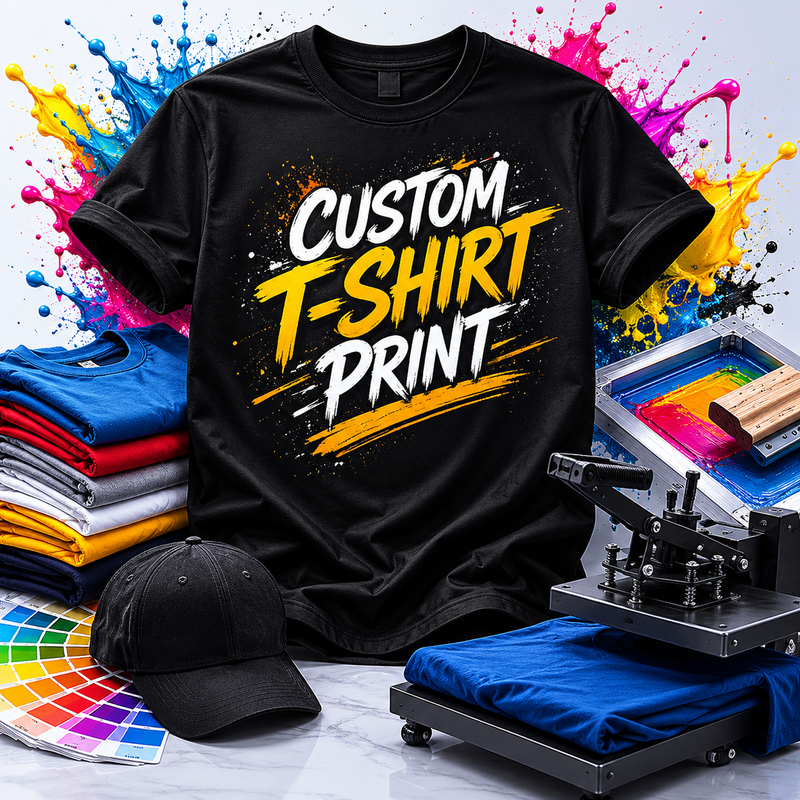
Direct-to-garment (DTG) and direct-to-film (DTF) printing have revolutionized shirt branding by enabling full-color, small-batch, and highly detailed designs. These methods offer more flexibility than traditional screen printing, making them ideal for complex artwork and rapid prototyping.

DTG excels on 100% cotton shirts, while DTF works on a broader range of fabrics, expanding creative options for brands. Compared to screen printing or embroidery, these digital methods reduce setup time and make short runs more cost-effective, supporting the trend toward fast, flexible shirt branding.

The Role of Social Media and Influencer Culture

Social media platforms like TikTok and Instagram have turned shirt branding into a viral marketing powerhouse. Limited-edition drops, influencer collaborations, and real-time promotions are driving massive engagement and sales.

Brands leverage influencers to showcase exclusive designs, turning fans into brand advocates. A single viral post can propel a shirt branding campaign to new heights, making social media strategy a must for success in 2026.

Globalization and Local Customization

Brands are balancing global trends with local identity, blending universal appeal with regional elements. Shirt branding now often includes motifs, languages, or symbols unique to specific markets, helping brands connect authentically with local audiences.

This approach allows global brands to feel personal and relevant in every region. Local customization also supports cultural inclusivity and drives higher engagement in diverse markets.

Data-Backed Insights

Industry leaders provide clear evidence of shirt branding’s growth and innovation. Key statistics from Printful, Custom Ink, and Statista show the market for custom apparel is expanding rapidly, with new technologies and consumer demands shaping the landscape.

For example, projections indicate double-digit growth for custom shirt branding through 2026, fueled by advances in printing methods, sustainability, and personalization. Brands that embrace these insights are better positioned to capture emerging opportunities and outpace competitors.

Core Methods of Shirt Branding: Techniques, Pros, and Cons

In 2026, the range of shirt branding techniques has expanded, offering more options and flexibility than ever before. From classic methods to innovative newcomers, understanding each process is crucial for making informed decisions. Below, we explore the most popular shirt branding methods, their strengths, and their limitations.

Core Methods of Shirt Branding: Techniques, Pros, and Cons

Screen Printing: The Classic Workhorse

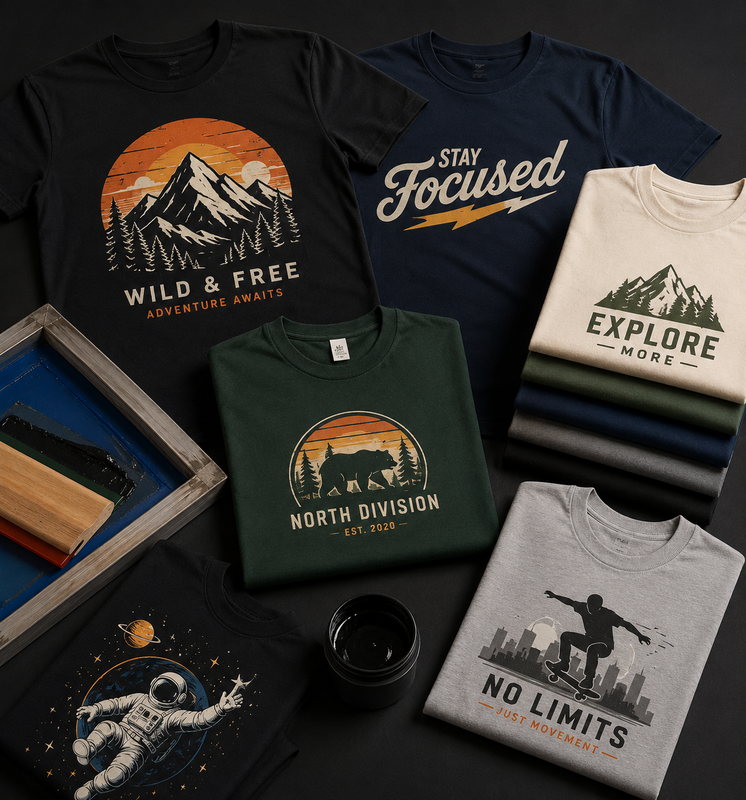
Screen printing remains a cornerstone of shirt branding, especially for bulk orders and simple graphics. This process pushes ink through a mesh stencil onto fabric, creating vibrant and consistent results.

Pros:

  • Highly durable prints
  • Cost effective for large runs
  • Bold, solid colors

Cons:

  • Not ideal for intricate or multicolor art
  • Setup can be time consuming for small batches

Screen printing is often chosen for uniforms, event shirts, and promotional campaigns where consistency and longevity are priorities. For a deeper dive into this method and its advantages for shirt branding, see the Screen Printing for Custom Apparel guide.

Embroidery: Premium and Professional Appeal

Embroidery brings a tactile, upscale feel to shirt branding by stitching designs directly onto fabric. It is commonly used for logos, uniforms, and applications that require an elevated appearance.

Pros:

  • High perceived value
  • Exceptional durability
  • Works well on thicker fabrics

Cons:

  • Higher cost compared to printing
  • Limited color blending and fine detail

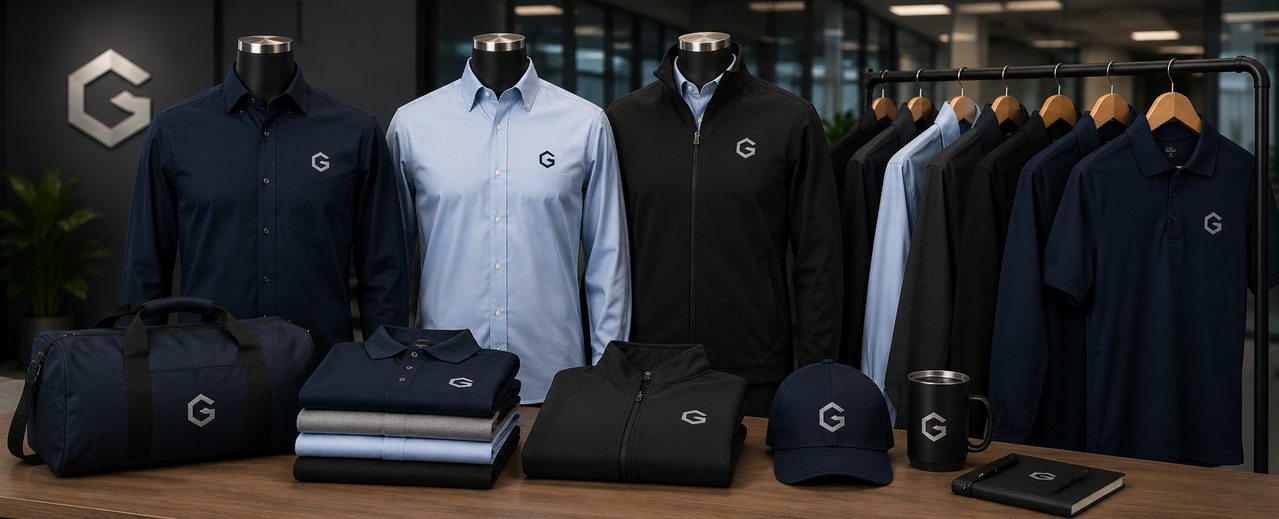
Embroidery is perfect for corporate branding, sports teams, and scenarios where lasting impression matters. The dimensional effect of thread adds depth and professionalism to any shirt branding project.

Direct-to-Garment (DTG) Printing: Flexibility for Small Runs

DTG printing uses specialized inkjet technology to apply full color designs directly onto shirts. This method is ideal for detailed artwork, gradients, and small batch orders.

Pros:

  • No minimum order requirements
  • Unlimited color options
  • Great for photographic or complex designs

Cons:

  • Works best on 100 percent cotton shirts
  • Higher per piece cost for large quantities

DTG is popular among online retailers and artists who want to offer custom shirt branding without large upfront investments. Its flexibility supports rapid prototyping and on demand fulfillment.

Direct-to-Film (DTF) Transfers: The Versatile Newcomer

DTF transfers are gaining traction in shirt branding for their vibrant results and versatility. Designs are printed onto a special film, then heat pressed onto garments, allowing compatibility with many fabric types.

Pros:

  • Bright, durable prints
  • Suitable for cotton, blends, and synthetics
  • Handles fine details and color gradients

Cons:

  • New technology with evolving best practices
  • May require trial and error for optimal results

For those seeking the latest in shirt branding innovation, DTF Transfer Printing Services Guide offers expert insights on this fast emerging technique.

Heat Transfer Vinyl and Sublimation

Heat transfer vinyl (HTV) uses cut vinyl designs applied with heat and pressure, making it suitable for smaller runs and personalized shirts. Sublimation, on the other hand, uses special inks and heat to infuse designs into polyester fabric, perfect for all over prints.

Pros:

  • HTV is cost effective for names, numbers, or custom details
  • Sublimation produces vibrant, fade resistant designs

Cons:

  • HTV is less durable than screen printing
  • Sublimation works only on light colored polyester shirts

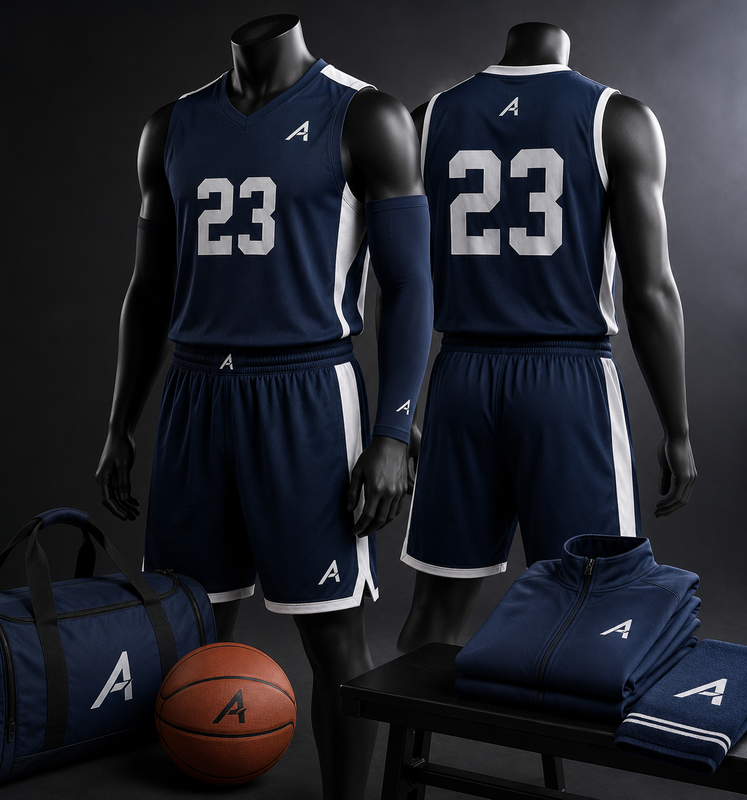
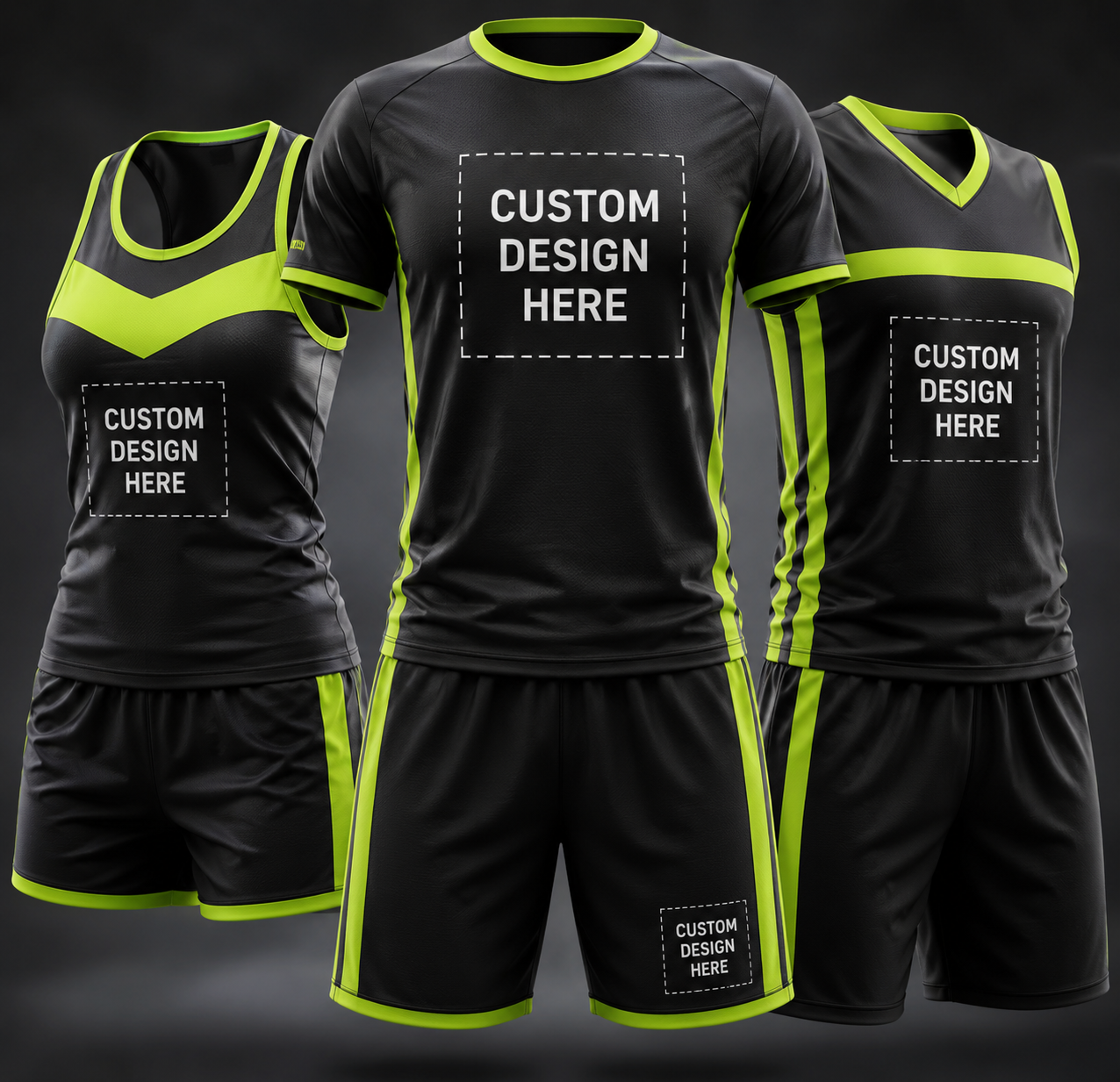
For businesses seeking flexible shirt branding solutions, these methods are popular for sportswear, team apparel, and promotional items.

Laser Engraving and Specialty Techniques

Laser engraving, metallic foils, and specialty inks offer unique options for shirt branding projects that demand a standout effect. Leather patches, glow in the dark prints, and textured finishes can transform standard apparel into memorable statements.

Pros:

  • Distinctive, high impact results
  • Adds tactile and visual interest

Cons:

  • Higher production costs
  • Limited availability depending on provider

These specialty techniques are often used for limited edition releases, branded merchandise, or high value gift items.

Choosing the Right Method

Selecting the best shirt branding technique depends on your project’s goals, budget, fabric type, and desired design complexity. Large events may favor screen printing for cost efficiency, while startups might choose DTG or DTF for flexibility and vibrant art.

Consider the following factors:

  • Order size and turnaround time
  • Material and shirt style
  • Design intricacy and color needs
  • Required durability and washability

Consult with experienced providers to match your vision with the right shirt branding method. Testing samples and reviewing proofs also ensures your final product meets expectations.

Step-by-Step Guide to Launching a Shirt Branding Project in 2026

Launching a successful shirt branding project in 2026 involves more than just printing a logo on a tee. Today’s apparel market is fast-paced, highly personalized, and driven by technology. Whether you’re building a brand, outfitting a team, or launching a limited-edition drop, following a clear process will maximize your impact and ROI.

Step-by-Step Guide to Launching a Shirt Branding Project in 2026

Step 1: Define Your Brand Goals and Audience

Start by clarifying the purpose of your shirt branding project. Are you aiming to boost brand awareness, create merchandise, or provide uniforms for your staff? Pinpointing your objectives shapes every decision that follows.

Identify your target audience. Are you reaching out to Gen Z trendsetters, corporate teams, or event attendees? Understanding their preferences, values, and style choices ensures your shirt branding resonates.

Ask yourself:

  • What message do you want your shirts to communicate?
  • What emotions or reactions should they inspire?
  • How will your shirt branding fit into your overall marketing strategy?

Taking time at this stage sets a strong foundation, ensuring every detail aligns with your brand’s mission.

Step 2: Select Shirt Styles and Materials

Choosing the right shirt style and material is crucial for both aesthetics and comfort. The options in 2026 are broader than ever, from classic crew necks to eco-friendly performance tees.

Consider these shirt types:

StyleBest ForMaterial Options
Crew NeckVersatility, unisexCotton, blends, organic cotton
V-NeckFashion-forwardCotton, modal blends
PoloProfessional, uniformsCotton, polyester, bamboo
PerformanceAthletics, eventsRecycled poly, moisture-wicking

Evaluate factors like breathability, sustainability, and fit. Sustainable fabrics, such as organic cotton and recycled polyester, are in high demand for shirt branding in 2026. Consider how the material will interact with your chosen branding technique and the preferences of your audience.

Step 3: Develop Unique and Impactful Designs

Great shirt branding starts with standout design. Leverage current trends, such as minimalism, bold graphics, and interactive elements like AR or QR codes.

Use AI-powered design tools and online mockup generators to experiment with layouts, colors, and typography. This allows you to visualize your shirt branding before production.

Tips for impactful design:

  • Keep visuals clear and scalable
  • Choose colors that align with your brand identity
  • Integrate personalization where possible
  • Test designs on different shirt colors and fits

A compelling design not only draws attention but also makes your shirt branding memorable and shareable.

Step 4: Choose the Best Branding Technique

Selecting the right branding method ensures your designs look great and last. The main options for shirt branding in 2026 include:

  • Screen printing: Ideal for bulk, simple designs
  • Direct-to-garment (DTG): Best for detailed, full-color prints
  • Direct-to-film (DTF): Versatile and durable, works on various fabrics
  • Embroidery: Premium, textured finish for logos and uniforms

Each technique has pros and cons regarding durability, cost, and color range. For a detailed breakdown, see this comparison of Direct-to-Garment vs Screen Printing.

Match your design, fabric, and budget to the technique. Consulting with experts or using online tools can help you make the best choice for your shirt branding goals.

Step 5: Find and Vet Shirt Branding Partners

The right production partner can make or break your project. Start by researching local and online providers. Look for those with strong reviews, transparent pricing, and a track record of quality shirt branding.

Criteria to consider:

  • Range of available techniques
  • Turnaround times and flexibility
  • Sustainability credentials
  • Sample approval process

Compare a few options before committing. Request samples to assess print quality, fabric feel, and accuracy. A good partner should support your vision and guide you through technical decisions.

Step 6: Approve Samples and Run Test Prints

Never skip the sample stage. Request physical or digital proofs before launching your full shirt branding run. This step helps catch issues with color, placement, or fabric compatibility.

Common pitfalls include:

  • Colors appearing differently on fabric
  • Inconsistent print placement
  • Unexpected feel or fit

Addressing these early saves time and money. Encourage feedback from your team or a select group of customers to ensure your shirt branding meets expectations.

Step 7: Launch, Promote, and Distribute

With everything approved, it’s time to launch your shirt branding project. Build anticipation with teasers, influencer partnerships, or behind-the-scenes content on social media.

Distribution options include:

  • E-commerce platforms
  • Pop-up events or retail stores
  • Direct giveaways at events

A strategic launch amplifies reach and drives engagement. Use your shirt branding as a conversation starter and a way to create lasting connections with your audience.

Step 8: Measure Results and Gather Feedback

After launch, track your shirt branding performance. Monitor sales, social media mentions, and customer reviews. Use analytics tools to measure ROI and understand what resonates.

Collect feedback through surveys or direct outreach. Insights from your audience can guide future designs, materials, or branding techniques.

Continuous improvement is key. Each shirt branding project provides valuable data to refine your approach and achieve even greater impact in the future.

Design Strategies for Maximum Shirt Branding Impact

Creating memorable shirt branding in 2026 requires more than eye-catching graphics. It demands a blend of creativity, strategy, and an understanding of evolving trends. The right design choices help brands stand out, connect with audiences, and maximize impact across every campaign.

Balancing Creativity with Brand Consistency

Successful shirt branding begins with a clear connection to your brand identity. While bold ideas spark interest, consistency in logos, colors, and messaging ensures long-term recognition.

For example, global brands maintain signature elements across all shirt branding projects. This balance lets you experiment with fresh visuals without losing your core identity. Consider how your logo, tagline, or signature color can be woven into each design, reinforcing your presence in every campaign.

Leveraging Color Psychology and Typography

Color choices and typography directly influence how your shirt branding is perceived. Selecting the right palette can drive emotion, recall, and purchase intent.

  • Red: Excitement, energy, action
  • Blue: Trust, professionalism, calm
  • Green: Sustainability, growth, harmony

Typography also matters. Bold, readable fonts make shirt branding designs stand out at a glance. Sports teams and event organizers often use vibrant colors and custom typefaces to create memorable, high-impact shirts that capture attention and boost engagement.

Incorporating Technology and Interactivity

Modern shirt branding leverages technology for deeper audience connection. Adding QR codes, AR elements, or NFC tags transforms shirts into interactive experiences.

Imagine event shirts with scannable codes that unlock exclusive content or rewards. Brands use these features to drive engagement, collect data, and create a buzz around shirt branding campaigns. Interactive designs make each shirt more than apparel—they become tools for storytelling and participation.

Optimizing for Print and Wearability

Designing for shirt branding means considering both visual appeal and practicality. Artwork should be tailored to the chosen print method and shirt type.

  • For screen printing: Use bold lines and limited colors.
  • For DTG and DTF: Embrace complex, full-color graphics.
  • For embroidery: Keep details simple and lines clean.

Always test your designs on actual garments. Avoid overcrowding with too much detail or poor placement, which can reduce clarity and comfort. Optimized designs ensure your shirt branding looks sharp and wears well in real-world settings.

Sustainability and Ethical Messaging

Sustainability is central to shirt branding success in 2026. Eco-friendly materials, recycled fabrics, and water-based inks are now standard expectations for conscious consumers.

Communicate your values through clear sustainability icons and messaging on shirts. Brands that highlight ethical sourcing and environmental responsibility in their shirt branding foster trust and loyalty. Using recycled materials and transparent practices sets your brand apart in a crowded marketplace.

Staying Ahead of Design Trends

To keep shirt branding relevant, monitor industry trends and adapt quickly. Minimalism, tactile finishes, and hyper-personalization are shaping the future of branded apparel.

Resources like 2026 Print Design Trends offer valuable insights into emerging styles and technologies. Stay connected to design communities and industry reports to inspire your next shirt branding project. By anticipating trends, you ensure your brand remains fresh and competitive.

Choosing the Right Shirt Branding Partner in 2026

Selecting the ideal shirt branding partner in 2026 is a pivotal decision for any business or organization seeking standout apparel. The right provider can transform your vision into high-impact, durable shirts that align with your brand values and campaign goals.

Key Qualities to Look For in a Provider

When evaluating shirt branding providers, prioritize expertise, advanced technology, and a robust sample approval process. Strong customer support ensures a smooth experience from concept to delivery.

Look for these qualities:

  • Proven track record in shirt branding and apparel decoration
  • Access to the latest printing methods and sustainable materials
  • Transparent sample review and approval procedures
  • Responsive communication and expert guidance
  • Fast turnaround and flexibility, such as no minimum order requirements

A provider with these strengths sets the stage for successful shirt branding outcomes.

Evaluating Pricing, Quality, and Turnaround

Carefully compare pricing structures and ensure you understand what each quote includes. High-quality shirt branding is an investment, so assess the value provided by different techniques and order sizes.

Consider these factors:

  • What is included in the quoted price (design, setup, shipping)?
  • How do turnaround times align with your deadlines?
  • Are there clear quality guarantees or sample provisions?

According to 2026 Corporate Swag Trends, brands are increasingly valuing quality over quantity, making premium shirt branding a strategic advantage.

Sustainability, Ethics, and Local Sourcing

Modern consumers expect brands to adopt eco-friendly and ethical practices in shirt branding. Seek providers offering organic fabrics, water-based inks, and responsible sourcing.

Features to look for:

  • Certifications for organic or recycled materials
  • Transparent supply chains and fair labor practices
  • Options to source or produce locally, reducing environmental impact

Choosing a partner committed to sustainability strengthens your brand image and appeals to conscious buyers.

The Role of Technology in Provider Selection

Leverage technology to streamline your shirt branding project. Top providers offer online design tools, virtual proofs, and order tracking, making the process efficient and transparent.

Key technological features:

  • Intuitive online platforms for custom shirt branding designs
  • Real-time production updates and order status tracking
  • Integration with e-commerce or fulfillment systems for seamless logistics

These tools enable you to visualize, approve, and manage orders with confidence.

Custom 101 Prints: A Leading Shirt Branding Partner in New York

Custom 101 Prints sets the standard for shirt branding excellence in New York. Their services include screen printing, embroidery, DTG, DTF, and laser engraving, catering to diverse branding needs.

The Expert Guide to Shirt Branding in 2026 - Custom 101 Prints: A Leading Shirt Branding Partner in New York

Why choose Custom 101 Prints?

  • No minimum order requirement, ideal for small or large projects
  • Fast turnaround and a thorough sample approval process
  • Expert support and guidance throughout the shirt branding journey
  • Outstanding local expertise and positive client testimonials

Businesses and organizations across New York trust Custom 101 Prints to elevate their branded apparel and promotional campaigns.

Future-Proofing Your Shirt Branding Strategy

Staying ahead in shirt branding requires an agile, forward-thinking approach. As the industry rapidly evolves, brands must anticipate trends, embrace technology, and keep sustainability at the forefront. Here’s how to ensure your shirt branding strategy remains effective and relevant in 2026 and beyond.

Embracing Innovation and Emerging Technologies

To future-proof your shirt branding, actively seek out new technologies. Early adopters of AR-enabled shirts and interactive tags are capturing attention and driving engagement. Smart apparel, such as shirts with embedded NFC chips or QR codes, allows brands to connect with customers in memorable ways.

For brands aiming to lead, staying updated on 2026 apparel trends and smarter branded merch is essential. This ensures your shirt branding leverages the latest advances for maximum impact.

Building a Sustainable and Ethical Brand Image

Consumers increasingly expect brands to demonstrate genuine commitment to sustainability. Incorporating organic fabrics, recycled materials, and water-based inks not only reduces environmental impact but also builds long-term trust.

Transparent sourcing and ethical labor practices are now non-negotiable. Brands with strong sustainability messaging see up to 30 percent higher customer loyalty, making this a vital component of any shirt branding strategy.

Leveraging Data and Analytics

Harnessing data is critical for refining shirt branding efforts. By tracking sales, customer engagement, and feedback, you can identify which designs and campaigns resonate most.

Utilize analytics tools to monitor purchasing behavior, adjust inventory, and personalize marketing. Data-driven decision-making helps brands optimize ROI and stay ahead of shifting trends in shirt branding.

Scaling and Diversifying Product Offerings

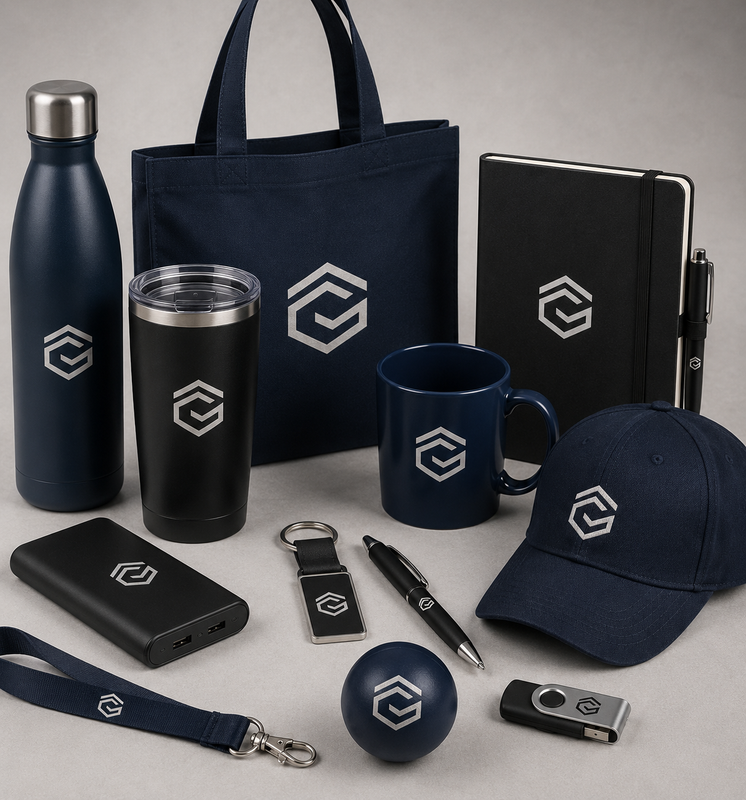
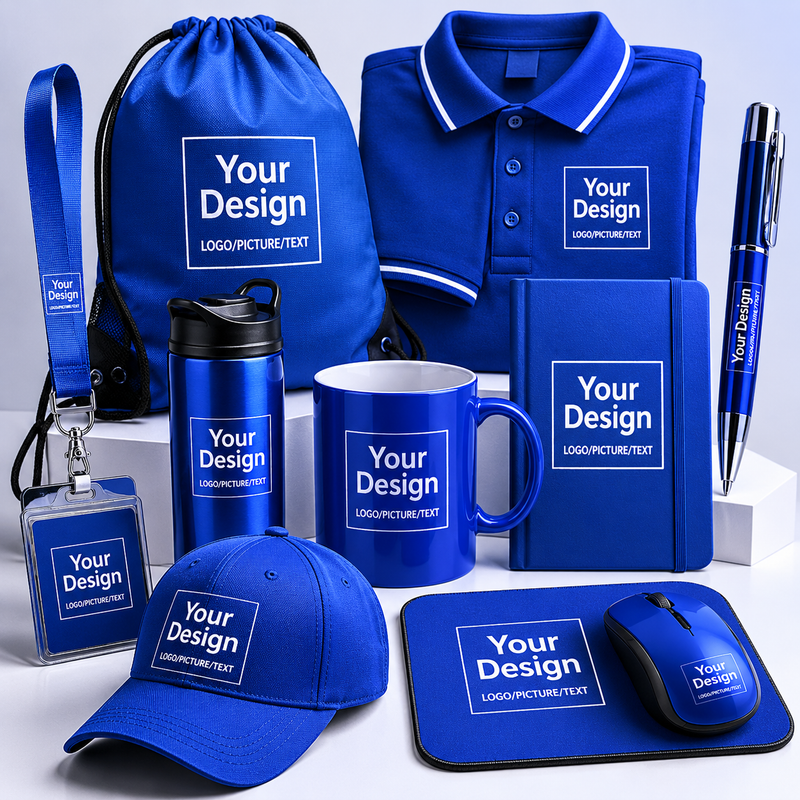
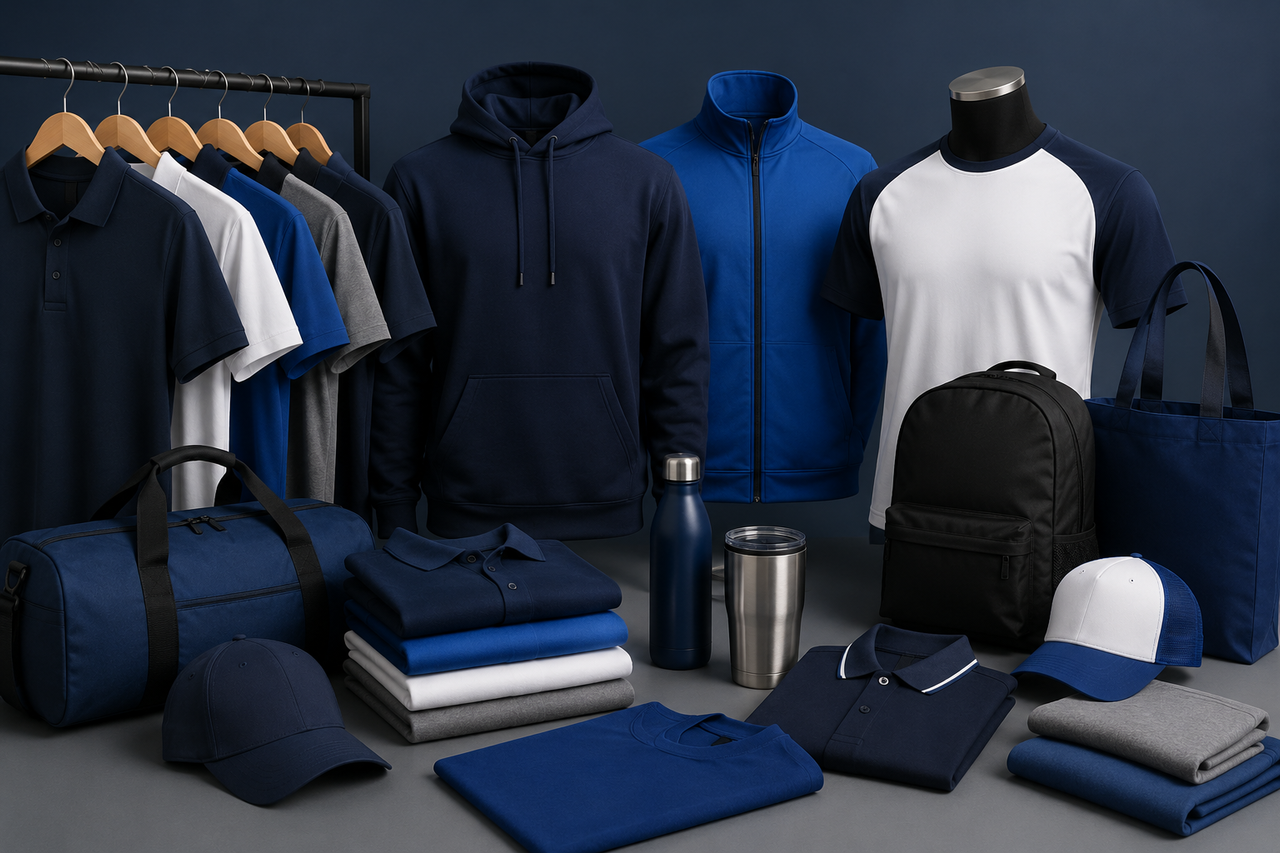
As your shirt branding gains traction, consider expanding into other apparel or promotional items. Diversifying your range with hats, hoodies, or bags creates new revenue streams and strengthens brand presence.

Cross-selling and bundling strategies work well for businesses looking to boost average order value. This approach ensures your shirt branding remains a dynamic part of your broader merchandise strategy.

Community Engagement and Storytelling

Shirt branding can serve as a powerful storytelling tool. Launch limited-edition charity shirts or collaborate with local artists to build community connections.

These initiatives not only enhance brand reputation but also foster deeper customer loyalty. Sharing the story behind each design creates an emotional bond, turning buyers into brand advocates.

Adapting to Changing Consumer Expectations

Consumer preferences are evolving rapidly. Monitor shifts in design, ethics, and technology to keep your shirt branding relevant.

Leverage reports, design communities, and social media for ongoing learning. By anticipating change and adapting quickly, your brand will remain at the forefront of the shirt branding industry.


Article written using RankPill.

Related Posts

Scroll to Top